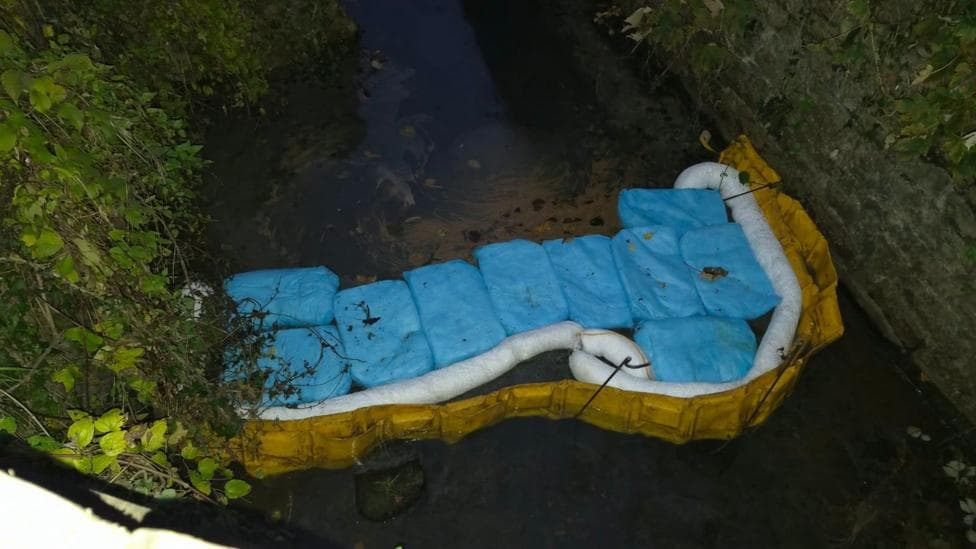
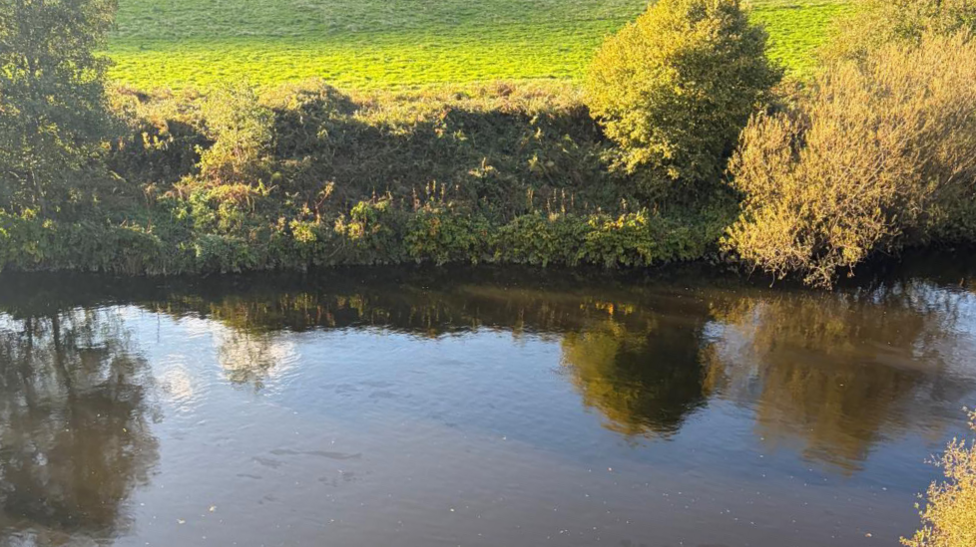
A kerosene leak that contaminated the River Taff in Wales and killed aquatic life has been stopped, authorities confirmed. According to BBC News, officers from Natural Resources Wales (NRW) identified the source of the pollution on Friday night at 19:30 BST, after the fuel had spread nearly 2.5 miles (4 kilometres) downstream. The leak, which originated from GE Aerospace's nearby site during repair work, prompted health warnings for residents to keep windows and doors closed.
The pollution affected multiple stretches of the Taff including Nantgarw, Treforest, Taffs Well, Glan Y Llyn, Gwaelod-y-garth and Tongwynlais since 16 October. Up to 25,000 litres of kerosene may have entered the waterway, according to environmental monitoring sources. NRW recorded fewer than 10 dead fish and documented impacts to aquatic invertebrates resulting from the incident.
GE Aerospace previously acknowledged that fuel entered the river during maintenance operations at its facility. However, determining the exact pathway the fuel took into the drainage system proved challenging due to the involvement of underground infrastructure. The company activated a response team and shut off the fuel supply once the incident was discovered, while NRW's investigation found kerosene had escaped into underground drainage, then mixed with water and reached a culvert and tributaries from multiple sources.
Residents in the affected area reported a distinctive smell on Friday. Eurig Thomas, living in Nantgarw, Rhondda Cynon Taff, described the odour to the BBC:
It smelt like a petrol station, it hit you as soon as you came out.
Public Health Wales issued guidance advising nearby residents to keep windows and doors closed, avoid contact with the water, and contact NHS 111 if they experienced any health concerns. Specialist drainage and containment contractors were deployed to the site to remove remaining fuel.
How was the leak traced?
During the investigation, NRW employed harmless green tracing dye to track water flows and identify the pollution route through the river system. The agency confirmed the dye posed no risk to people or wildlife and helped establish how the contamination had spread across the affected areas.
What is the current status?
NRW teams have attended the site daily since the incident was reported, containing remaining fuel and assessing environmental damage, with river samples still being analysed for immediate and longer-term effects. The environmental body is compiling and reviewing evidence as part of its ongoing investigation into how the fuel entered the drainage system.
What happens next?
NRW will continue analysing river samples and assessing possible longer-term effects on wildlife and river ecology. The investigation into how fuel entered the drainage system is also continuing, with findings expected to inform recommendations about preventing similar incidents in the future.