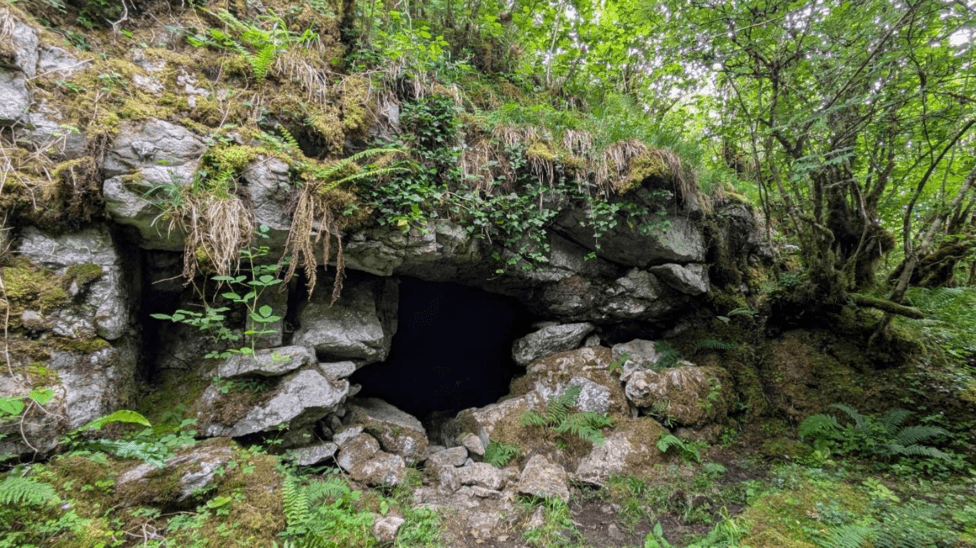
Researchers have uncovered compelling evidence suggesting that the earliest known humans to inhabit Ireland thousands of years ago originated from Wales, following the discovery of ancient rock art in multiple cave systems. An international team of experts has located eight cave sites in south-west Ireland containing rock art dating back at least 15,000 years, pushing back the timeline of human presence in Ireland by approximately 5,000 years compared to previously documented evidence.
During the most recent Ice Age, when continental glaciers covered much of the British Isles, dramatically lowered sea levels created a "lost land bridge" connecting what is now Pembrokeshire in Wales to the south-east coast of Ireland near Rosslare. Dr George Nash, a rock art specialist from Liverpool University who coordinated the Lost Land Bridge Project, explains that this natural pathway would have presented irresistible opportunities for hunter-gatherer populations.
The land bridge would have formed a forested and grassland plateau stretching approximately 46 miles (76 kilometres) across. With summer temperatures ranging from -10°C to -20°C, the region supported large herbivores including wild horses, mammoth, bison and reindeer, which sustained themselves on hardy sedges, mosses and lichens growing through the fertile but near-frozen soil. Nash assembled a multi-disciplinary team from University College Dublin, the University of Adelaide, and institutions in Dubai, Wales and Portugal to investigate this hypothesis.
How did researchers locate these ancient sites?
Advances in artificial intelligence proved transformative in identifying potential cave locations. Working with caving specialist Shane Diffily and digital mapping consultant Darren Lee, the team developed a computer algorithm trained on the characteristics of cave dwellings in south Wales and deployed it to search for similar sites across Ireland. This approach eliminated the need for extensive manual exploration across the countryside.
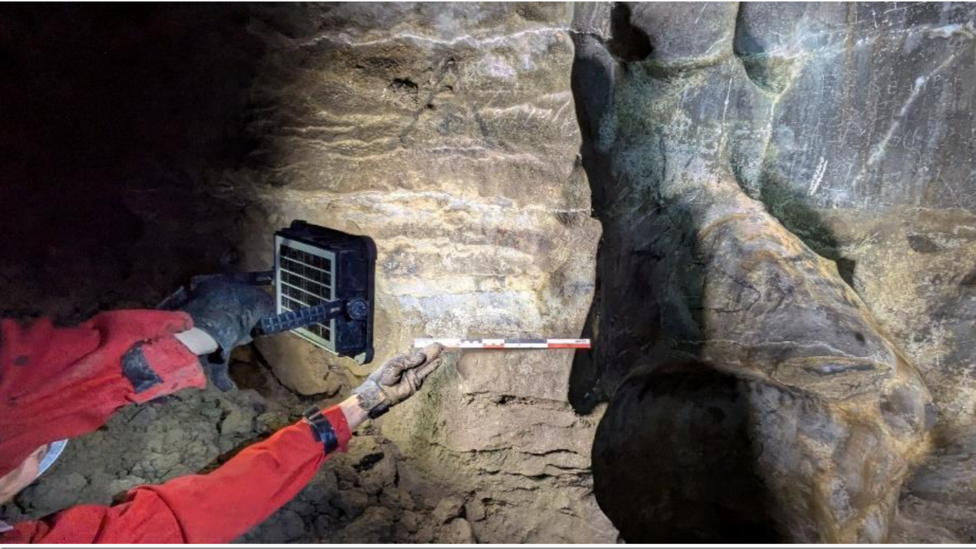
The algorithm identified 28 potential caves in south-west Ireland for investigation. Of these, eight were confirmed to contain rock art dating from at least 15,000 years ago, and possibly considerably earlier. The team has chosen not to disclose precise locations to prevent vandalism or looting of these sites.
What does the rock art reveal about early human activity?
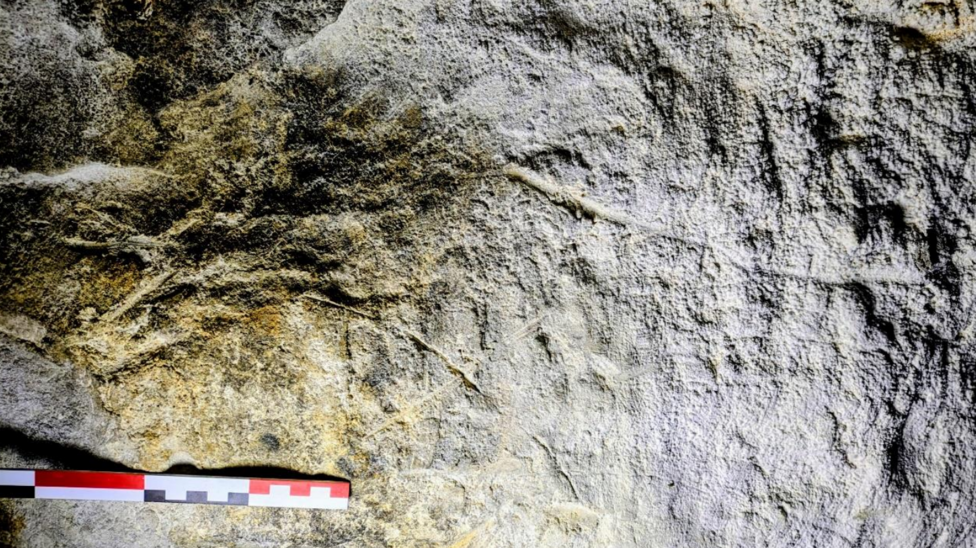
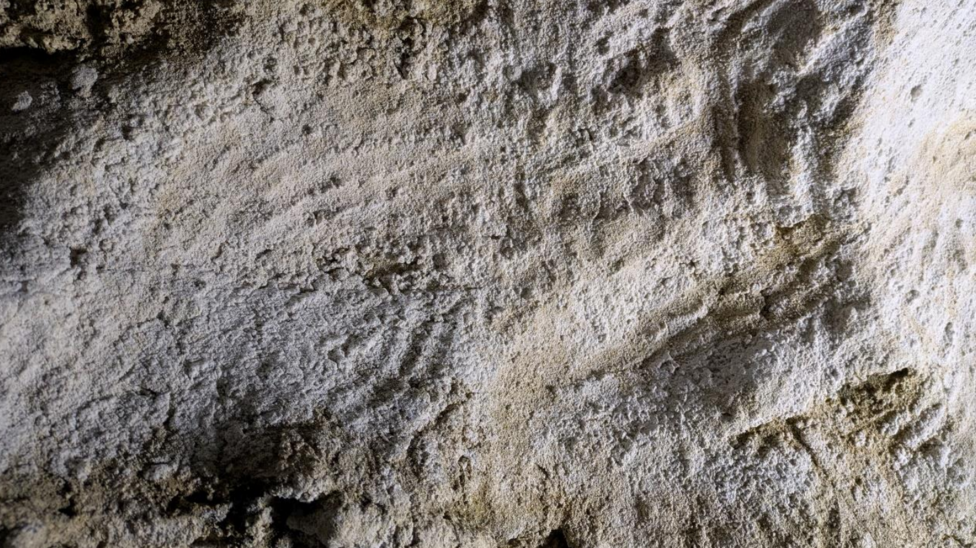
The discovered rock art encompasses engravings on cave walls, paintings created with ochre and charcoal, and line sketches indented into clay and earth by fingertips. These works represent a progression in artistic technique and sophistication that mirrors developments observed in south Wales over more than 20,000 years.
According to Nash, modern-day south Wales was settled between 35,000 and 40,000 years ago by early modern humans who had crossed dried-up land bridges from southern England, France and Spain. Over two millennia, their artistic expression evolved from primitive line drawings—possibly early tally charts—to more figurative and representative depictions of their environment. The Irish cave art discovered by the Lost Land Bridge Project represents yet another stage in this artistic progression.
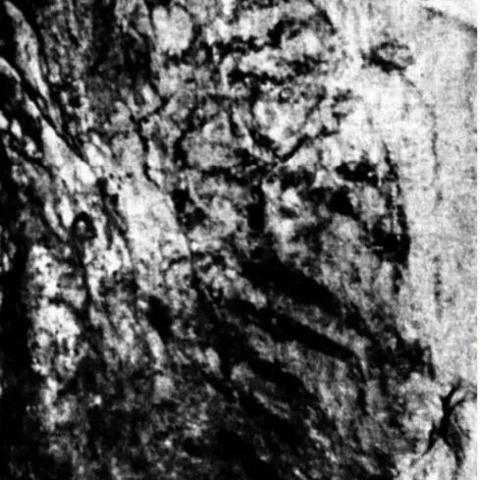
Recent scientific analysis has strengthened the dating of early cave art in Wales itself. National Trust Cymru confirmed that red horizontal bands in Bacon Hole, on the Gower Peninsula, were made by human fingers, dots and splashes and dated to 17,100 years ago, making them among the oldest known rock art in Britain. This discovery provides important context for understanding the artistic traditions that may have influenced the Irish cave art.
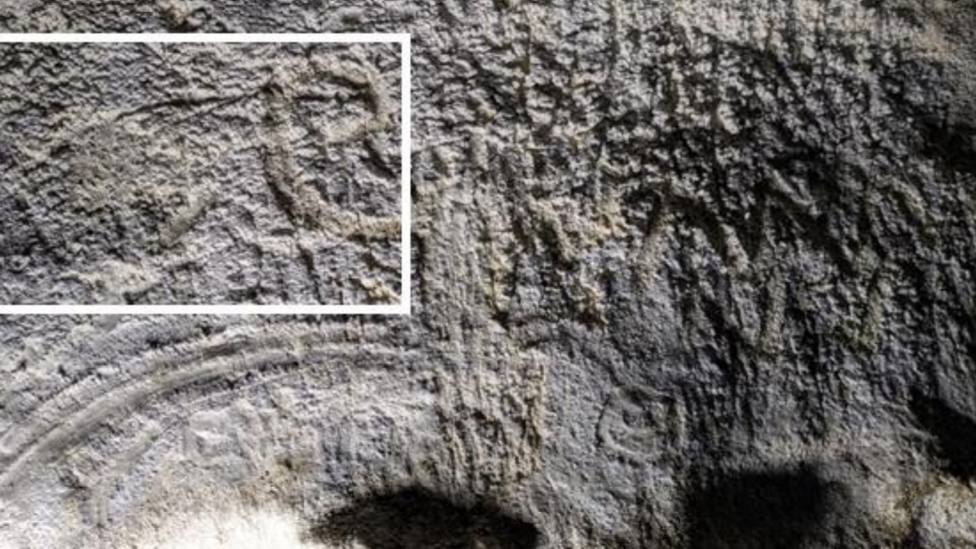
The rock art includes what researchers interpret as early human children's initiation into interpretive rock art—flutings created by three or four fingers gouged into soft layers of cave walls, likely not intended to be permanent at the time they were made.
Why would humans have migrated westward?
Nash proposes that population growth in south Wales created pressure for human groups to expand westward and northward. The Gower Peninsula alone contained approximately 100 human-inhabited caves during this period, at a time when technology for constructing free-standing dwellings had not yet developed. Caves offered significant advantages: their interior temperatures remained between 10°C and 15°C year-round, making them habitable when exterior conditions reached -20°C. With bearskin coverings and fires at cave entrances—which also deterred predators—these shelters provided relatively comfortable living conditions.
Competition for these limited cave spaces would have been intense. As family networks expanded and knowledge of animal migration routes improved, human groups became increasingly bold in their movements. This combination of factors likely motivated the crossing of the land bridge into Ireland.
What remains to be discovered?
The Lost Land Bridge Project team believes substantial potential exists for additional discoveries. Nash notes that it would be illogical to assume early humans simply bypassed the counties of Wexford, Waterford and Cork to settle further west.
"There must be more, and even earlier places which are just waiting for us to find them. This project is now pushing the boundaries of what we consider to be the final vestiges of a north-west European frontier. It's all very exciting."
The current findings represent a significant revision to the archaeological understanding of human settlement in Ireland. Prior to this discovery, the earliest documented evidence of human presence in Ireland came from Mount Sandel, dated to around 8,000 years ago. A 2016 discovery of a butchered bear bone from Gwendoline Cave had already pushed this timeline back to 12,500 years ago, but the newly identified cave art extends human occupation in Ireland back by several millennia further.
Key Facts
- Eight cave sites in south-west Ireland contain rock art dated to at least 15,000 years ago, approximately 5,000 years earlier than previously documented human evidence in Ireland
- A land bridge between Wales and Ireland existed during the last Ice Age when sea levels were significantly lower, creating a viable migration route for hunter-gatherer populations
- Computer algorithms trained on south Welsh cave characteristics identified 28 potential sites in Ireland, of which eight were confirmed to contain ancient rock art
- Recent analysis confirmed that Bacon Hole Cave in Wales contains human-made rock art dating to 17,100 years ago, representing some of Britain's oldest known cave art
- The artistic techniques found in Irish caves reflect a progression from primitive line drawings to more sophisticated figurative representations, mirroring developments observed in Welsh cave art over thousands of years