
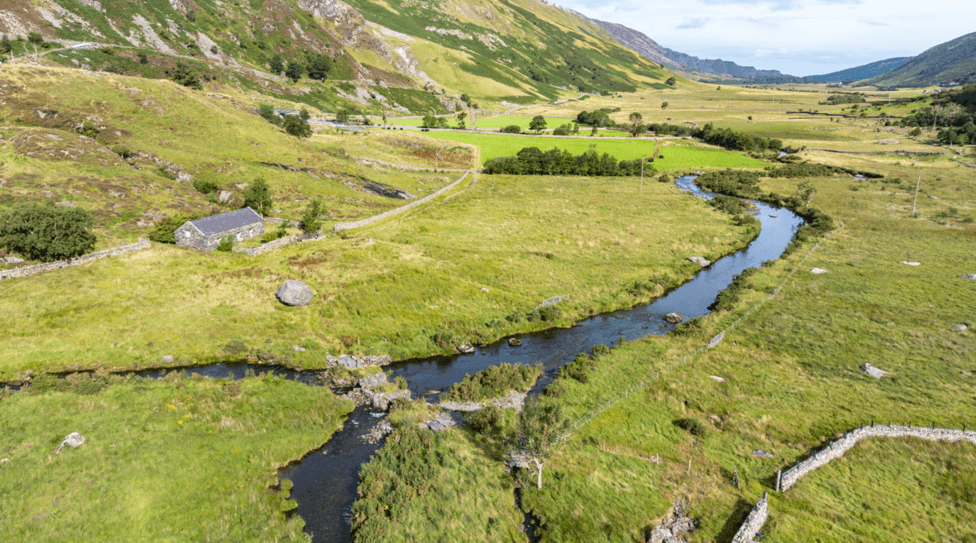
Several of Wales' most endangered species are "at risk of vanishing" from Nant Ffrancon, a valley within Eryri National Park, according to conservation experts. The National Trust has warned that the area is experiencing "serious ecological decline," with populations of species including the mountain blackbird, mountain finch and ring ouzel bird in severe jeopardy. A major restoration initiative launched on 7 September 2026 aims to reverse this decline across more than 4,000 acres of habitats.
Nant Ffrancon stretches from the high peaks of Cwm Idwal to the deep valleys of Dyffryn Ogwen, forming one of Wales' most distinctive and ecologically valuable landscapes. However, habitat deterioration has placed numerous threatened species on the brink of extinction.
"We're in a very serious situation - we're in a nature emergency. There are so many species in this valley which are on the brink of extinction,"said Simon Rogers from the National Trust.
The project, known as #NNF5 Natur i Bobl Nant Ffrancon, will operate through early 2029 and involves collaboration between the National Trust, local communities, tenant farmers and volunteers. The initiative will focus on restoring and protecting 1,635 hectares (4,040 acres) of habitats across the valley, with funding of nearly £1m from the Nature Networks Fund, delivered by the Heritage Fund on behalf of the Welsh government and in partnership with Natural Resources Wales.
Which species are most at risk?
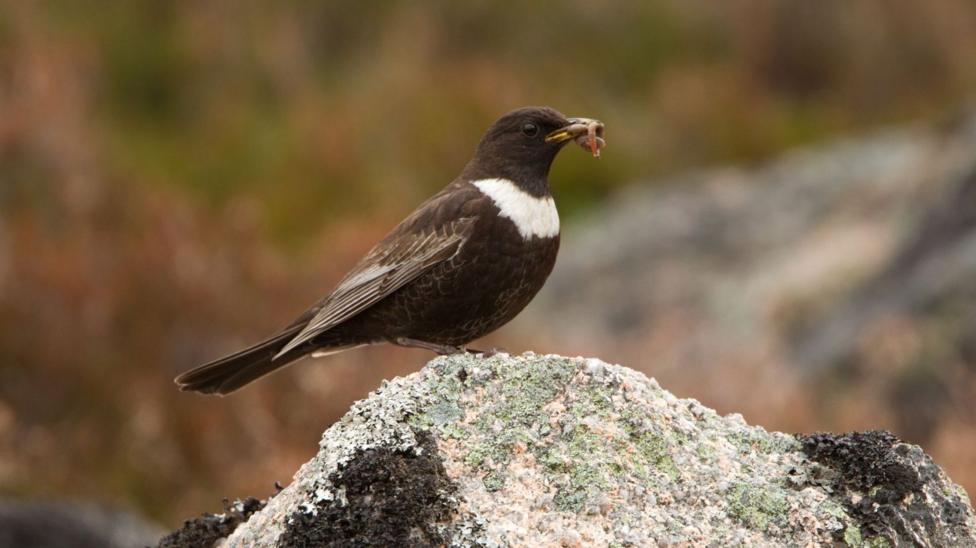
The ring ouzel bird represents one of the project's primary conservation targets.
"One of the ones we've chosen to look at particularly in this project is the ring ouzel, a bird that's red-listed,"Rogers explained.
"It's been in decline massively in the area and across the whole country, and this is one of the last strongholds for it."The team will study how these birds use the landscape and manage the land to ensure their long-term survival.
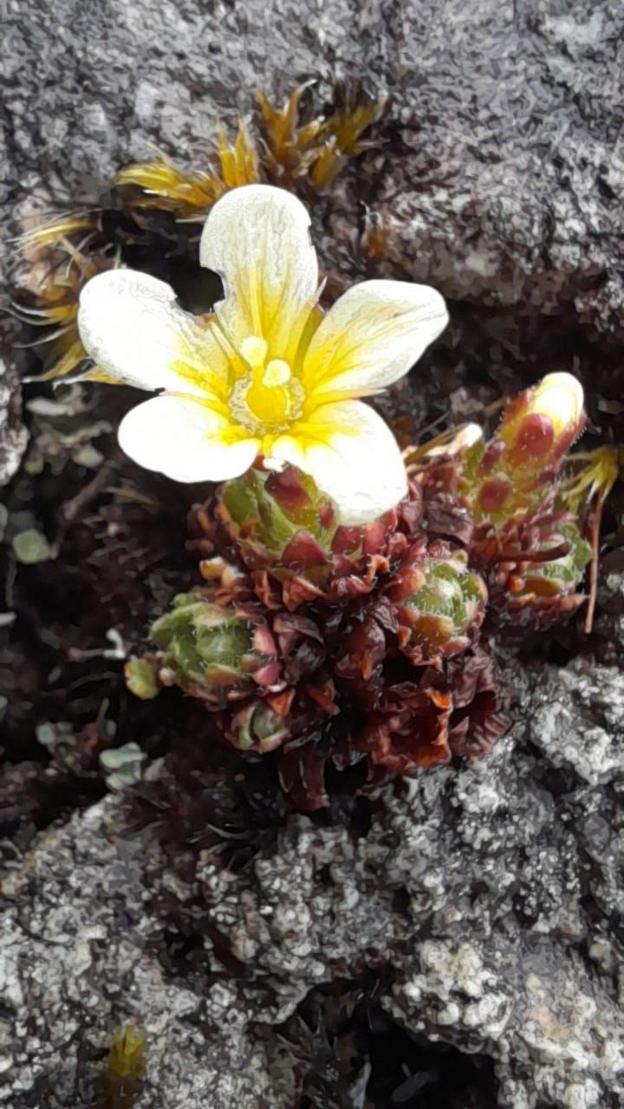
Alpine plants face equally dire circumstances. The Tufted Saxifrage, a rare arctic alpine flower found in Cwm Idwal, exemplifies the crisis.
"There are a lot arctic alpine flowers that grow in Cwm Idwal as well, one of them being the Tufted Saxifrage, where there were only seven individuals at the start of the year - all of them growing here in Cwm Idwal. But with the drought we've had this year, only three have made it through the summer. That's three through the whole of Wales, so they're at a very real risk of extinction if we don't do something about it."
Rogers emphasised the valley's ecological importance.
"There is a 'unique variety of habitats' in the area"and many species "really are on the brink." The National Trust identifies grazing, upland bog, montane heath, rivers and wildflower grasslands as among the habitats targeted in the restoration work.
How will the restoration work be monitored?
Ecological surveys and continuous monitoring will track the impact of restoration efforts, using indicator species such as the woodcock and otter, alongside plants including aspen and juniper, to assess the overall health of the valley. This data-driven approach will ensure that conservation activities deliver measurable results.

The project will employ innovative GPS livestock collars to manage grazing with greater precision. Cwm Idwal Partnership Officer Rhys Wheldon-Roberts explained the technology's benefits.
"Monitoring was 'really important because it allows us to graze in the right areas at the right densities and at the right time'."
"The collars on the cattle allow us to move the cattle around the landscape and you can monitor it as you go, and the farmers can see that data live on their apps. It can make grazing something much more effective for the cattle and for nature."
What role will communities play?
Community involvement and volunteering form a central pillar of the restoration strategy. Wheldon-Roberts outlined the opportunities available.
"There are opportunities for people to get involved in monitoring, in volunteering, just learning about the landscape in general,"he said.
"Here in Cwm Idwal we have lots of school visits every year and they'll be able to see the effects of the project and the effect that the cattle are having in that conservation grazing way, so it's really exciting in that regard as well."
"By bringing people along with us they get a chance to learn and hopefully appreciate, and ultimately try to protect this special landscape that we've got around us."This educational dimension aims to build long-term public support for landscape conservation.
How does this fit into broader conservation efforts?
The Nant Ffrancon project complements existing conservation work in the region. A separate initiative, Tlysau Mynydd Eryri (Mountain Jewels of Eryri), forms part of a conservation partnership led by Plantlife Cymru to protect the future of some of Wales' rarest alpine plants. Additionally, peatland restoration work had already restored 65 hectares of degraded peatland under a Welsh Government-funded programme led by RSPB Cymru, National Trust Cymru and Eryri National Park.
The valley project contributes to the National Trust's wider ambitions. The restoration area of 1,635 hectares directly supports the organisation's goal to create 250,000 hectares of nature-rich landscapes over the next decade.
What happens next?
The restoration project will run through early 2029, with work beginning on 8 September 2026. A public community day is scheduled for 3 October 2026 at Blaen y Nant farm, offering residents their first opportunity to engage with the initiative.
Rogers outlined the project's long-term vision.
"What we're trying to do with this project is set a foundation for the future. Some things will change in the next three years, but what we're doing is setting ourselves up so that recovery can continue for decades afterwards."
Key Facts
- The #NNF5 Natur i Bobl Nant Ffrancon project covers 1,635 hectares and is funded by nearly £1m from the Nature Networks Fund
- Only three Tufted Saxifrage plants survived the 2026 summer drought in the entire country, all in Cwm Idwal
- The ring ouzel bird, red-listed across the UK, has one of its last strongholds in the valley
- GPS livestock collars will enable farmers to monitor and adjust grazing patterns in real-time to benefit both cattle and wildlife
- The project runs until early 2029, with a community launch event scheduled for 3 October 2026


