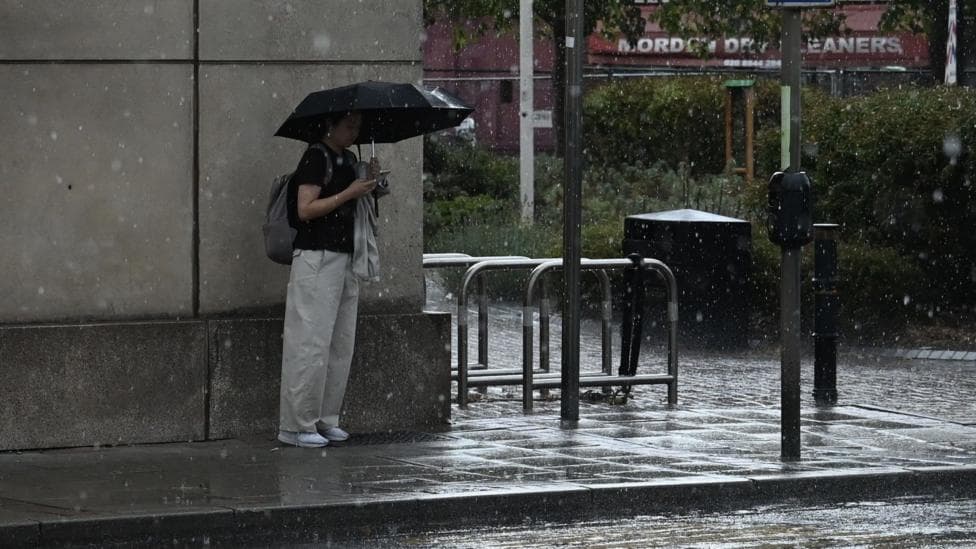
Despite the heaviest rainfall in nearly seven months, drought conditions remain across all of Wales and most of England, with temporary hosepipe bans staying in force across affected water company areas. Between 28 August and 3 September, the Environment Agency recorded rainfall ranging from 26mm in south-east England to 48mm in central England—the most substantial weekly precipitation since early February. Yet the National Drought Group cautioned that water storage levels at most reservoirs have continued to decline, indicating that isolated wet spells cannot reverse entrenched drought without sustained, prolonged rainfall.
Water companies are maintaining their temporary use restrictions despite the recent downpour and reduced demand caused by cooler autumn conditions. According to the UK government's drought report for the period, the Environment Agency has made no change to its drought status, with 10 areas still classified as drought-affected and temporary use bans continuing across large parts of England, including Kent and South London. Approximately 30 million people across parts of England and Wales are covered by hosepipe bans.
A significant development emerged on 4 September when Dŵr Cymru Welsh Water fully lifted its temporary hosepipe ban after improved treated water storage levels in Mid and South Ceredigion, marking the first relief from restrictions in the region. However, this remains an exception rather than a widespread trend, as water companies continue to submit requests for additional drought powers, including drought permits and orders.
How severe are current reservoir levels?
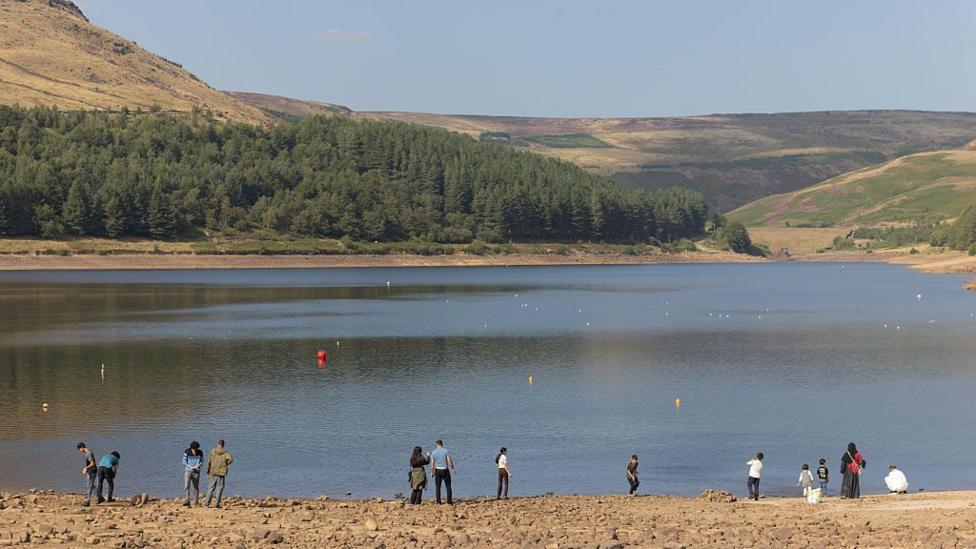
Some reservoirs have reached critically low levels. The Environment Agency has identified certain water bodies, such as Dove Stone in Saddleworth, Greater Manchester, as being "exceptionally low." The Environment Agency has stated that "further significant rainfall is needed" to return water storage to normal conditions, and isolated weekly downpours are insufficient to reverse the broader pattern of depletion.
This year's drought crisis follows England's driest spring and hottest June on record, which triggered drought declarations and escalating hosepipe restrictions throughout the summer. Wessex Water, which serves approximately 1.4 million customers, implemented its first hosepipe ban since the summer of 1976, underscoring the severity of current conditions.

What rainfall patterns have emerged in early September?
Rainfall distribution across the UK in the first week of September has been highly uneven. Scotland has experienced notably wetter conditions, with some locations already recording half the average September rainfall within the first seven days of the month. Prestwick in South Ayrshire, for example, received 47mm compared to the monthly average of 79mm—equivalent to 59% of typical September precipitation.
By contrast, southern England and south Wales have remained largely dry. Locations in East Sussex, Buckinghamshire and the Isle of Wight recorded less than one millimetre of rain, representing just 1% of the average September rainfall for those areas. This stark regional variation means that while some parts of the country have benefited from autumn moisture, drought-affected southern regions continue to experience dry conditions.
What weather is forecast for the coming days?
Rain and showers are expected to spread across the UK on Tuesday, accompanied by strong winds across Scotland, Northern Ireland and northern England. Parts of the Midlands and eastern England could receive a few millimetres, with up to around 15mm anticipated in southern counties of England. Showers will continue moving across Scotland, Northern Ireland and northern England alongside blustery conditions, with gales expected in western Scotland and widespread wind impacts extending into eastern areas of England by Wednesday.
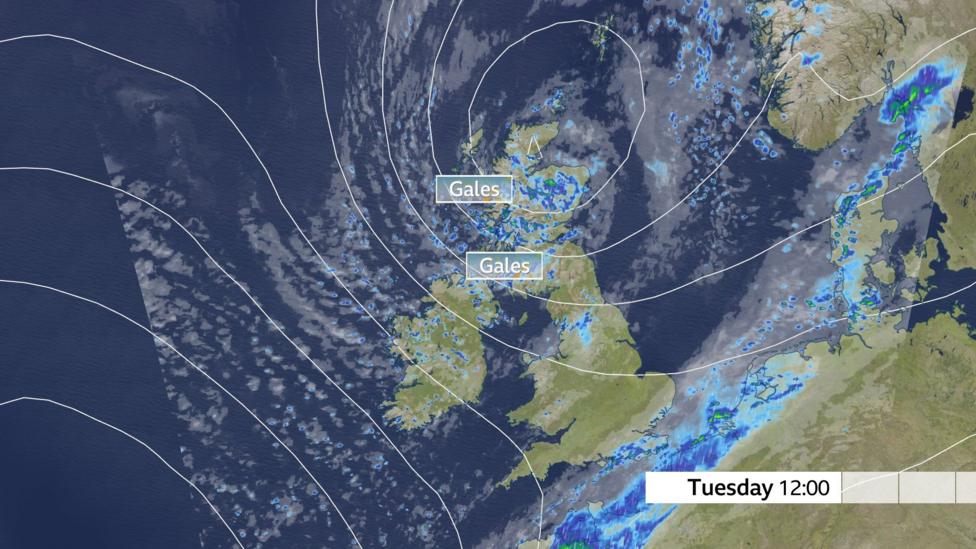
Temperatures this week are forecast to remain around the early September average of 17 to 21 degrees Celsius, with a slight warming trend possible later in the week as temperatures in the south-east could reach the mid-20s Celsius. However, the long-range forecast presents a concerning outlook: there is currently no indication of significant rainfall across England and Wales for at least the next month, meaning drought-alleviating precipitation remains unlikely in the near term.
What happens next?
The Environment Agency's weekly drought reports continue to track conditions, with the latest update covering 28 August to 3 September issued on 4 September 2026. Water companies will continue monitoring reservoir levels and may request additional drought management powers as conditions develop. In Ireland, a separate water conservation order affecting 13 counties is scheduled to remain in force until 30 September 2026, reflecting drought pressures across the wider region.
Key Facts:
- Between 28 August and 3 September, rainfall ranged from 26mm to 48mm across different regions—the heaviest week since early February
- All of Wales and most of England remain in drought despite recent rainfall; 10 water company areas still have temporary hosepipe bans in place
- Welsh Water lifted its ban on 4 September after improved water storage in Mid and South Ceredigion, but restrictions continue elsewhere
- Approximately 30 million people across England and Wales are affected by hosepipe bans
- The long-range forecast shows no significant rainfall expected for at least one month, meaning sustained drought conditions are likely to persist