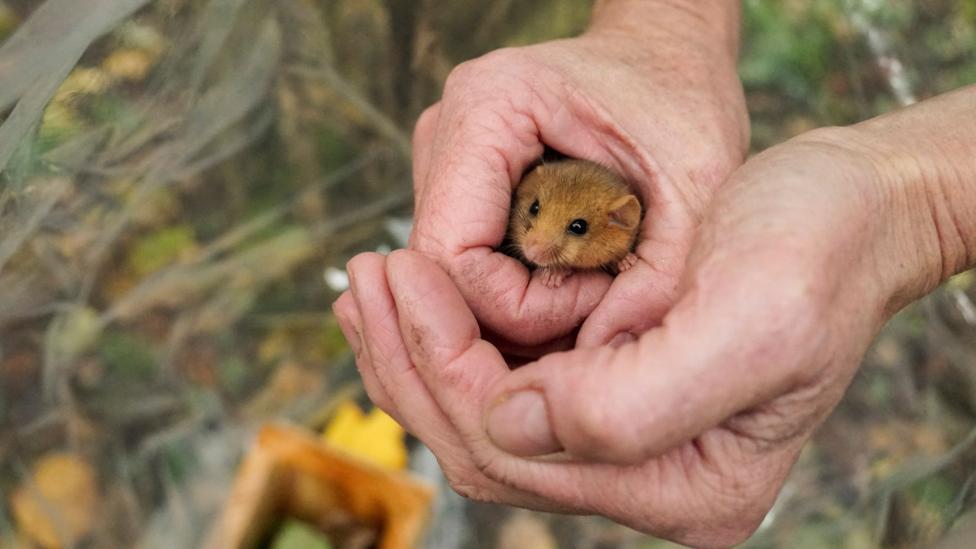
Hazel dormice across the South West are entering hibernation in the coming weeks, but at Killerton National Trust in Devon, the species is bucking a troubling national trend. According to BBC News, habitat restoration work and a dedicated monitoring scheme have enabled the animals to flourish at the estate, even as populations have collapsed elsewhere in the UK.
The Killerton estate maintains 100 nest boxes across its grounds, where rangers weigh and record details of each dormouse between April and October. The National Trust has reported that the animals "continue to thrive" in the area—evidence that the organisation is "doing something right" by establishing a "healthy, diverse and well-connected habitat for wildlife."
This success stands in sharp contrast to the broader picture. The People's Trust for Endangered Species has documented that dormouse populations have fallen by more than two-thirds across the UK since 2000, with habitat fragmentation identified as the primary driver of decline.
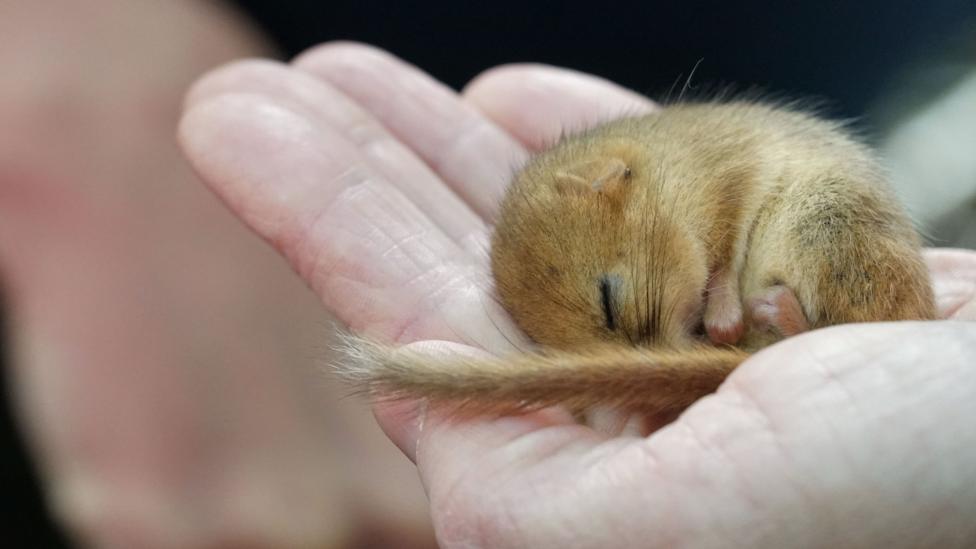
The mice begin hibernation when temperatures fall below approximately 10°C (50°F). The trust is hopeful that the mammals, which typically weigh between 20g and 40g, will have accumulated sufficient body mass to survive the winter months ahead.
What makes Killerton's dormice population stable?
Fi Hailstone, senior ranger for the National Trust at Killerton, attributes the estate's success to deliberate ecosystem management.
When we have warmer weather, it wakes them up and when we have wet springs, that affects their ability to forage when they do wake up. So having a resilient ecosystem with lots of shelter for them, lots of scrub, lots of things for them to eat is important.
Bramble, often viewed as a nuisance by gardeners, plays a crucial role in the dormice's survival.
They love bramble, and I know that bramble has a bit of a bad reputation with a lot of gardeners. But bramble is the life source, really. It has flowers in the spring, it has berries on it. It's also protective in terms of cover from other predators, so it's a really great place for them to nest.
When not hibernating, dormice are shy and nocturnal creatures, making them difficult to observe in the wild. Hailstone noted that Devon holds particular significance for dormouse conservation.
We've been monitoring our dormouse population at Killerton since 2018, and during that time, we've noticed that they are fairly stable, which does buck national trends.He attributed this to the region's extensive hedge network, which provides essential corridors for movement and foraging.
How is the dormouse population expanding at Killerton?
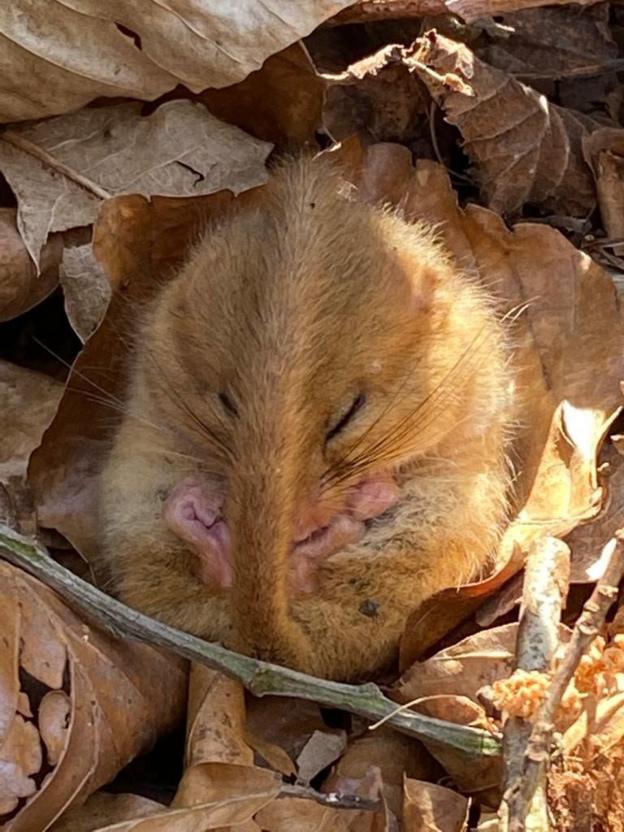
Rangers have documented dormice appearing in new areas across the estate, suggesting the population is spreading.
We are finding them in new areas which indicates them spreading across the estate. We think this is because we're planting a lot more hedges, a lot more trees.However, Hailstone cautioned that the benefits of new woodland planting will take decades to materialise.
We might be planting lots of woodland now, which is great, but we won't see the effects of that for dormice for another 100 or so years. It's really important to manage the woodlands that we already have in a positive way.
What is happening elsewhere in the UK's dormouse recovery?
Killerton's achievements are part of a broader national effort to reverse dormouse decline. The People's Trust for Endangered Species reported that in June 2026, more than 40 hazel dormice were released at Bradgate Park in Leicestershire, following an earlier release of 21 animals in 2025. Monitoring at Bradgate Park recorded 46 dormouse nests in October 2025, with 11 young documented in August and 15 in September, indicating successful breeding in reintroduced populations.
The reintroduction programme itself has a long history. The People's Trust for Endangered Species began its national reintroduction initiative in 1993, releasing 1,163 dormice into 27 woodlands across 14 counties since then. Recent monitoring data offers encouragement: the organisation's analysis of 2024–25 monitoring estimated that 31% of dormice died over winter, among the best overwinter survival rates recorded since 1990–91 and 1994–95.
These successes at Killerton and elsewhere demonstrate that dormouse populations can recover with sustained habitat management and targeted conservation effort. The species' reliance on interconnected hedgerows and scrubland means that landscape-scale restoration projects are essential to their long-term survival.
What should you do if you find a dormouse?
Members of the public who encounter a dormouse during winter months are advised not to handle the animal. Instead, they should contact the RSPCA or a local animal shelter to ensure the creature receives appropriate care.
What happens next?
The 5th Hazel Dormouse Conference is scheduled for 14 November 2026 at the University of Reading, bringing together researchers and conservationists to share findings on dormouse ecology and recovery strategies.