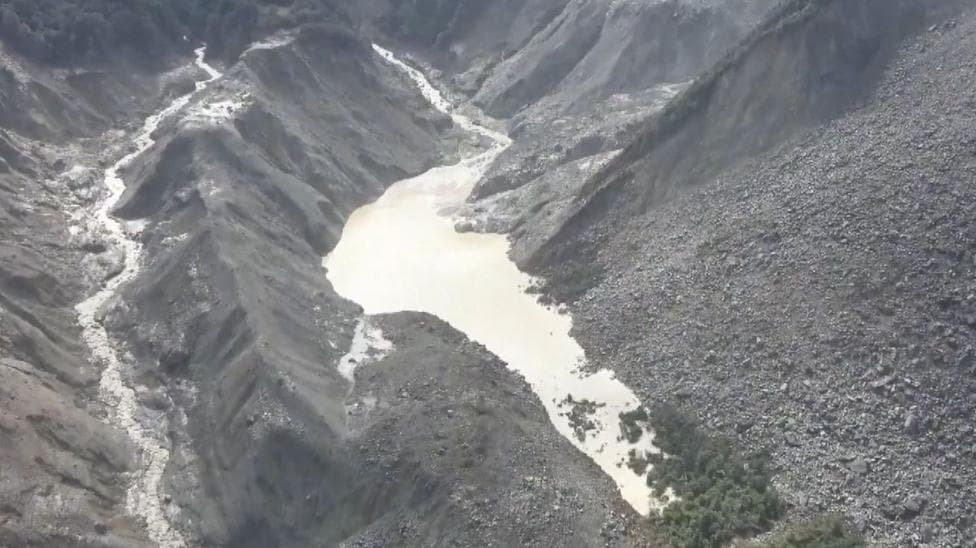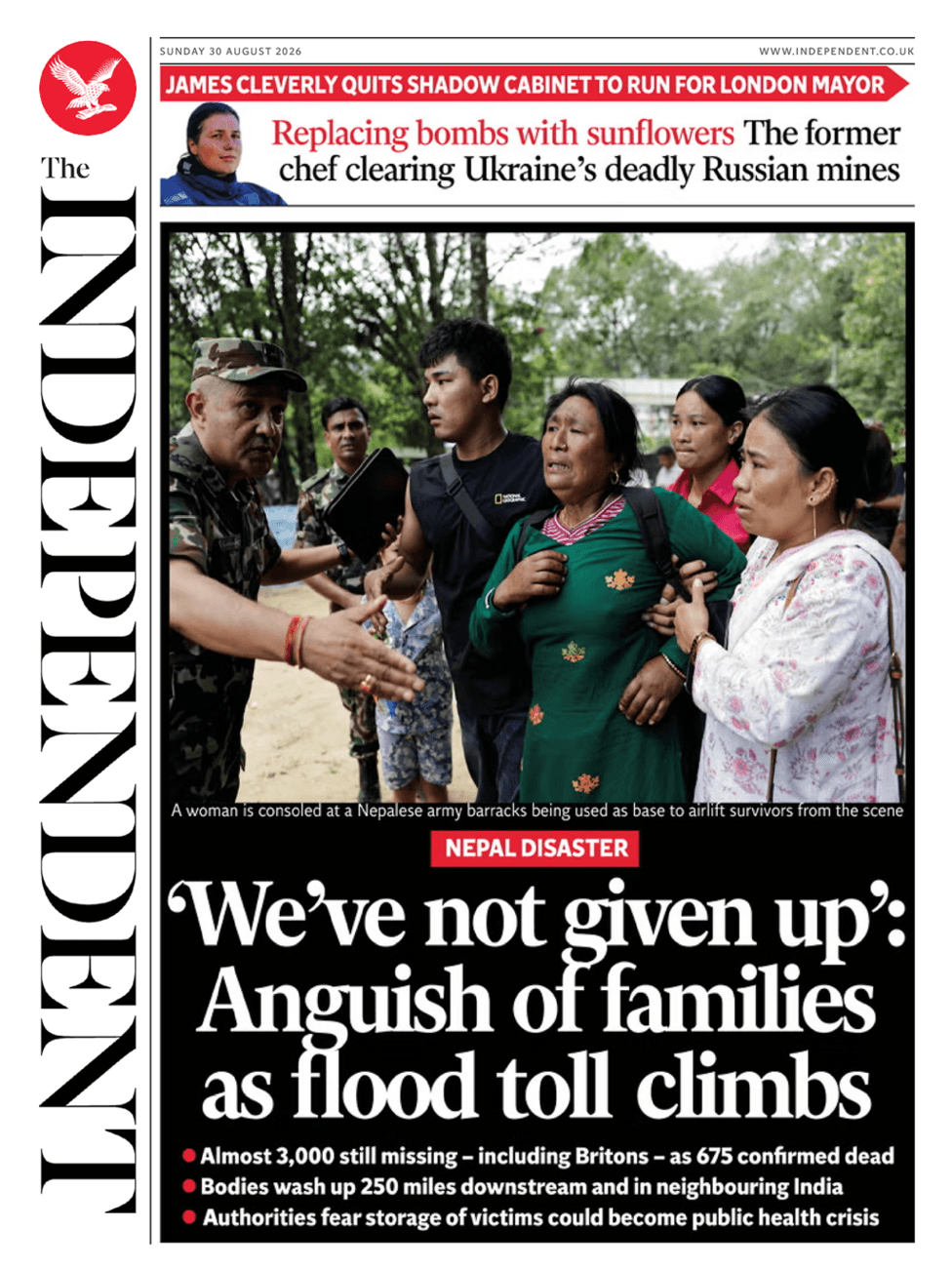
Rescue operations continued into their fifth day on the Nepal-Tibet border following a catastrophic flash flood that has claimed hundreds of lives and left thousands unaccounted for. According to , the death toll has risen to more than 600, with nearly 1,000 people reported missing across the disaster zone. Chinese state media indicated that 558 individuals remain missing in Gyirong County in Tibet alone, including 260 foreign nationals, underscoring the scale of the catastrophe affecting both sides of the border.
What triggered the disaster?
The flood was set in motion by a landslide of ice and rock approximately 20 kilometres northeast of the Nepal-China Rasuwagadhi border crossing, according to satellite analysis. The initial collapse unleashed a torrent of water and debris that swept through a critical river corridor connecting Kathmandu with Lhasa, a heavily trafficked route used by trekkers, pilgrims, and serving multiple infrastructure projects including roads and power installations.
How many have been confirmed dead?
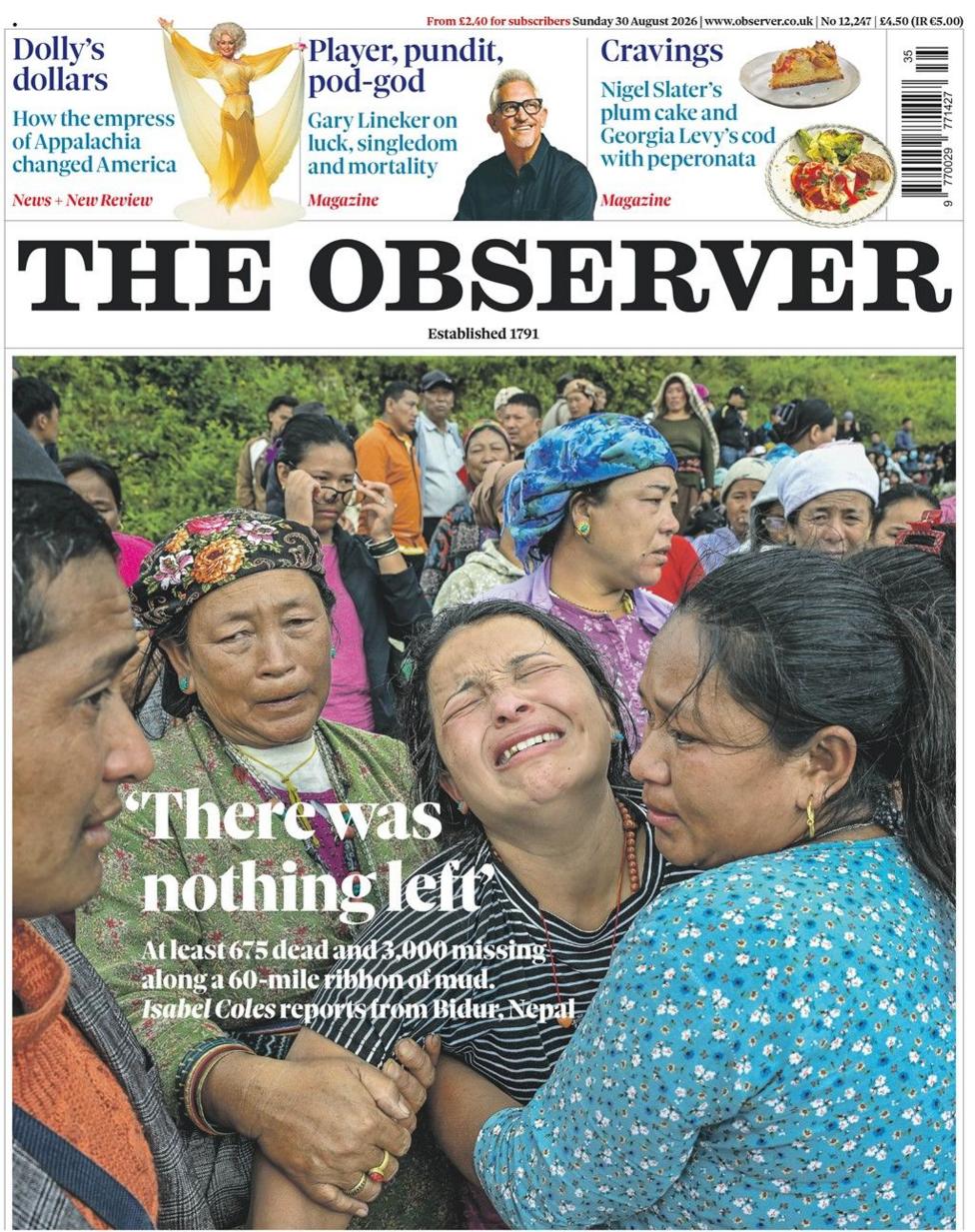
Casualty figures have climbed steadily as recovery efforts progress. Nepal police had recovered 157 bodies by Wednesday evening, with the toll subsequently rising further as search teams accessed more remote areas. The death toll in Tibet has reached seven according to later coverage, though the missing count in that region remains substantially higher. The disaster has devastated communities along what observers describe as a 60-mile ribbon of destruction, with families desperately seeking information about missing relatives.
What risks remain?
Authorities have issued fresh warnings about potential secondary flooding as water continues to accumulate in nearby lakes formed by debris from the initial collapse, according to . Nepal and China have coordinated warnings about these pooling waters, which could trigger additional flooding in already devastated areas. Recovery operations are expected to continue for several days as teams work to locate the thousands still unaccounted for.
What are the main stories in this week's newspapers?
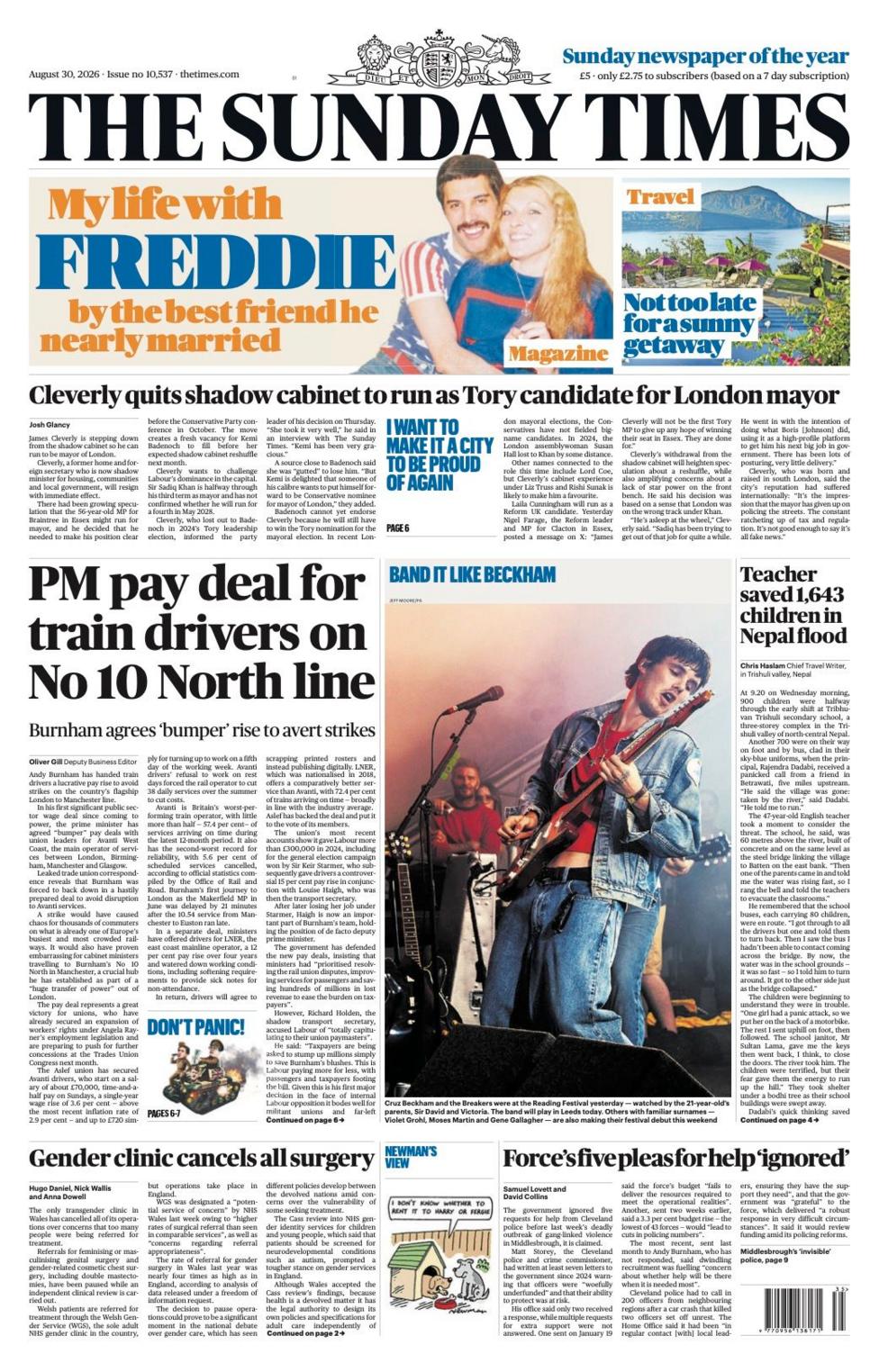
Beyond the Nepal-Tibet disaster, Sunday's newspapers carried several significant domestic and international stories. Prime Minister Andy Burnham has approved a substantial pay settlement for train drivers on the London to Manchester line, averting strike action on a route connecting the capital to the city where he previously served as mayor. The Avanti West Coast pay deal represents what the Sunday Times characterised as a generous agreement to maintain service continuity.

In international affairs, a senior advisor to Vladimir Putin has cautioned about a potential Russian
"hybrid attack"targeting a drone manufacturing facility in the United Kingdom, the Mail on Sunday reported. The warning reflects escalating tensions stemming from Britain's continued military and political support for Ukraine.

What fiscal measures is the Chancellor considering?
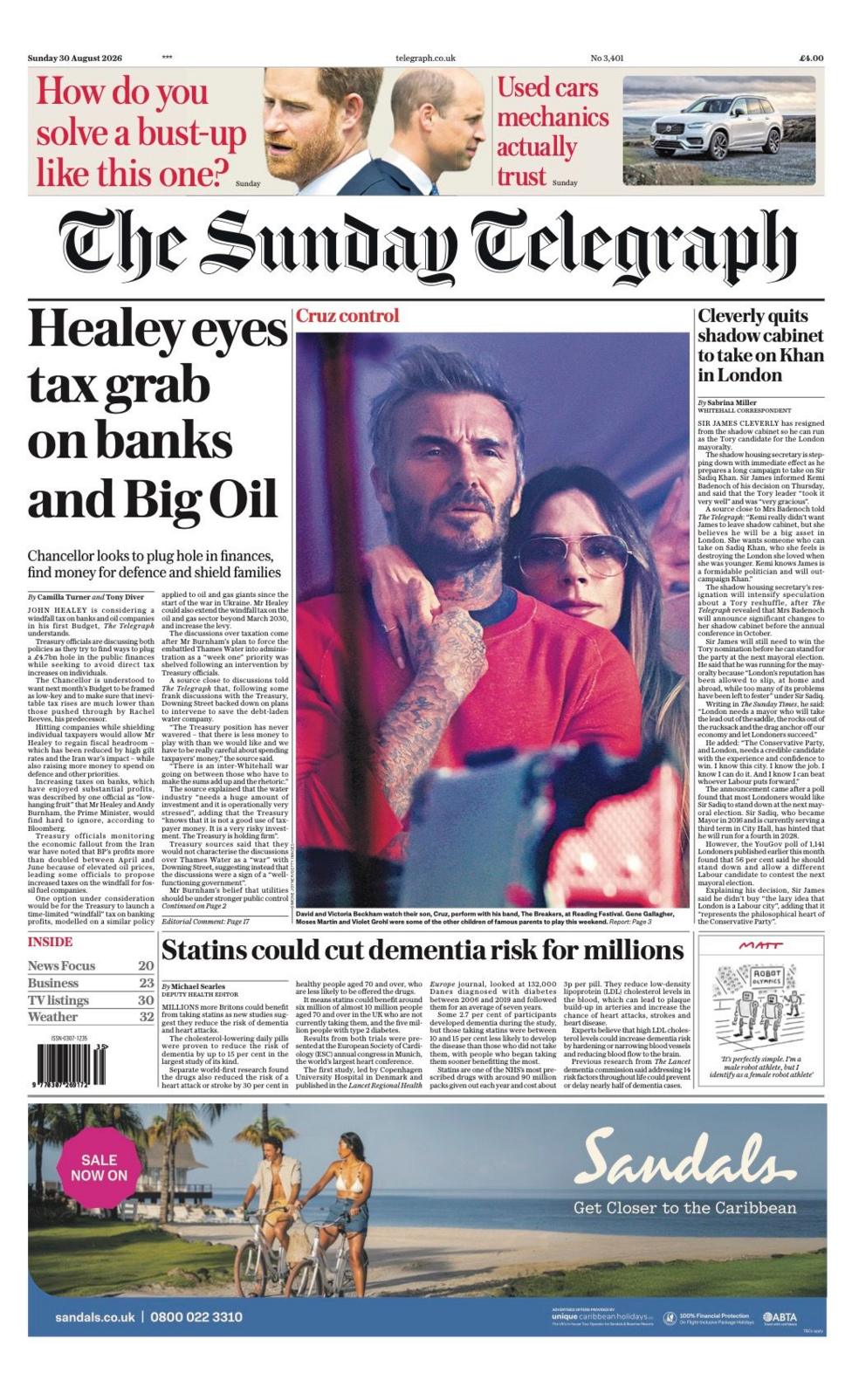
As Chancellor John Healey prepares his inaugural Budget, he is examining the possibility of imposing a windfall tax on banking and energy sector companies, according to the Sunday Telegraph. The measure would be designed to address shortfalls in public finances while shielding ordinary taxpayers from increases in direct taxation. The proposal reflects efforts to balance fiscal demands with political commitments to household finances.
What entertainment developments are planned?
ITV is reportedly in advanced discussions about reviving the X Factor, the singing competition format that last aired a UK series seven years ago. The Sun on Sunday indicated that the revival could feature Simon Cowell, who served as a judge during the show's original run. The potential comeback reflects broader industry interest in revisiting established entertainment franchises.

What health concerns are dominating headlines?
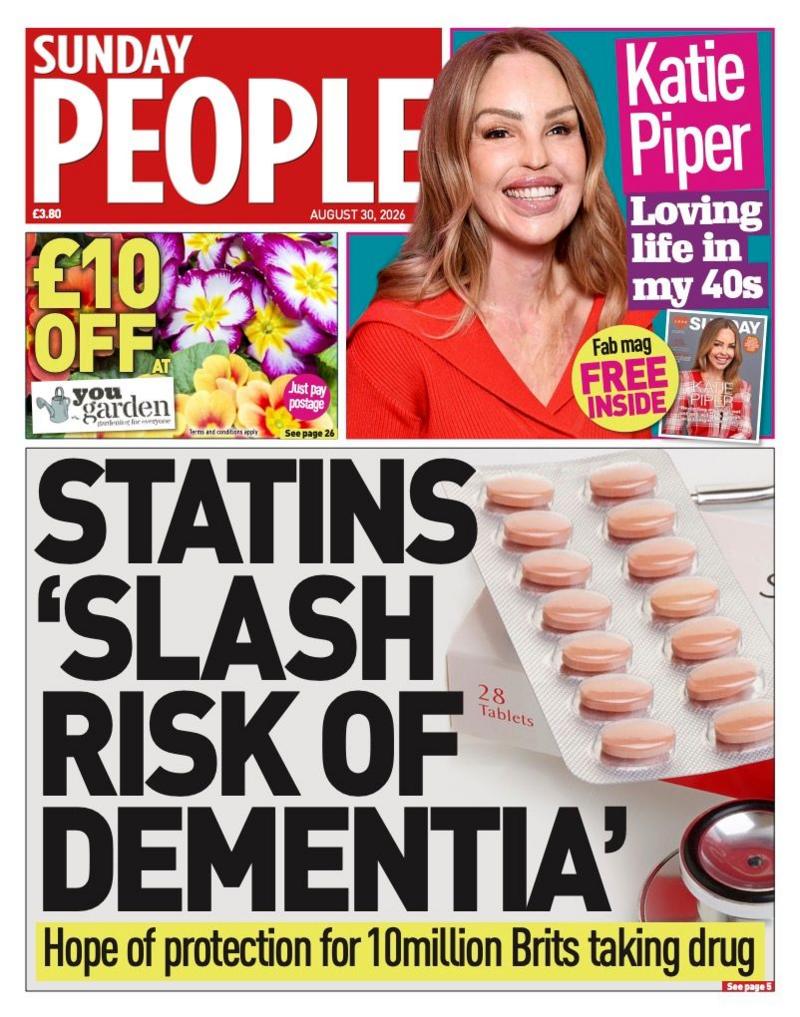
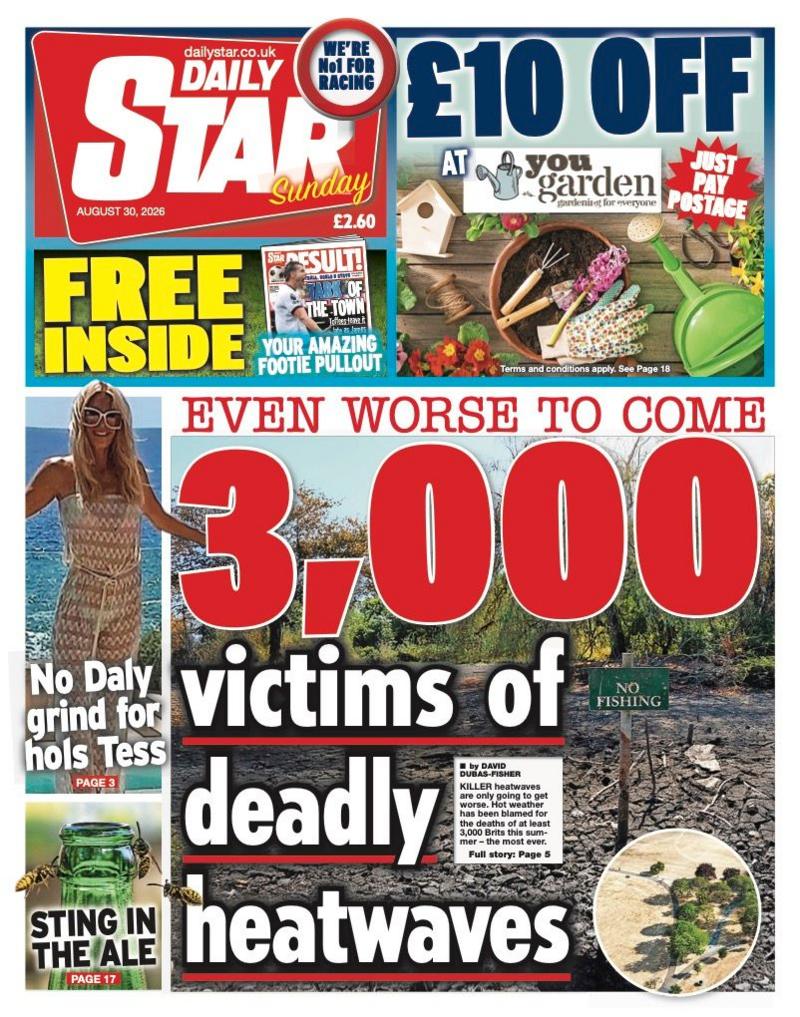
Summer heatwaves across the United Kingdom have been linked to at least 3,000 deaths, the Daily Star reported, with warnings that temperature extremes are likely to intensify in coming years. In more positive health news, the Sunday People highlighted research indicating that statins, a widely-used cholesterol medication taken by approximately 10 million Britons, may substantially reduce the risk of developing dementia. The findings offer potential benefits for millions of people currently using the drug.
What other policy matters are under scrutiny?
The Sunday Express reported that migrants residing in taxpayer-funded accommodation are receiving free condoms distributed by the National Health Service. NHS England confirmed that it provides contraceptives to
"asylum seekers living on the state as part of its usual services,"according to the paper's account. The disclosure has prompted discussion about resource allocation and public health priorities.

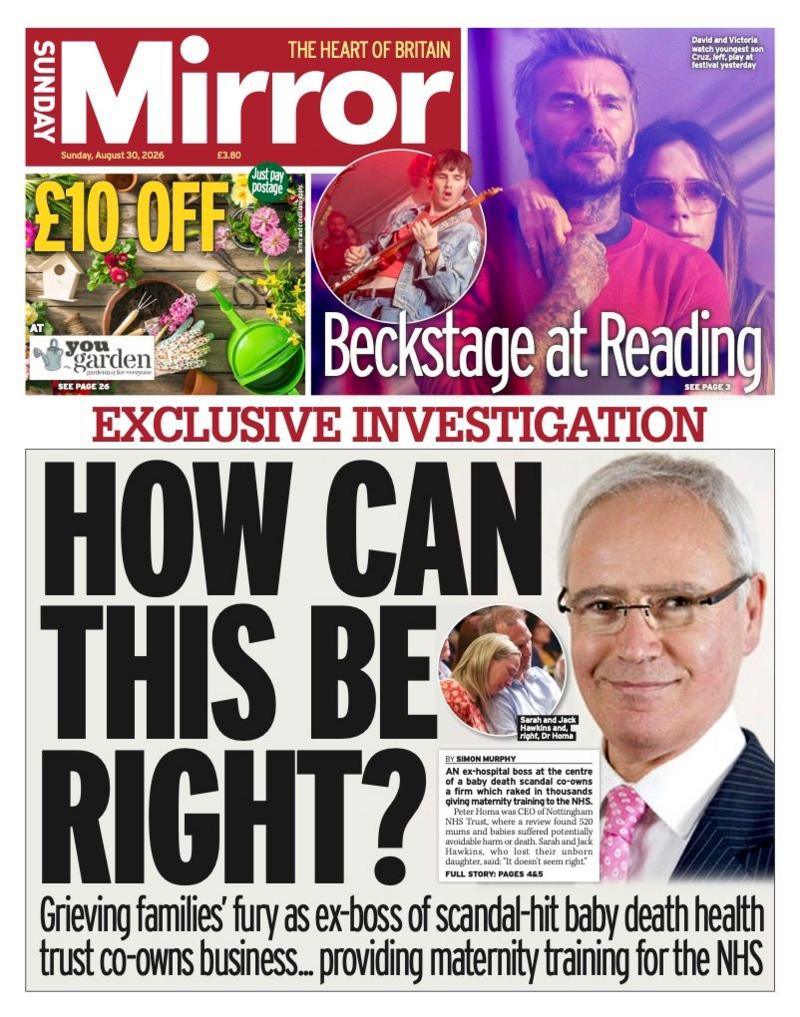
A separate controversy has emerged regarding the Nottingham NHS Trust maternity scandal. Grieving parents have expressed concern that the former chief executive at the centre of the crisis, Peter Homa, continues to co-own a company that provides maternity training services to the NHS. A comprehensive review of the trust identified 520 instances in which mothers and infants experienced potentially preventable harm or death. Parents have questioned the appropriateness of Homa's continued involvement in NHS maternity education while
"raking in thousands"through his business interests, according to the Sunday Mirror.