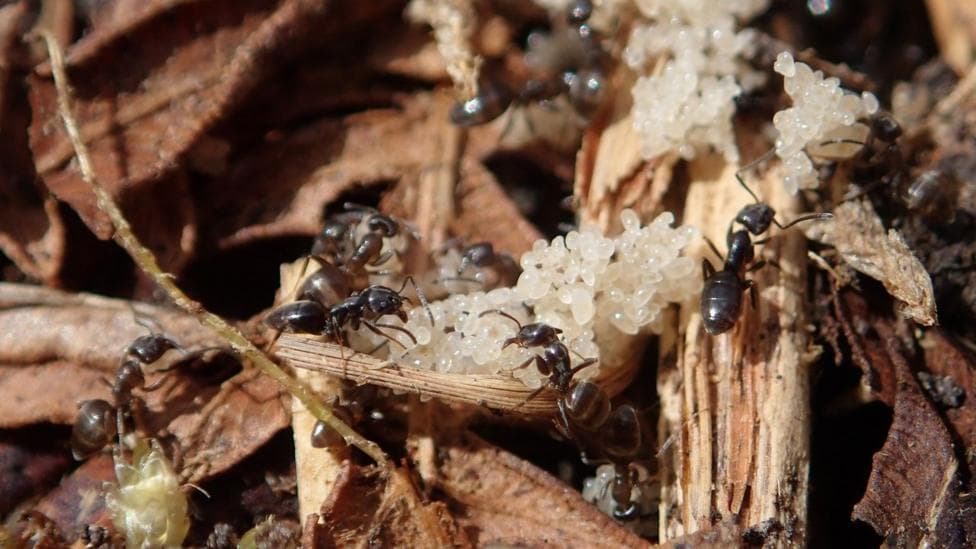
Two of the United Kingdom's rarest ant species are the focus of a new conservation initiative designed to expand their populations and secure their long-term survival in the wild.
Officials at Devon Wildlife Trust have announced plans to restore and expand the heathland habitats where the narrow-headed ant and erratic ant live, while also establishing new colonies at carefully selected nearby locations. The narrow-headed ant exists only at one English site—the trust's Chudleigh Knighton Heath nature reserve—while the nationally scarce erratic ant was recently identified at the charity's Bovey Heathfield nature reserve.
The three-year initiative, developed jointly by Devon Wildlife Trust and invertebrate conservation organisation Buglife, has received £212,000 in funding from the government's wildlife restoration campaign. According to Buglife's project documentation, the partnership's work is supported by Natural England and runs through March 2026.
Laura Krusin, a conservation officer at Buglife, explained the urgency of the work:
The narrow-headed ant is only found at one site in England and the erratic ant is also nationally scarce, putting these species' survival at risk.Both species have experienced significant population declines over the past 150 years, primarily due to the destruction and fragmentation of their heathland habitats.

How will the project restore these ant populations?
The initiative operates in three distinct phases: securing existing habitats where the ants currently live, creating suitable habitat at other reserves, and then monitoring both established and newly created colonies. Chris Moulton of Devon Wildlife Trust outlined the immediate priorities:
The first step would be to improve the heathland habitat in the nature reserves to secure the existing ant colonies.
The team has set an ambitious target to double the number of narrow-headed ant nests at Chudleigh Knighton Heath from approximately 200 to more than 400. Additional heathland reserves, including sites at Ideford Common and Teigngrace Meadow, will be developed to accommodate both ant species as part of the expansion strategy.
According to local reporting on the project, volunteers are actively involved in surveying, monitoring, and conducting further translocations across South Devon. This builds on earlier conservation work: the Back from the Brink initiative, which ran from 2017 to 2020, developed practical methods for nest translocation and established pioneer colonies at other locations, laying the groundwork for the current expanded effort.
What makes these ant species distinctive?
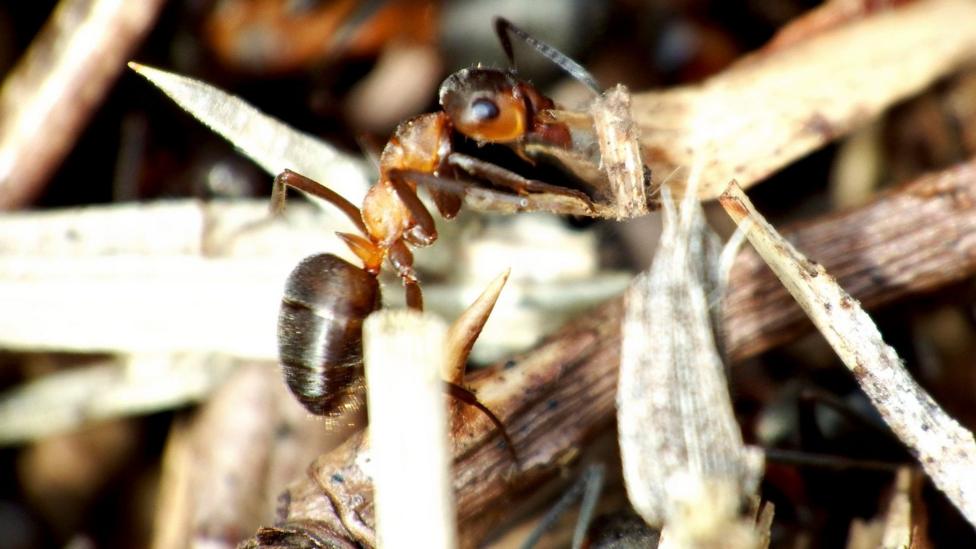
The narrow-headed ant, a wood ant species, derives its name from the distinctive
pinched-look of its head, according to Krusin. While found only at one English location, small populations also exist at a few sites in Scotland. The erratic ant earned its name from its unusual behaviour:
high-energy foraging behaviour which sees it scamper with meandering and unpredictable movements.
What happens next?
The Narrow-headed Ant Species Recovery Project is scheduled to continue through March 2026, with further translocations and ongoing monitoring planned for South Devon. Devon Wildlife Trust's initiative was formally launched in August 2026 and is now live on the organisation's website under the title Brighter future beckons for two of Devon's rarest ants.
Key Facts
- The narrow-headed ant population at Chudleigh Knighton Heath is targeted to increase from 200 to over 400 nests during the project period
- The erratic ant was recently discovered at Bovey Heathfield and is classified as nationally scarce across the UK
- Both species have declined by approximately 150 years due to heathland habitat loss and fragmentation
- The project involves three stages: habitat restoration, creation of new suitable sites, and long-term monitoring of colonies
- Volunteers from the local community are integral to surveying, monitoring, and translocation efforts across South Devon