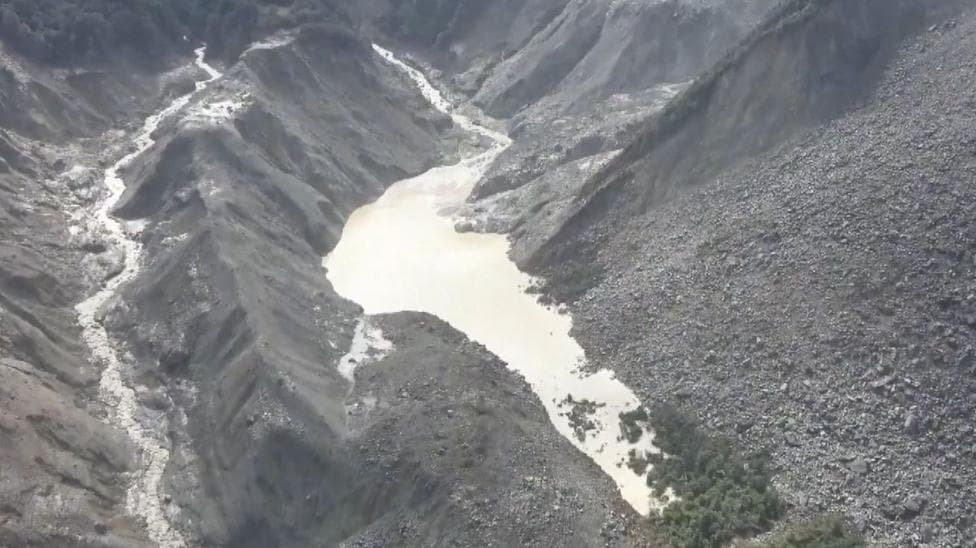
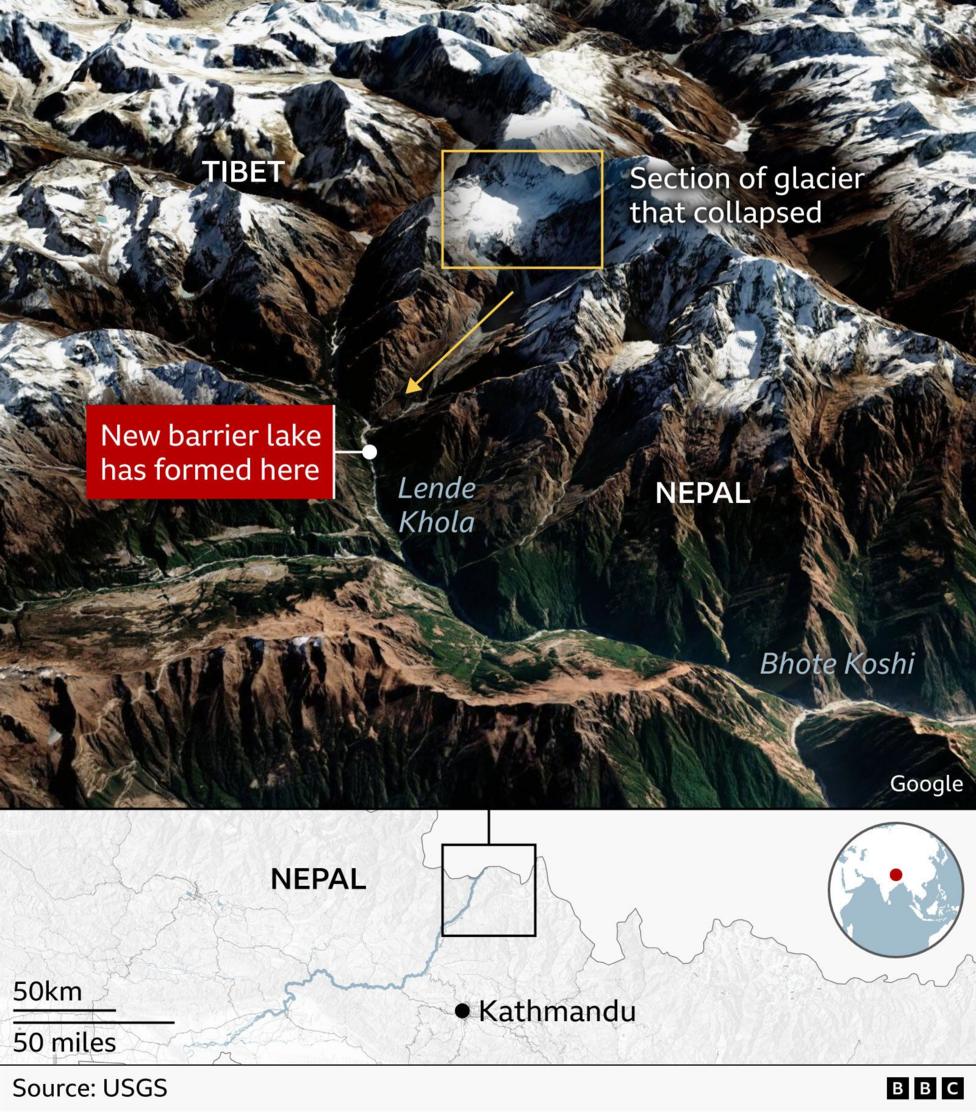
China has issued a formal warning that a barrier lake created by debris from a recent glacier collapse poses a "high risk" of breaching and triggering a second catastrophic flood downstream near the Nepal-Tibet border. The lake, which formed at the confluence of the Chhochen Khola and Purepu Tsangpo rivers following Wednesday's deadly flash flood, had accumulated an estimated 2.5 million cubic metres of water as of Friday, with authorities expecting an additional 3 million cubic metres to flow into it over the coming days.
The initial disaster on Wednesday killed at least 489 people in Nepal and five in China's Tibet region, with nearly 1,000 still missing across both countries, according to international news reports. Scientists have determined that the collapse of a mountain glacier into a river triggered the initial surge of water and debris that devastated communities in the border region.
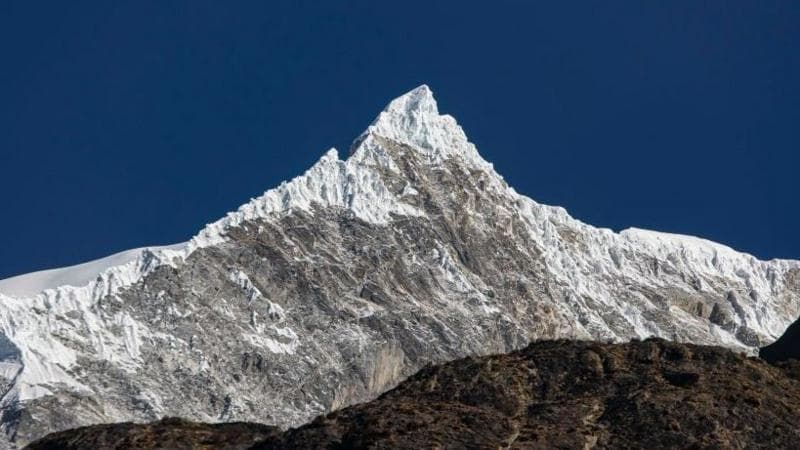
The barrier lake—a body of water formed when landslide debris dams a river—sits near the Langtang Lirung peak where the glacier is believed to have originated, several kilometres upstream from Gyirong Port, the major land crossing between Nepal and China that was struck by Wednesday's massive flood. On Friday morning, a Chinese military drone captured footage of an avalanche depositing an estimated 50,000 cubic metres of ice debris directly into the barrier lake, further raising concerns about its stability.
How did the lake begin to overflow?
The barrier lake began overflowing on Thursday, prompting Chinese authorities to issue evacuation warnings and suspend rescue operations. Emergency services halted at a village approximately 7 kilometres from Gyirong Port because the lake was "overflowing non-stop," creating immediate risk of fresh floods or debris flows downstream. By Friday afternoon, state media reported that the "risk from the upstream barrier lake had come under control," allowing rescue operations to resume, though the underlying threat remained.
According to reports from international news agencies, the lake was overflowing into the Bhotekoshi River, adding immediate flood risk to areas already devastated by the earlier flash flood. Nepalese authorities have warned people to stay away from the Bhote Koshi and Trishuli rivers until further notice due to the risk of blockages causing additional flooding.
What are the risks of a complete breach?
Experts assess that if the barrier lake breaches completely, the resulting flood would likely be less catastrophic than Wednesday's initial disaster because the lake is newly formed and relatively shallow. However, the consequences could still be severe. Jakob Steiner, a geoscientist with the University of Graz who specialises in glacial lake outburst floods in Nepal, explained that
"Not all the material on the mountain could have come down, it is still unstable, so there's a chance that something will drop."He warned that if additional material fell into the lake or further upstream,
"then we have a problem."

The water discharged from a breach could further undercut the valley's slopes and cause additional erosion, potentially triggering secondary landslides. Mohd Farooq Azam, a glacio-hydrologist with the International Centre for Integrated Mountain Development, cautioned that
"Authorities need to be very careful for the rescue and prepared for any secondary wave and post-disaster landslides as the valley walls have been scoured and much more vulnerable."
Chinese state media have reported that heavy rainfall and storms are forecast for the region in the coming days, raising concerns that additional precipitation could cause the lake to swell further. According to Chinese state media, peak flow from the extra water entering the lake is expected around September 1.
Can authorities prevent the lake from breaching?
Steiner indicated that it is technically possible to artificially drain the lake using excavators, but this option is not practical. He noted that
"there are no proper roads which would allow them to transport heavy machinery to the lake's location."The remote terrain and challenging geography of the region make large-scale engineering interventions extremely difficult.
Both Steiner and Azam suggested that the most realistic outcome may be natural resolution over time. Azam pointed to precedents in India, where artificial lakes formed after the 2021 Chamoli and Dharali disasters "drained slowly without much impact downstream." Steiner stated that
"the only thing [China] can do is hope that the water will slowly drain out naturally"from the barrier lake in Tibet. He explained that
"It will slowly drain – the melting season will be over by October so things are going to get calmer. There's going to be less water, and then by winter [what's left] will be all frozen."
What monitoring and response measures are in place?
Chinese authorities have deployed engineering teams to continuously monitor the lake's water levels and atmospheric conditions. Drones have been flown to the remote location to drop off equipment and supplies to support ongoing rescue and monitoring efforts. China's Ministry of Water Resources stated it is continuing to monitor the lake and run flooding calculations to support rescue and emergency response operations.
The barrier lake formed at a location upstream from the site of Wednesday's flash flood, placing communities downstream in a precarious position. Rescue work in Nepal's Rasuwa district was briefly halted as the lake began overflowing and authorities warned of fresh danger to downstream communities. The situation remains fluid, with authorities balancing the need to resume rescue operations against the ongoing risk posed by the unstable barrier lake.
Key Facts
- The barrier lake had accumulated approximately 2.5 million cubic metres of water as of Friday, with an additional 3 million cubic metres expected to flow in over the following three days
- Wednesday's glacier-collapse flood killed at least 489 people in Nepal and five in China's Tibet, with nearly 1,000 still missing
- A military drone captured footage of a 50,000 cubic-metre avalanche depositing ice debris into the barrier lake on Friday morning
- Experts believe natural drainage over time is the most likely outcome, with the melting season ending by October and winter freezing expected to stabilise conditions
- Heavy rainfall and storms forecast for the region could cause the lake to swell further, with peak inflow expected around September 1