

Australia is grappling with one of the worst extinction records of any nation on Earth, but a small striped marsupial called the numbat is offering conservationists a rare success story. Once classified as endangered, the numbat has been reclassified as near-threatened this month after decades of dedicated recovery work, with its population rebounding tenfold in one key stronghold. The turnaround, however, sits against a backdrop of continued habitat destruction, invasive predators and climate pressures that are pushing hundreds of other native species toward oblivion.
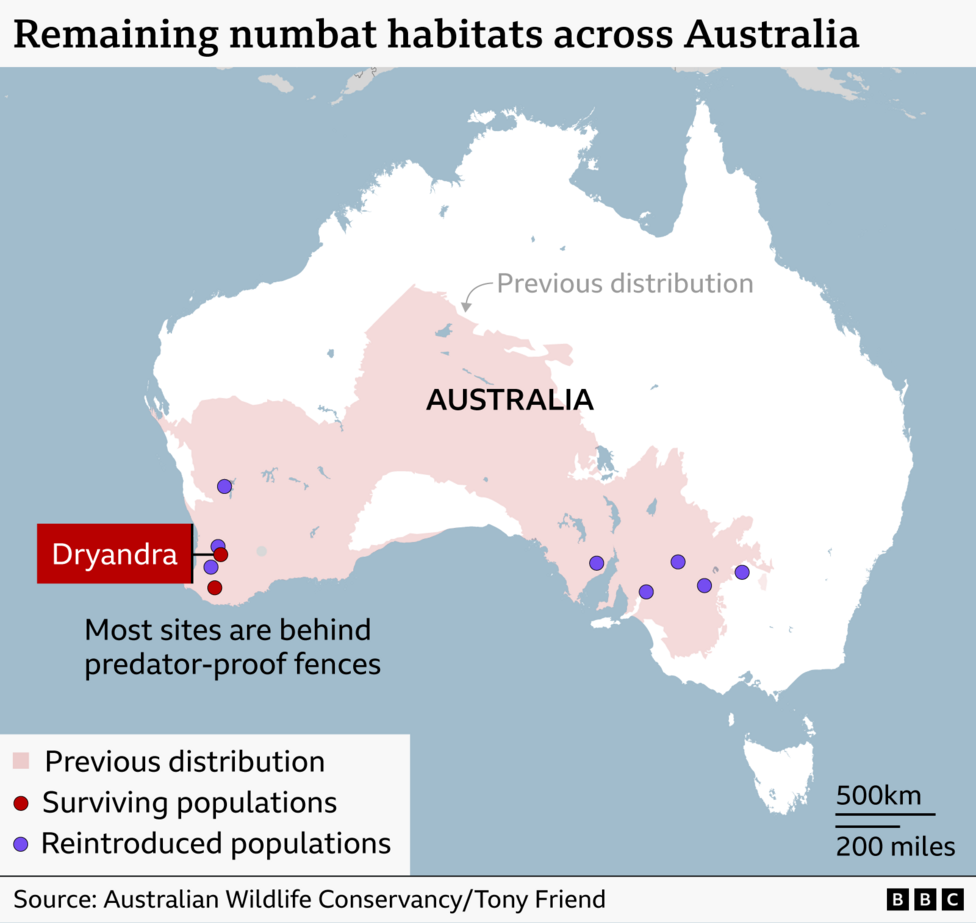
On a research trip through Dryandra Woodland in south-western Australia, a team scans the bush for signs of the elusive creature, sometimes described as resembling a cross between a chipmunk and an anteater. The numbat once ranged across the southern half of the continent, but Dryandra is now one of only a handful of places where wild populations survive.
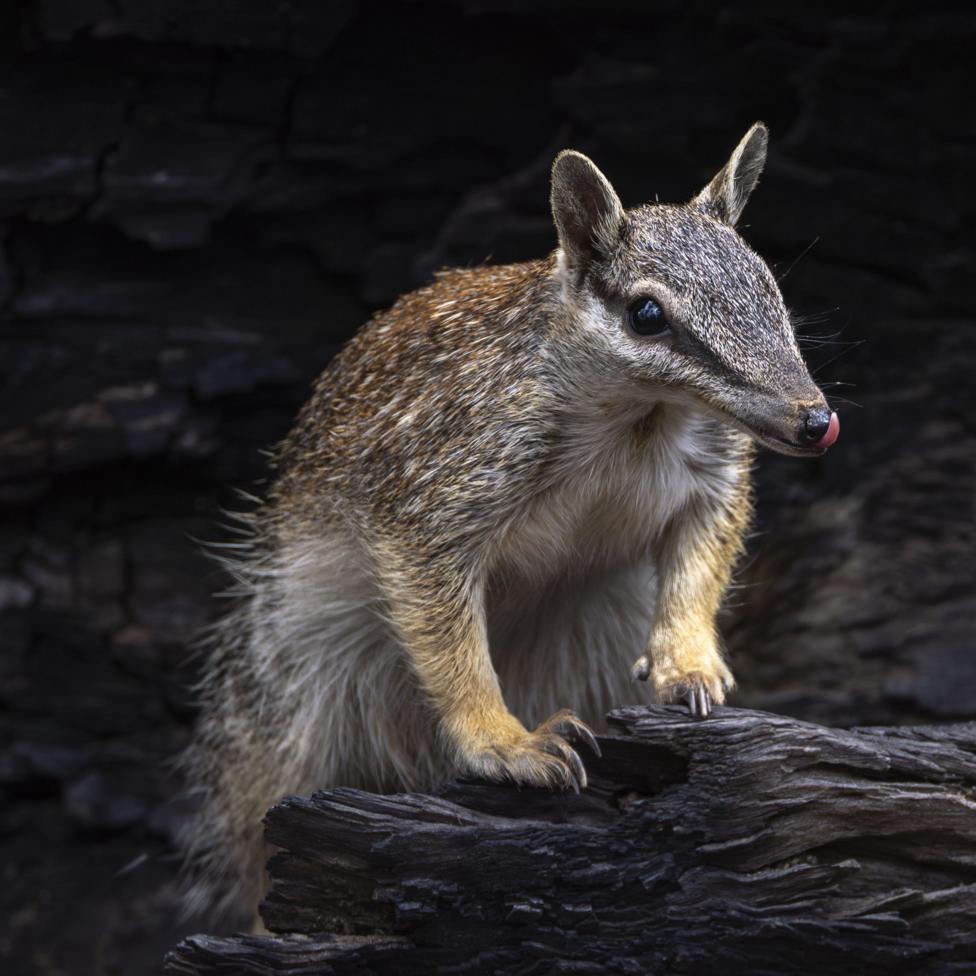
Researchers use an annual spring count, timed to when young numbats begin leaving their burrows, to track the population's health. Volunteers and scientists drive set routes daily, logging every sighting along with GPS coordinates and distance from the road, then apply a density calculation to estimate overall numbers across the woodland.
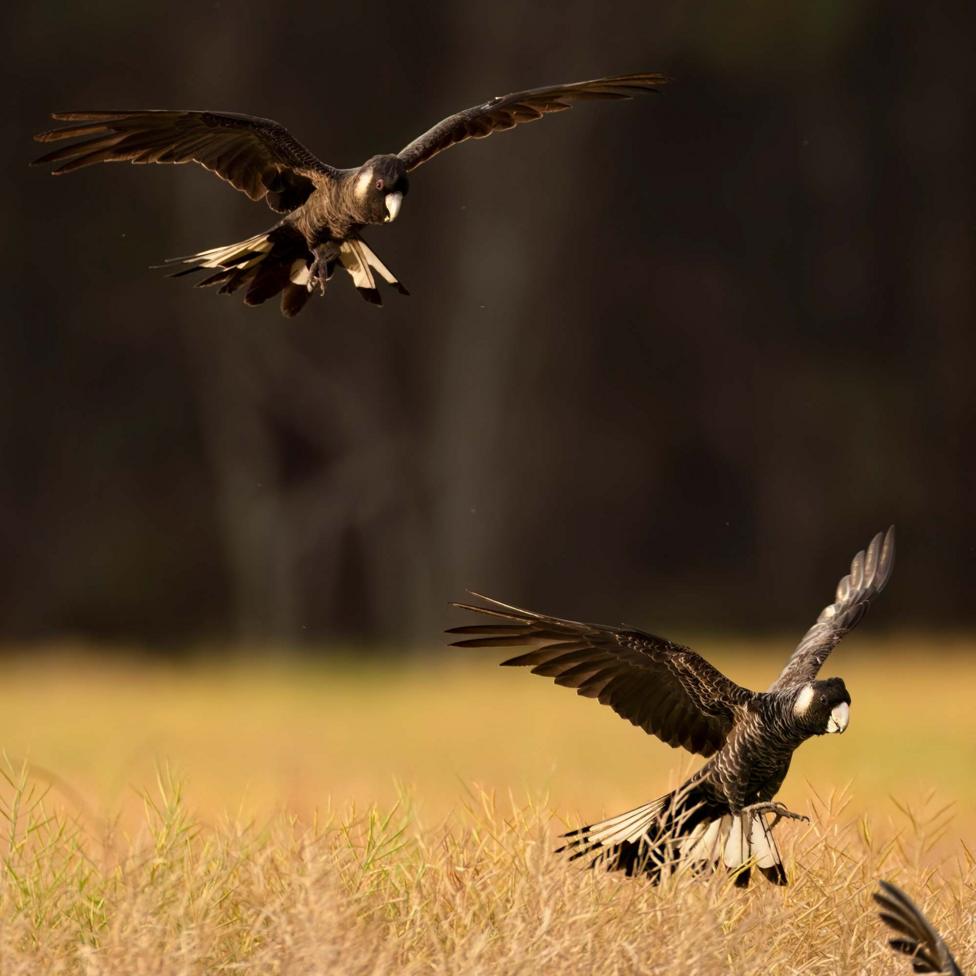
Dryandra Woodland also shelters other threatened wildlife battling for survival. The endangered Carnaby's cockatoo has been spotted flying overhead, while a nearby island hosts one of the last remaining populations of the Gilbert's potoroo, considered the world's rarest marsupial. Offshore, the increasingly rare Australian sea lion can still be found diving in coastal waters.
Why is Australia losing so many species?
Australia is home to an extraordinary concentration of unique wildlife, with more than 80% of its species found nowhere else on the planet. Yet the country has effectively become the world's extinction hotspot, losing roughly four species every decade, a rate that continues to worsen according to conservationists and researchers.
Professor Euan Ritchie told a national broadcaster that the crisis is unfolding in real time rather than as a distant hypothetical.
"It's not even a case of imagining it, it's happening in front of our own eyes."
Tony Friend, a veteran conservationist in Western Australia often described as the state's godfather of numbat protection, has spent five decades working to save the species from extinction.
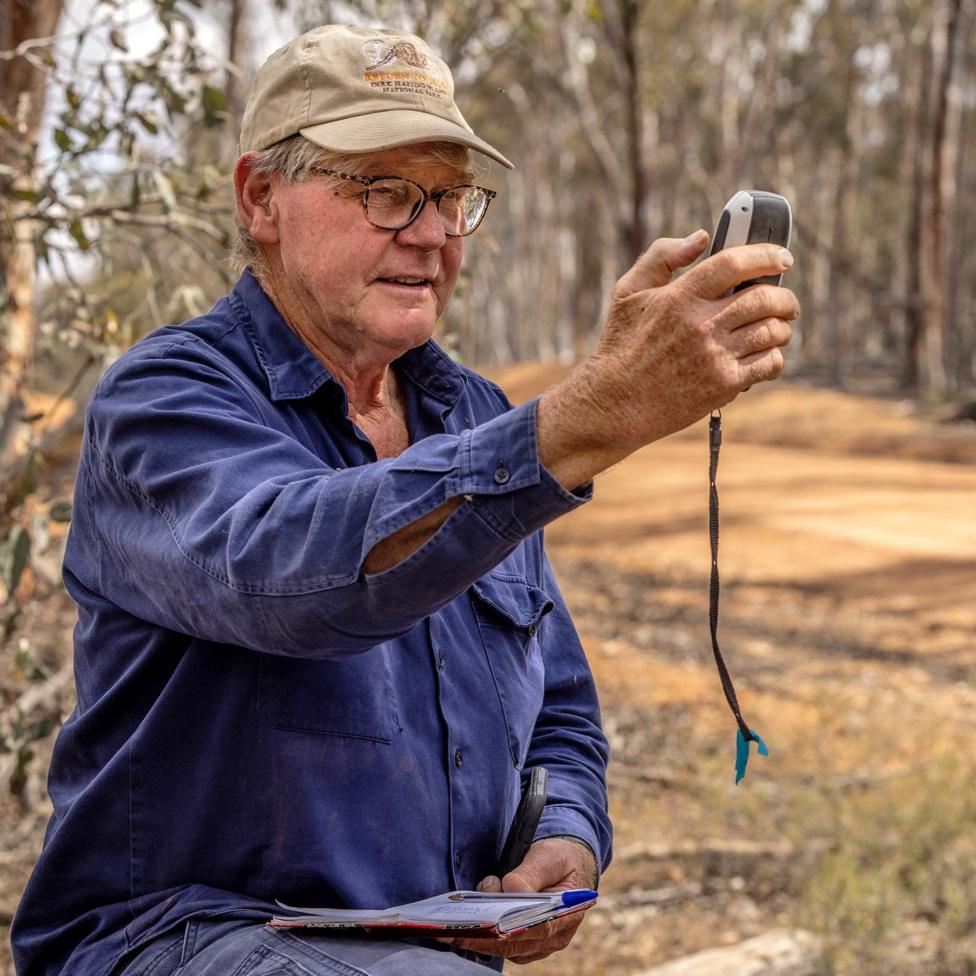
Rob McLean, president of the volunteer-run Numbat Taskforce, helps coordinate the two-week spring survey that makes much of Friend's research possible. On a day when the animals proved elusive, he joked about their absence.
"They just slept in today."
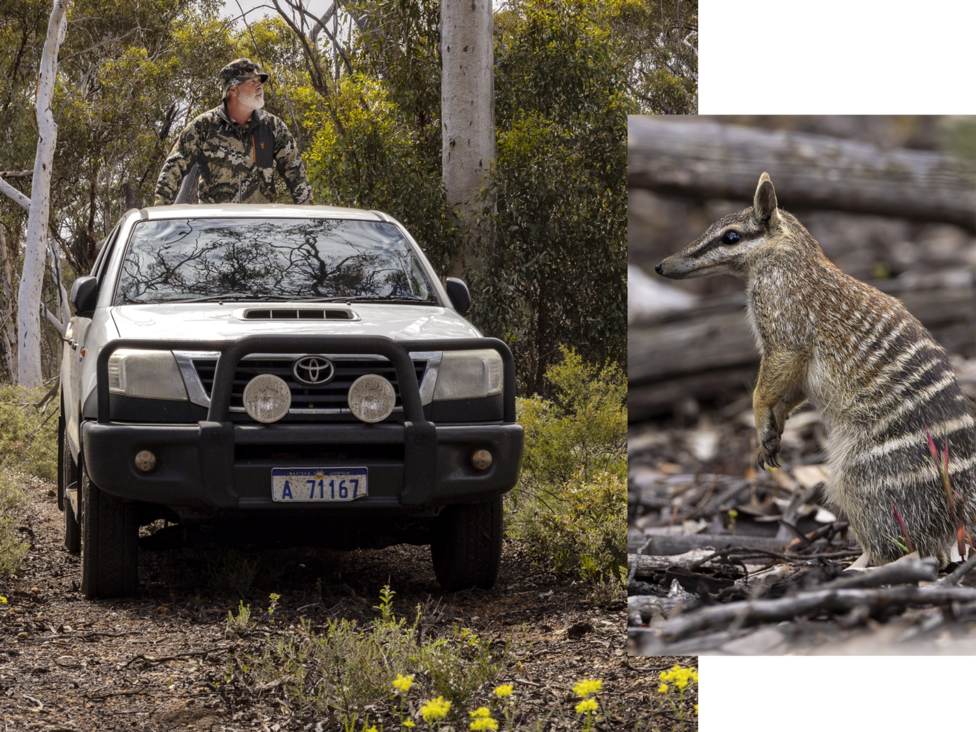
During the survey, teams position observers at each vehicle window and in the truck bed, watching for movement among logs, scrub and wildflowers while ducking beneath overhanging branches. Nearby, a device designed to detect and spray feral cats and foxes with poison stands as a reminder of the predator threat numbats face daily. McLean noted that recent conditions had been favourable for the animals.
"This year's been a bit of a feast."
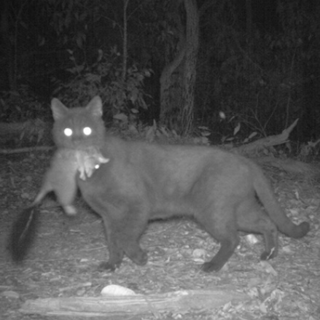
When Friend first arrived at Dryandra in the 1980s, fewer than 50 numbats remained there. Many of the same threats that nearly wiped them out then continue to drive extinctions across Australia today, including land clearing for farming, mining and timber, and the spread of introduced predators such as feral cats and foxes. According to the Invasive Species Council, feral cats alone kill an estimated three billion animals in Australia every year.
Invasive weeds like lantana are overtaking native bushland, while chlamydia has decimated koala populations in large parts of the country. The chytrid fungus, which attacks amphibian skin, has already caused seven frog extinctions in Australia. Climate change compounds these pressures directly, creating conditions that are unliveable for some species — flying foxes, for instance, have been dropping from trees in the thousands during extreme heat events — while also destroying food sources and habitat for others.
Natural disasters intensified by climate change have caused catastrophic wildlife losses. The Black Summer bushfires of 2019–2020 are estimated to have killed around three billion animals, and the widespread flooding that followed in subsequent years caused damage too extensive to fully quantify. Many species that were once common across the continent now survive only in small, disconnected pockets, making each new threat more dangerous than the last.
What is being done to reverse the decline?
Small-scale but committed conservation efforts are attempting to slow the tide. At Perth Zoo, a young numbat was observed eating a breakfast of custard topped with "termite sprinkles" as part of a breeding programme designed to boost genetic diversity ahead of release at Dryandra. Keeper Vicki Power described the satisfaction of watching the programme succeed across generations.
"When you get that feedback: your babies have got babies, it's very satisfying."
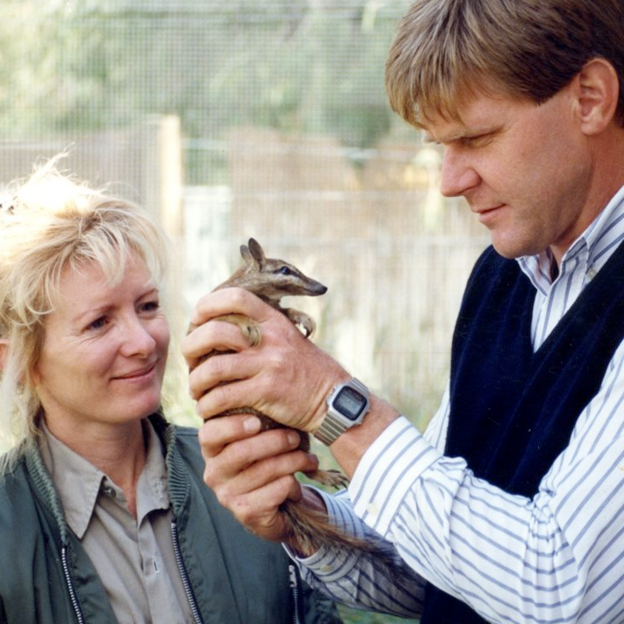
Breeding initiatives like this one have enabled the establishment of additional populations for a range of threatened species. However, many animals cannot yet survive unassisted in the wild, where controlling introduced predators remains a constant struggle, so they are instead relocated to fenced reserves. These reserves bring their own difficulties, including inbreeding and overpopulation. Habitat protection and restoration projects have expanded in recent years, but conservationists say they are not keeping pace with ongoing destruction, particularly in the most ecologically critical areas. Scientists are also working to combat disease among threatened species, an expensive and slow process that typically only delays further decline, while some researchers are preserving genetic material in case future science allows extinct species to be revived.
How bad is Australia's extinction record?
Scientists broadly agree the world is in the midst of a sixth mass extinction event, the first driven by human activity, and Australia sits at the forefront of that trend. The country has the worst mammal extinction record in the world and ranks poorly across other categories of species loss as well.
Ritchie argued that Australia's wealth and scientific expertise make its poor record especially troubling.
"Despite Australia being one of the wealthiest countries per capita in the world and having more than its fair share of world-leading scientists… we have a truly awful record of conserving species. And things aren't getting better."
The Australian government's official extinction list currently records 67 species, but researchers believe the true number lost forever is at least 100, with the real figure potentially much higher since some species are only discovered to have existed after they have already disappeared. A 2024 update from the Invasive Species Council estimates the country has recorded 24 probable animal extinctions since 1960, averaging around 4.5 extinctions per decade through to 2020, broadly consistent with the source's own estimate of roughly four extinctions each decade. Separately, a conservation review cited in national biodiversity assessments found that 100 endemic species have been formally confirmed extinct since 1788, a rate of about 4.3 species per decade.

The scale of the crisis extends well beyond vertebrates. A scientific paper estimates that since European colonisation, Australia has lost roughly 9,111 endemic non-marine invertebrate species, with current losses estimated at one to three extinctions per week. A Senate report has also found that Australia has one of the world's worst records for biodiversity loss, ranking second only to Indonesia for ongoing species decline. National figures also show the scale of the threatened species list is expanding rapidly: a 2024 biodiversity report found the number of species listed as threatened under national environmental law has climbed to 2,138, a 52% increase since 2000, with 41 species added to the list in 2024 alone, driven mainly by habitat loss, climate change, and invasive species and disease.
Although the overall extinction rate has held roughly steady at about four species per decade, the number of threatened species continues to climb sharply, and the condition of many is deteriorating faster than before. Ecologist Jack Pascoe warned that this trajectory threatens far more than wildlife alone, since Australia's biodiversity underpins food production, tourism, construction and much of the wider economy, as well as potential breakthroughs in medicine, agriculture and climate adaptation.
Pascoe, who is from the Yuin Aboriginal nation, said the losses carry deep cultural weight for First Nations communities.
"We think of ourselves as custodians of all life on Earth… so there's a much more personal and social feeling of loss that comes when these things are not doing well or we lose them forever."
Is the government doing enough?
Environmental protection in Australia is primarily a state responsibility, though the federal government retains oversight of matters of national environmental significance. The Labor government, elected in 2022, pledged no new extinctions under its watch and has positioned nature protection as a priority of its second term. Environment Minister Murray Watt acknowledged the scale of the challenge in a statement to a national broadcaster.
"It's well understood that nature is facing many challenges in the world today, both here in Australia, and overseas… we are losing biodiversity at an alarming rate."
The government has significantly expanded emissions reduction measures and renewable energy investment, and has received some credit for progress in pulling critically endangered mammals back from the brink. Last year's overhaul of national environment laws was described as the most substantial reform in a generation, and the country has set a target of halting and reversing biodiversity loss by 2030. This ambition echoes calls made earlier this year by former Treasury secretary Ken Henry and animal welfare groups, who urged Canberra to fund and standardise wildlife rescue efforts nationally amid mounting strain on volunteers during climate-driven disasters.
Despite these steps, there is limited confidence the reforms mark a genuine turning point. The new legislation provides only a framework, with the substantive detail — including National Environmental Standards and a federal enforcement watchdog — still being developed. Many within the conservation sector argue the shortfall is less about a lack of regulatory tools and more about a lack of political will to use them.
Robert Hill, Australia's longest-serving environment minister, who led the country's last major environmental reforms in 1999 under the Howard government, told a national broadcaster that successive administrations, including his own, have failed to adequately safeguard the environment over the past three decades.
"We should have done more too."
Hill said the pressures he faced in office still confront today's leaders: an economy historically built on natural resource extraction, continued reliance on that wealth to fund public services, and competing demands from industry and state governments that blur accountability and slow decision-making.
He pointed to the Albanese government's decision last year to fast-track legislation protecting the salmon farming industry after lobbying from Tasmanian officials, a move that overrode internal opposition and disregarded departmental advice about threats to the endangered Maugean skate, a ray species, from the A$1.4bn ($989m; £733m) industry.
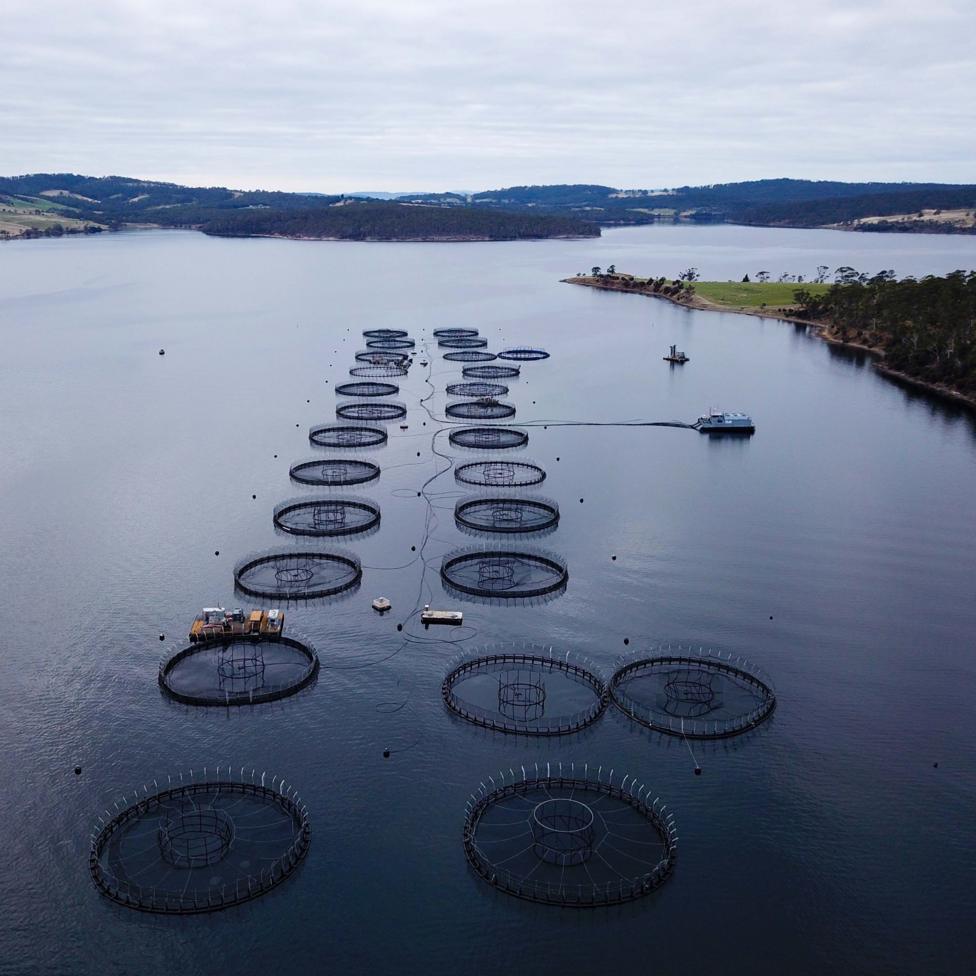
"The axe falls on the environmental outcome if there's the alternative of an economic one. Even if [the federal government] does want to act, it's still got to have the political strength to turn its aspirations into reality."
Conservationists also argue that stronger regulation alone will not solve the crisis without far greater investment. Much of Australia's conservation work currently depends on private philanthropy and volunteer labour, with numerous priority projects left unfunded. The federal government spends approximately A$700m annually on nature protection, which researcher Paul Elton says falls far short of the A$33bn — roughly 1% of GDP — that conservationists believe is required.
Elton's research, which the government disputes, estimates more than A$26bn is still directed toward subsidies for mining, intensive agriculture and fossil fuels, despite Australia's international commitments to phase such subsidies down.
"For every dollar the government is spending on positive biodiversity conservation action, there's A$26 being spent on subsidies that are causing harm to nature. That's a pretty stark imbalance."
Minister Watt did not directly address the funding concerns raised by conservationists but reiterated a broader commitment to environmental recovery in partnership with other levels of government and community groups.
"We remain committed to long-term environmental recovery, in partnership with state and local governments, community and environmental groups."
Public concern about biodiversity loss appears to be growing, but there is scepticism that the environment will become a genuine political priority amid competing pressures unless voters demand it. Hill suggested public support for conservation spending tends to weaken once trade-offs are made explicit.
"The community will say to you, we should spend a lot of money on the environment. And then if you say, 'Well, what are you prepared to sacrifice to ensure that funding base?', then they're no longer interested."
Ritchie, a mammal ecologist, said the frustration for scientists lies in knowing solutions exist but lacking the resources or political backing to implement them.
"We know what the problems are. We know how to address them. We know when we spend money on the environment, it pays back many times over. It's like being a doctor and seeing all these sick people in the community and you know how to fix them, but no one will let you do that."
What does the numbat's recovery show?
Despite the broader crisis, incremental victories like the numbat's recovery sustain conservationists' motivation. The national population now stands at roughly 3,000, and numbers at Dryandra specifically have grown tenfold since Friend began his work. The species has recently been removed from the international endangered species list and reclassified as near-threatened.
During the survey drive, it took five hours before the team finally spotted their target, frozen and alert at the end of a hollow log, triggering excited shouts from both the front and back of the vehicle. McLean joked about a friendly rivalry among the spotters.
"It's not a competition. But I beat him by a second."
Once the first numbat was found, sightings quickly followed, with the team observing eight animals over the following stretch, including two pairs of young. Friend later confirmed that this year's overall count ranks among the best recorded.
Even so, he cautioned against complacency about the species' long-term prospects.
"But I remind people they're not out of the woods yet."
Conservationists worry that the numbat's improved status could make it harder to secure the funding needed to consolidate recent gains. They point to the woylie, or brush-tailed bettong, as a cautionary example: it was removed from the threatened species list after a period of recovery, only to be re-listed a decade later in worse condition than before.
"We can't walk away and say 'no, they're fine,' you know? It's got to be accepted that continued work is needed to keep that animal on the planet."


