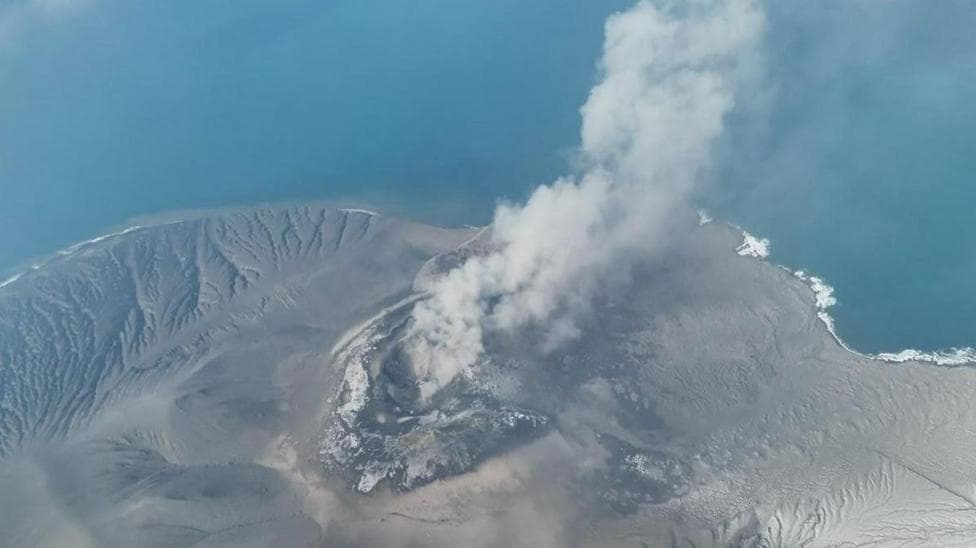
A major volcanic eruption has forced the suspension of hundreds of flights at Indonesia's primary international airport, leaving tens of thousands of passengers stranded and disrupting regional air traffic across Southeast Asia.
Anak Krakatau began erupting late on Friday night and continued with two additional eruptions early on Sunday morning, generating sustained seismic activity, lava fountains, and audible booming sounds across surrounding regions. According to regional aviation reports, the airport extended its suspension until 5:30 p.m. local time on Sunday, ultimately affecting 301 flights including 58 international services. An earlier suspension had impacted 33 flights, comprising 16 international cancellations and seven delays.
Ash from the volcano was detected in airspace near Jakarta's Soekarno-Hatta International Airport on Sunday morning, prompting authorities to halt operations. The transport ministry confirmed that the disruption primarily affected routes to and from Singapore, along with international services to Doha, Sydney, and Kuala Lumpur. Additionally, volcanic ash also disrupted flights between Lampung and Jakarta, with several routes cancelled at Radin Inten II International Airport.
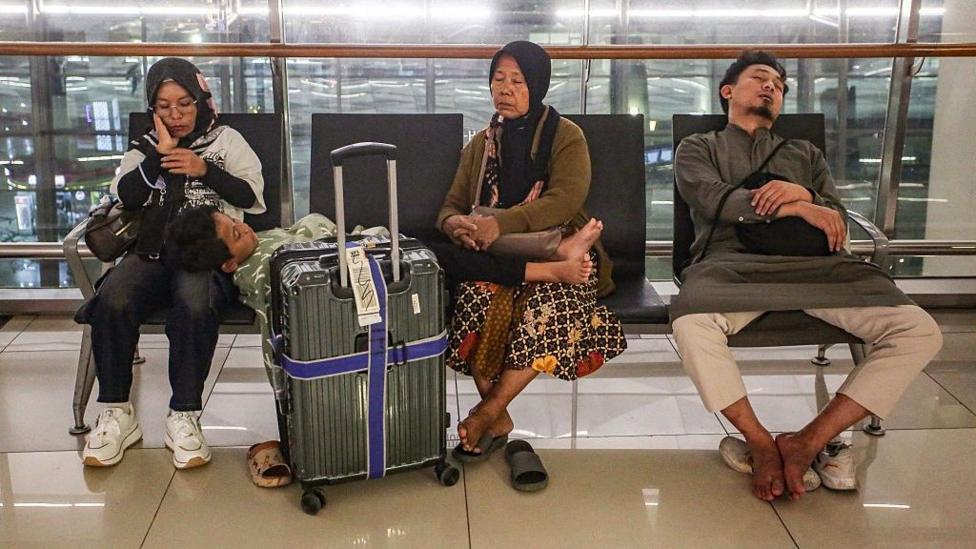
More than 22,000 people have been directly impacted by the flight suspensions. Neighbouring Singapore's Changi Airport confirmed that its services to and from Jakarta were affected because of the volcanic activity. The ash column rose to approximately 15 kilometres above sea level and moved westward at roughly 74 kilometres per hour, according to volcanic ash advisory tracking data.
What caused the eruptions?
Anak Krakatau, meaning Child of Krakatoa, emerged from the sea at the beginning of the twentieth century within the caldera left behind by the catastrophic 1883 eruption of Mount Krakatoa. The volcano has been sporadically active throughout its existence. The most recent major event occurred in December 2018, when the volcano collapsed and triggered a massive tsunami that killed more than 400 people and displaced and injured thousands more on the nearby coastlines of Sumatra and Java. Scientists determined that some of the rock chunks that detached from the volcano during that collapse measured between 70 and 90 metres in height.

What health risks does the ash pose?
The health minister has urged residents in affected areas to remain indoors and wear face masks to mitigate respiratory, eye, and skin irritation risks from the volcanic ash. According to local reporting, several schools cancelled activities on Saturday after students and residents experienced eye irritation from the ash, while some fishermen similarly cancelled fishing trips due to sore eyes.
One resident, Aldi Candra Prayogi, described the sensation as feeling like
small grains of sand had gotten into my eyes, and reported needing to use eye drops to relieve the irritation. He also noted that the dust was so thick he had to sweep the front yard of his house every five minutes.
Is there a tsunami risk?
Authorities have confirmed there is no tsunami warning associated with the current volcanic activity. The volcano is located in the Sunda Strait between the islands of Java and Sumatra, and officials have maintained a 5 kilometre exclusion zone around the volcano following the 2018 collapse.
Why is Indonesia prone to volcanic activity?
Indonesia sits on the Pacific Ring of Fire, a region characterised by exceptionally high volcanic and seismic activity. This zone is defined by a line of frequent earthquakes and volcanic eruptions that encircles virtually the entire Pacific rim, making Indonesia one of the world's most geologically active nations.
What happens next?
Soekarno-Hatta Airport's next scheduled reopening window was set for 9:30 a.m. on Sunday before the suspension was extended again due to ongoing ash in the airspace. The airport authority will continue monitoring volcanic ash concentrations and air quality conditions to determine when normal flight operations can safely resume.
Key Facts:
- A total of 301 flights were suspended at Jakarta's main airport, including 58 international services, affecting over 22,000 passengers
- Anak Krakatau erupted late Friday night and again twice early Sunday morning, with ash rising to approximately 15 kilometres altitude
- The volcano's 2018 collapse triggered a tsunami that killed over 400 people; the current eruptions carry no tsunami warning
- Volcanic ash disrupted not only Jakarta airport but also Radin Inten II International Airport serving Lampung
- Indonesia's location on the Pacific Ring of Fire makes it one of the world's most volcanically active regions