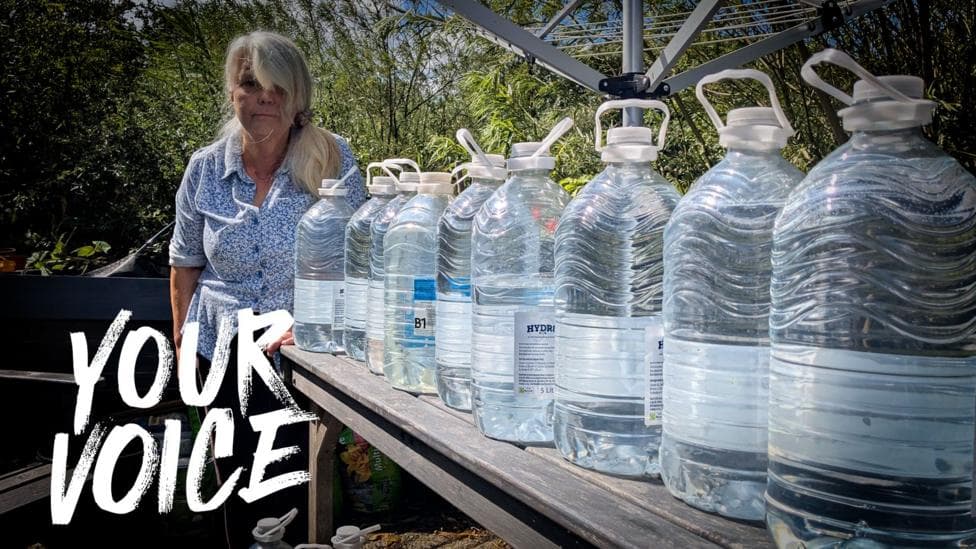
Genista Tanner, aged 72, has experienced an unprecedented crisis in her rural Ceredigion home: for the first time in three decades, her private water supply has completely failed. The well that has sustained her household since she moved there more than 30 years ago has run dry, forcing her to rely entirely on bottled water purchased from supermarkets and assistance from family members.
Tanner's predicament reflects a broader vulnerability affecting rural Wales. More than 100,000 people across the country depend on private water supplies rather than mains connections, according to the British Geological Survey. As Natural Resources Wales confirmed, the nation remains in drought status following record-breaking dry conditions in July 2026 and minimal subsequent rainfall.
Her home, situated in a rural area without mains water connection, draws water from a well located in a neighbouring field. Throughout most of the year, gravity naturally supplies sufficient water for bathing, washing and household needs. During drier periods, a pump transfers water from the well into storage tanks. This summer, however, the well contained nothing to extract.
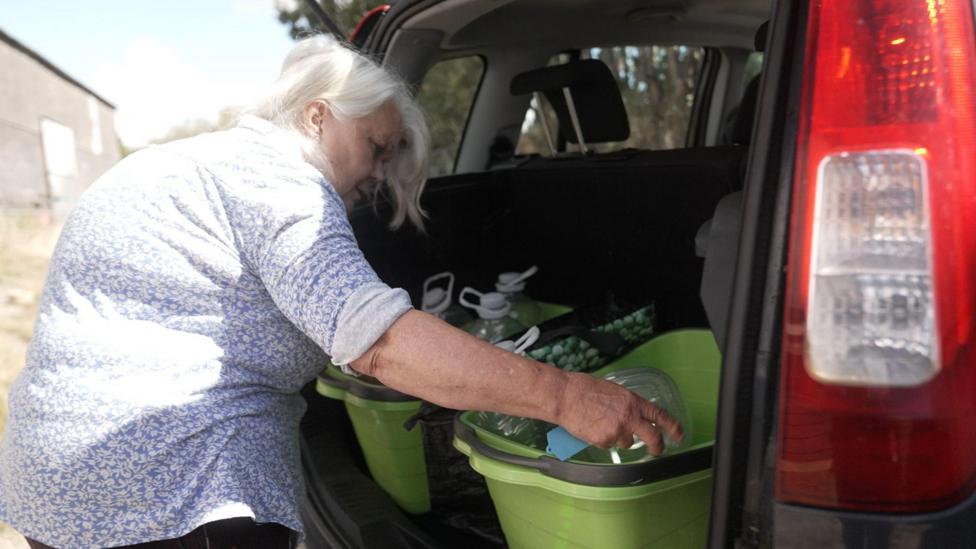
I have not had any fresh water coming from the well into the house for at least a month,Tanner explained.
I've never had that happen before. Never. In all the 30 years we've lived here.
How is Tanner managing without running water?
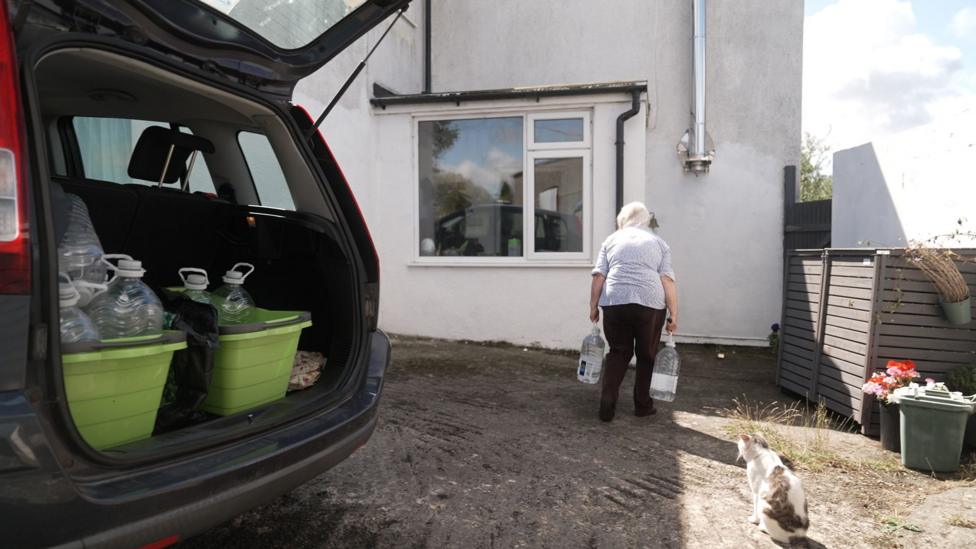
Tanner has adopted multiple strategies to access water for essential needs. She purchases bottled water from supermarkets, borrows supplies from friends and family, and travels more than 40 minutes to her daughter's home in Aberystwyth to shower. Through necessity, she has learned to minimise water consumption: 1.7 litres suffices to wash her hair, and four cups of water provides an adequate wash.
The financial burden has intensified her difficulties. As a pensioner with limited income, the cost of bottled water has created difficult choices about household budgeting.
It means that you have to say to yourself 'what do I eat?' Because I will need to set aside a certain amount for water.
Why are private water supplies particularly vulnerable?
Groundwater sources that supply private wells and boreholes face the same climate pressures as public water infrastructure, but with less resilience. Dr Emmanuel Zarate, Principal Hydrogeologist at the British Geological Survey Wales, emphasised that private water supplies are
more important in Wales than many people realise.Recent figures indicate approximately 104,000 people across Wales depend on such supplies, with concentration particularly high in rural communities.
Many groundwater sources in Wales are fed by secondary aquifers with lower storage capacity than those serving other parts of Britain.
That low storage means that they're particularly more vulnerable to prolonged dry spells and may have less of a buffer,Zarate explained. He confirmed that wells and boreholes drying up has become
widespread across Wales, particularly this summer,and that Tanner's experience represents
not an isolated casebut rather a pattern reflecting problems observed elsewhere during the current drought.

What impact is the drought having on rural communities?
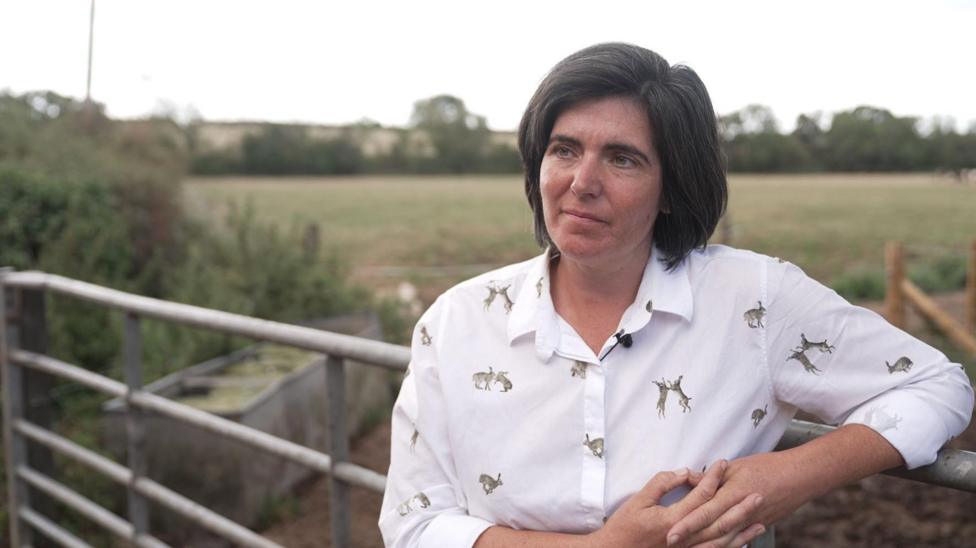
The strain extends beyond individual households to agricultural operations. Abi Reader, president of the National Farmers' Union Cymru, described a
huge rural landscape out there that is wholly reliant on private water sources.Farmers increasingly must transport water to livestock as streams, springs and ponds have dried up during the hot weather. Recovery will be slow: some groundwater sources may require months to replenish even after rainfall resumes.
It's going to be months before some of these springs start running again,Reader cautioned.
A spokesperson for Natural Resources Wales warned that climate change is expected to intensify these challenges.
Climate change is expected to bring wetter winters and drier summers. This has been clearly illustrated in the last couple of years, with extended periods of prolonged dry weather and drought in the summer, and significant flooding in the winter months.The organisation added that
groundwaters, from which most private water supplies are dependant, are as vulnerable to climate change as our rivers, streams, lakes and reservoirs,and that
water may not be so reliably available all year round in the future.
What support is available to affected residents?
Ceredigion County Council acknowledged that prolonged dry weather places pressure on private water supplies, particularly those reliant on wells and springs. While owners and users bear primary responsibility for their supplies, the council provides advice and guidance to residents experiencing problems. The authority discusses individual circumstances with affected residents, offers guidance on alternative arrangements and longer-term solutions, and encourages private water supply users to develop contingency plans during extended dry periods.
The Welsh Government has stated that households and businesses connected to public water supplies will continue receiving water normally, while private-supply users experiencing difficulties should contact their local authority for assistance. Mid and West Wales Fire and Rescue Service clarified that it cannot supply water to private properties and directed affected residents to contact Welsh Water, their local authority or the Drinking Water Inspectorate.
What restrictions are currently in place?
Mid and South Ceredigion came under formal water-use restrictions from 10am on 19 July 2026, with the restrictions remaining in force until further notification. Welsh Water's hosepipe ban, introduced to protect supplies in Ceredigion, Pembrokeshire and Carmarthenshire, prohibits hosepipe use for gardening, outdoor pots, car washing, boat cleaning, washing walls and windows, cleaning patios, filling pools, ponds and ornamental fountains. The restriction affects only about 2% of the three million people served by Welsh Water, and the company indicated at the time the ban was announced that it did not intend to introduce wider restrictions across its operating area.
The restriction notice permitted representations for exceptions to be submitted by 9am on 19 July 2026, allowing affected parties to request consideration of their individual circumstances.
What does the future hold?
For Tanner, the experience has prompted reflection on her long-term future in the home where she has lived for more than three decades. The property holds profound emotional significance: she moved there with her husband, mother-in-law and five children, and the home has witnessed major life events including the deaths of her mother-in-law, husband and one of her sons.
Because these things happened in the home, then it makes me feel more bonded to it.
Yet she increasingly worries that progressively drier summers could eventually force her to relocate against her wishes.
I would feel pretty cheated. I don't want to be pushed into having to do something I don't want to do.Her experience has led her to a broader observation about water security:
All I know is that people, whether they have a well or not, really need to think what they would do if they didn't have water.
Key Facts
- More than 100,000 people across Wales depend on private water supplies, with concentration in rural areas
- Wells and boreholes drying up has become widespread across Wales during the current drought, particularly affecting secondary aquifers with lower storage capacity
- Recovery of groundwater sources may take months even after rainfall returns
- Water-use restrictions in Mid and South Ceredigion remain in force until further notification from authorities
- Climate change is expected to bring drier summers and wetter winters, increasing vulnerability of private water supplies year-round