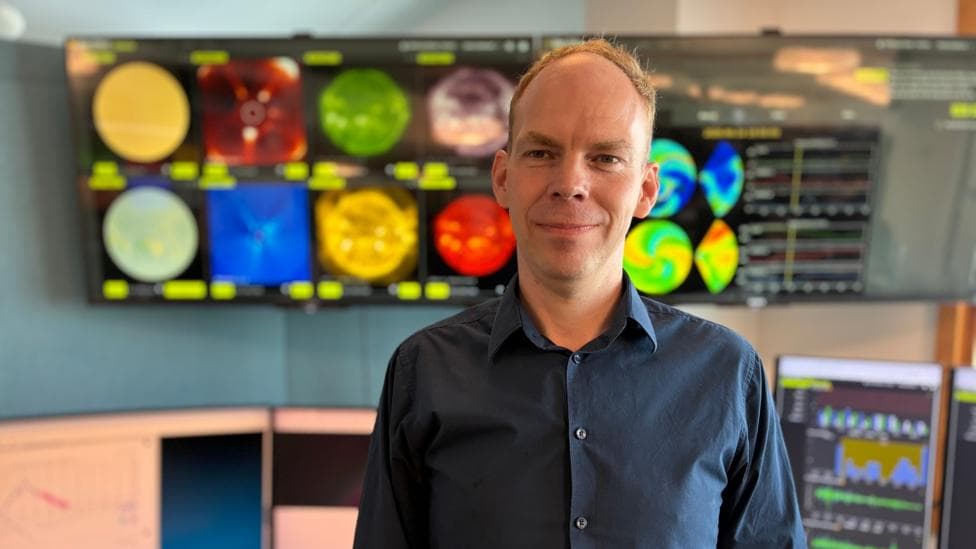
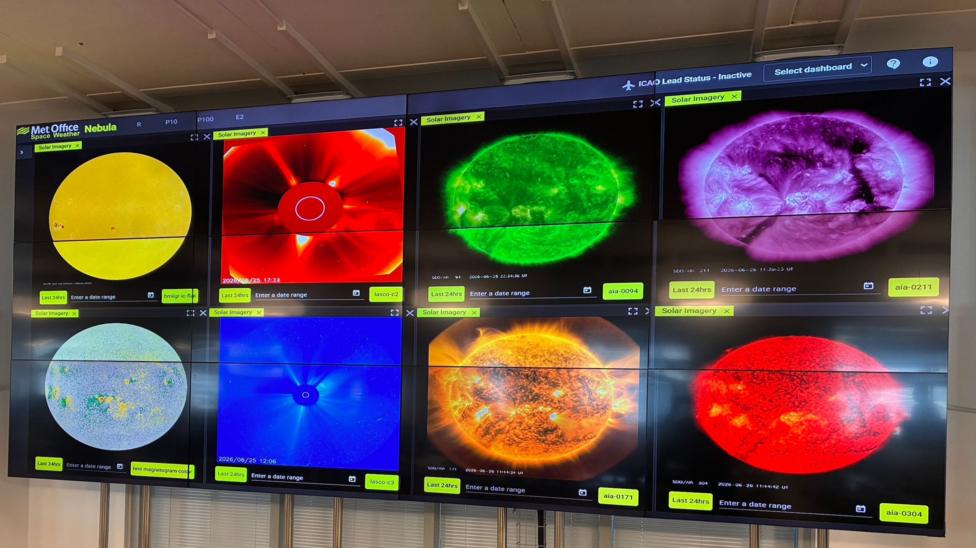
At the Met Office headquarters, screens in one corner of the control centre display close-up imagery of the Sun. This is where a space weather prediction team—one of only a handful worldwide—maintains round-the-clock operations every single day of the year. The team monitors solar activity that has the potential to disrupt GPS systems, power grids, and satellites on which modern life depends.
Space weather phenomena, primarily driven by solar activity, pose a significant threat to critical infrastructure. The UK government has designated severe space weather as a major national hazard, including it on the National Risk Register since 2011. According to a 2025 estimate by Lloyds, a severe space weather event could cost the global economy 2.4 trillion dollars over a five-year period.
The Met Office has collaborated with key infrastructure operators since 2014 to develop forecasting capabilities designed to mitigate these risks. The agency now works with researchers from Aberystwyth University, alongside Northumbria, Durham and Reading universities, to enhance its predictive abilities. Additionally, the Met Office published a new space-weather guidance package for transport operators on 3 August 2026, aimed at helping the sector prepare for severe events.
How does space weather threaten Earth?
Solar flares—intense bursts of radiation from the Sun's surface—represent one of the primary space weather threats. These events can trigger geomagnetic storms that interfere with the Earth's magnetic field, potentially disrupting the technologies society relies upon. According to a National Audit Office report published on 20 March 2026, a severe space-weather scenario could last one to two weeks and may affect satellites, GPS systems, aviation, power networks, telecommunications, and ground-based digital infrastructure.
Richard Stone, from the Met Office's space forecasting team, explained that the team's role is
to diagnose anything that's happening on the Sun's surface, provide a forecast and alert the relevant users to be able to take mitigating actions. The available technology is impressive but remains in its early stages of development. Stone noted that
observations are still limiteddespite the progress made since 2014.
What is the current forecasting capability?
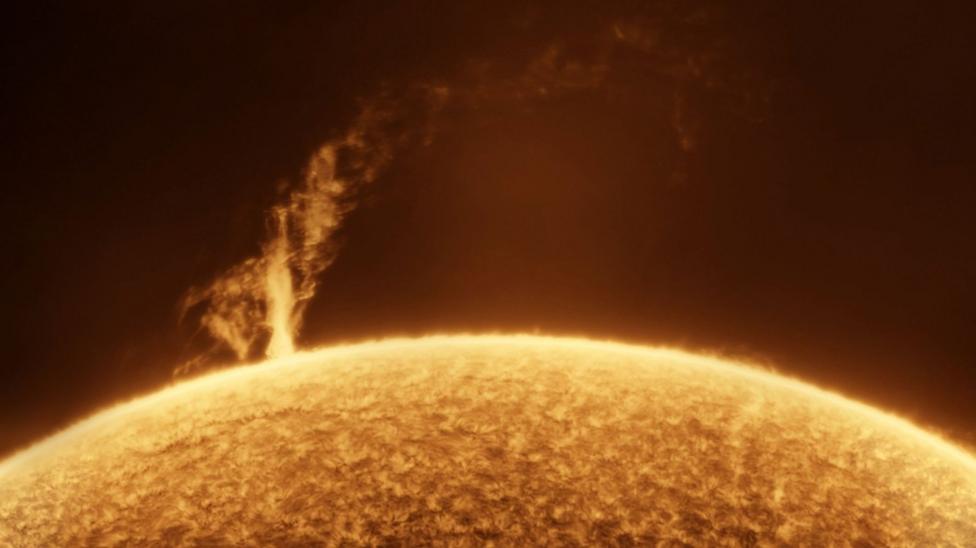
Scientists can detect solar events approximately three days before they reach Earth, but observations then cease until the disturbance reaches satellites positioned about one million miles away. This gap leaves forecasters with roughly one hour to refine their predictions of the event's actual impact on Earth and, if necessary, alert infrastructure operators to implement protective measures.
Stone illustrated the limitation by comparing it to weather forecasting:
It's like seeing a storm on the east coast of America and then not having any observations until it gets to Ireland. According to the National Audit Office, the Met Office mostly uses data from nine satellites to forecast space weather and can forecast only about four days ahead, with impact size and timing often uncertain until the event is close to Earth.
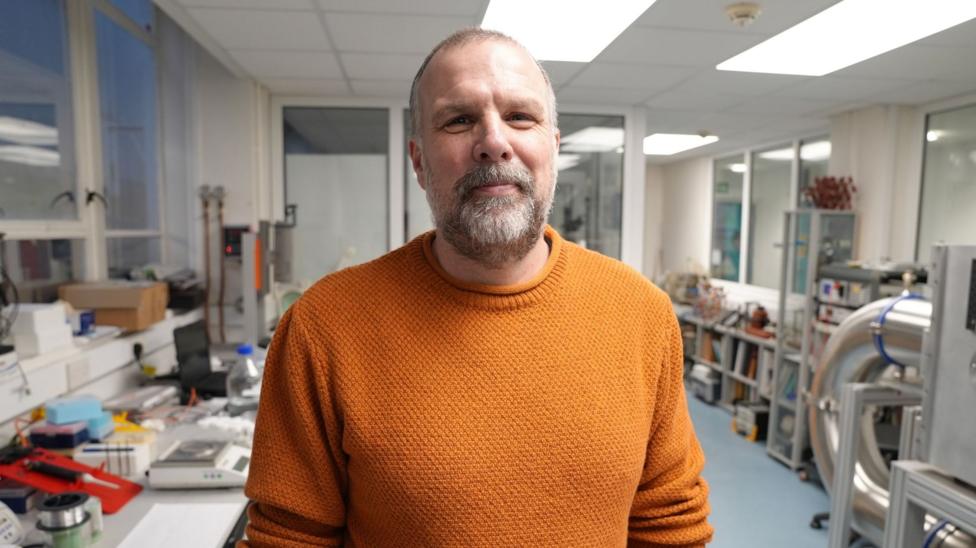
Professor Huw Morgan, Head of Space Physics at Aberystwyth University and leader of the university-led research project, emphasised the importance of this advance warning.
This pre-warning is a huge mitigation of the danger posed by space weather, he said.
For example, it gives the National Grid an opportunity to prepare and avoid power cuts, or airlines can divert their flights from high latitude to safer lower latitudes.

How does space weather forecasting compare to terrestrial weather prediction?
Space weather forecasting remains a developing discipline compared to conventional meteorology. Morgan acknowledged that
compared to forecasting normal weather on Earth, space weather forecasting is really quite a developing field. I mean, it's yet to mature where we can give exact forecasts. However, scientists have identified predictable patterns in solar behaviour. The Sun follows an approximately 11-year activity cycle, allowing forecasters to anticipate which years will experience heightened space weather activity.
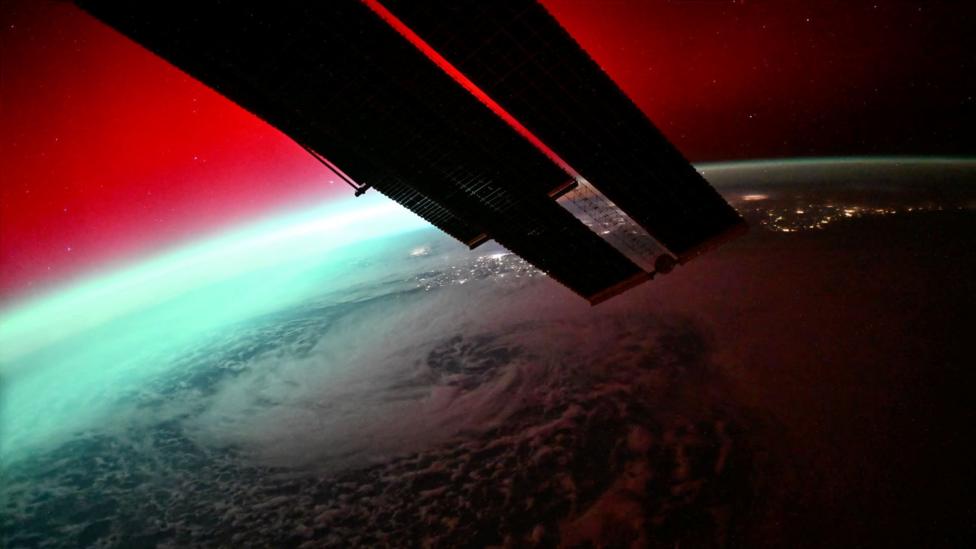
We'll have some very quiet years, very little space weather, and then it peaks then, at the peak of the cycle then we can have a lot of space weather events, maybe several a day, Morgan explained. The Sun reached the peak of its activity cycle, known as the Solar Maximum, in 2024. This increased solar activity resulted in more frequent auroral displays visible from higher latitudes, yet the public experienced minimal disruption thanks to protective forecasting and mitigation measures implemented by infrastructure operators.
What historical precedent exists for severe space weather?
The 1859 geomagnetic storm known as the Carrington Event serves as the benchmark for worst-case scenarios on Earth. Named after English astronomer Richard Carrington, who observed the event, its effects were felt globally. Auroras appeared across much of the world, and the telegraph network—then in its early commercial phase—experienced significant disruption.
Stone described the intensity of the Carrington Event, noting that
even telegraph wires were heard to hum and crackle, and they were able to run the telegraph poles without any electricity because the input was so high. The concern today is that a modern equivalent would cause far greater damage. Society's dependence on electricity, digital systems, and satellite technology means that a contemporary Carrington Event could have consequences orders of magnitude more severe than those experienced in 1859.
How does space weather affect astronauts and spacecraft?
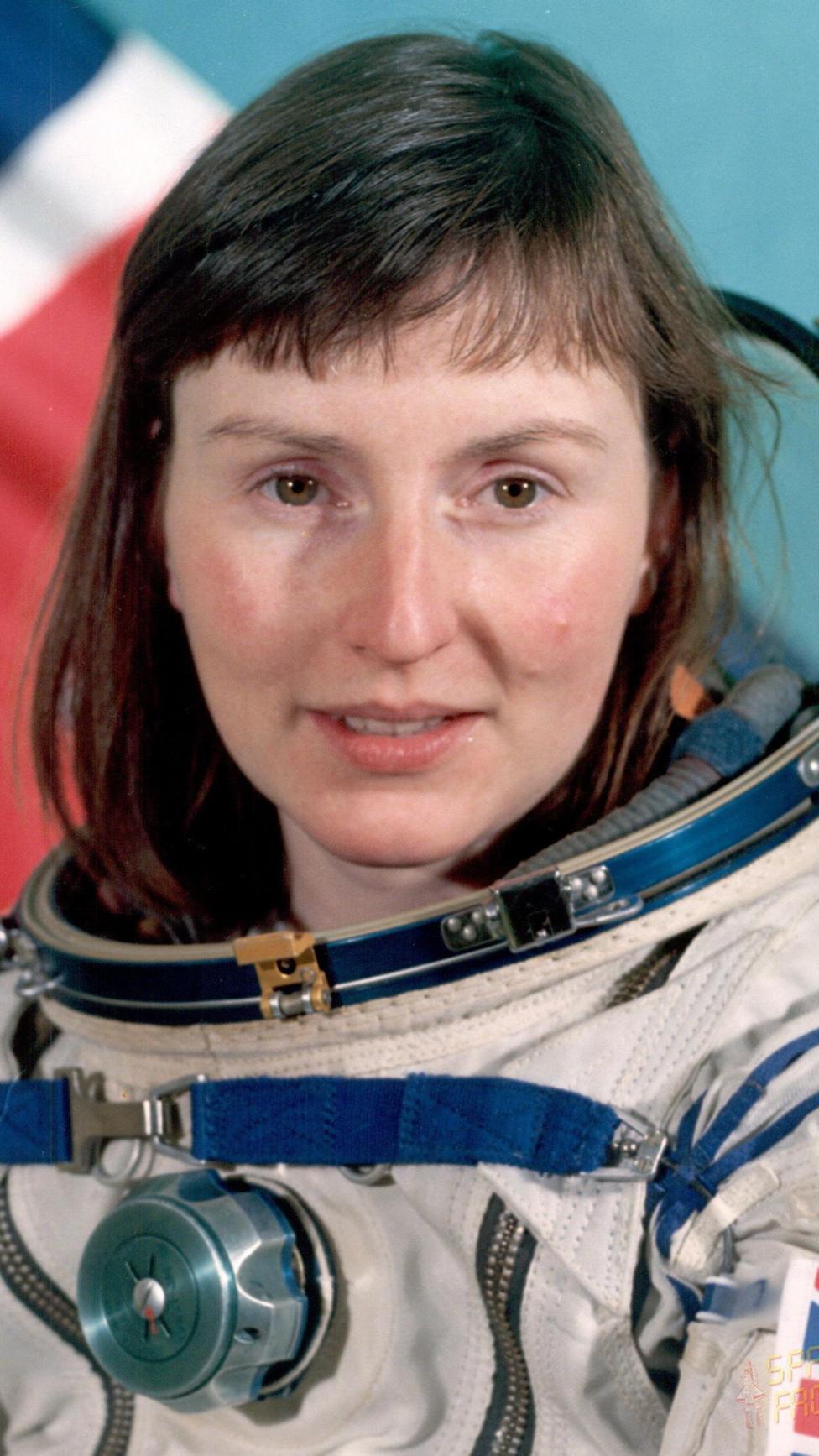
The hazards of space weather extend beyond Earth's surface to those working in orbit. Dr Helen Sharman, who became the first British person to travel into space in 1991 on an eight-day mission to the Mir Space Station, was trained on where to shelter if space weather struck the station. During her mission, she experienced radiation from outside the solar system, known as galactic cosmic rays.
Sharman described the phenomenon:
They come through the materials that spacecraft are made of. They come through astronauts' skin, and they're what we notice as astronauts because quite often we see little bright flashes of light on our retinas, as those particles come through the spacecraft, through our skin, through our eyes, and affect our vision in that way.
The Earth's magnetic field provides substantial protection in low Earth orbit, but this protection diminishes with altitude.
The higher up you are as well, of course, the further away from the Earth's magnetic field, the more likely you are to not be protected by the Earth's magnetic field. So in low Earth orbit, by and large, we're fairly well protected. This is why, when astronauts go to the Moon, or possibly to Mars in the future, we really need to consider how we can protect them much better from radiation, Sharman explained.
What improvements are underway?
The Aberystwyth-led research project aims to enhance forecasting precision through improved modelling of the Sun's magnetic field.
A new forecasting model will improve the depiction of the Sun's magnetic field and boost the precision of space-weather predictions, especially the timing of disruptive solar events, according to the university. This work represents a significant step toward more accurate and timely warnings that could better protect critical infrastructure across multiple sectors.
The government's 2025 likelihood estimate suggests a 5–25% probability of a severe space weather event occurring within the next five years, underscoring the urgency of continued investment in forecasting and preparedness. The Met Office continues to issue live space-weather forecasts and alerts through its specialist forecast page, with current conditions monitored continuously by the 24-hour forecasting team.
Key Facts
- The Met Office operates a space weather prediction team 24 hours a day, 365 days a year, one of only a handful worldwide.
- A severe space weather event could cost the global economy 2.4 trillion dollars over five years, according to a 2025 Lloyds estimate.
- Forecasters have approximately one hour between detecting a solar event at satellites and its arrival at Earth to refine predictions and alert infrastructure operators.
- The Sun follows an approximately 11-year activity cycle, allowing scientists to predict which years will experience heightened space weather activity.
- The 1859 Carrington Event remains the benchmark for worst-case scenarios; a modern equivalent could cause significantly greater disruption due to society's dependence on technology.