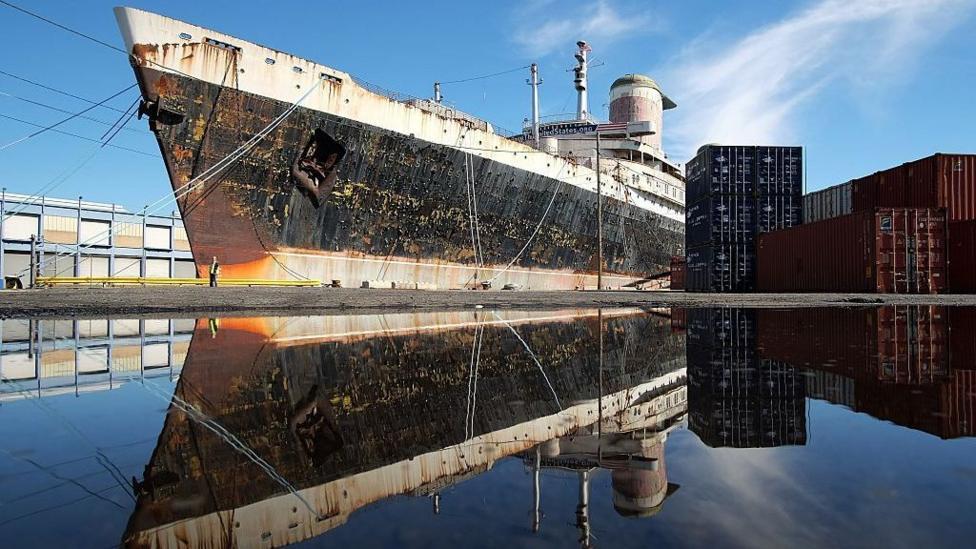
The SS United States, once the world's fastest ocean liner and longer than the Titanic, has been intentionally sunk off the coast of Florida to create the world's largest artificial reef. According to BBC News, the vessel completed its final journey from Alabama to the Gulf of Mexico near Destin, Florida, where it was submerged on Wednesday in a carefully controlled operation. NPR reported that the sinking took approximately five hours, with the ship tilting onto its side before disappearing beneath the Gulf's surface on November 11.
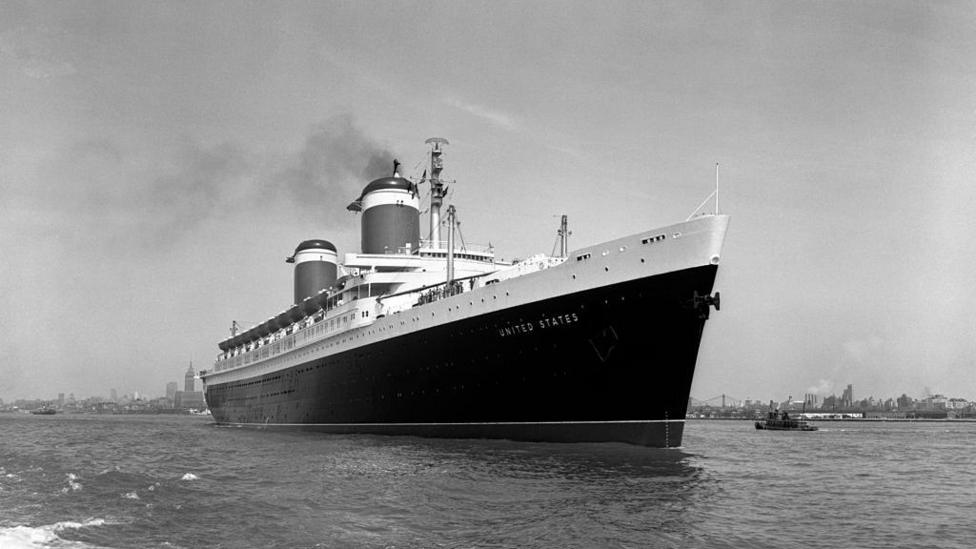
The SS United States spent nearly three decades moored in Philadelphia before being relocated to Florida, where it will provide habitat for marine life and serve as an underwater destination for diving enthusiasts. The vessel had been moved from Philadelphia to Alabama in the previous year for cleaning and remediation work before its final voyage to the coast. Preservationists and the SS United States Conservancy group had waged unsuccessful campaigns to save the historic liner, hoping to convert it into a museum or floating hotel, but those proposals ultimately failed to materialise.
Throughout its operational life from 1952 to 1969, the ship transported royalty, celebrities, and political figures across the Atlantic Ocean on hundreds of voyages. A young Bill Clinton, before his presidency, crossed the Atlantic aboard the vessel, as did former presidents Harry Truman, Dwight Eisenhower, and John Kennedy. Entertainment luminaries including Marlon Brando, Coco Chanel, Duke Ellington, Salvador Dali, Walt Disney, Judy Garland, and Cary Grant also travelled on the liner during its sailing years.
How was the sinking executed?
The operation to submerge the ship was conducted without explosives, employing precision engineering techniques instead. According to reporting on the project, crews cut strategically positioned openings in the hull and decks to enable the vessel to sink gradually and evenly, ensuring a controlled descent to the seafloor. A federal judge had denied an emergency request to halt the sinking on November 7, 2026, clearing the way for the operation to proceed as scheduled.
What will the artificial reef accomplish?
The reef project, undertaken by Okaloosa County after purchasing the vessel, represents a significant marine conservation initiative. ABC News reported that the reef project was estimated at $13.5 million and is designed to attract recreational divers and anglers while simultaneously providing habitat for marine species including tuna, marlin, and swordfish. The county had originally anticipated completing the reef sinking in late 2025, though the project experienced delays before its November completion.
Alongside the underwater reef, a land-based museum detailing the ship's storied history is planned for the Destin area, ensuring that the vessel's legacy will be preserved and accessible to the public. This dual approach allows both marine enthusiasts and general visitors to engage with the ship's remarkable story.
What happens next for divers?
Recreational divers were expected to be able to visit the wreck beginning at dawn on November 12, subject to the sinking proceeding as planned. The submerged liner will join dozens of other artificial reefs off the Florida coast, becoming a destination for underwater exploration and marine research.
Why was preservation unsuccessful?
The SS United States Conservancy group, led by President Susan Gibbs—whose grandfather helped design the liner—made repeated efforts to preserve the ship above water. Despite these sustained advocacy campaigns, legal and financial obstacles prevented the realisation of museum or hotel proposals. Gibbs expressed optimism about the ship's future, telling CBS News that she was pleased the vessel's story would endure.
[The ship] has always been this unabashedly American symbol that brings so many people together,she said, acknowledging that the reef project represents a meaningful continuation of the liner's cultural significance, even as its physical form transitions to a new purpose beneath the waves.