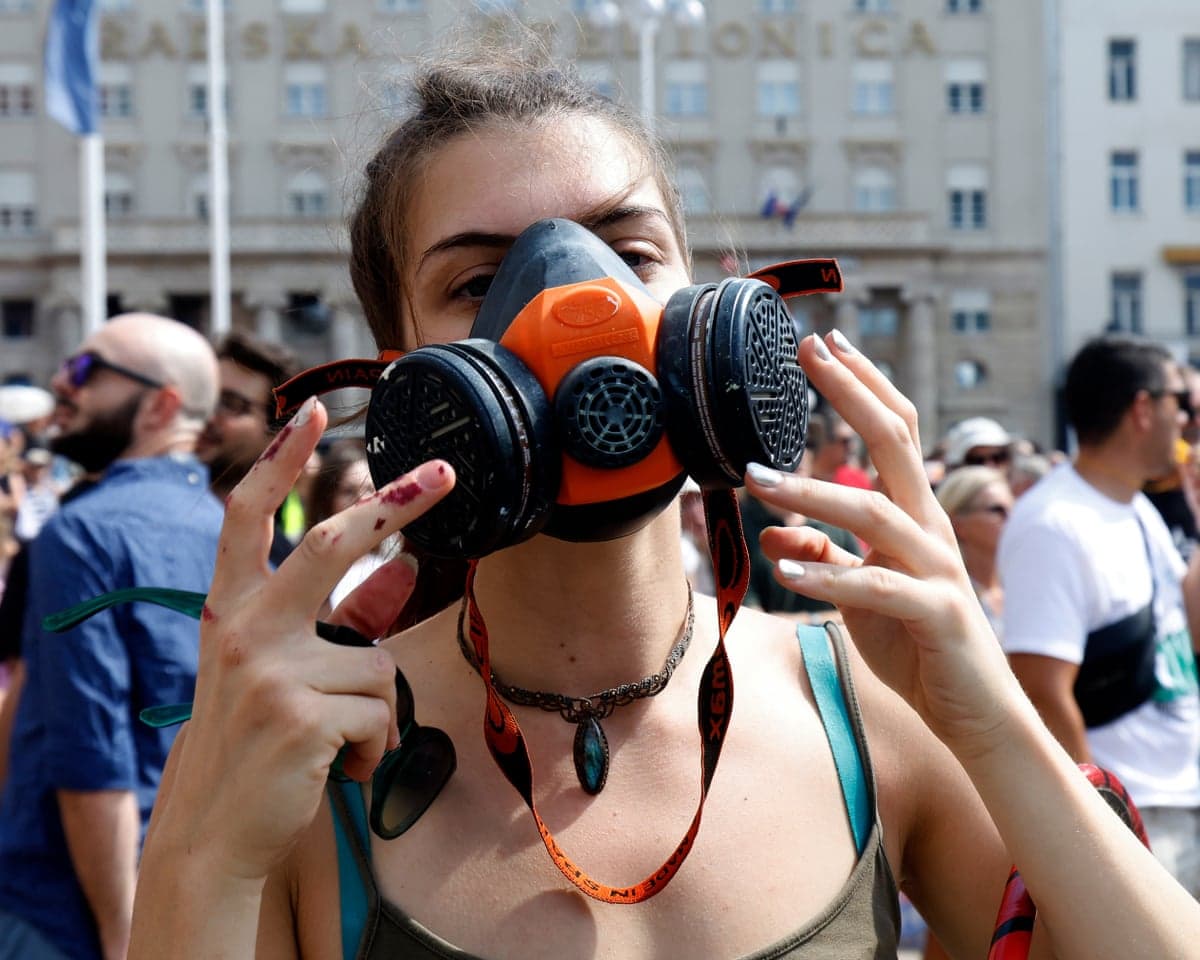
Željka Šikić stood before 40,000 people gathered outside the Croatian parliament in early September, her voice carrying across the crowd as she declared the message that had become a rallying cry: "Gospić is our home." The slogan represents a campaign she helped establish to challenge years of illegal waste dumping that has transformed her town into an environmental crisis zone.
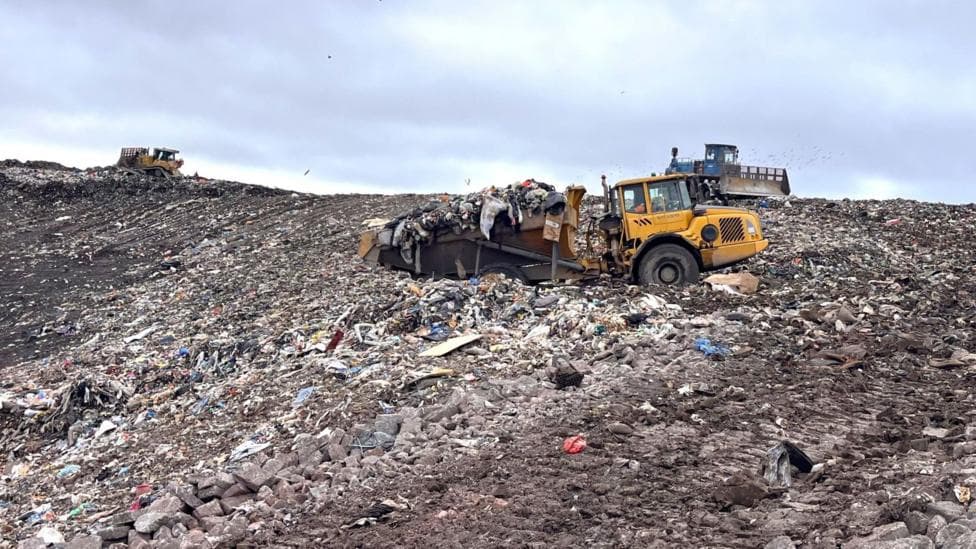
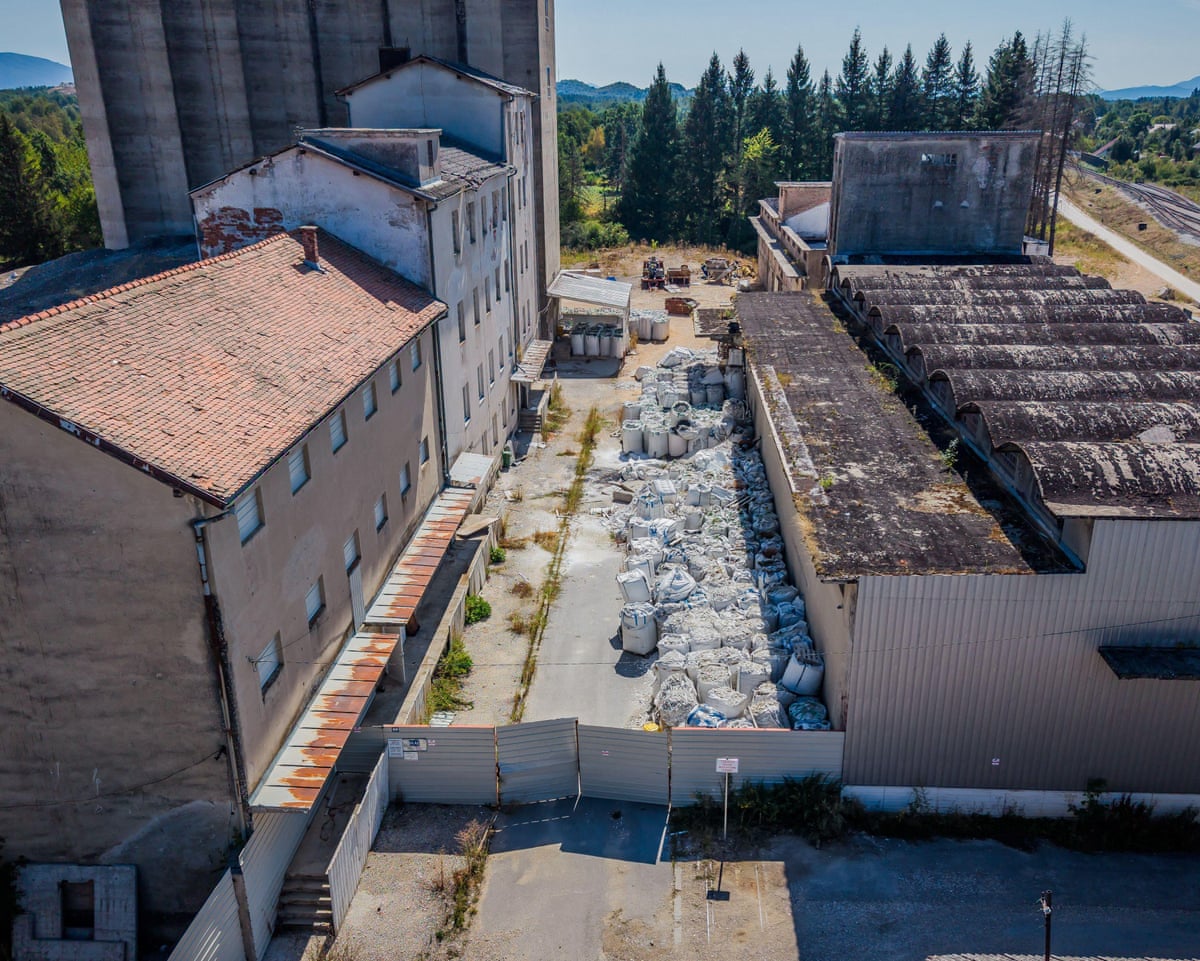
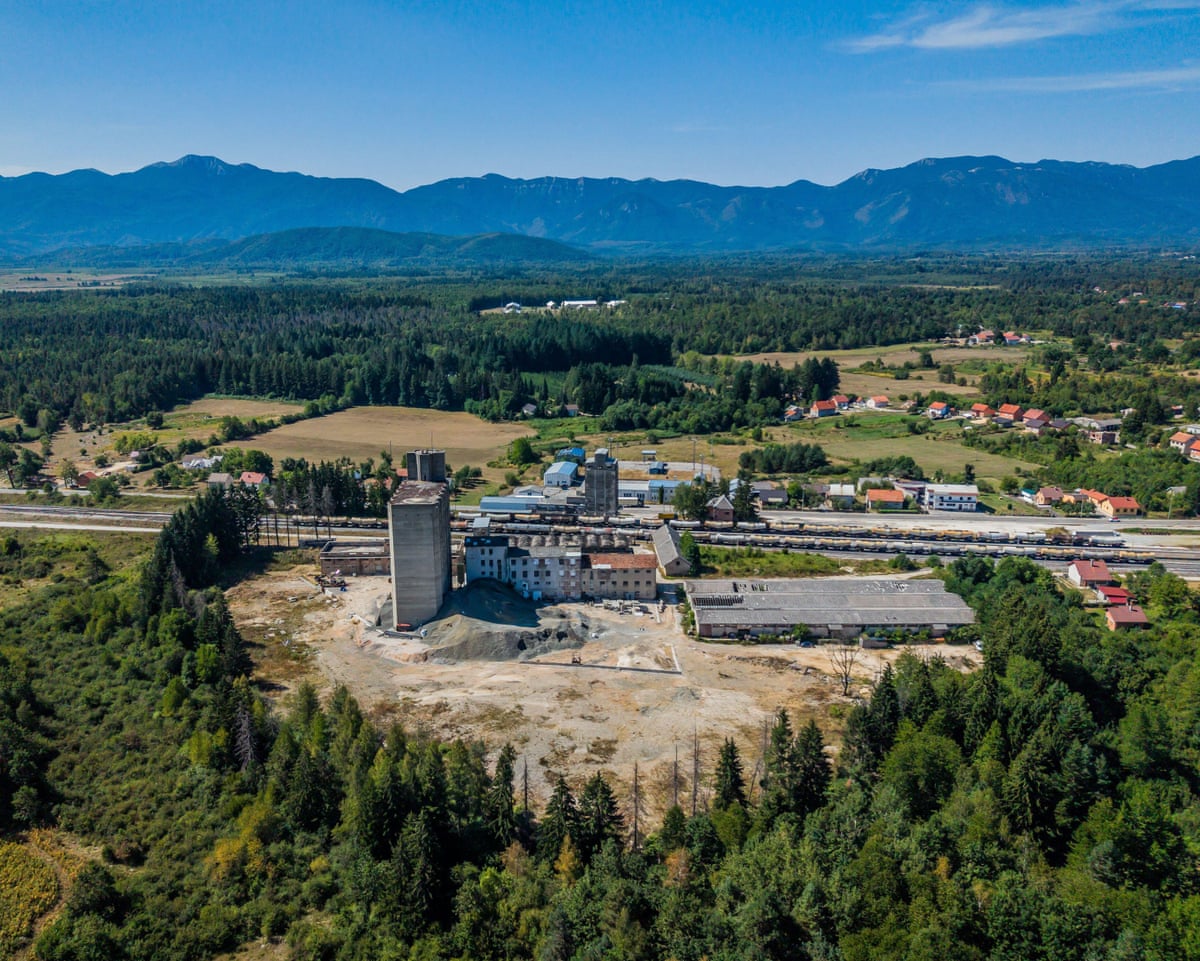
The mountainous Lika region town of Gospić experienced systematic illegal waste abandonment between 2022 and 2024. At one site situated merely 50 metres from Šikić's residence, approximately 35,000 tonnes of waste—much of it hazardous—was deposited and buried beneath the soil. An expert report later determined that the illegal landfill covered nearly 17,800 square metres and the dumped material was classified in the severe HP14 ecotoxicity category.
How did the dumping go undetected?
For months, heavy lorries laden with waste travelled through Gospić under cover of darkness, passing directly in front of Šikić's home before entering a nearby industrial site. Local authorities and police largely overlooked this activity, but residents were acutely aware of what was happening. Determined to document the illegal operation, community members organised a rotation system to photograph and record the vehicles entering and leaving the site throughout the night.
"I don't think it should be our job to stay awake all night to see what's on," Šikić remarked, expressing the frustration felt by those forced to become informal environmental monitors in their own neighbourhood.
What contamination has been discovered?
Testing revealed alarming levels of toxic substances in the surrounding environment. Researchers detected PFAS in downstream groundwater at 200.5 nanograms per litre, approximately double the Croatian and European threshold for water intended for human consumption. These synthetic chemicals, commonly referred to as "forever chemicals," persist in the environment for decades and have been linked to numerous health conditions, including several types of cancer.
Elevated concentrations of copper and lead were also identified in soil samples. Despite official assurances that drinking water remains safe, residents have lost confidence in these reassurances and many have begun purchasing bottled water as a precaution.
"I'm really scared," Šikić said. "I would like to move house but I don't know who would pay for the house on the first road next to the waste. I feel betrayed."
Who was responsible for the dumping?
In February 2025, years after the illegal activity commenced, police and law enforcement officers arrested 13 individuals suspected of involvement in an environmental criminal network. Two Croatian nationals emerged as the primary suspects and were identified as high-value targets by authorities. These individuals are believed to have orchestrated the illegal importation of hazardous waste from Italy, Slovenia, and Germany, generating profits estimated at over €4 million (£3.4 million) from the operation.
Waste crime represents a substantial criminal enterprise. Organised networks exploit the considerable expenses involved in legitimate waste treatment and disposal. By falsifying documentation to misrepresent waste as material destined for recycling, criminals circumvent proper disposal costs and retain the financial difference as profit.
Why has cleanup been delayed?
Residents anticipated that the arrests would result in immediate site closure and remediation. However, 18 months after the arrests, the contaminated site remained untouched and posed ongoing environmental and health risks. This inaction prompted Šikić and 16 other residents to establish the "Gospić is our home" movement in response to the government's apparent inertia.
Ivana Rukavina Sarić, a fellow campaign member, explained the group's strategy: "We called people from different professional backgrounds because we knew from the beginning that this would be highly complicated and would need a multi-disciplinary approach."

The campaign gained momentum after residents shared their experiences through online platforms and Croatian media outlets. What began as a localised protest evolved into a national movement, with the group receiving daily calls from other affected communities across the country facing identical waste contamination problems.
"There are so many waste hotspots in the whole of Croatia and so many people facing similar problems," Sarić observed. "The problem we have in Gospić is the drop of liquid that overflows the glass. It's become a national, even global problem."
How widespread is illegal waste dumping?
Gospić is not an isolated case. Similar illegal dumping has been documented in other Croatian towns, and the phenomenon extends far beyond national boundaries. The United Nations estimates that between 15 and 30 percent of European Union waste shipments are illegal. Investigations have uncovered irrigation canals in Turkey contaminated with microplastics, reflecting the scale of waste trafficking affecting countries far from the dumping sites.
The crisis in Croatia mirrors challenges documented elsewhere in Europe. A documentary exposing toxic dumping in Wales revealed only a fraction of Britain's contamination crisis, with experts estimating 20,000 high-concern sites nationwide, while the UK government has committed to funding cleanup of major illegal waste dumps in England totalling 48,000 tonnes under a new waste crime action plan.
What prompted the mass protest?
Public anger at the scale of the contamination crisis and the government's failure to act prompted a major demonstration. On 5 September 2026, tens of thousands of residents from across Croatia descended on the capital. The gathering drew upwards of 40,000 participants marching through Zagreb in what became one of the country's largest environmental protests.
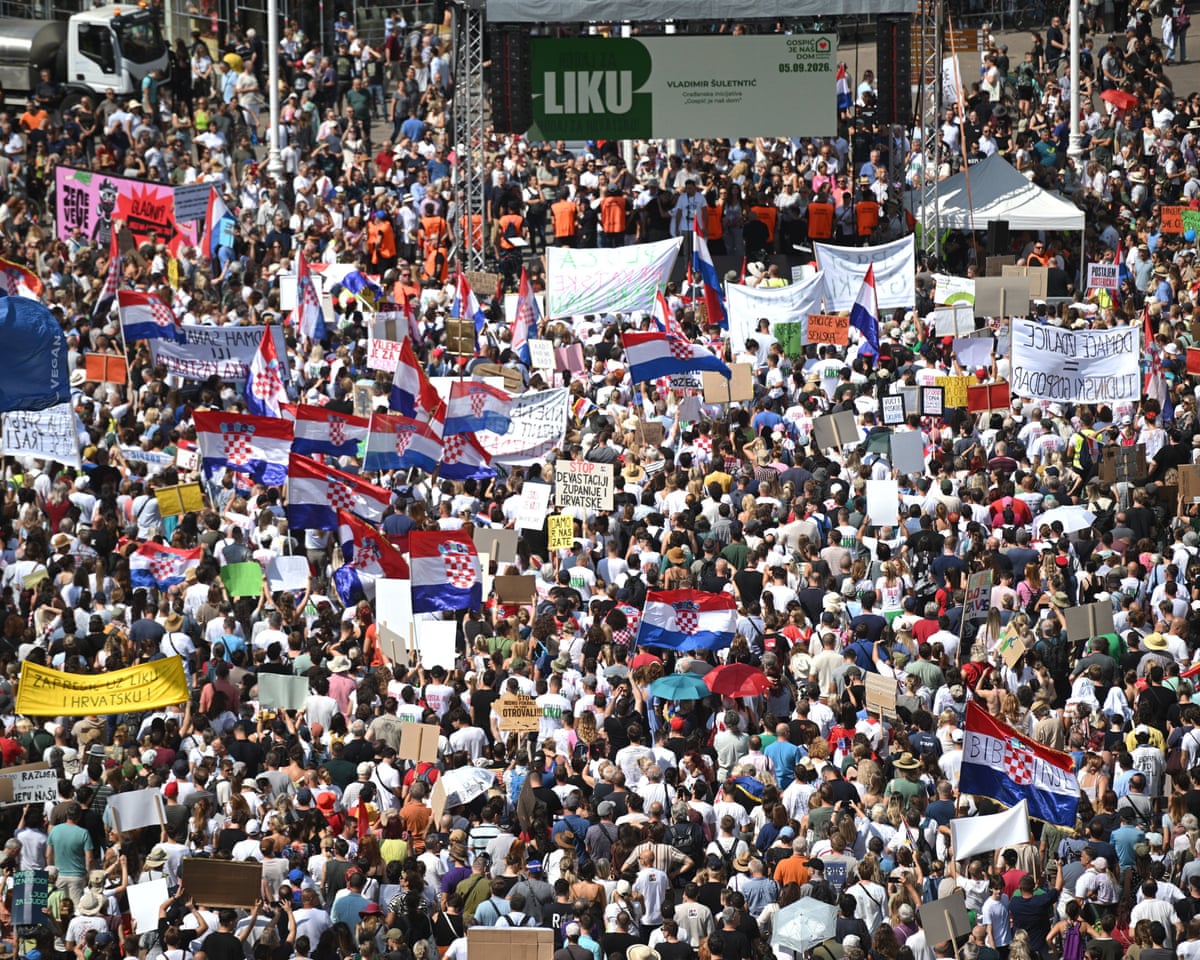
"The capital was full," Sarić recalled of the demonstration's scale and impact.
What are the campaign's demands?
The "Gospić is our home" movement has articulated three primary demands. First, they are calling for comprehensive remediation of the contaminated site and the urgent removal of all buried waste. Second, they want all identified waste hotspots throughout Croatia to be incorporated into a national waste strategy. Third, they are demanding transparency and accountability from government officials.
"We've lost so much time, we don't have time for more promises," Sarić stated. "We want clear information, clear deadlines and clear action."
What cleanup efforts have begun?
The government initiated two public procurement procedures for waste removal, disposal, and recovery. More recently, Croatian authorities announced in late September 2026 that an urgent cleanup of approximately 650 tonnes of non-hazardous waste from the Gospić site had commenced, with material being directed for recovery in the cement industry. The government had also launched public procurement in February 2026 for the first remediation phase following the completion of research and documentation.
However, the scale of the challenge remains substantial. Authorities have assessed four potential remediation options, with estimated costs ranging from approximately €2 million to €125 million depending on the chosen method. A June 2026 assessment placed the overall cleanup cost at roughly €50 million.
What happens next?
Authorities are continuing to evaluate the most effective long-term waste removal strategy. Officials have indicated that remediation is expected to span several years, with a company selected for initial phases while a comprehensive long-term plan is developed. The campaign group has announced plans to travel to Brussels to protest at the European Parliament, escalating pressure on both Croatian and EU-level authorities to accelerate action on what has become a transnational environmental crisis.
The Croatian government did not respond to requests for comment on the ongoing situation or the campaign's demands.
Key Facts
- An estimated 35,000 tonnes of hazardous waste was illegally dumped at a site 50 metres from residents' homes between 2022 and 2024
- Testing detected "forever chemicals" (PFAS) in groundwater at twice the safe threshold for human consumption, along with elevated copper and lead levels
- Thirteen individuals were arrested in February 2025, with two main suspects believed to have generated over €4 million in illegal profits
- Over 40,000 people participated in a national protest in Zagreb on 5 September 2026 demanding immediate cleanup and a national waste strategy
- Cleanup of non-hazardous waste began in late September 2026, though full remediation is expected to take several years at an estimated cost of €50 million