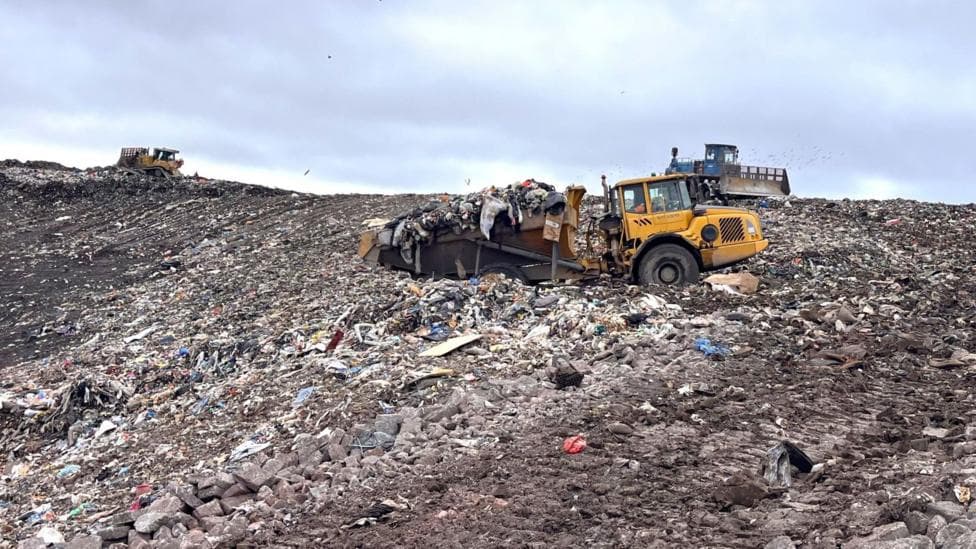
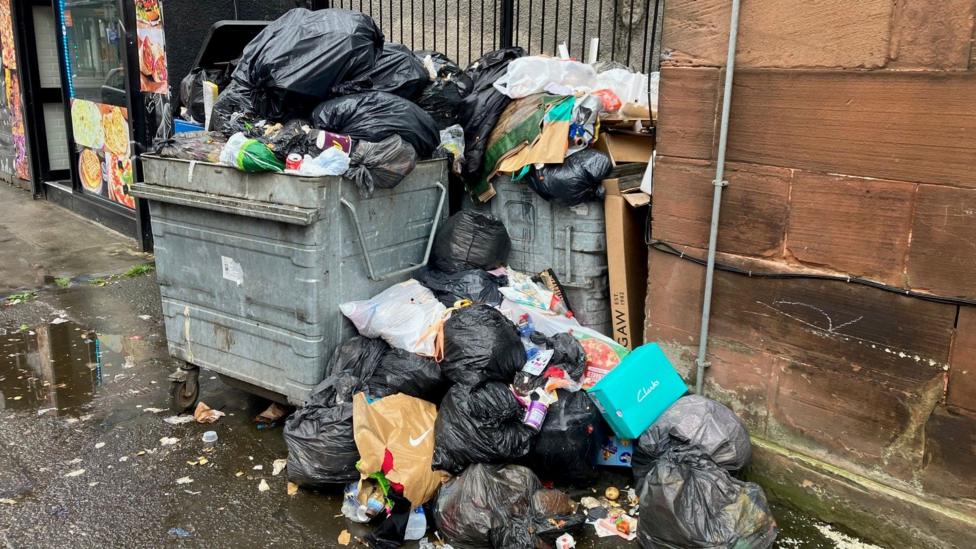
Scotland's waste management system faces an imminent crisis that could result in uncollected rubbish accumulating on streets, according to industry experts. The convergence of sharply reduced landfill capacity and the prolonged closure of Glasgow's primary incinerator has created what specialists describe as a "perfect storm" threatening waste collection services across the country. Industry representatives are scheduled to meet with government officials to raise their concerns, though they acknowledge no straightforward short-term remedy exists to avert the crisis.
The Scottish government stated it is collaborating with stakeholders to sustain operational resilience and establish contingency measures if circumstances require them.
Why is landfill space disappearing?
Landfill capacity throughout Scotland has been contracting as operators reduce their activities in preparation for an impending prohibition on depositing black bag waste at landfill facilities. Originally scheduled to take effect in early 2024, this ban was postponed until January 2028 following an investigation that revealed approximately 100 lorry loads of waste would require daily transport to England by road.
The situation has deteriorated significantly in recent months. A decade ago, Scotland operated ten major landfill sites accepting the bulk of the nation's residual waste—material remaining after recyclable and compostable items are removed. This number has contracted to merely three sites, with one currently in administration. Patersons of Greenoakhill's application to expand the Mount Vernon site was rejected by Glasgow City Council in September following more than 300 objections.
What happened to Glasgow's main incinerator?
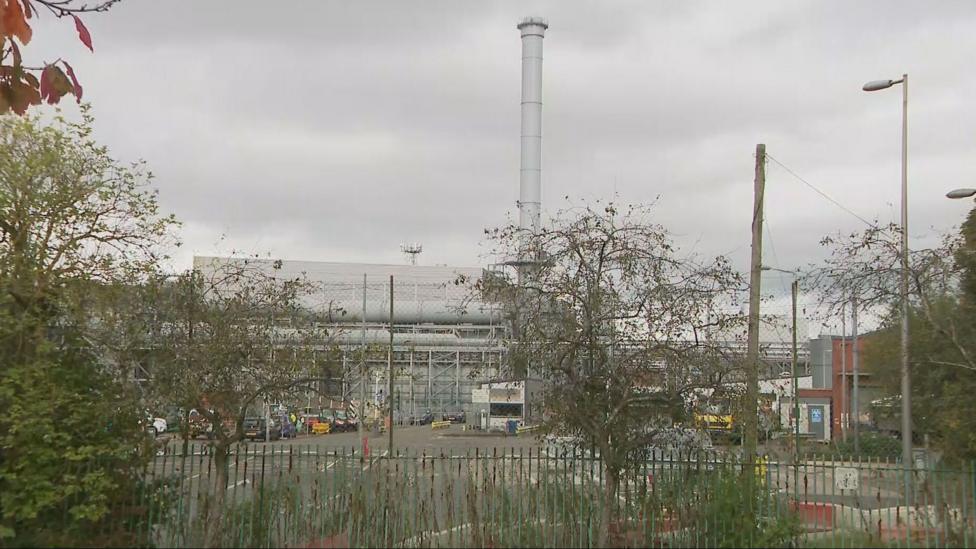
The situation has been intensified by the failure of Glasgow's primary incinerator at Polmadie, which ceased operations in April after welding cracks were discovered during routine maintenance inspections. The facility is not anticipated to resume functioning until March 2027. Road closures and repair work in the Polmadie area on 9 September 2026 demonstrated continued infrastructure disruption around the city's waste-handling corridor.
Much of Glasgow's household waste is currently being redirected to the expansive landfill at Mount Vernon. The site's operator, Patersons, reports that only a few months of capacity remain for waste burial. The volume of rubbish processed there has surged from approximately 2,000 tonnes weekly to 5,000 tonnes weekly. The operator projects the site will reach capacity by year's end.
How did Scotland get into this situation?
The landfill prohibition was intended to encourage expanded recycling, with residual waste being channelled instead to incinerators where combustion generates electricity. This policy sparked a surge in proposals for waste-to-energy facilities, prompting the government to impose a moratorium on new applications in 2022. This restriction was implemented due to apprehension that Scotland would accumulate surplus incinerator capacity relative to available waste, particularly if recycling performance improved.
However, household waste recycling rates have remained virtually static over the past decade. Scotland currently operates five waste incinerators, with the Polmadie facility rated at 200,000 tonnes annually. A recent analysis by Zero Waste Scotland determined that most incinerators are functioning substantially below their maximum capacity, suggesting the anticipated capacity shortfall may have been miscalculated.

Additional facilities are under construction, including the South Clyde Energy Centre at North Cardonald, but completion timelines are insufficient to resolve immediate difficulties. Several waste processing sites in northern England, some of which reportedly received Scottish waste, have been shut down by the Environment Agency following investigations into suspected unlawful waste operations.
What are industry experts saying?
David Balmer, a landfill manager collaborating with Mount Vernon's operator, stated that Scotland could rapidly exhaust its landfill capacity. He characterised the Polmadie breakdown as generating a perfect storm.
Could you see waste on the street? Absolutely,he said. Balmer noted that councils and waste contractors bear a legal responsibility to gather rubbish.
But if they can't process it further down the line, what's the easier solution? The easier solution is to leave in the streets at the moment, pending a solution. The problem is we can't see a solution.
Alasdair Meldrum, a waste management consultant at Albion Environmental, stated he has not encountered such a severe impending crisis during his nearly four decades in the sector. He indicated that certain commercial operators are already struggling to locate disposal outlets for their waste, with some material being transported hundreds of miles to locations in England.
There's no easy solution. There are a number of landfill sites that could develop more void space but you can't do the engineering work in the winter. There's no real short-term solution. We've got ourselves into a real problem.
Could recycling help solve this?
One potential remedy involves householders minimising the volume of black bag waste they generate by increasing their recycling participation. Nevertheless, Scotland's recycling performance has shown minimal improvement over the past decade. Zero Waste Scotland has projected that more than half of domestic residual waste could be diverted to recycling streams.
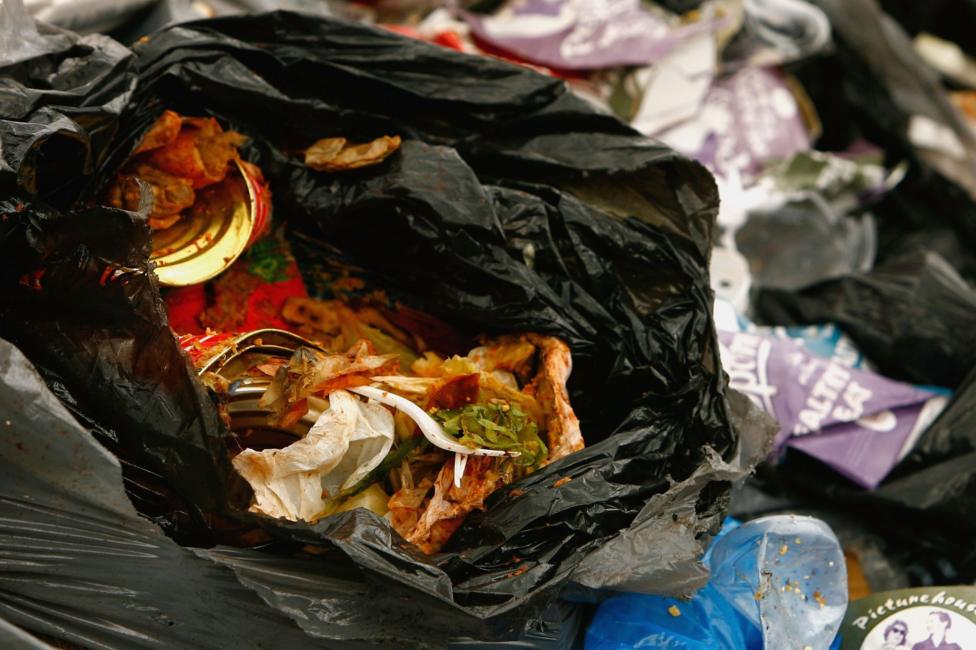
Food waste represents one of the largest components of this recyclable material. If gathered separately, it could be processed through anaerobic digestion. However, environmental organisation Friends of the Earth Scotland contends that government policy, rather than individual household behaviour, bears responsibility for the crisis.
Kim Pratt, circular economy campaigner for the organisation, stated there has been excessive emphasis on incineration and insufficient focus on diminishing the total volume of waste entering the system.
That makes all these problems much easier to solve. It reduces the expense for households, it makes it easier to meet the landfill ban and it reduces the need for incineration.
What are councils and operators doing?
Glasgow City Council reported that general waste is being processed at multiple alternative facilities, including additional energy-from-waste installations. A council representative stated:
We are satisfied there is sufficient capacity in the overall system to ensure general waste is disposed of appropriately while the Grrec is offline for repair. Residents should continue to use their household bins as normal. Recycling services are unaffected by the current issues.
The council and Viridor, which operates the incinerator, are collaborating to restore the Polmadie facility to operational status following completion of repair work.
What is the government's position?
Gillian Martin, the Scottish government's climate action secretary, emphasised that transitioning toward an economy where materials remain in productive use for extended periods, rather than being routinely discarded, is vital. She recognised the requirement for
sufficient strategic landfill capacityto be maintained during the transition phase while certain materials cannot yet be recycled or reused. She continued:
We've been working closely with stakeholders to monitor capacity, maintain resilience and identify appropriate contingency arrangements should they be required.
Key Facts
- Scotland's operational landfill sites accepting residual waste have decreased from ten to three in recent years, with one currently in administration
- Glasgow's Polmadie incinerator has been offline since April 2026 due to welding cracks and is not expected to resume operations until March 2027
- Mount Vernon landfill, which has served as a waste facility since 1955 and is among Europe's largest urban landfill sites, is projected to reach capacity by the end of 2026
- Recycling rates in Scotland have remained essentially unchanged over the past decade, limiting a key potential solution to the crisis
- The government-imposed moratorium on new waste-to-energy facility applications, implemented in 2022, has contributed to the current capacity constraints