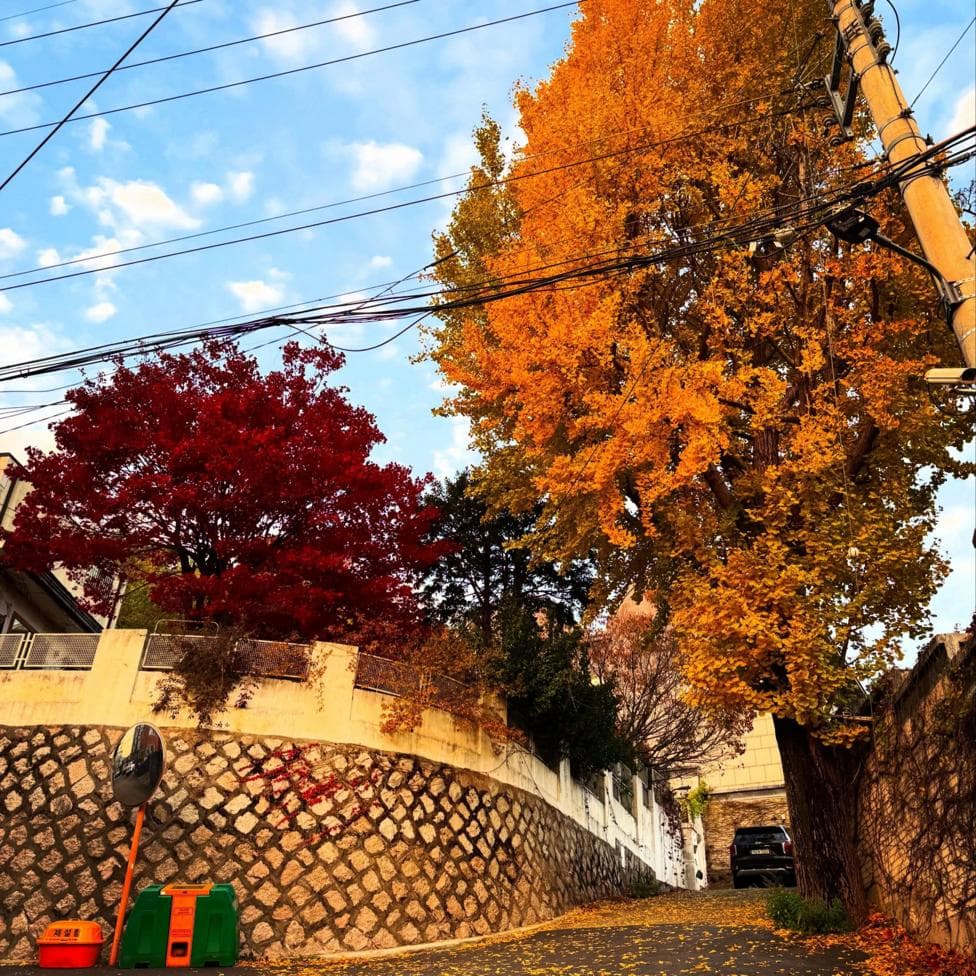
Every summer, Seoul transforms into a landscape of deep green, growing dense and lush beneath humid skies. But in the summer of 2026, one tree in the northern neighbourhood of Buam-dong began visibly deteriorating, sparking a community investigation that would captivate the nation and raise troubling questions about urban conservation.
The tree in question is a ginkgo that locals believe has stood in its streetside location for more than a century—some reports suggest it may be nearly 200 years old. When its green leaves began falling to the ground in late spring, far earlier than the natural autumn season, residents grew alarmed. A carpet of fan-shaped leaves soon surrounded the trunk, a sight so troubling that locals formed an amateur detective unit to uncover what was ailing their cherished neighbourhood symbol.
A neighbourhood's beloved
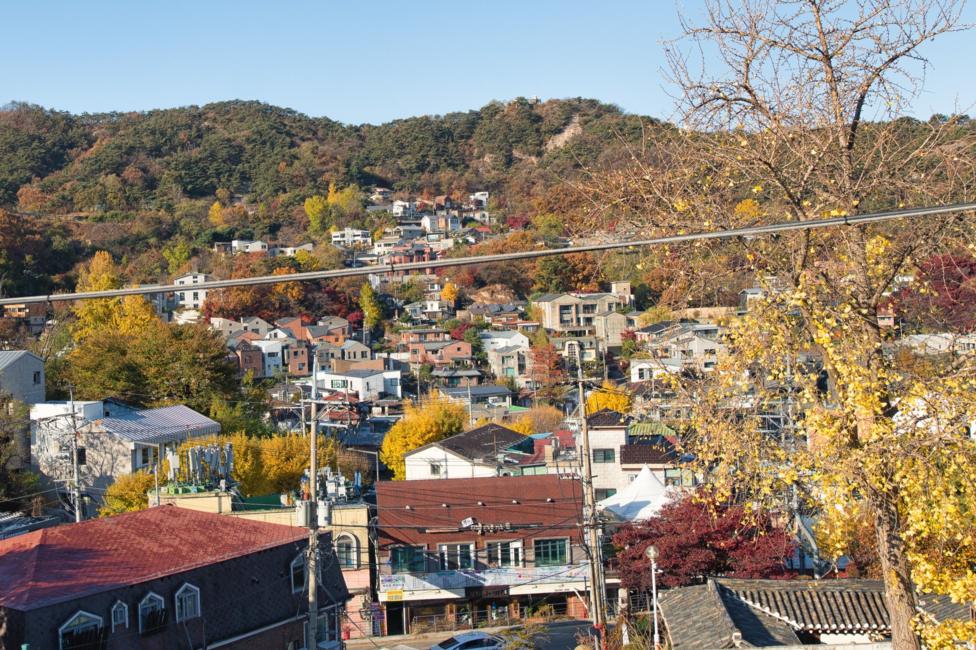
Tucked between two mountains, Buam-dong attracts travellers and residents seeking respite from Seoul's intensity. The neighbourhood's proximity to the Blue House, the president's official residence, has restricted urban development, allowing it to retain its distinctive character with art galleries, cafes, and tree-lined streets.
For Jung, a resident who moved to the area four years ago, the ginkgo was the first thing she noticed. She grew so attached to it that she began addressing it as "Grandpa Ginkgo," greeting it each time she passed. "I pass this tree whenever I come home. I would say, 'Grandpa, I'm home.' Or 'Grandpa, I'm heading out now'," she recalls. "It was the only tree in the neighbourhood that belongs to everyone."
To Park Jeon-hee, who has lived in Buam-dong for nearly all of his 74 years, the ginkgo represents his "oldest friend." For 10-year-old Kim On, who walks past it daily on his way to school, the tree's potential decline brought genuine sadness. The ginkgo had stood since before he was born, and the thought of losing it troubled him deeply.
What triggered the tree's sudden decline?
As the ginkgo's condition worsened, Jung and her neighbours began investigating. They discovered ten white plastic funnels positioned behind the trunk and grew suspicious of their purpose. Security camera footage from a nearby house provided a crucial clue: on a morning in late April, the cameras recorded two men wearing white gloves crouching at the base of the tree with a drill.
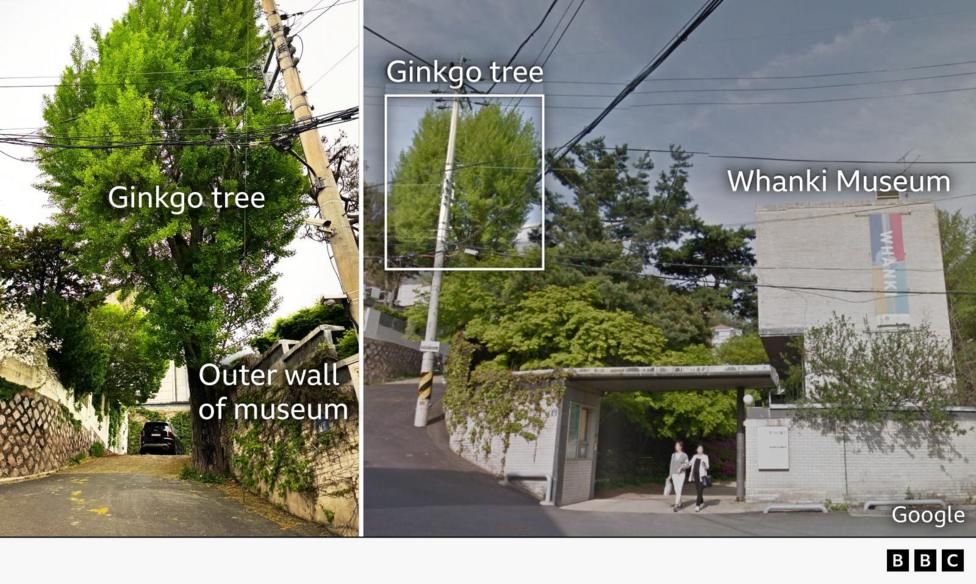
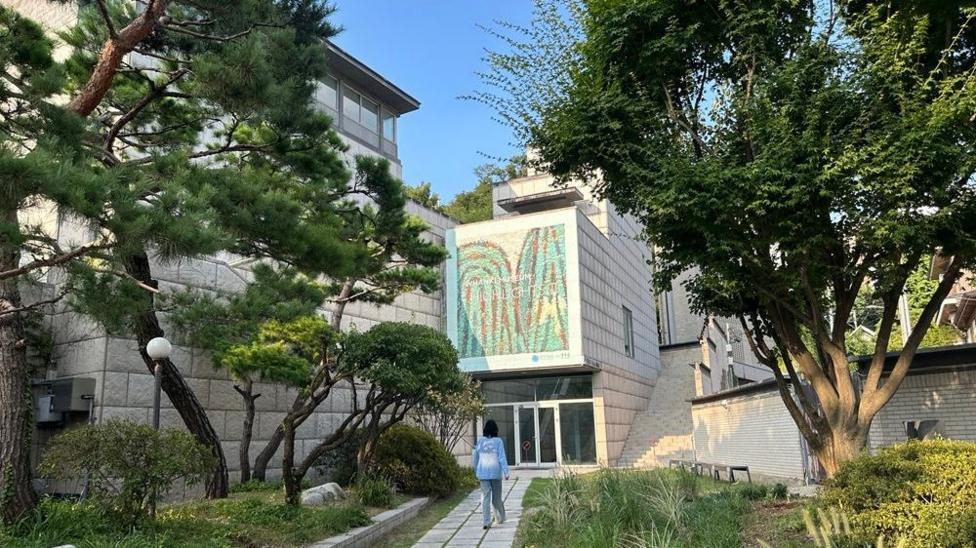
The residents soon recalled that the Whanki Museum, located adjacent to the ginkgo, had previously requested permission from local landowners to remove the tree. The museum had claimed that its outer brick wall, positioned inches from the ginkgo, was under structural strain from the tree's roots. This detail, combined with the mysterious funnels and the drilling footage, led residents to form a troubling hypothesis.
According to reports from a South Korean news outlet, residents filed a police complaint in June accusing the Whanki Museum's director and foundation of property damage and soil-environment violations. A subsequent investigation allegedly revealed that the museum had hired a landscaping company to drill more than 10 holes into the tree and inject herbicide.
Arborists who examined the ginkgo shared the residents' suspicions, confirming that the damage pattern matched typical herbicide poisoning. Diagnostic results from late June indicated that nearly 90 percent of the leaves had been bleached or discoloured, consistent with chemical damage rather than natural disease.
When residents confronted museum staff on the day they discovered the footage, accompanied by four police officers, an employee "basically admitted" the museum had done something to the tree, according to Jung and her neighbour. However, the museum has neither publicly confirmed nor denied injecting herbicide, and initially did not respond to inquiries about the allegations.
The museum's perspective and the official response
The Whanki Museum, which opened in 1992 to honour the late painter Kim Whanki—known by many as the "Picasso of Korea"—eventually issued a statement acknowledging the situation. The museum said the wall of its compound was "collapsing because of the ginkgo's roots" and that it had sent letters to more than 40 property owners "requesting a solution." When no response came, the museum stated that its staff "attempted to resolve the situation," though it did not specify what actions were taken.
Later, the museum issued an apology on its website, acknowledging concerns about the tree's roots and the risk to the wall's structural integrity. The museum also noted that the tree stood close to a high-voltage utility pole, adding another layer of concern about safety hazards.
A local council representative told investigators that an inspection conducted the previous year found "no meaningful connection" between the ginkgo tree and damage to the museum wall. If such an issue had existed, the official stated, "we would have taken appropriate action and informed the relevant parties."

Police confirmed they were investigating the case following the residents' June complaint, though officials declined to share additional details about the investigation's progress or findings.
The irony of a nature-loving artist's legacy
The situation carries a profound irony that has not escaped Buam-dong's residents. Kim Whanki, the artist honoured by the museum, was deeply connected to nature. He wrote essays under the pen name Su-wha, which translates to "conversation with trees"—a poetic reflection of his belief in dialogue with the natural world. Decades after his death, the institution built to celebrate his legacy stands accused of attempting to destroy a living tree.
In Korean culture, the ginkgo tree symbolises longevity and resilience, making the alleged poisoning particularly offensive to residents. "Treating life that way is ignorance and there was never any apology," Jung says, reflecting on the contradiction between the museum's stated mission and its alleged actions.
The residents have adopted Kim's poetic pen name "Su-wha" for their endangered tree, transforming it into a rallying cry for urban conservation. They have also partnered with environmental activists, who launched a petition calling for citizens to be authorised as s of urban trees. Activist Choi Jin-woo expressed his shock upon learning of the alleged poisoning: "When I first heard that a tree next to a museum had been poisoned with herbicide and was dying, I simply couldn't believe it. But when he saw the ginkgo shrivelling, he "realised something this horrific could actually happen in our society."
A community united in grief and hope
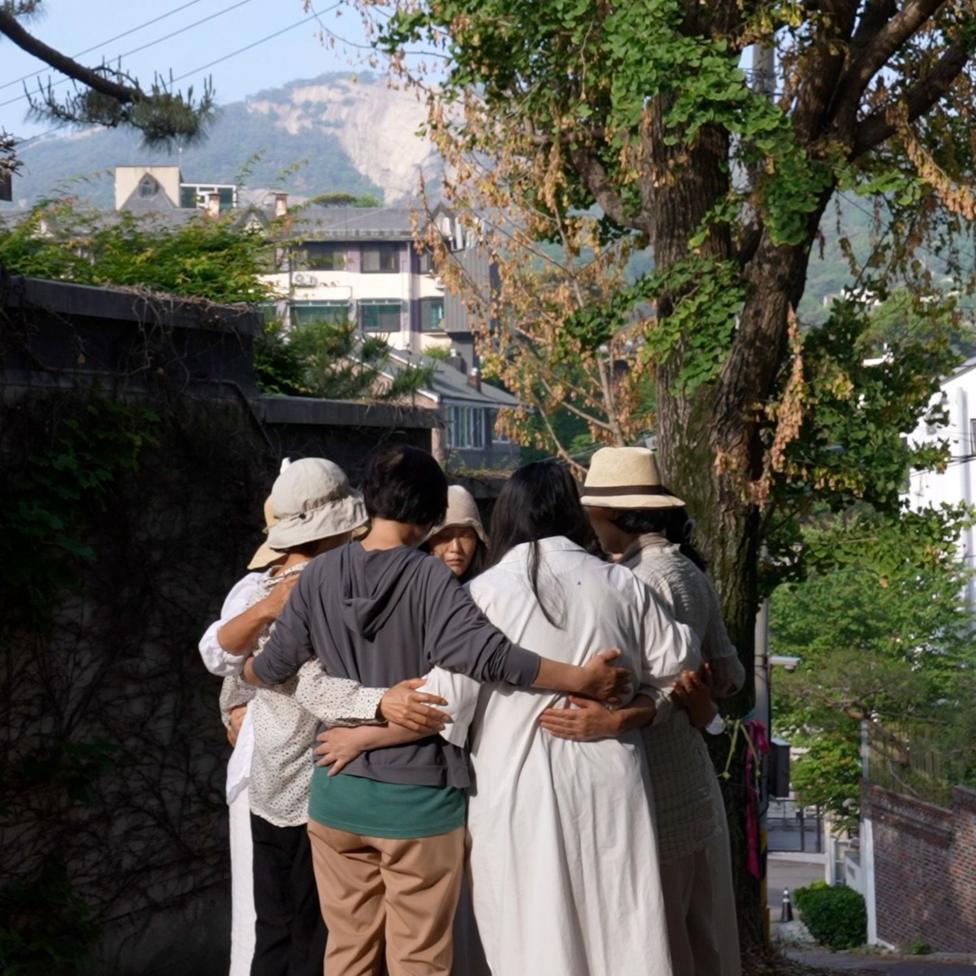
As summer progressed, the ginkgo's branches increasingly turned bare and brown. An arborist who inspected it determined the tree was "90% of the way toward death," according to Choi. Yet the campaign to save the ginkgo produced an unexpected benefit: it brought the people of Buam-dong closer together.
While Jung spent her days garnering support for the tree, neighbours left home-cooked meals by her door. She, in turn, prepared vegetable soup for neighbours she had never met before. The shared mission created bonds that transcended the immediate crisis.
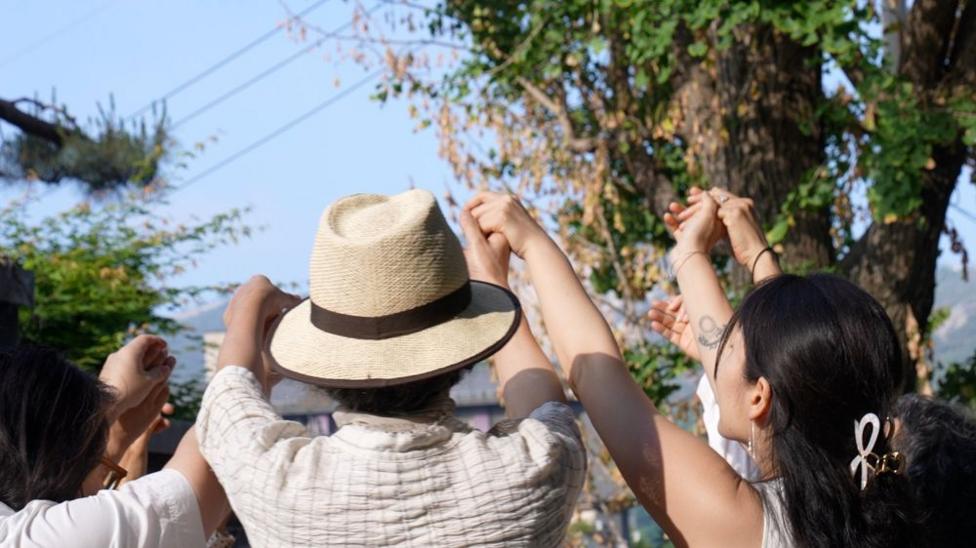
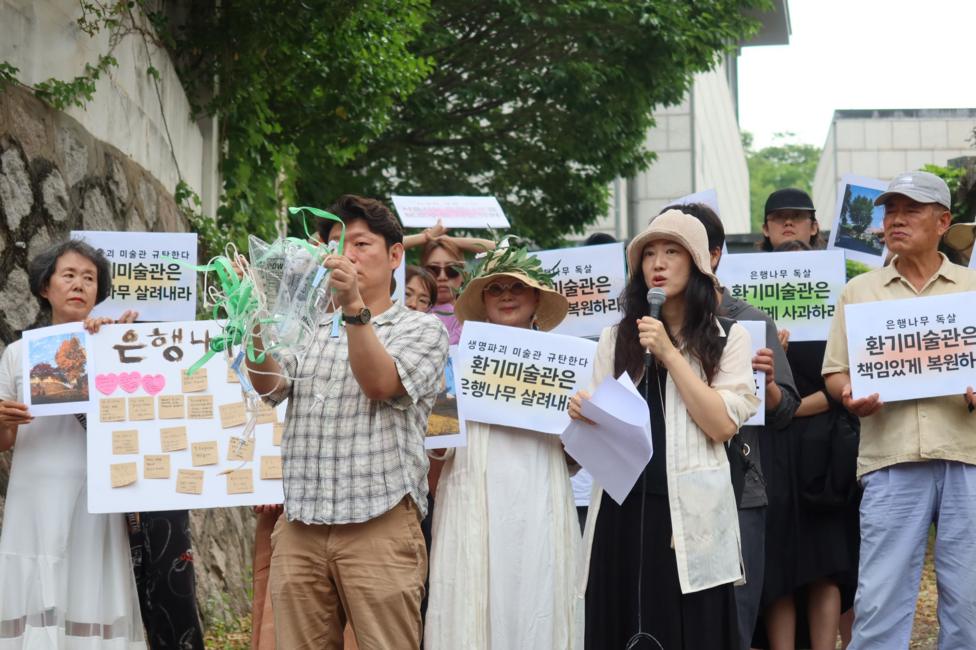
For weeks, around 20 residents regularly gathered in front of the tree to pray for its recovery. Some recited Whanki's essays aloud, while a local shaman performed a "healing ritual." Notes of well wishes fluttered against the trunk as music played, and the group joined hands and swayed in unison for an "elm dance," a practice some nature lovers and activists believe promotes ecological healing.
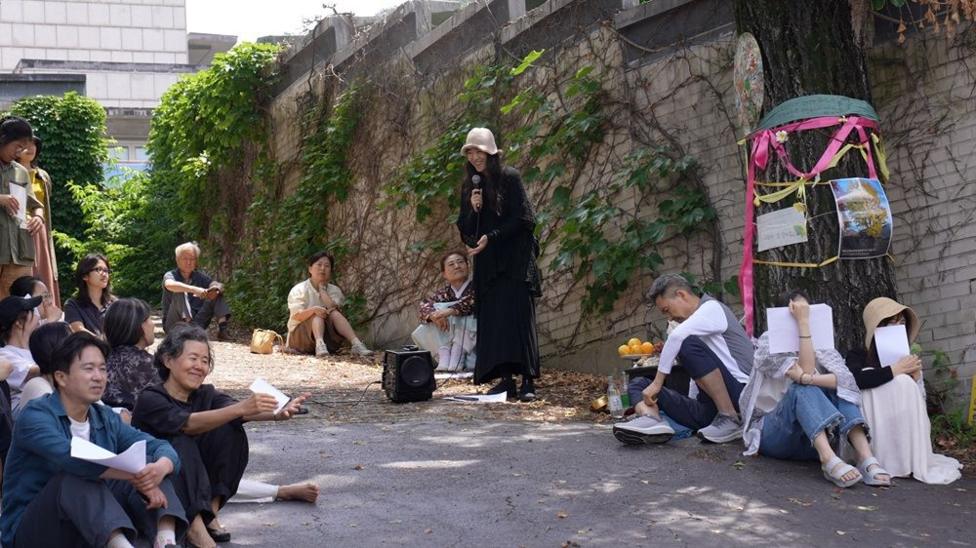
Kim Min-joo, who has lived in Buam-dong for more than a decade, reflected on what might have prevented the alleged poisoning: "If someone had truly understood this tree was deeply loved, they probably would not have made the decision to inject herbicide."
An unexpected personal transformation
For Jung, the campaign to save the ginkgo carried personal significance beyond neighbourhood activism. She had fallen ill the previous winter and struggled to walk or leave her home. The tree's crisis drew her back into the community and into active engagement with life.
"I felt so depressed and hopeless but those feelings disappeared. I entered a tree-like state," she reflects. While she still cannot walk very much, she credits the tree with helping her recovery: "The tree helped bring me back out into life again. Ironically, it was because the tree became sick."
Looking back on the experience, Jung acknowledges both the heartbreak and the unexpected beauty of the moment: "Although it has been heartbreaking, there were also incredibly moving moments. The neighbourhood came together, cared for one another, looked after each other."
What happens next
As Seoul transforms into various shades of yellow with the arrival of autumn, the leaves on Buam-dong's once-prized ginkgo remain a crispy brown. The neighbourhood continues to hope for a miracle, though the tree's survival remains uncertain. The residents' police complaint against the museum remains under review, with no final ruling yet publicly reported.
The residents have requested that the museum reveal what was contained in the funnels so that experts can properly treat the ginkgo's injuries. They cannot imagine an autumn in which they do not pause to admire the ginkgo at its finest, swathed in its characteristic feathery coat of gold. Whether that vision will be realised depends on the tree's resilience—and on the outcome of the ongoing investigation into what happened to their beloved "Grandpa Ginkgo."