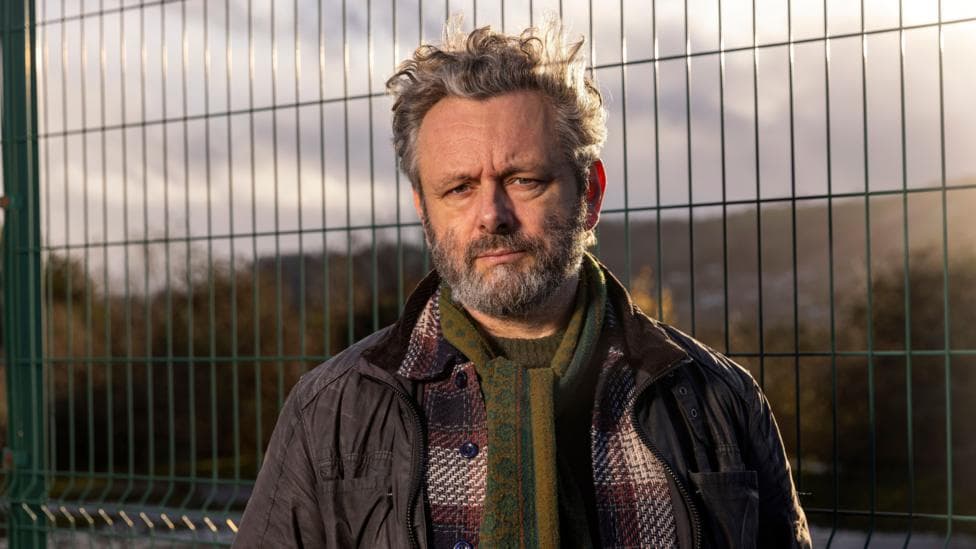
A documentary investigation into Monsanto's dumping of carcinogenic chemicals in Wales has exposed what scientists describe as merely the surface of a much deeper crisis affecting thousands of sites across the UK.
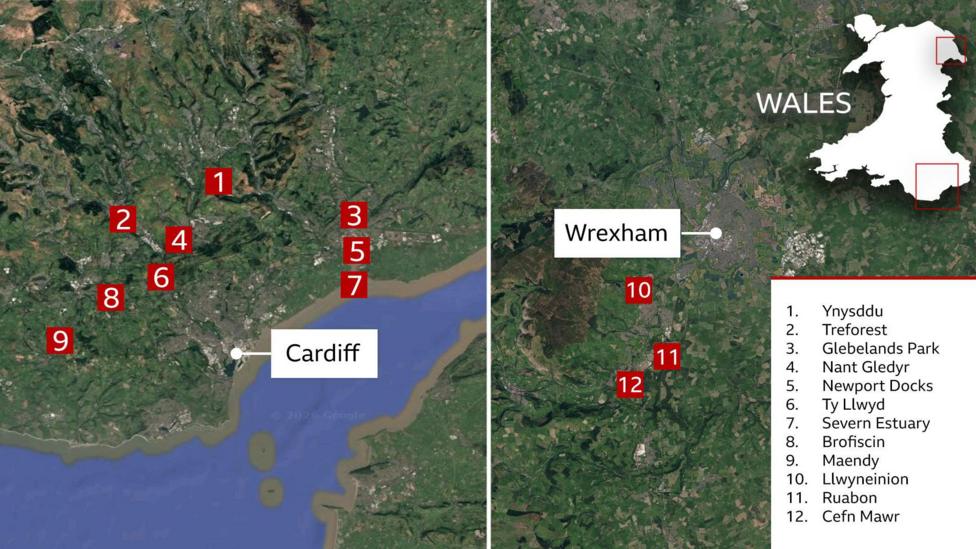
The two-part series, which aired from 17 August 2026, examined 14 locations linked to industrial chemical disposal in Wales and north-west England. However, Dr David Megson, the environmental forensics expert who led the scientific investigation, estimates that approximately 20,000 high-concern contaminated sites exist across Britain, suggesting the documentary's findings represent only a fraction of the problem.
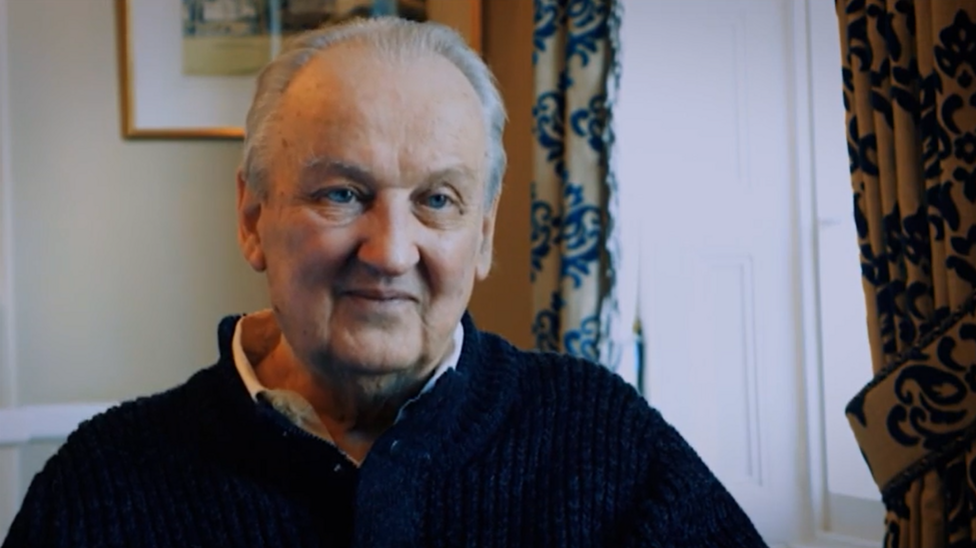
The programme, a collaboration between BBC Factual, BBC Cymru Wales, Wall to Wall and Smoke Trail Productions, builds on earlier investigative work that followed campaigner Douglas Gowan's decades-long effort to expose the dumping of polychlorinated biphenyls (PCBs) in South Wales. Gowan spent 50 years attempting to persuade authorities to investigate what he believed was widespread disposal of industrial chemicals before his death.
What did former workers reveal about safety conditions?
Stephen Constance, who worked at Monsanto's Newport factory during the 1990s, came forward after the documentary aired to describe conditions he characterised as "absolutely dreadful." For three years, Constance helped seal toxic waste underground, a role that exposed him to hazardous materials with minimal protection.
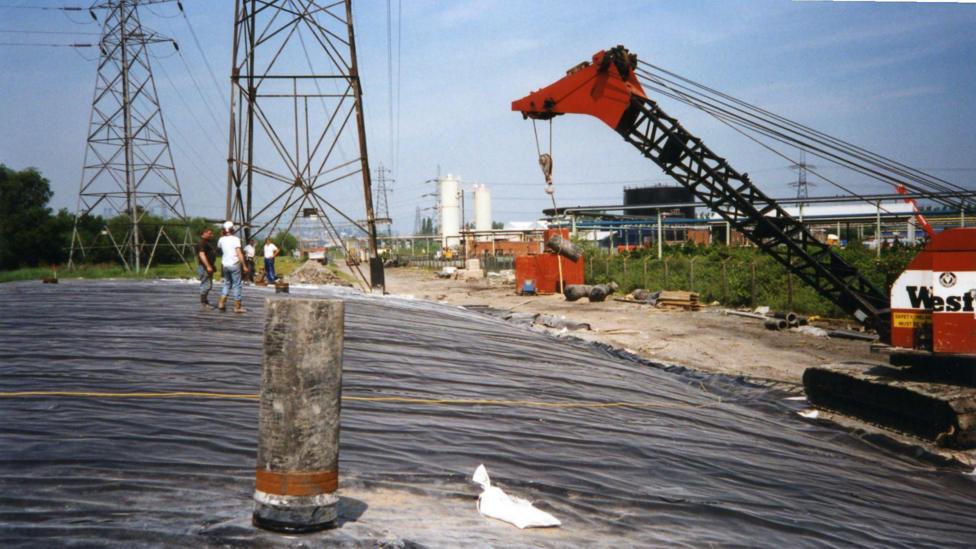
Constance explained that staff were provided with "cheap" protective equipment and were not informed about the nature of the substances they were handling. The material had already been buried when he arrived; his job involved excavating a 6-metre-deep trench around the mound's perimeter before sealing it with plastic membrane sheets and liquid clay.
When asked whether he felt safe given what he now knows about his exposure, Constance responded:
In terms of what we knew was there and what we were potentially exposed to, no.
Constance, now 61, is in remission from follicular lymphoma.
I'm not suggesting in any way at all that it's linked, but the thought did cross my mind,he said regarding the connection between his illness and workplace exposure.
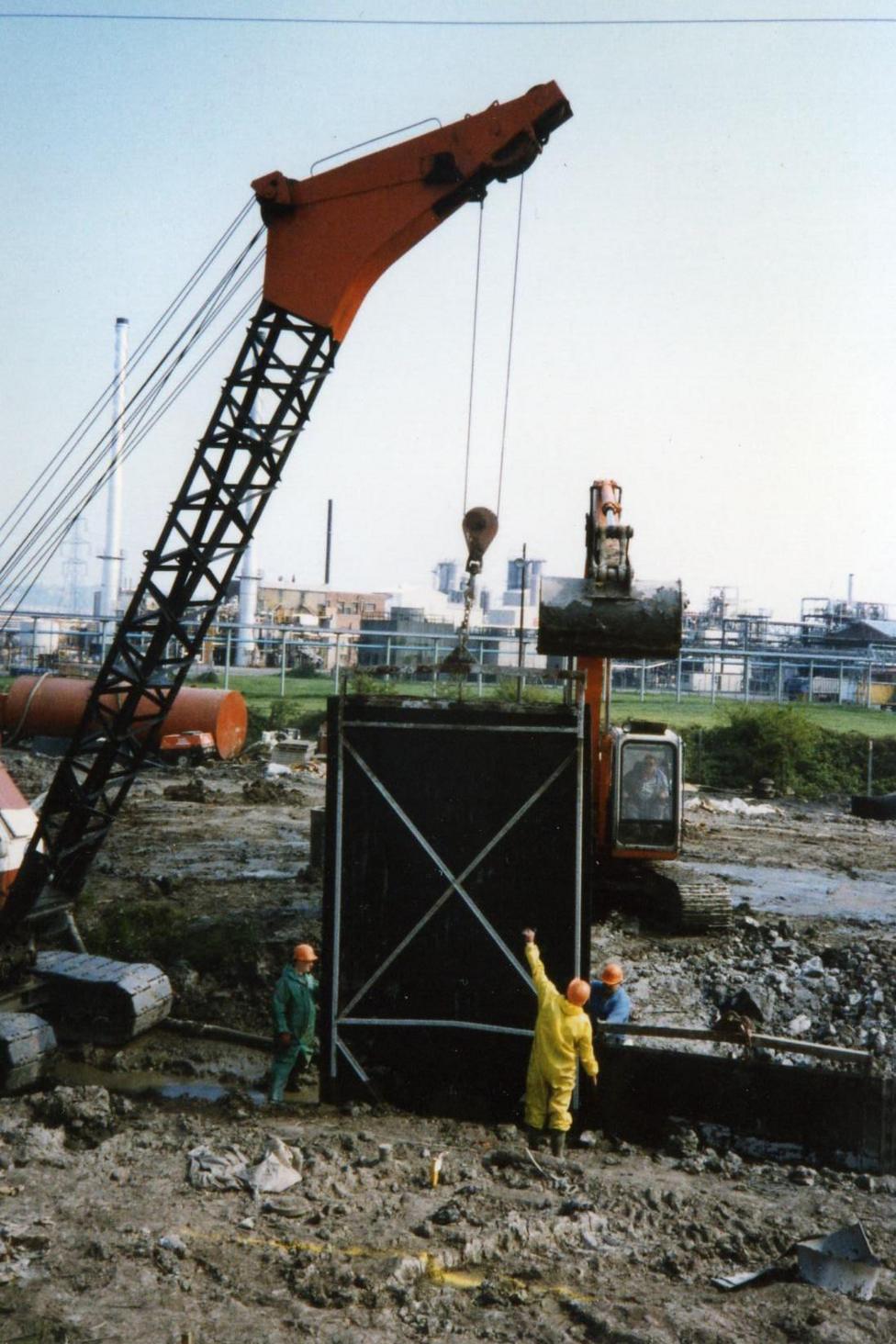
While Constance believes the sealing process prevented airborne contamination, he remains uncertain whether it prevented contamination into the surrounding earth, particularly given the high water table linked to tidal movements in the area.
What did Monsanto know and when?
The documentary revealed a 1972 internal Monsanto memo demonstrating that the company was aware PCBs posed dangers to human health. In response to legal action from a town affected by contamination at its US facility, Monsanto closed that plant. However, rather than ceasing PCB operations entirely, the company significantly expanded its work at the Newport site.
Journalists Dan Ashby and Lucy Taylor, who investigated the story, explained the regulatory environment that enabled this expansion.
The government in the UK told the industry 'we're not going to put any restrictions on importing PCBs',Ashby stated.
So they begin importing from around the world, hundreds of tonnes of PCBs.
PCBs were widely used throughout the 20th century in applications ranging from lipstick to white goods. The UK banned them in the 1970s, and 151 countries have since implemented similar prohibitions. Despite their known dangers, PCBs are classified as suspected carcinogens believed capable of causing cancer.
What do the contamination levels show?
Dr Megson's scientific analysis of the sites documented in the programme revealed contamination levels that alarmed even an experienced researcher. He discovered readings that were, in his assessment,
pretty much the highest I've ever seen in anything we've tested.
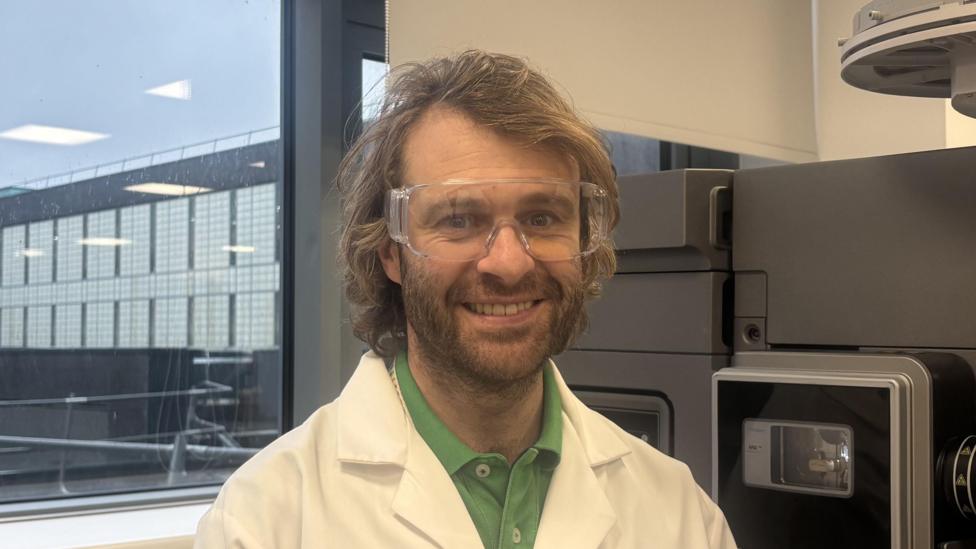
The data demonstrated that the sites are actively leaking and contain what Megson described as "a chemical cocktail" rather than isolated contaminants. His findings proved particularly troubling given his conversations with residents who had expressed concerns about PCB levels near their homes for more than three decades.
It's made me feel quite uncomfortable about some of those sites and what could have happened to all of those people's friends and loved ones,Megson reflected.
The polluter just keeps getting away with stuff left, right and centre.
Megson emphasised that public pressure represents the only realistic mechanism for compelling government action.
Public pressure is the only thing that's going to make this action happen. This is our only chance, if I'm being brutally honest.
Why has the Llwyneinion acid tar lagoon remained untreated?
One of the most striking examples of inaction involves the acid tar lagoon near Llwyneinion in Ruabon, Wrexham. Episode 2 of the documentary, which focuses on this site, was broadcast on 24 August 2026 and remains available on BBC .

Ralph Davies, who has worked in chemical remediation for approximately 35 years, proposed a cleanup method for the lagoon in 2007 but never received a response from Wrexham council. When he visited the site nearly 20 years ago, he was struck by its proximity to residential areas.
People are still saying it does not meet the threshold for remediation, that both angers me and saddens me,Davies said.
The fact it is still there, untouched, is mind blowing.
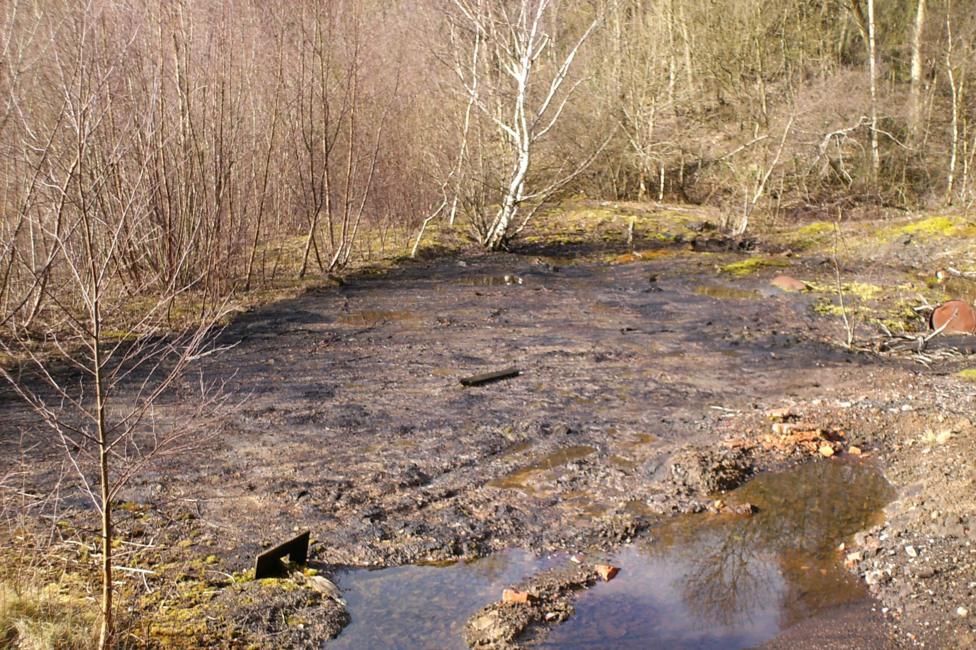
A 2006 environmental engineering consultancy report reviewed by the broadcaster revealed that the lagoon was known to be contaminated as far back as 1979. The site contains 93,100 tonnes of acid sludge from Burmah Castrol and barrels of unidentified substances suspected to originate from Monsanto.
Over the subsequent 27 years, authorities conducted 18 investigations, proposed two remediation schemes, and carried out five treatment trials. Yet as of 2026, the lagoon remains in place. The 2006 report identified 105 potential pathways through which contamination from the site could reach people, wildlife, property, or water supplies, including three uncapped mine shafts beneath the lagoon that could facilitate contaminant movement.
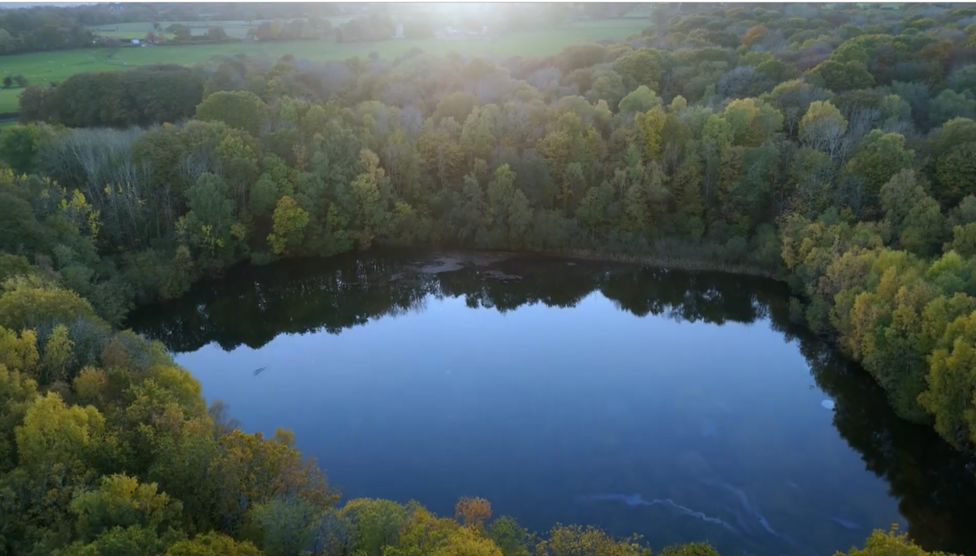
In the 1980s, Clwyd County Council purchased the site and entered into a legal agreement protecting the previous owner from any past, present, or future claims, costs, or liabilities arising from the "escape or nuisance of noxious wastes." Natural Resources Wales, the successor to the Environment Agency, investigated the lagoon in 2006 and 2008. Tests concluded it did not meet the legal definition of contaminated land, returning responsibility to Wrexham County Council as the local regulator.
Wrexham council stated that monitoring since those investigations has not identified significant changes and that no statutory requirement for remediation exists. BP, which is responsible for Burmah Castrol, declined to comment.
What health concerns have emerged?
Emeritus professor Sue Jordan, a researcher at Swansea University, described the documentary as
an eye-openerthat prompted her and colleagues to reconsider whether pollution might explain certain health patterns in Wales. Researchers have not fully determined why some health outcomes, including congenital anomalies and stillbirths, appear elevated in Wales compared to other UK regions.
Jordan called for further investigation, stating:
I would very much like the minister to turn around and say Public Health Wales will look at this. We don't want anything brushed under the carpet.
Public Health Wales responded by noting that its Welsh cancer intelligence and surveillance unit has collected and analysed every cancer case since the 1970s. The organisation stated:
Based on the evidence currently available, there is no indication that historical environmental pollution is responsible for an increased risk of cancer, or any other disease or illness, in these areas.
What legal challenges do contamination cases face?
John Browne, a lawyer specialising in industrial disease claims at Slater and Gordon, explained that cases involving historical contamination are difficult to investigate but not impossible to pursue.

Time passing makes cases more difficult to prove,Browne noted.
Witnesses' memories fade and locating witnesses becomes increasingly challenging and difficult.
However, he emphasised that scientific, medical, and forensic evidence can help establish what occurred and whether exposure to hazardous substances contributed to illness. The critical question, Browne argued, is not merely what the law permitted at the time but what was known about the risks involved.
Communities affected by contamination deserve transparency and clear answers,he concluded.
How widespread is the contamination problem in Wales?
The Welsh government acknowledged the scale of the challenge in its response to the documentary. A 2015 survey of local authorities conducted by Natural Resources Wales identified more than 9,000 potential sites requiring further investigation across Wales. While not all pose risks to human health or the environment, the figure underscores the magnitude of the issue facing regulators.
The Welsh government stated that addressing contaminated land represents one of its key priorities and announced plans to develop a Wales-wide strategy for progressively restoring post-industrial land so that communities are no longer exposed to potential risks.
The documentary series represents a collaboration between BBC Factual, BBC Cymru Wales, Wall to Wall and Smoke Trail Productions, bringing together investigative journalism and environmental science to examine a contamination crisis that has persisted for decades.
What happens next?
Welsh MPs have been reported as pressing for action over the toxic waste legacy highlighted in the series. Both episodes remain available on BBC for over a year following the first transmission on 17 August 2026, allowing continued public engagement with the investigation.
The documentary's release has reignited calls for comprehensive government intervention and transparent investigation into the full extent of contamination across Wales and the wider UK.
Key Facts
- The documentary examined 14 contaminated sites, but experts estimate approximately 20,000 high-concern sites exist across the UK
- A 1972 Monsanto memo showed the company knew PCBs were dangerous to human health yet expanded operations at its Newport plant rather than ceasing production
- The Llwyneinion acid tar lagoon has undergone 18 investigations, two remediation proposals, and five treatment trials over 27 years but remains untreated as of 2026
- PCBs, banned in the UK in the 1970s and by 151 countries, are suspected carcinogens and were widely used in 20th-century products from lipstick to white goods
- A 2015 survey identified more than 9,000 potential contaminated sites in Wales alone requiring further investigation