An invasive plant notorious for its foul odour has been successfully cleared from more than 2.5km (1.6 miles) of the River Alderbourne in Buckinghamshire. The American skunk cabbage, which emits a smell likened to rotting meat, posed a significant threat to native species in the region's chalk streams.
Environmental charity Groundwork South received £9,900 from Affinity Water's INNS Out Scheme to undertake the removal work. The scheme provides grants of up to £10,000 to support community-led projects managing invasive species. The project also benefited from a contribution by the Buckinghamshire and Milton Keynes Natural Environment Partnership.
The team surveyed and treated multiple locations along the river, including a site at Harding's Row Nature Reserve near Iver Heath. According to Groundwork's December 2025 update, post-treatment surveys revealed the plants responded strongly to the control measures, with no observed damage to surrounding native vegetation.
Why was action needed?
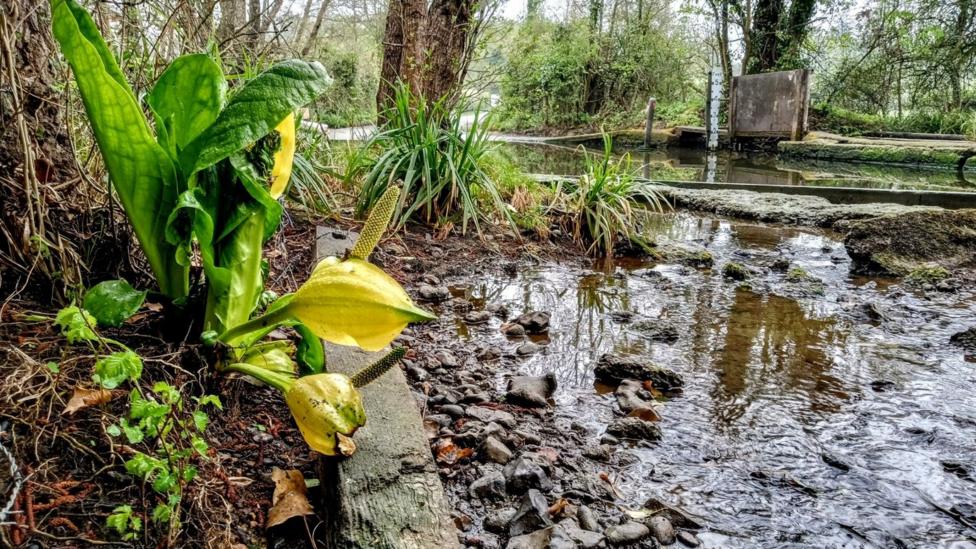
American skunk cabbage, native to swamps and wetlands in the Pacific Northwest, has become a serious concern for British waterways. The infestation had sp than three miles from a single source and reached Kingcup Meadow SSSI, a site of special scientific interest. Without intervention, the plant threatened to crowd out native species and degrade the ecological value of the Colne catchment's globally significant chalk streams.
The species was first recorded growing wild in Britain in 1947, decades after being introduced from western North America as an ornamental plant in 1901. Its sale in the UK was banned in 2016 due to its invasive potential.
How was the plant removed?
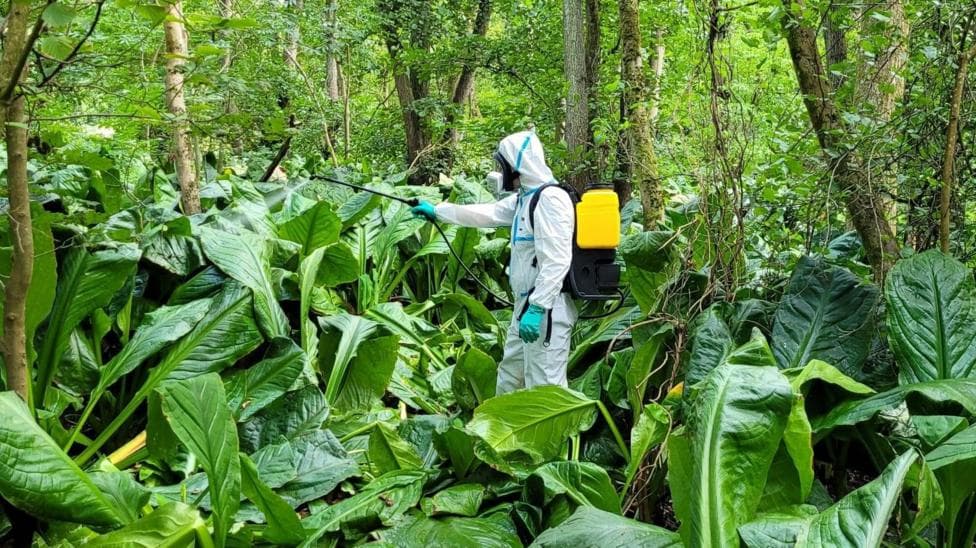
Groundwork staff employed a targeted approach to minimise environmental impact. Rather than spraying chemical controls across the affected areas, the team applied control products by brushing them directly onto leaves. The team also surveyed and GPS-tagged plants across a 3km stretch of river and around Harding's Row to enable precise monitoring.
What happens next?
Groundwork plans return visits to the tagged sites to monitor for seedlings, as American skunk cabbage seeds can remain viable for up to seven years. This long-term approach is essential to prevent reinfestation. Further work depends on securing additional funding.
Matt Mountain, senior project manager at Groundwork, said:
The support from Affinity has been crucial in allowing us to tackle this relatively new invasive species before it reaches a stage where eradication becomes impractical. It's a real win for local and regional wildlife and the wider ecosystem. This is especially true here in the Colne catchment as the rivers under threat are globally significant chalk streams.
Key Facts
- American skunk cabbage produces a distinctive smell resembling rotting meat and is native to Pacific Northwest wetlands
- The infestation had spread over three miles from a single source before control work began
- Seeds remain viable for up to seven years, requiring long-term monitoring to prevent reinfestation
- The plant's sale has been banned in the UK since 2016