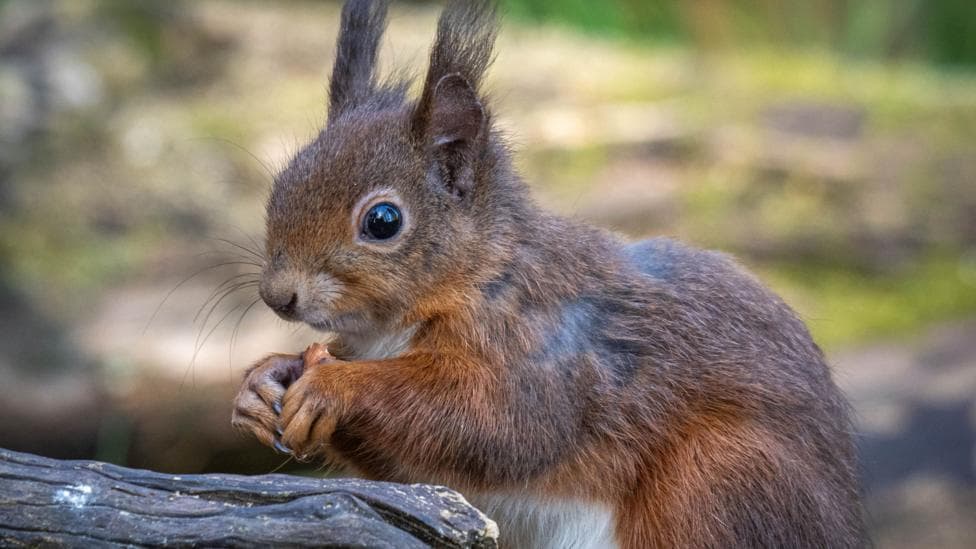
Red squirrel populations across Britain have experienced a dramatic decline, with numbers now estimated at approximately 287,000 according to the Red Squirrel Recovery Network (RSRN). Conservation groups and volunteer organisations are now being invited to apply for funding from a newly opened £250,000 grant scheme designed to support protection and awareness efforts for this endangered species.
The RSRN is accepting applications for grants ranging from £500 for smaller community activities up to £5,000 for initiatives with broader geographical or thematic reach. The scheme aims to "engage people from all backgrounds" in red squirrel conservation work, according to the network's announcement.
The RSRN itself is a five-year initiative involving eight conservation delivery partners and 50 volunteer red squirrel groups, having received £4.86 million in total funding from the National Lottery Heritage Fund. The project, which commenced in 2025, operates across Northumberland, Cumbria, Manchester, Lancashire, Merseyside and southern Scotland, working alongside conservation partners and volunteer groups to raise awareness of the species' plight.
Why are red squirrels in danger?
The species faces multiple threats to its survival. According to Natural England, the primary cause of decline stems from the introduction of grey squirrels from North America beginning in 1876. These grey squirrels carry squirrelpox virus, a pathogen that proves fatal to red squirrels but does not affect grey squirrels themselves. Beyond disease transmission, habitat loss and inadequate enforcement of existing legal protections compound the conservation challenge, according to animal welfare organisation Save Our Reds.
In May, Save Our Reds warned that the species "still clings on" in Cumbria, Northumberland and the North Pennines but faces the risk of disappearing entirely within 25 years if current trends continue.
What types of projects will receive funding?
The RSRN is seeking to support community-led initiatives that help local populations celebrate red squirrels and reconnect with nature. Eligible projects include themed walks, habitat improvement schemes linked to conservation objectives, and educational activities introducing people to the species. Heather Harris, representing the RSRN, emphasised the intergenerational appeal of the initiative:
"There are many older generations who remember red squirrels, but we'd also would love to hear from younger people where nature isn't as accessible for them or who haven't had the experience of seeing red squirrels."
Harris added that the project aims to "remind everyone of why red squirrels are so important to our heritage." RSRN programme manager Mike Denbury stated:
"From introducing children to red squirrels for the very first time to delivering larger habitat protection projects, we're keen to hear your ideas on inspiring action for nature."
What recent conservation successes have occurred?
Recent developments demonstrate growing momentum in red squirrel protection efforts. On 20 July 2026, a squirrelpox outbreak was confirmed at Formby in Lancashire, prompting swift action. Following this discovery, Lancashire Wildlife Trust secured £299,986 in additional funding to increase grey-squirrel management, recruit a dedicated red squirrel ranger, plant trees and investigate the feasibility of grey-squirrel eradication.
In southern Scotland, conservation efforts have expanded with Restoring Upland Nature becoming one of three RSRN conservation delivery partners in 2026, working across the Borders and Dumfries and Galloway. These partnerships reflect a coordinated regional approach to addressing the species' decline across its remaining strongholds.
Key Facts
- Red squirrel populations in Britain have declined to an estimated 287,000 individuals
- The £250,000 grant scheme offers funding from £500 to £5,000 per project, with the wider RSRN initiative backed by £4.86 million from the National Lottery Heritage Fund
- Grey squirrels introduced from North America since 1876 transmit squirrelpox virus, which is fatal to red squirrels but harmless to grey squirrels
- Conservation groups warn the species could disappear from key regions within 25 years without intervention
- The RSRN operates across six counties and southern Scotland, involving eight conservation partners and 50 volunteer groups