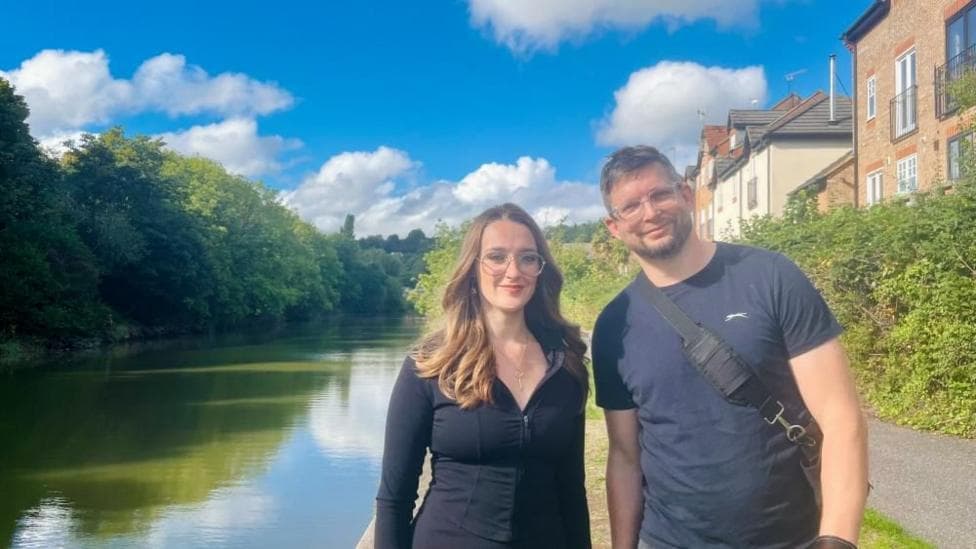
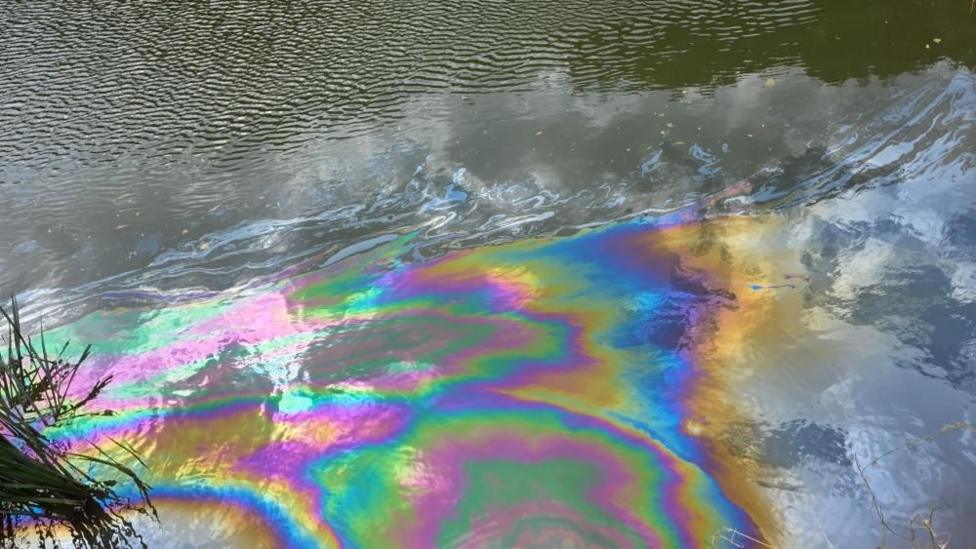
An oily substance has been bubbling up in the River Avon in Bristol for years, killing wildlife and causing health concerns for local residents who say they have faced significant delays in getting the Environment Agency (EA) to investigate the contamination.
Nicola Irvine, who lives in Crews Hole, first noticed the phenomenon in early 2025 when she observed a rainbow film on the river's surface and a strong acrid smell. She reported it to the EA in July 2025, but described the process of securing an investigation as like "pulling teeth." The EA initially dismissed the substance as surface run-off, but after Irvine continued submitting photographs, including images of dead wildlife, the investigation was reopened in May 2026.
Her partner, Toby White, described the severity of the problem:
It's hard to describe how bad the smell is - at times it's like you're living on a petrol station and you start getting headaches.
The pollution has had a visible impact on the local ecosystem. Irvine reported that the stretch of river, which previously supported 30 to 40 ducks regularly, now rarely hosts more than a handful. She has personally discovered dead fish, ducks and ducklings in the area, though she acknowledged the direct link cannot be definitively proven. During the summer heatwaves of 2026, the problem intensified significantly, with the substance bubbling up more frequently and the smell becoming so overpowering that it surrounded her entire house. The severity prompted her to seek medical treatment, and she was prescribed medication for migraines.
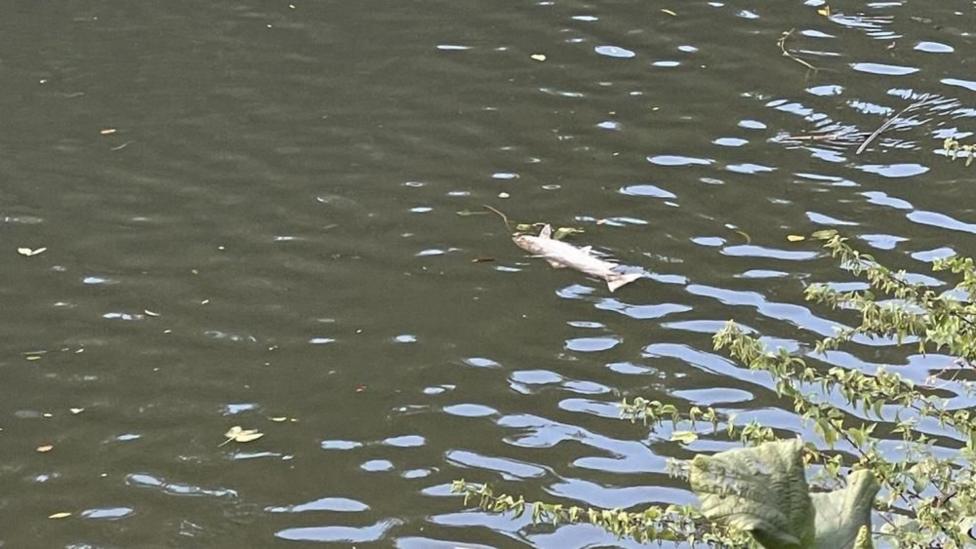
Dominic Linnell, who walks his dog along the river daily, has observed the issue for more than two years.
Two or three times a week, there's an awful chemical smell, and I see a huge oil slick that seems to bubble up from the bottom of the river,he said.
I've seen fish floating dead and ducks. There's a lot of wildlife along there, you get herons, so it's a real shame.
Another resident, Tristan Dhalla, has noticed the pollution since moving to the area five years ago, and neighbours have reported the problem extending back as far as a decade.
What is the source of the contamination?
The EA's investigations suggest the likely cause is contamination linked to pollution from a former tar works that operated in the area from the mid-19th century until the 1980s, though further work is needed to confirm this. The EA classified the incident as a category three pollution event because impacts were limited to the area where contamination enters the watercourse. Irvine disputed this classification, expressing disbelief that the issue remained categorised as minor despite health concerns and the presence of otters in the river.

Wessex Water said their investigation found "no issues" with any of their assets, and the substance did not pass through their sewerage network. However, according to campaigners at Conham River Park, untreated sewage was released into the River Avon for more than 200 hours already in 2026. In November 2024, campaign coverage reported that Wessex Water was fined £500,000 for illegal sewage spills into the Avon catchment.
What is the Environment Agency's position?
The EA confirmed it had visited the site and was "continuing to investigate the source of contamination and its damage to the environment." An EA spokesperson stated:
While minor impacts have been found where the contamination has entered the watercourse, we have not found wider environmental effects downstream.The agency added:
We continue to work with landowners, the local authority and partner organisations to take action to protect the local environment.
However, the slow response has raised questions about the EA's capacity to investigate pollution. In 2022, a leaked internal EA report instructed staff to ignore lower-impact category three and four pollution reports due to limited funding for investigations. Irvine expressed her frustration with the agency's approach, saying the experience had been deeply disappointing.
Why is this part of a broader campaign?
The River Avon has been the focus of sustained environmental campaigning. Conham Bathing, founded in 2021, is a campaign group of swimmers and Bristol residents focused on the River Avon pollution problem. The area near Crews Hole includes Conham River Park, a popular swimming spot where there has been years of campaigning to protect the Avon from pollution. Most recently, campaigners have sought formal recognition of a charter of rights for the river. A 2024 report indicated that wild-swimming campaigners wanted the Avon formally designated as bathing water, which would give the EA a duty to monitor and publish water quality.
The EA is also investigating another incident nearby at Brislington Brook, where dead fish and eels, foam on the water and "an intense chemical smell" were reported by volunteers.
Bristol City Council said it was supporting the EA's investigation by providing information and records, with officers visiting the site recently. According to Bristol City Council, weekly E. coli test results for the Floating Harbour and rivers were published on 22 September 2026, with readings listed for several sites including Baltic Wharf, St Augustine's Reach and Redcliffe Bridge.
What happens next?
Bristol City Council has announced that aerial survey operations using drones will take place within and adjacent to Bristol Harbour and the River Avon from Monday 14 September 2026 to Saturday 31 October 2026. These surveys are expected to provide additional data on the extent and nature of contamination in the area.