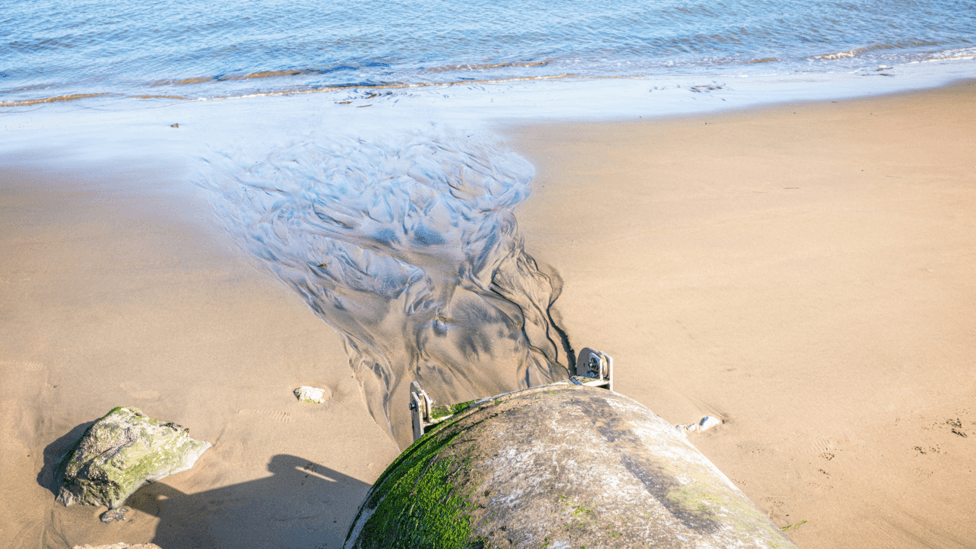
Welsh water companies discharged sewage into rivers, lakes and coastal waters for more than 800,000 hours during 2025, according to analysis by the charity Surfers Against Sewage. The organisation recorded more than 100,000 individual sewage discharges across the year—equivalent to one release every five minutes—though this represents a decrease from the previous year's 970,000 hours of pollution.
The detailed findings reveal that 101,176 discharges lasted a combined 822,265 hours, with more than 7,000 releases occurring without the appropriate environmental permits. The charity's assessment also documented 992 reports of illness in Wales linked to sewage exposure since 2019, with 215 cases recorded in 2025 alone—resulting in more than 2,200 days of lost work.
Designated bathing waters across Wales experienced particular pressure from these discharges. Sewage was released into officially designated swimming areas for a total of 35,669 hours throughout the year. Llyn Padarn in Gwynedd recorded the highest number of discharges among Welsh bathing waters with 247 incidents, followed by Swansea Bay with 224, Llandudno West Shore with 184, Llanfairfechan with 176 and Tywyn with 156. Despite Llyn Padarn's water quality being classified as "excellent" by regulators, the lake experienced 1,614 hours of sewage discharge during the year.
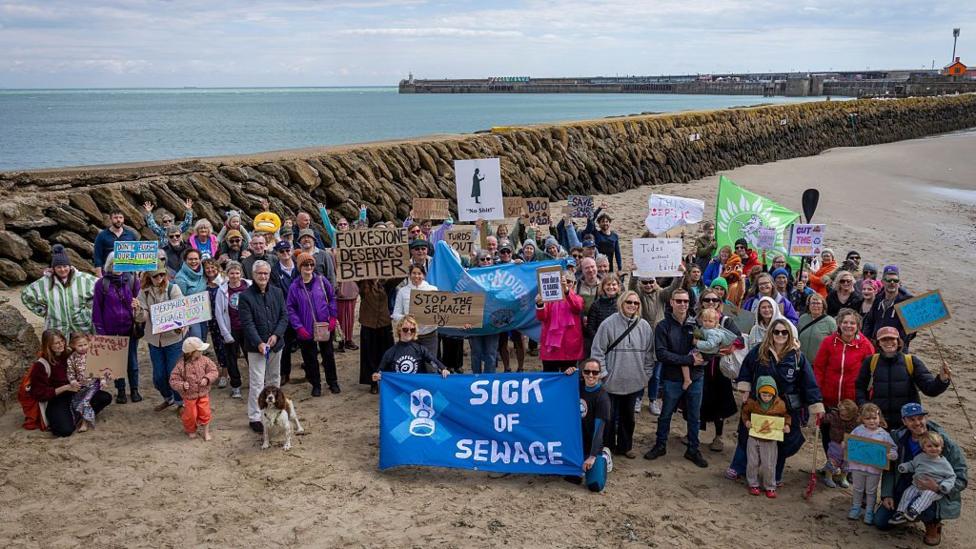
Why did discharge levels fall?
The reduction from 2024's figures was partly attributable to dry weather conditions during the summer months, which reduced the volume of rainwater entering sewage systems. However, Surfers Against Sewage maintained that systemic problems persist, pointing to continued underinvestment by water companies and inadequate enforcement of environmental standards as ongoing concerns.
One significant issue identified in the charity's report involved Llanfachraeth wastewater treatment works on Anglesey, which accounted for 366 unpermitted discharges because the site lacked a discharge permit.
What do regulators say about water quality?
Natural Resources Wales (NRW), the environmental regulator, stated it had strengthened its oversight through increased monitoring and more stringent guidance, while supervising "significant programmes of environmental investment" by water companies. According to NRW's assessment, 110 of Wales's 112 designated bathing waters met required standards in 2025, with 78 rated as excellent, 26 as good and six as sufficient, though two were classified as poor.
What is the industry's response?
Welsh Water, the largest water company operating in Wales, announced plans to invest a record £2.5 billion over the next four years to address environmental concerns. The company's environmental investment for 2025–30 includes £889 million specifically allocated to storm overflows. In a statement, the company acknowledged the seriousness of the issue:
We take our responsibility to protect these waters seriously and recognise that we need to improve. In line with Welsh government policy, we are prioritising the overflows causing the greatest environmental harm.
Hafren Dyfrdwy, which operates water services in mid and north-east Wales, stated it was
working tirelessly to reduce the average number of spillsand committed to investing £11 million at storm overflows to achieve fewer than 20 spills annually by 2030.
What are campaigners saying?
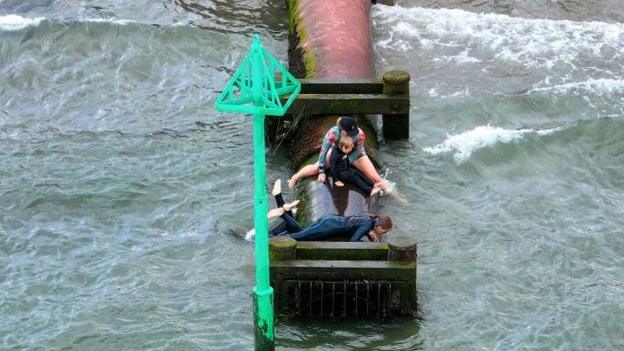
Giles Bristow, chief executive of Surfers Against Sewage, characterised the figures as alarming. He noted that 90 locations designated as suitable for swimming had
been impacted by over 4,000 hours of sewage pollution, and warned that
people's lives and their health are being put at risk when they go to enjoy these amazing places.Bristow emphasised that
it's a really terrible picture that we're seeing of continued underinvestment and a lack of enforcement to ensure that this isn't happening.
What is the government's position?
The Welsh government stated it was
taking full control of water in Walesand would
apply the polluter-pays principle, including prosecuting serious and persistent offenders.A government spokesperson added that water reform demonstrated how Wales and the UK could collaborate to strengthen governance while maintaining effective cross-border cooperation.
The UK government's Department for Environment, Food and Rural Affairs (Defra) stated that water companies must
take responsibilityfor record levels of sewage pollution. The department indicated that its strengthened Water Bill would
deliver cleaner waters, stronger accountability and will create a powerful new regulator to hold companies to account.
What developments have emerged since 2025?
Preliminary data from Surfers Against Sewage's 2026 report indicates that sewage discharge problems have continued into the new year. The charity recorded 27,683 Welsh Water discharges in the first half of 2026, based on unverified preliminary data. Additionally, the organisation documented 187 sickness reports in Wales between January and August 2026, suggesting that health impacts from sewage exposure remain a concern for swimmers and water users.
NRW's 2026 bathing-water monitoring season runs from 1 May to 30 September, with each designated site tested at least eight times during this period. Results are analysed alongside data from the previous three years to determine annual water quality classifications.
Key Facts
- More than 101,000 sewage discharges were recorded in Welsh waters during 2025, lasting over 822,000 hours combined
- Sewage was released into designated bathing waters for 35,669 hours, with Llyn Padarn experiencing the most discharges among swimming areas
- The charity documented 215 illness reports linked to sewage exposure in 2025, contributing to over 2,200 days of lost work
- Welsh Water plans to invest £2.5 billion over four years, including £889 million for storm overflow improvements
- More than 7,000 discharges occurred without appropriate environmental permits in 2025