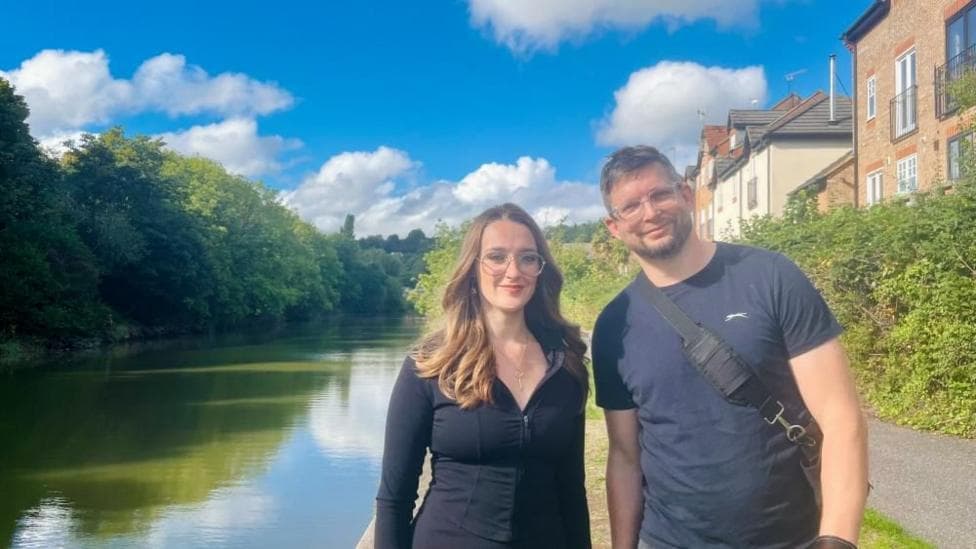
Residents across Brentford have expressed alarm at sewage contamination flowing into the local canal network, with the remains of multiple dead animals discovered throughout the summer months. The problem intensified during the period of sustained high temperatures, according to Paul Keane, general manager of watersports charity Brentford Community Boathouse.
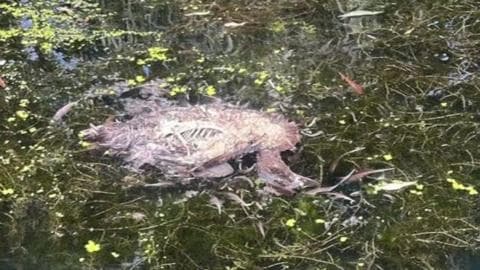
Most of the carcasses were located in the Brentford Lock basin, where the Grand Union Canal converges with the River Thames. Keane reported encountering deceased foxes, ducks, and at least one cat during routine activities with his rowing groups. According to The Londoner, at least 12 animals including dogs were discovered that summer, with another cat found on the day of an interview.
The stationary conditions created a persistent hazard for water users.
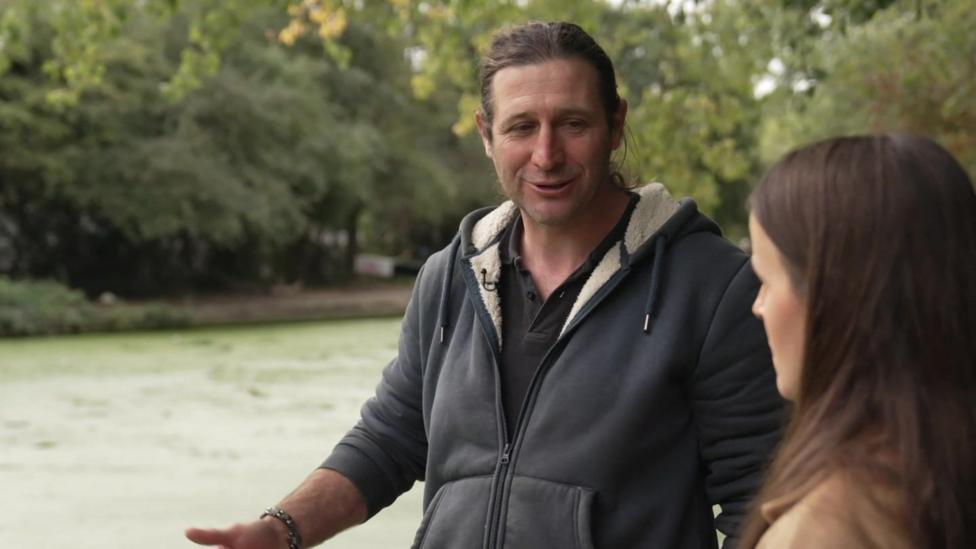
Because of the stagnant water and the fact that the water wasn't travelling anywhere, we were going past them every day in exactly the same spot.Keane explained to a local forum that the lack of water movement meant decomposing animals remained visible for extended periods rather than being carried away by currents.
Why are dead animals accumulating in the canal?
The primary cause appears to be sewage entering the waterway through misconnected plumbing from housing developments. These misconnections route untreated waste into surface water drains rather than sewers, allowing raw sewage to flow directly into the canal network.
The big fly in the ointment is sewage coming into the canal. That gets worse in the summer when the water is moving slowly, and some of that is historic, but also a contemporary misdirecting of sewage into storm drains.
Warm, still water contains less dissolved oxygen, creating ideal conditions for botulism to develop and accelerating the multiplication of E. coli bacteria. Keane noted that animals discovered in the canal predominantly tested positive for both pathogens. The most severely stagnant sections were identified within the lock systems around Boston Manor Park.
Thames Water acknowledged that the area has a documented history of misconnection problems. According to a BBC investigation, the company identified seven blocks of flats across north and west London with misconnections in October 2024, with three having been rectified by the time of reporting. While Thames Water stated it is not responsible for third-party drainage infrastructure, the utility confirmed it was collaborating with property owners and local authorities to address the issue.
How does this affect children using the canal?
Young rowers face direct exposure to contaminated water during their activities on the canal. Kelly Everden, events officer at Brentford Community Boathouse who participated in a cleanup operation, described the emotional impact on the children.
It's really upsetting on behalf of the children, because that's not anything that they should ever be faced with, especially with a pet cat.
Keane stressed that maintaining water safety is essential for expanding recreational use of the canal by young people.
The water has to be hygienic, and there are times when it simply isn't. It's a very difficult issue, but it needs an overall strategy.However, testing conducted by the Canal and River Trust before watersports events has found the water
generally quite clean, according to Keane, suggesting conditions vary significantly depending on timing and location.
What is being done to address misconnections?
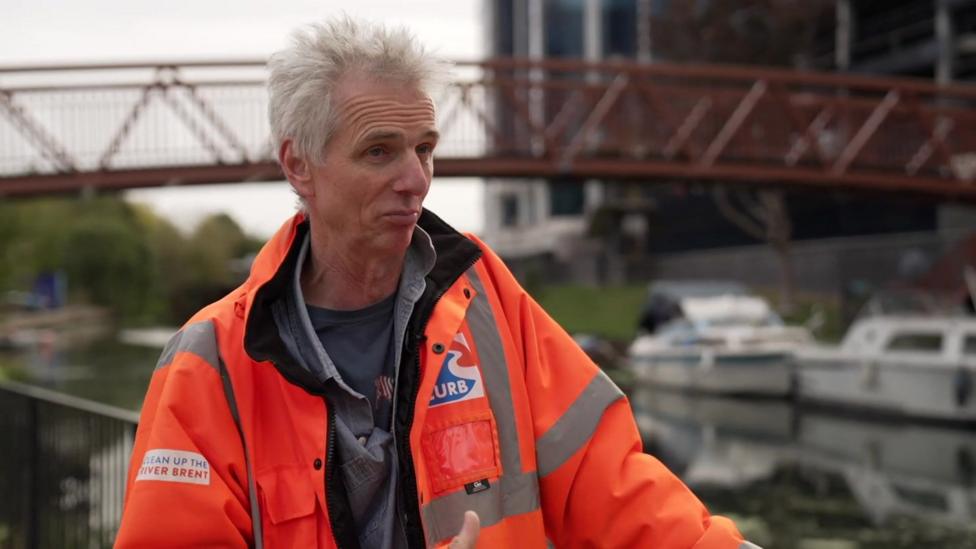
Local authorities have begun investigating the problem through coordinated efforts. Hounslow councillor Katherine Dunne reported that officers in Ealing and Brent were examining misconnections via a River Brent catchment group. Committee chair councillor Dan Bowring urged residents to report concerns to their ward representatives, stating that
all councillors in Brentford will be concerned about this.
A dedicated trial programme will fund a specialist officer to investigate plumbing misconnections across west London, with resources concentrated on problem areas including the River Brent catchment, according to recent reporting. If the trial proves successful, this approach could be expanded across London, though no start date or decision timeline for potential rollout has been announced.
Water quality testing conducted in 2025 at Brentford Lock revealed moderate to high nitrogen levels and elevated phosphate concentrations. Local campaigners have suggested that pollution in the area may be influenced by discharges into the River Brent itself, indicating the problem extends beyond the canal system.
What other factors are contributing to poor water conditions?
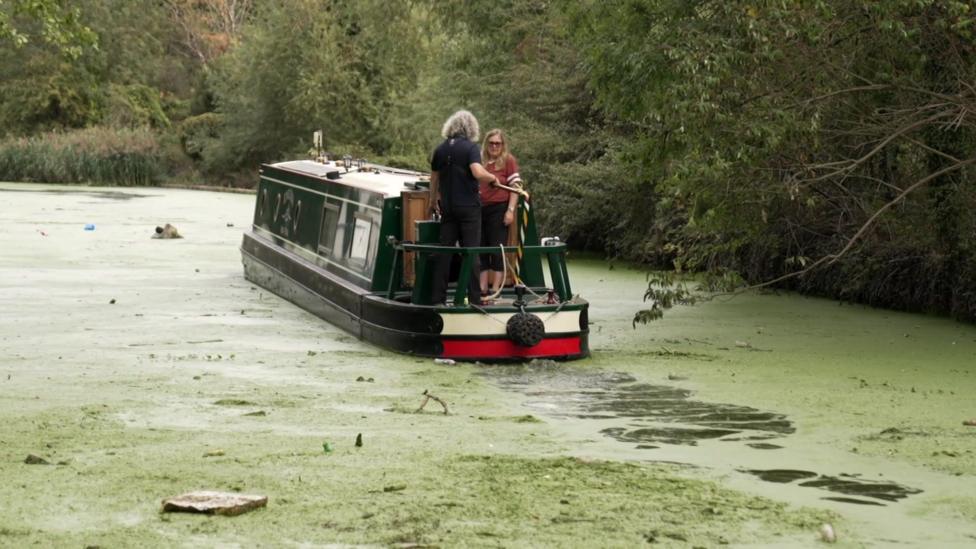
The Canal and River Trust identified aquatic weed as a particular challenge at Brentford, noting that both of its west London weed clearance vessels were simultaneously out of service during the period when dead animals were discovered. The trust stated it aims to remove any dead animal as quickly as possible once identified.
The Environment Agency noted that the area remained classified as being in drought conditions, which can compromise river health by reducing water flow and oxygen levels. The agency indicated it would continue investigating pollution reports in the region.
What happens next?
The dedicated-officer trial represents the immediate next step in addressing misconnections. Success in this pilot phase could lead to a broader rollout of the approach across London, though the timing and decision-making process for any expansion remain undefined. Meanwhile, residents have been encouraged to report sewage-related concerns to their local councillors to ensure the issue remains on the agenda for further action.
Key Facts
- At least 12 dead animals, including foxes, ducks, cats and dogs, were found in Brentford Lock basin during summer 2024
- Misconnected plumbing from housing developments is routing untreated sewage into surface water drains and directly into the canal
- Dead animals tested positive for E. coli and botulism, pathogens that thrive in warm, stagnant water with low oxygen levels
- Thames Water has identified and begun fixing misconnections at seven blocks of flats in north and west London
- A trial programme will fund a dedicated officer to investigate misconnections, with potential for London-wide expansion if successful