
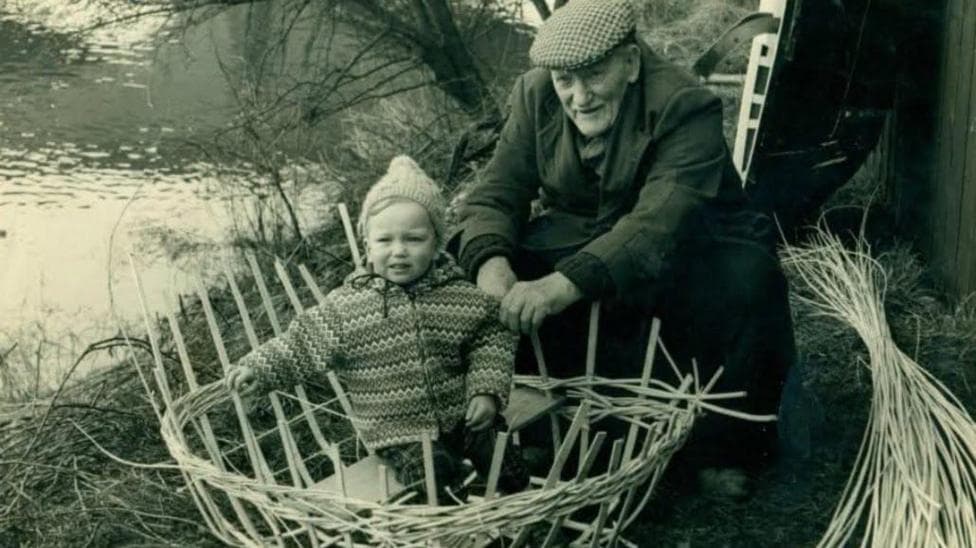
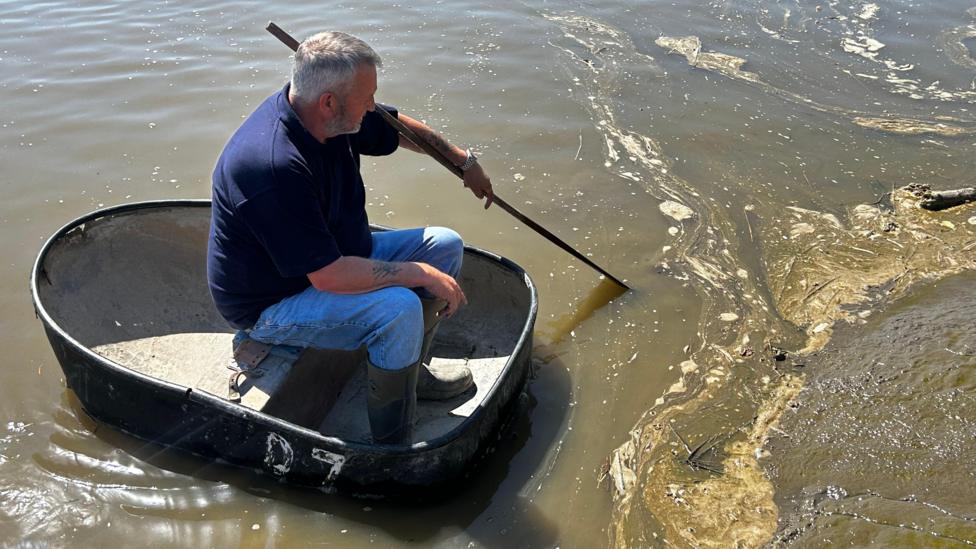
A five-generation coracle fishing tradition spanning three centuries on the River Tywi in Carmarthenshire is in jeopardy as pollution has devastated fish populations, leaving fishermen with catches so sparse that the practice may not survive another season. During the 2026 fishing season from May to July, only four licensed coracle fishermen operating on the river caught just 12 fish between them—a dramatic decline from previous years when similar catches would occur in a single night.
Campaign group Save the River Tywi has documented evidence of industrial, agricultural and human waste contamination, with fishermen regularly observing dead fish in the water. The situation has become so severe that one fifth-generation coracle fisherman described conditions as "dire" after landing only one fish across the entire three-month season.
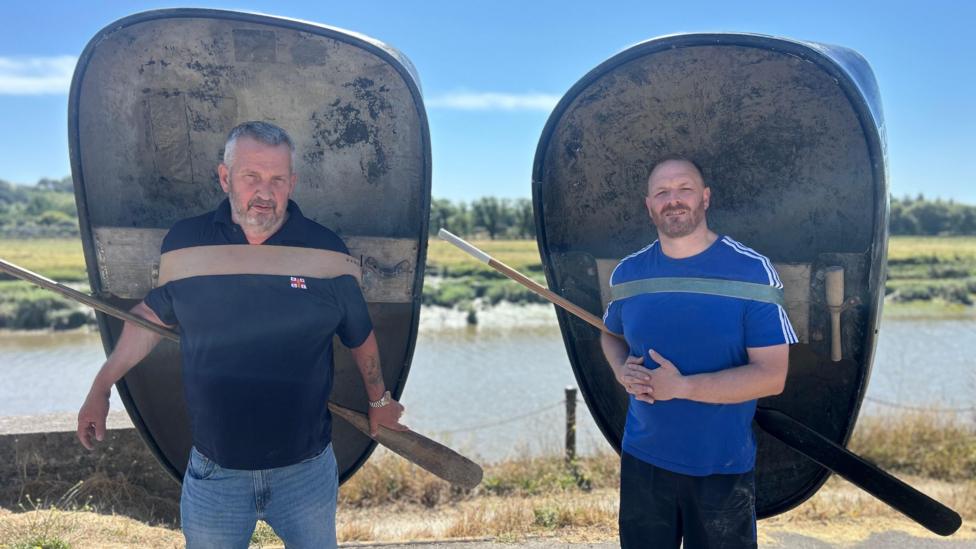
What is coracle fishing and why does it matter?
Coracle fishing represents a heritage practice that has defined life on the Tywi for centuries, typically conducted at night using small rounded boats with nets cast between them to catch salmon and sewin, a type of sea trout. Once a vital livelihood for west Wales communities, the tradition has evolved into primarily a cultural heritage activity rather than a full-time income source, though it remains deeply significant to local identity and history. Even former US President Jimmy Carter was drawn to fish these Welsh rivers, according to local accounts, though recent pollution has rendered such recreational pursuits increasingly untenable.
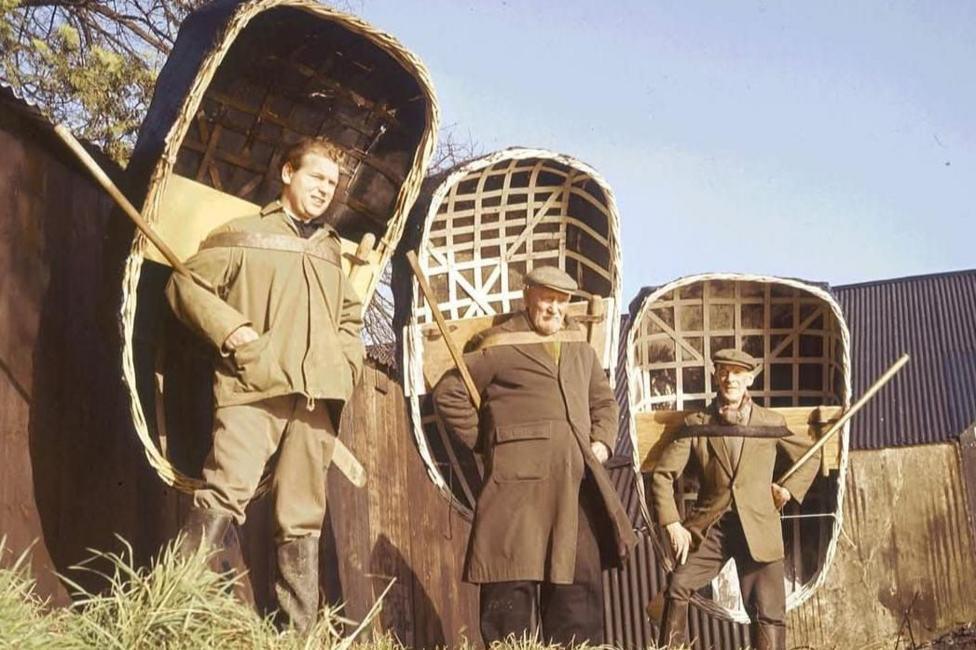
Keith Elias, whose family has maintained the fishing tradition for 300 years, expressed his attachment to the practice while acknowledging its precarious future. He stated:
"It's been in my family for so long, I love carrying the tradition on but it's getting to the point where you get to the end of the season and you're not hitting fish."
How severe is the pollution problem?
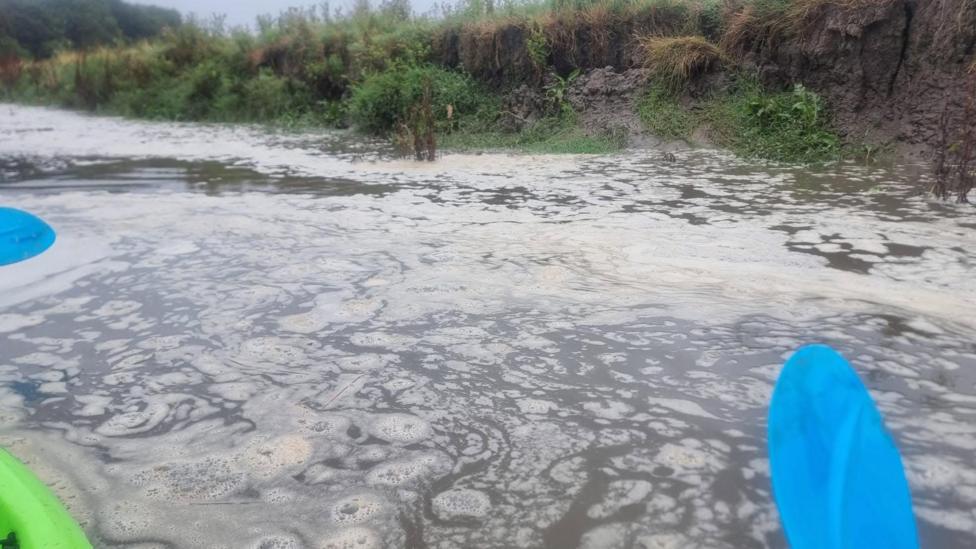
Multiple sources of contamination have been identified affecting the Tywi. Testing by Save the River Tywi revealed pollution originating from farms, industrial facilities along the riverbank, and human sources. Local residents have documented and shared online videos showing discharge across the river, with some footage allegedly showing releases from nearby electronics recycling company Mekatek, which holds a discharge licence from Natural Resources Wales (NRW).
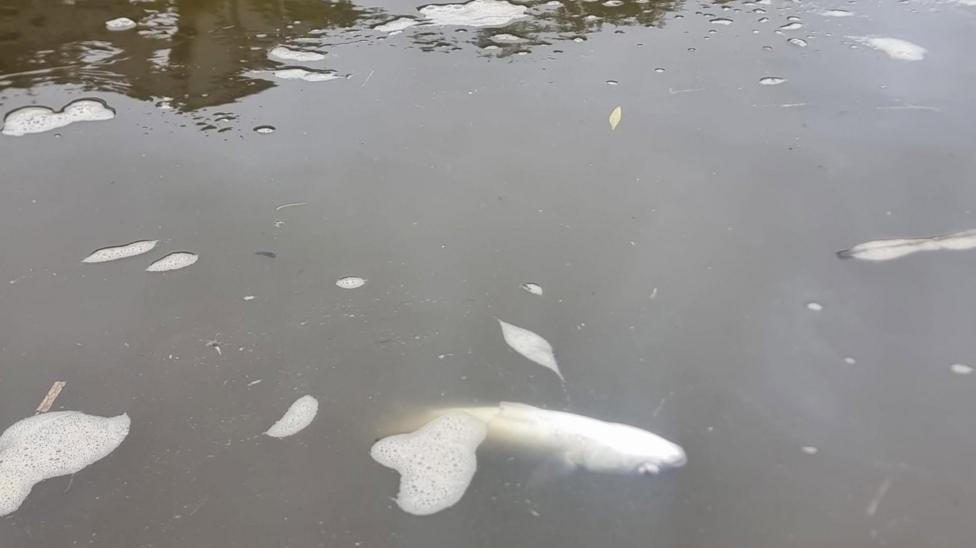
The nearby River Teifi, part of the same catchment system, was designated as one of the UK's most polluted rivers, with 2,232 spills lasting more than 22,000 hours recorded in 2024. Some pollution incidents have been attributed to Welsh Water, the regional water company. However, NRW confirmed on 21 July 2026 that environmental samples showed some visible foam and discolouration was caused by naturally occurring marine algae, though it also identified a separate potential pollution source that remains under investigation.
Fishermen and local officials report persistent problems beyond visible contamination. Andrew Davies, chairman of the Carmarthen Coracle and Netsman Association, described the 2026 season as
"a write-off"and added:
"I've been fishing for 38 years, I've never seen a season as bad as this. When I first started, this river was black with fish, it was alive with fish. But it's gone now - there's no life in the river."Davies noted that the unpleasant odours emanating from the river compound the problem, and he reports pollution incidents to NRW regularly without seeing tangible results.
What role have water companies and industry played?
Welsh Water acknowledged the pollution concerns and stated it was investing £889 million on storm overflow management between 2025 and 2030, including six specific projects designed to reduce impacts on the Tywi. The company emphasised that addressing river quality requires collaboration across multiple sectors:
"We are determined to play our part to improve river water quality on the Tywi, but this isn't just an issue for water companies, collaboration is needed across sectors, including industry and agriculture, to ensure improvements."
Mekatek, the electronics recycling facility, stated it shared concerns about declining sewin populations and claimed to have spent more than 40 years developing processes to prevent environmental harm. The company invited scrutiny of its operations, stating:
"Anyone wishing to understand what we do and how well we do it is more than welcome to arrange to visit the site and view our operations for themselves."

In May 2026, Welsh Water responded to a separate sewage incident affecting the River Towy in Carmarthen caused by a burst rising main, demonstrating that infrastructure failures continue to pose risks to river systems in the region.
How has this affected the local community?
The collapse of fish stocks has had cascading effects on Carmarthenshire's cultural and social fabric. Only four fishing licences were issued in 2026, compared with 12 when Davies began his career nearly four decades ago. Davies observed:
"People have just, I won't say given up, but the enthusiasm's gone."The decline suggests that without intervention, the tradition may disappear entirely within a generation.
Russell Sparks, Mayor of Carmarthen, described the river as being in a
"really tough situation"and noted the emotional toll:
"Over the last couple of years it's been really sad to see it, feel it and smell it."Sparks explained that the odour results from a combination of pollutants and algae blooms
"creating this negative cycle."In July 2026, the annual Tywi River Festival was cancelled due to pollution concerns, leaving residents
"absolutely devastated."As the Mayor automatically assumes the ancient role of Admiral of the Port, Sparks expressed deep personal distress at potentially presiding over the end of coracle fishing during his tenure.
What are officials saying about enforcement?
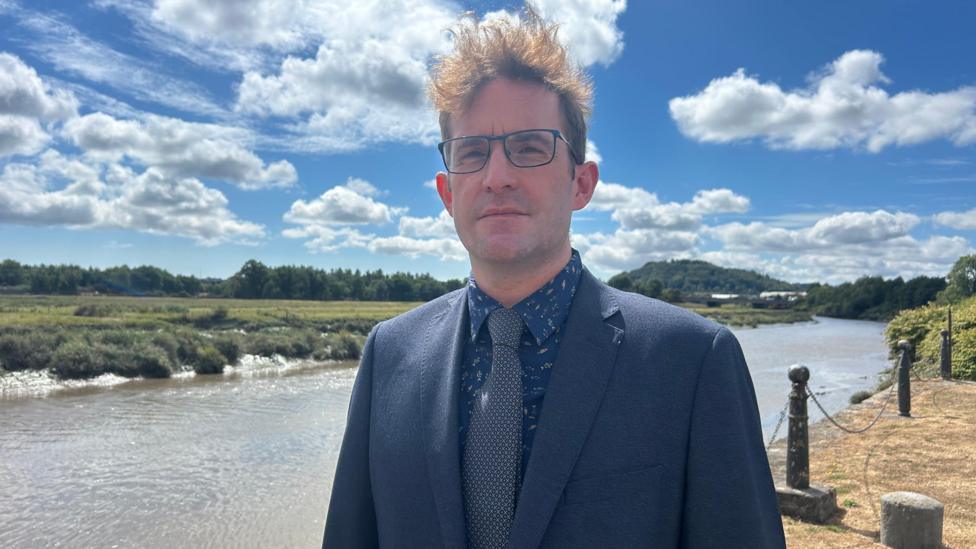
Carmarthenshire MP Ann Davies has called for
"firmer action taken"against those who
"constantly pollute the river."She emphasised shared responsibility across society, noting that farmers, individuals and businesses all bear accountability. She stated:
"We have a collective responsibility on what we buy, what we flush down the toilet."
Natural Resources Wales acknowledged the multiple pressures facing the Tywi. Huwel Manley, head of south-west operations for NRW, stated:
"Like many rivers, the Tywi faces a range of environmental pressures, including pollution and is also impacted by the current dry weather conditions which is seeing an increase in the water temperature along with wider ecological challenges. We take all reports of suspected pollution seriously. We currently have a number of ongoing enforcement and compliance investigations within the Tywi catchment, including cases that are progressing towards court proceedings."
The Welsh Government acknowledged the Tywi's importance, describing it as
"one of Wales' most important rivers, supporting internationally important habitats and species, local communities, recreation and cultural traditions such as coracle fishing."Officials stated awareness of recent concerns regarding foam, odours and discolouration, and noted that NRW investigations confirmed some impacts were linked to natural environmental conditions. However, the government indicated that NRW is investigating a separate potential source of pollution entering the Tywi and that as those investigations remain ongoing, it would be inappropriate to comment further.
Broader context of river pollution in the UK
The Tywi's crisis reflects a wider pattern of river degradation across the British Isles. An angling club in County Down described a fish kill affecting 5km of the Kilkeel River as the worst environmental event it had witnessed, with trout, eels and lamprey confirmed dead. More broadly, over 50,000 fish have died in Northern Ireland's rivers over five years due to pollution from agriculture, industry, and water company failures, with enforcement actions remaining limited.
The Tywi is part of NRW's Four Rivers for LIFE restoration programme, which also encompasses the Teifi, Cleddau and Usk, aimed at improving ecological condition and water quality through sediment and nutrient reduction, riverside fencing, native tree planting and improved fish passage. Additionally, a Lancaster University study indicated that Pembrokeshire farms could save £1 million annually on fertiliser while reducing phosphorus pollution in the Cleddau rivers, suggesting that agricultural practices represent both a pollution source and an opportunity for cost-effective improvement.
In March 2026, Ofwat announced that Welsh Water faced proposed enforcement measures of £44.7 million over "serious and unacceptable" sewage breaches, including funds directed toward reducing spills and improving river quality, underscoring regulatory pressure on water companies to address their contribution to pollution.
What happens next?
NRW stated that investigations into the Tywi pollution reports remain ongoing and that it will continue to assess all available evidence, with any future enforcement action kept under review. The organisation has asked the public to report further pollution issues through its 24-hour incident line or online reporting form, indicating that monitoring and potential follow-up responses will continue. With only six sewin caught last year and fishermen facing the prospect of not renewing their licences, the coming season will be critical in determining whether this 300-year-old tradition survives.
Key Facts
- Only 12 fish were caught by four licensed coracle fishermen on the Tywi during the entire 2026 season, compared with catches of that magnitude occurring in a single night in previous years
- Pollution sources identified include industrial facilities, agricultural runoff and human waste, with some incidents attributed to Welsh Water and investigations ongoing into other potential sources
- The number of coracle fishing licences issued has fallen from 12 when Andrew Davies began fishing 38 years ago to just four in 2026
- The annual Tywi River Festival was cancelled in July 2026 due to pollution concerns
- Natural Resources Wales has multiple ongoing enforcement and compliance investigations within the Tywi catchment, with some cases progressing toward court proceedings


