Developer Low Carbon has submitted plans for up to 12 wind turbines near the Flow Country World Heritage Site in the Scottish Highlands, with the proposal now moving through the formal planning process.
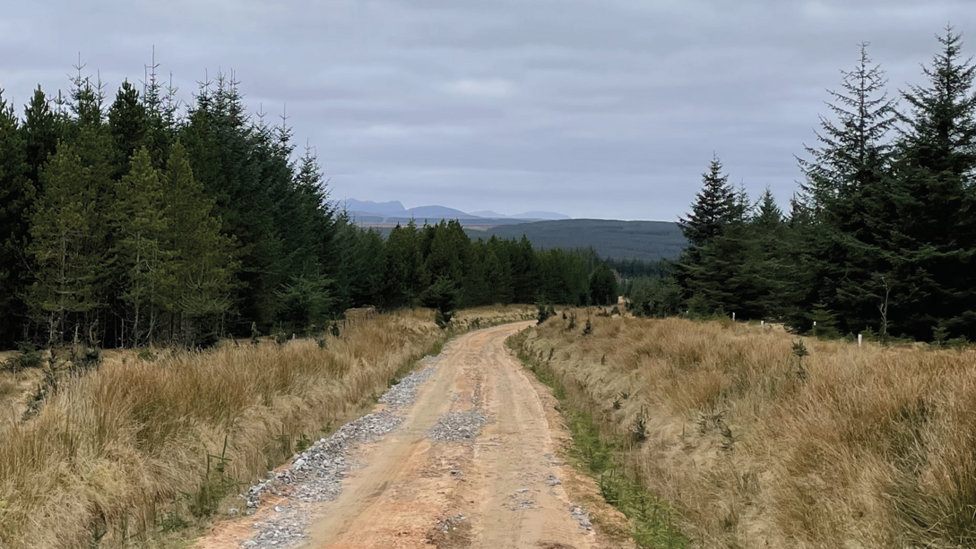
The Forsinain Forest Wind Farm is proposed for land 2 miles (3km) north of Forsinard. Low Carbon stated that the development would be "fully outwith" the Unesco-designated site, which was granted world heritage status in July 2024 after nearly four decades of campaigning. The project includes proposals to restore 383 acres of non-native forest to peatbog habitat.
The Flow Country world heritage site encompasses almost 469,500 acres and represents one of the most intact and extensive blanket bog systems globally. Its designation recognised the ecological significance of the landscape, which spans parts of Caithness and Sutherland.
According to the project website, the scheme has evolved through design refinements since initial proposals. Low Carbon originally planned up to 19 turbines but reduced the number during consultation and assessment phases. The current submission indicates the development may include up to 13 turbines, with the final number and layout still being refined through the environmental impact assessment process.
The project has an installed capacity of 50 megawatts and is expected to generate approximately 115,369 megawatt-hours annually, sufficient to power an estimated 32,878 households per year according to Low Carbon's calculations.

The developer emphasised the economic and environmental benefits of the scheme. A community benefit fund associated with the wind farm could be worth approximately £432,000 per year, and the project could provide an estimated £1 million annually in business rates for Highland Council.
Andy Sloan, project development director at Low Carbon, stated:
"Forsinain Forest is a key part of our growing pipeline of onshore wind in Scotland, which if approved, will support Scottish climate targets, help accelerate the UK's transition to clean energy and bolster energy security by reducing our reliance on fossil fuels. By combining clean energy generation with nature restoration and long-term community benefit, Forsinain Forest can help to deliver lasting economic value for the communities that host it."
What ecological features does the Flow Country protect?
The Flow Country's rare blanket bog ecosystem supports a distinctive range of plant and animal species. The habitat is characterised by extensive sphagnum mosses and other wetland plants that thrive in the waterlogged conditions. The site provides breeding and feeding grounds for numerous bird species of conservation importance, including greenshank, golden plover, dunlin and hen harrier, alongside a diverse array of insects and invertebrates adapted to peatland environments.
How has the project evolved since initial proposals?
The development has undergone significant refinement since Low Carbon first began engaging with stakeholders. A pre-application scoping submission to the Scottish Government's Energy Consents Unit was made in September 2023, followed by a public consultation event in October 2023. The original concept envisaged up to 19 turbines, but this was reduced during the design process. The project website notes that the scheme is "subject to change through the EIA design process" and confirms that no co-located battery energy storage system is included in the application.
What is the next stage in the planning process?
Low Carbon has now submitted a Section 36 planning application to the Scottish Government's Energy Consents Unit, the formal mechanism for consenting large-scale energy infrastructure in Scotland. The Energy Consents Unit will assess the application, considering environmental, economic and social factors. The planning process remains ongoing, with the outcome dependent on the regulator's evaluation of the environmental impact assessment and consultation responses from stakeholders and the public.
Key Facts
- The Forsinain Forest Wind Farm proposes up to 12 turbines (potentially up to 13 as designs are refined) on land 2 miles north of Forsinard in the Scottish Highlands
- The project would restore 383 acres of non-native forest to peatbog, combining renewable energy generation with habitat restoration
- The scheme has an installed capacity of 50 megawatts and is expected to generate sufficient electricity for approximately 32,878 households annually
- The development would deliver an estimated £432,000 per year in community benefit funding and £1 million annually in business rates to Highland Council
- The proposal is located outside the Flow Country World Heritage Site, which was designated in July 2024 and covers almost 469,500 acres of blanket bog ecosystem