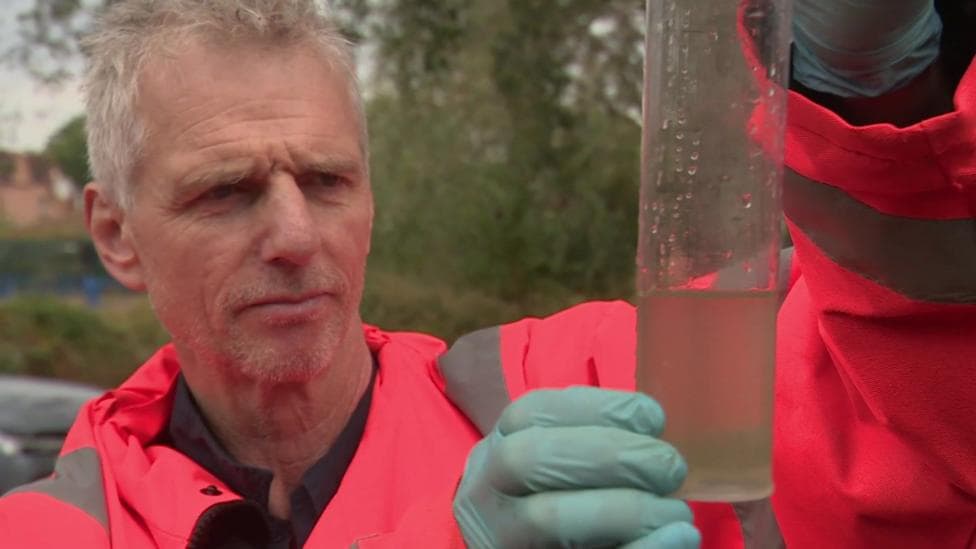
A dedicated enforcement officer is to be hired in west London as part of a pilot scheme designed to address the widespread problem of sewage misconnections—faulty plumbing that causes households to discharge waste into surface water drains instead of the mains sewer system.
The trial, funded by the mayor of London's office, will focus on areas where the issue is particularly acute, including the River Brent catchment. If successful, the approach could be expanded across the capital. According to a later BBC investigation, Thames Water has identified 2,294 misconnected properties across London over the past five years, far exceeding the seven buildings initially discussed in enforcement action.
Misconnections occur when plumbing is installed incorrectly, causing wastewater to flow into surface drains that feed into rivers and waterways rather than treatment facilities. This pollution kills aquatic life, damages ecosystems, and poses environmental risks. Although misconnections are illegal, property owners bear responsibility for identifying and correcting them. Local authorities possess the power to take enforcement action against non-compliant owners.
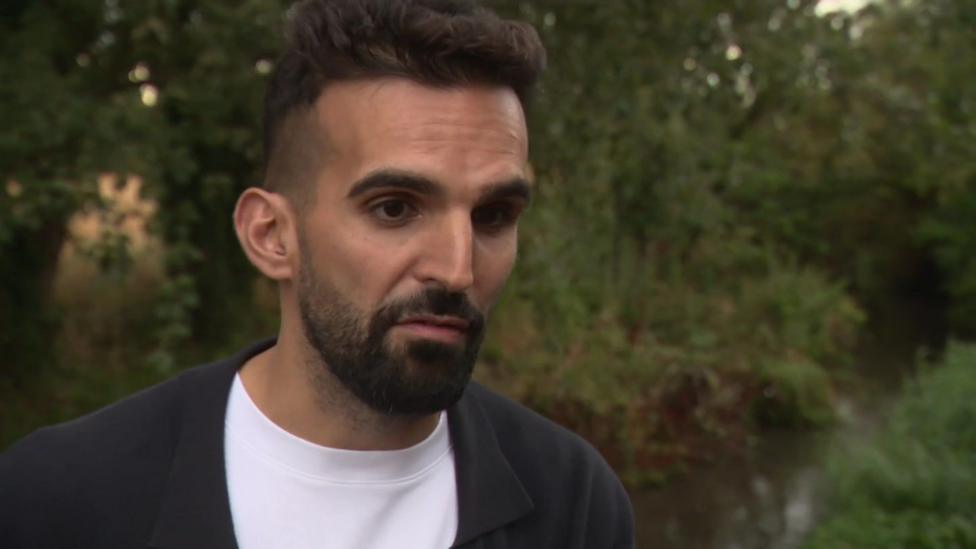
Ben Morris, founder of the volunteer group Clean Up the River Brent (CURB), has long advocated for stronger intervention.
We need to see stronger action from the councils to get this done. They have the power of enforcement and they need to be using those powers to get those property owners to sort out the misconnections.Morris believes misconnections represent
the biggest single cause of pollution in London's rivers.
How many homes are currently affected?
An information request submitted to Thames Water by the charity Friends of the River Crane Environment (FORCE) revealed that in October 2024, seven blocks of flats in north and west London were identified as having misconnections. This affected at least 100 residential units that were discharging untreated sewage into the Crane and Brent rivers. Since that identification, only three of the seven blocks have had their misconnections corrected, according to Thames Water.
Two of the remaining affected housing developments are located in Barnet, two in Harrow, and the other three—which have since been fixed—were in Ealing. Thames Water did not disclose the precise locations of the properties.
What are councils doing about this?
Barnet Council stated it was committed to resolving misconnections
as quickly and effectively as possible, though it acknowledged that investigations
can be complex, involving multiple people and organisations. Harrow Council did not respond to requests for comment on its enforcement efforts.
Mete Coban, deputy mayor of London for environment, explained that the new officer role would strengthen councils' capacity to tackle the problem.
City Hall has funded a dedicated officer to operate within the council, to get to the root cause of misconnections, working with the landlords and others to make sure that we're actually dealing with this issue.The position is designed to provide councils with the resources and expertise needed to pursue enforcement action effectively.
According to reporting on the broader issue, water companies do not have the legal power to force private property owners to fix misconnections, placing the burden entirely on local authorities and property owners themselves.
What is Thames Water's role?
A Thames Water spokesperson acknowledged that misconnected wastewater appliances cause serious environmental damage.
While we are not responsible for third-party drainage, we work closely with partners to tackle this significant issue across our catchment. Of the seven cases identified across North and West London, three have now been resolved, while work continues on the remaining cases.The company emphasised that
most misconnections are done entirely by accident, but the responsibility remains with the property owner, which is why we would urge freeholders or developers fitting new connections to make sure they're plumbed in properly.
Thames Water operates a programme to help identify and investigate misconnections while also funding local projects to raise awareness and encourage community stewardship of waterways.
How does this fit into London's wider river cleanup plan?
The misconnections officer initiative forms part of a 10-year strategy to restore London's rivers and waterways, announced by Mayor Sadiq Khan in July. Ten locations have been designated for targeted investment, including the Grand Union Canal, the River Brent catchment area, and the Lower Crane Valley.
The cleanup effort is being funded through a combination of sources: water companies, local boroughs, and charities have pledged a total of £1.8 billion, while the mayor has committed an additional £2.7 million over three years on top of £13.6 million already promised.
Key Facts
- Misconnections occur when household plumbing is incorrectly installed, causing sewage to flow into surface drains instead of treatment facilities
- Thames Water identified 2,294 misconnected properties across London in the past five years, according to environmental information requests
- Property owners are legally responsible for fixing misconnections; water companies cannot force repairs
- The new dedicated officer role is part of a £1.8 billion, 10-year plan to clean up London's rivers and waterways
- Of seven misconnected buildings identified in October 2024, only three have been corrected as of the time of reporting