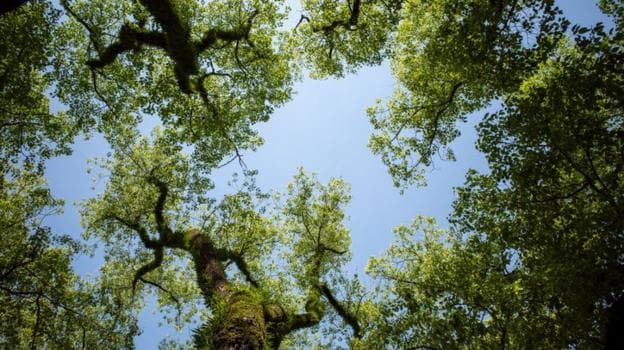
Plans to establish a new national park in north Wales are set to be abandoned after a government minister declared his opposition to the scheme in the Senedd.
Constitutional Minister Dafydd Trystan Davies stated that the Welsh government could meet its environmental targets without incurring the substantial expense of creating the proposed Glyndwr National Park. However, he indicated a willingness to consider the views of stakeholders over a four-week consultation period before reaching a final determination, acknowledging that all local councils in the affected areas had voiced their opposition to the proposal.
Should it have proceeded, the national park would have encompassed the Clwydian Range and Dee Valley, marking the first new national park designation in Wales since 1957. Davies confirmed he would not authorise the designation order necessary to establish the park, meaning the public local inquiry previously pledged by the former Welsh Labour administration would not take place.
According to reporting on the minister's announcement, the creation of the park would have required an investment exceeding £11 million. Additionally, Natural Resources Wales spent approximately £700,000 annually between 2022 and 2025 on assessment work for the designation.
What are national parks in the UK?
National Parks across the United Kingdom are established to preserve natural landscapes, protect wildlife and cultural heritage, and encourage sustainable recreation and use of these areas. Wales currently has three national parks, each managed by its own dedicated park authority responsible for planning decisions and oversight within its boundaries.
Why did councils oppose the plan?
All councils spanning the proposed park area raised significant concerns about the scheme. Their objections centred on funding uncertainties, potential impacts on planning arrangements, possible effects on property values, implications for local service provision, and concerns regarding the Welsh language.
What did the public consultation reveal?
The final consultation process generated 1,678 responses with mixed sentiment. Support for the designation stood at 53 percent, while 14 percent offered conditional backing. Opposition accounted for 31 percent of responses, with 3 percent remaining undecided. Some residents, including farmers in the affected region, expressed concerns that the park designation could drive up property prices and affect their livelihoods.
Why is the minister making this decision now?
Davies's position reflects broader political considerations within the Welsh government. The proposed park would have fallen within the Senedd constituency of Rural Resilience Minister Llyr Gruffydd, who had publicly declared his opposition to the scheme. The proposal itself originated as a Welsh Labour manifesto commitment in 2021, and Natural Resources Wales's board formally endorsed the designation order in January 2026, but the change of government priorities has shifted the trajectory of the plan.
What happens next?
The minister has opened a four-week consultation window to gather input from interested parties before announcing his final decision. No specific closing date for this consultation period has been disclosed, but the outcome is widely expected to result in the formal abandonment of the Glyndwr National Park proposal.
Key Facts:
- The proposed Glyndwr National Park would have covered the Clwydian Range and Dee Valley in north Wales
- Establishment would have cost over £11 million, with assessment work costing £700,000 annually since 2022
- All councils in the affected areas opposed the designation
- Public consultation showed 53% support, 31% opposition, and 14% conditional support
- The park would have been the first new national park in Wales since 1957