The Suffolk Wildlife Trust (SWT) has unveiled the Great Suffolk Nature Survey, a first-of-its-kind initiative developed in partnership with the University of Suffolk to understand how residents feel about nature and inform the organisation's future conservation work.
The survey questionnaire explores participants' encounters with local wildlife, their involvement in nature-based activities, and their perspectives on conservation, climate change and environmental initiatives. It arrives at a critical moment for the county's natural heritage, following a major wildfire that devastated significant areas of protected habitat.
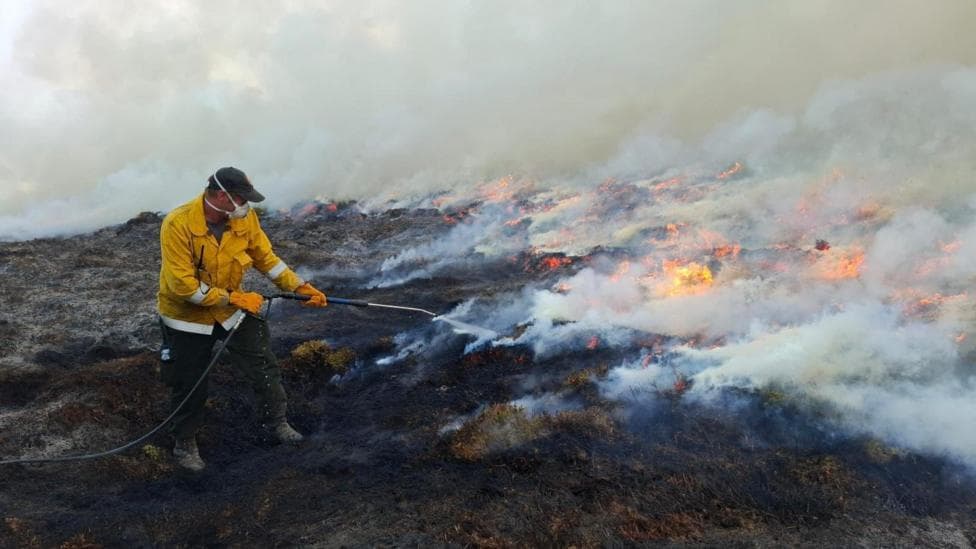
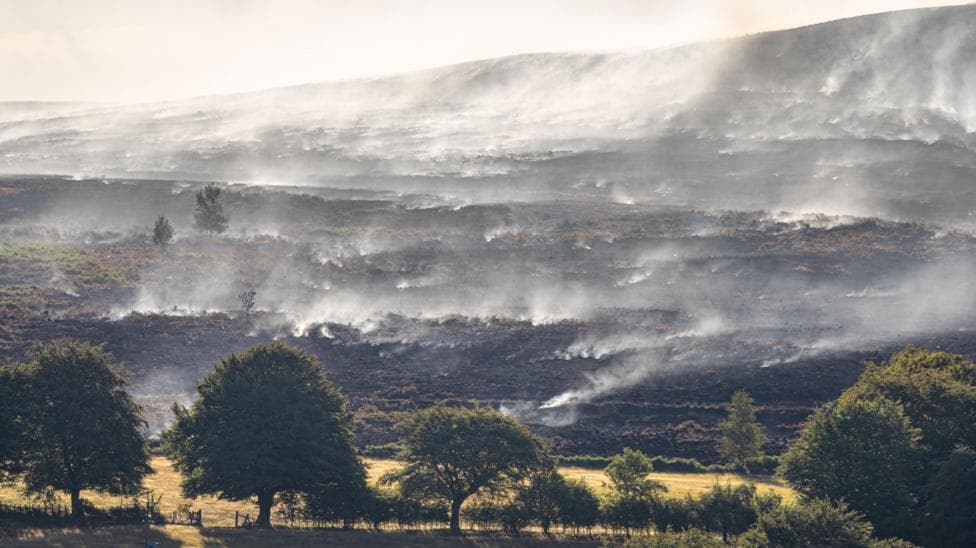
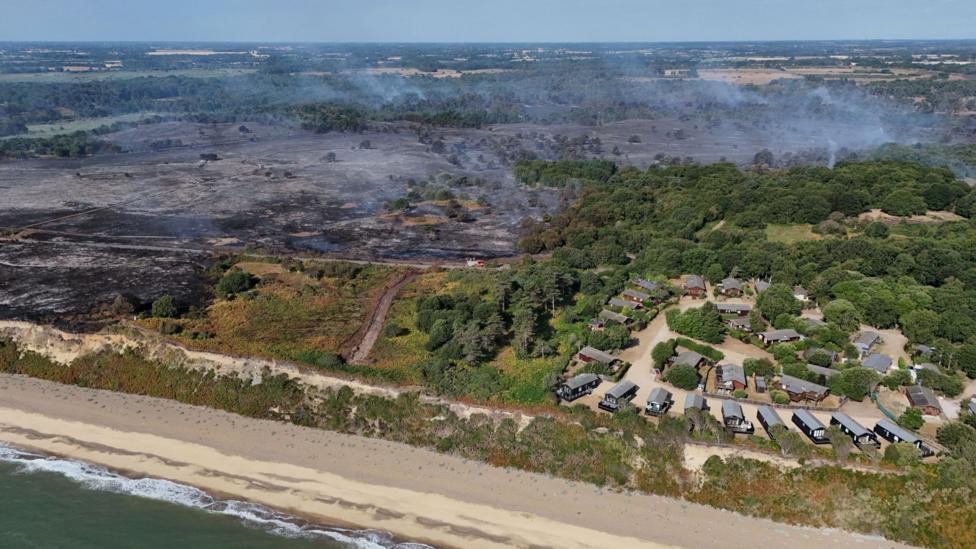
A destructive fire began on 29 July 2026 at Dunwich Heath and the nearby RSPB Minsmere reserve, spreading rapidly in hot, dry and windy conditions. According to Suffolk County Council records, the active fire area reached approximately 112 hectares, with the incident placed under control at 5:08pm on 21 August 2026. The blaze destroyed vital wildlife habitats across an expanse equivalent to 210 football pitches, with recovery expected to take years. The major incident was stood down on 10 August 2026, though access restrictions remained in place while the affected area is assessed.
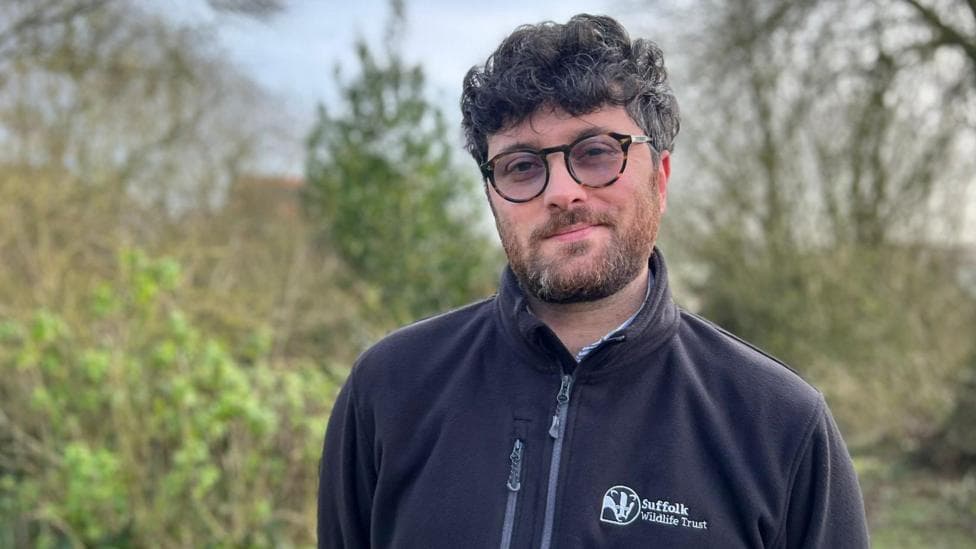
Jack Cripps, head of marketing and communications at SWT, emphasised the importance of the survey in capturing local sentiment.
The county's landscapes and wildlife are a huge part of what I and so many others who live here are proud of. But our wildlife is struggling and we're really starting to feel the impacts of our changing climate. This survey will go a bit deeper into what local people think and feel about nature.

Cripps added that the findings would shape the trust's approach to community engagement and advocacy.
Everyone can get involved with protecting nature, and the results of the survey will guide Suffolk Wildlife Trust's future community projects and campaigning.
Why is this survey significant?
This marks the first occasion that SWT has conducted its own dedicated survey, though the organisation has previously contributed to the nationwide Great Big Nature Survey. The new initiative reflects growing recognition among conservation groups across the region of the need to understand public attitudes towards environmental protection. Similar efforts are underway elsewhere: Surrey Wildlife Trust has been fundraising to restore local wildlife habitats, while conservation organisations in other counties are pursuing habitat recovery projects.
Who is leading the research?
Hannah Page from the University of Suffolk expressed enthusiasm for the partnership.
It was delighted to be supporting the trust with the important project.The university is facilitating the survey rollout through a paid student placement funded by the county council, providing research support from Adeleke Emmanuel under the academic supervision of Dr Obinna Ejiogu.
What happens next?
A cause investigation into the wildfire remains ongoing. Access restrictions and closures will continue until further notice as the area undergoes assessment and recovery planning. The survey results are expected to inform how SWT prioritises its conservation and community engagement efforts in response to both the immediate crisis and longer-term environmental challenges facing Suffolk's wildlife.