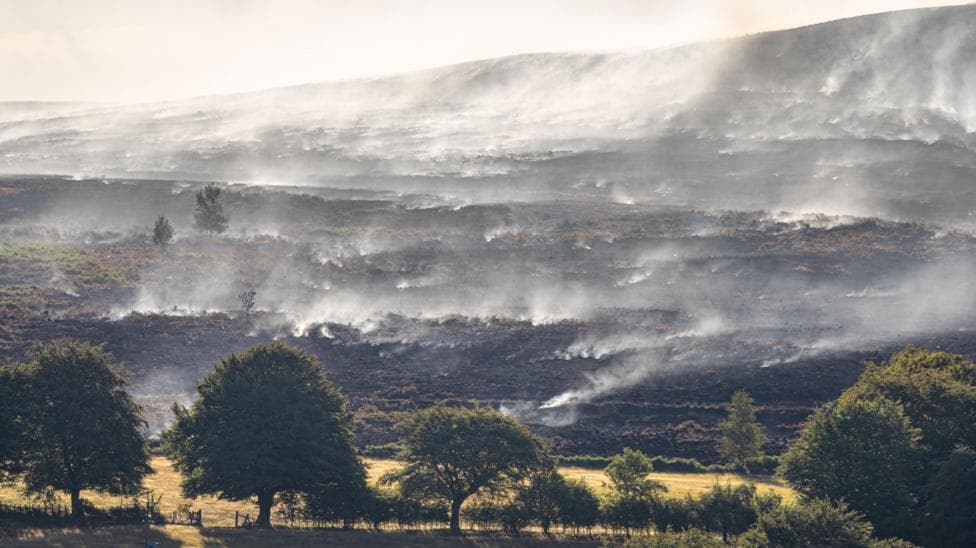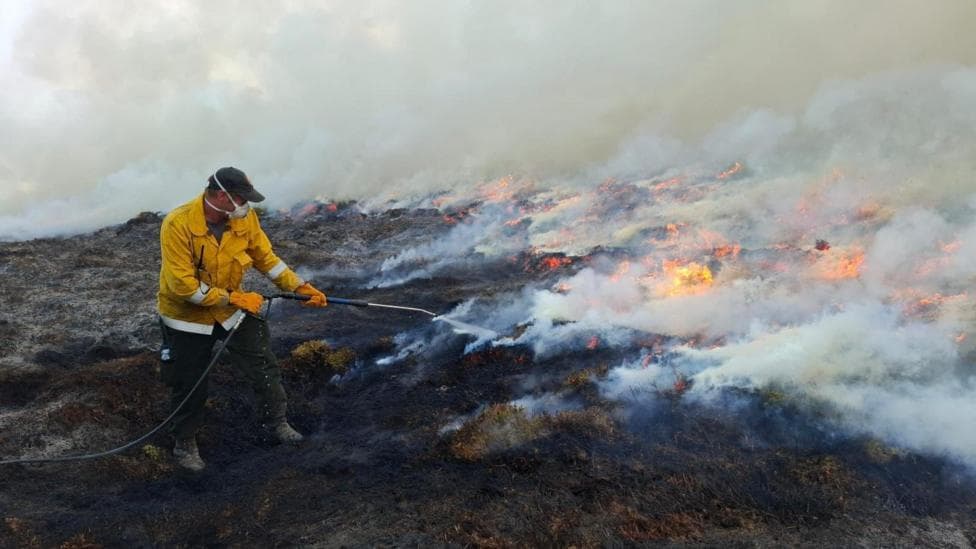
Scotland's chief fire officer has called for a more structured and comprehensive approach to wildfire prevention following a series of summer blazes, most notably a massive fire in the Cairngorms National Park that burned for nearly five weeks.
The blaze, which ignited in the Glenmore area near Aviemore on 15 July, consumed approximately 10 square miles (25 square kilometres) of moorland and forestry before firefighters completed their work on 17 August. In an open letter, chief officer Stuart Stevens emphasised that wildfires demand a shift from reactive emergency management to proactive national resilience planning involving government, public services, land managers, businesses and communities.
Stevens characterised wildfires as "dynamic, unpredictable and dangerous" and stressed that the growing threat cannot be tackled through emergency response alone.
"It is no longer enough to view wildfire primarily as an incident to be managed once it has started,"he said.
"The time to fight the risk is before the smoke is in the air. We must increasingly view it as a national resilience issue requiring prevention, preparedness, investment and shared responsibility."
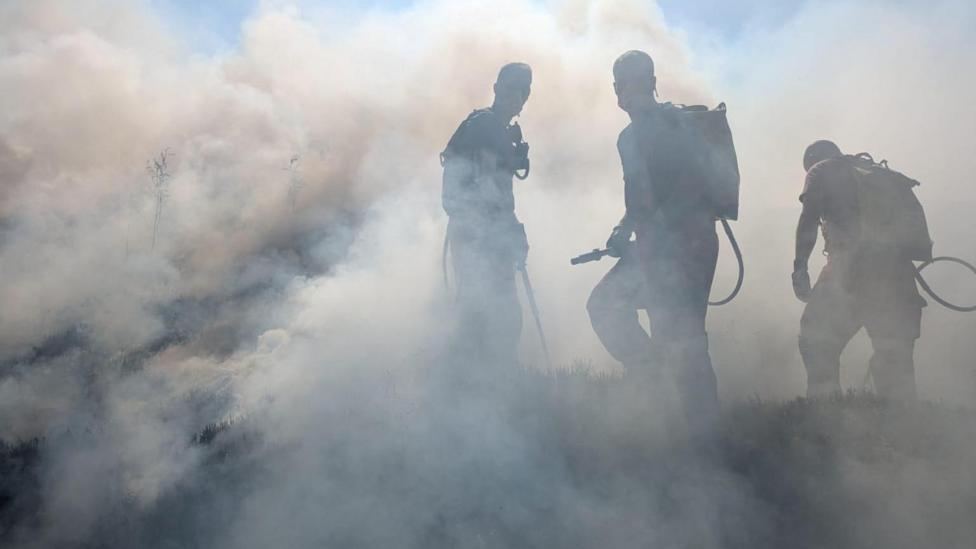
The Cairngorms fire prompted criticism from residents who said the evacuation response came too late, with authorities declaring a major incident after the blaze had already burned for ten days. The scale of the operation was unprecedented: more than 500 firefighters were deployed at the height of the emergency, with homes and campsites evacuated across the affected zone. The national park authority described the damage as "apocalyptic", with extensive loss of plant life, insects and wildlife unable to escape the advancing flames. Police Scotland designated it a major incident, and the Scottish government established a £3 million recovery fund for affected businesses.
The incident has prompted a formal debrief and broader strategic action. The Scottish Government's strategic wildfire action plan is rolling out an expanded programme for the 2026 season and beyond, incorporating stronger prevention measures, improved preparedness, enhanced warning systems and coordinated multi-agency response mechanisms.
What did the fire service learn from the Cairngorms incident?
Stevens said the Scottish Fire and Rescue Service (SFRS) has already strengthened its wildfire capability and commissioned a thorough review of the Cairngorms operation to extract lessons.
"It is evident to me that there is much to learn from the Cairngorms incident, and to ensure we truly capture this learning we must approach this in an open, inclusive and transparent manner,"he stated.
"Through our Wildfire Strategy and wider Service Delivery Review, we are continuing to develop the skills, equipment, specialist advice and operational arrangements required to respond safely and effectively. This includes strategically located wildfire resources, specialist equipment, tactical advisers and enhanced support for crews operating in rural and remote environments."

During the Cairngorms operation, SFRS deployed daily thermal imaging drone flights in the Glenmore area to locate hotspots, with crews continuing this work in difficult terrain for the foreseeable future. The service will maintain coordination with partner agencies, though a broader conversation about Scotland's future wildfire management strategy is essential.
What measures are being put in place to prevent future fires?
Prevention and preparedness are now central to Scotland's wildfire response. Forestry and Land Scotland and Cairngorms National Park are developing a public access management plan for forest paths, biking trails and roads, incorporating signage and fencing to reduce fire risk. The Cairngorms National Park's recreational fire byelaw, which bans fires and barbecues in public places from 1 April to 30 September annually, provides a legal framework for risk reduction.
Land managers within the park are required to risk assess their holdings at least every three years and maintain a basic Fire Plan reviewed annually and shared with SFRS, according to the park's Integrated Wildfire Management Plan. The Park Authority's mitigation work includes enhanced ranger patrols, staff training, roadside warnings and coordination with estates, councils, public bodies, non-governmental organisations, businesses and communities.
A very high wildfire risk warning was issued across Eastern Highlands, Eastern and Southern Scotland from 12 to 13 August, underscoring the ongoing threat during peak fire season. When firefighters left the Cairngorms wildfire scene on 17 August, the final affected area at RSPB Abernethy Nature Reserve was handed over to RSPB teams, which continued damping down hotspots in the weeks following the main operation.
What happens next?
The phased reopening of the Glenmore area proceeded following firefighting progress, with regular cordon reviews planned as part of the staged access restoration. The Cairngorms National Park's annual fire ban remains scheduled from 1 April to 30 September each year, providing a consistent preventive measure across the peak wildfire season.
The SFRS has committed to continued collaboration with agencies and stakeholders, but Stevens made clear that a comprehensive national conversation about wildfire risk management is overdue. The Scottish Government's evolving programme aims to improve preparedness, planning and response capabilities for the 2026 wildfire season and beyond, reflecting lessons learned from the Cairngorms operation and the broader summer fire incidents.