As climate patterns shift across Europe, Scotland's agricultural landscape stands on the brink of profound change. Farmers and researchers are exploring how warming temperatures, new crop varieties and advanced technology could reshape what grows in Scottish fields over the coming decades.
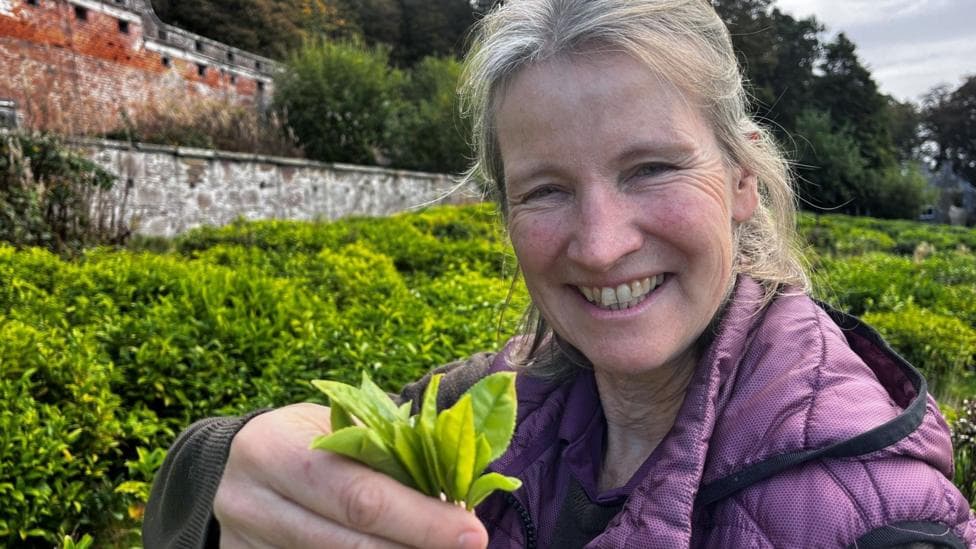
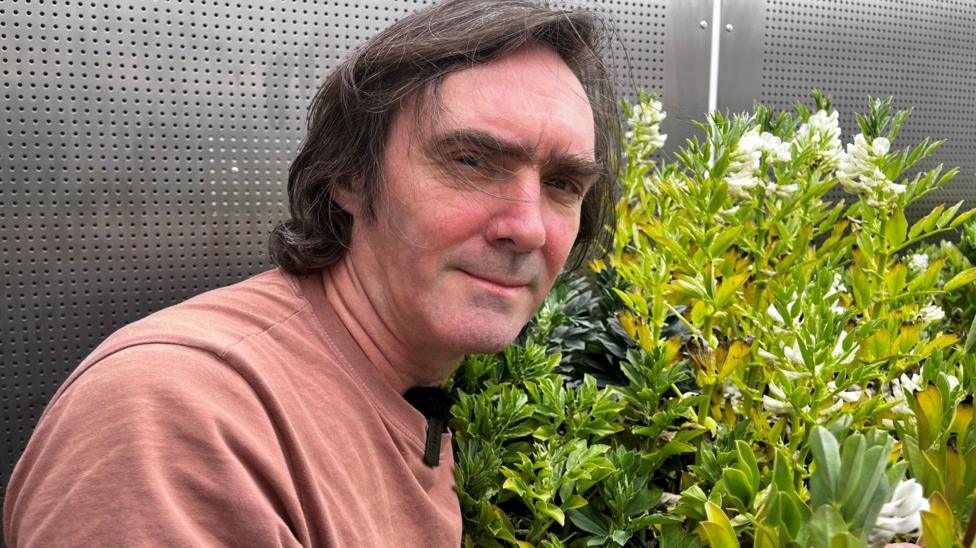
Susie Walker-Munro has been cultivating tea on her family farm in Angus since 2007, making her one of a small but growing number of Scottish tea producers. The acidic soil on her land creates conditions she believes are ideal for producing artisan-quality tea. Her most expensive product sells for approximately £40 per packet—a premium that reflects the labour-intensive nature of small-scale production rather than any threat to mass-market supermarket brands.
Walker-Munro's operation has expanded beyond a single garden. According to Kinnettles Tea Garden, the business now processes leaf from five separate gardens across Angus, Fife and Kincardineshire for its Five Gold Rings tea blend. The Kinnettles Gold variety, grown in a walled garden near Forfar, remains a limited production item—only 2–3 kg is produced annually, with each batch hand-rolled.
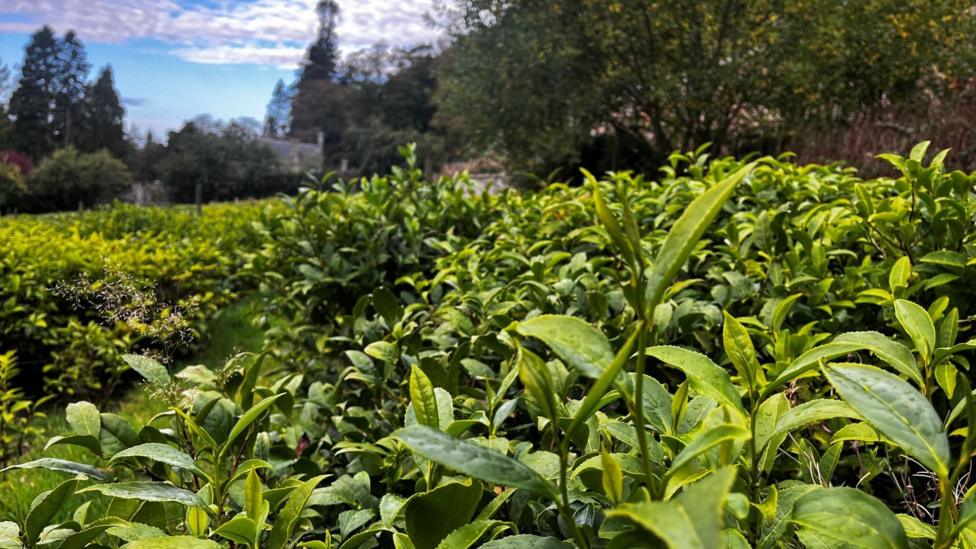
Despite her success, Walker-Munro remains realistic about tea's potential as a major Scottish crop. Scotland's latitude at 57 degrees north will always constrain year-round production compared to equatorial regions. However, she sees opportunity in changing precipitation patterns.
Our yields are never, never going to be high. Maybe with climate change they might come up a bit, it depends if we get enough rain. Scotland could be absolutely ideal.
Droughts, intense rainfall events and crop diseases are already challenging tea growers worldwide as they contend with the effects of planetary warming. Yet Scotland's relatively stable climate could provide advantages that other regions are losing.
Tea may remain niche, but agricultural experts envision it as one of several crops that could thrive as farmers adapt to climate shifts. Rethinking farming practices—particularly the adoption of controlled-environment agriculture—could expand Scotland's productive range significantly.
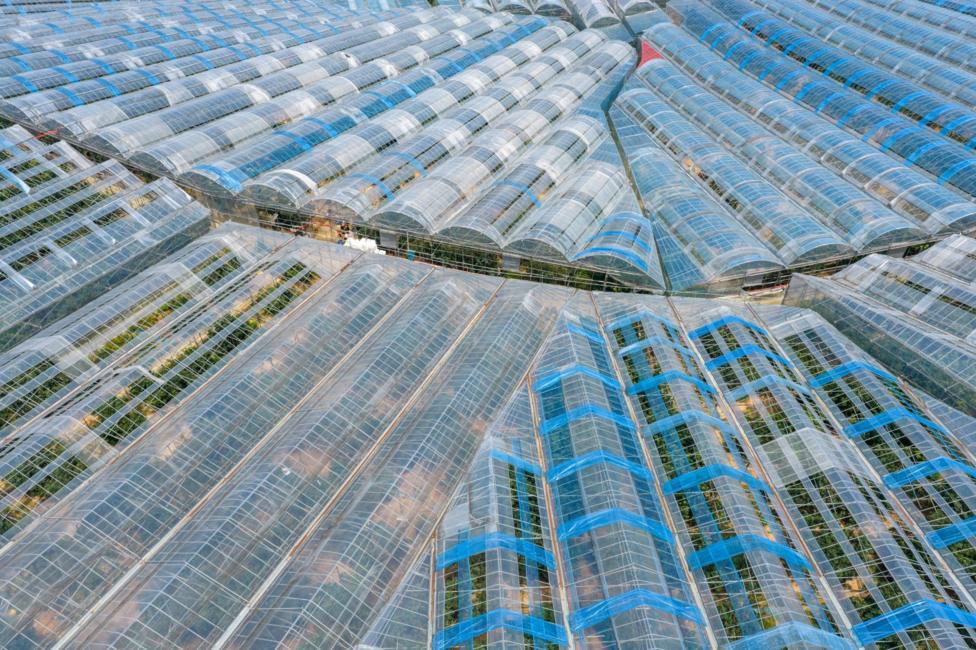
Could glass houses transform Scottish farming?
Countries such as the Netherlands have already embraced large-scale glasshouse production, and similar infrastructure could become routine in Scotland. Walker-Munro suggests such facilities would be well-suited to expanding tea cultivation. Beyond tea, glasshouses would enable Scotland to produce Mediterranean vegetables including tomatoes, cucumbers, aubergines and melons, according to Pete Ritchie from the campaign organisation Nourish Scotland.
Ritchie points to a critical economic advantage: Scotland's abundance of renewable energy from wind farms later this century will make heating glasshouses relatively inexpensive and reduce the carbon footprint of food transport.
We're going to be able to produce those plants with a lower carbon footprint and provide secure all-round jobs for people on brownfield sites in the cities and also on the islands and remote parts of Scotland.
How are scientists preparing Scottish crops for future conditions?
The James Hutton Institute in Dundee is taking a proactive approach by constructing a climate simulator—an advanced plant growth centre that artificially recreates the conditions Scotland is expected to experience by the year 2100. Climate modelling indicates that Scotland will face hotter, drier summers alongside milder, wetter winters by century's end.
The facility controls light, water and nutrient availability to test how different plant species respond to stress, allowing researchers to identify varieties most likely to succeed under future conditions. For the past three months, scientists have been monitoring fava beans through daily photography to track their development under these simulated scenarios.
According to research conducted by the Hutton Institute in 2024–25, trials assessed grass pea, black chickpea, fava bean and pea varieties, identifying promising options for Scottish conditions. This work has contributed to broader innovation efforts: the Hutton-led research helped establish the £16 million National Alternative Protein Innovation Centre.
Dr Robert Hancock, a researcher at the institute, emphasises the need to shift breeding strategies. Rather than developing crops optimised for specific environments—hot climates or dry conditions—the focus must move toward varieties with broader resilience.
We need to start breeding those crops now and start understanding what Scottish farming's going to look like. Farmers need time to plan, we need to get those crops out to the farmers and registered. Ultimately it's about what those guys do in the fields that matters, not what we do inside a climate simulator.
What role will technology play in future farming?
The farmers who will inherit and operate Scottish farms in the 22nd century are likely only one generation away from those entering the industry today. This reality demands that current young farmers think carefully about the businesses they will eventually pass to their own children—businesses that will look markedly different from those of today.
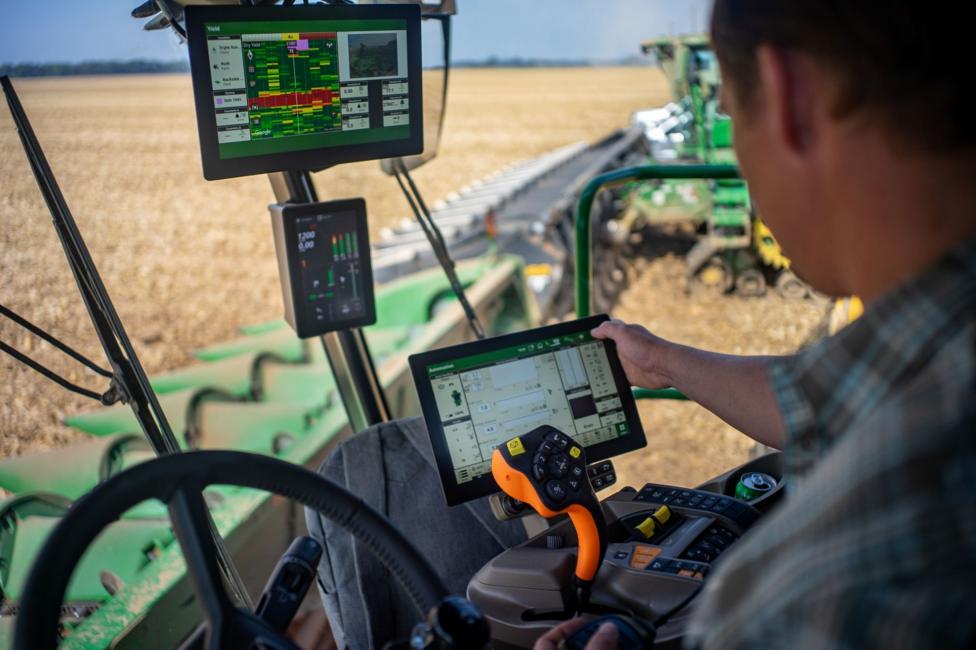
Precision agriculture, artificial intelligence and automation will become increasingly central to farm operations. Modern tractors and combine harvesters already incorporate sophisticated technology such as GPS steering; autonomous harvesting systems represent a logical next step in this technological progression.
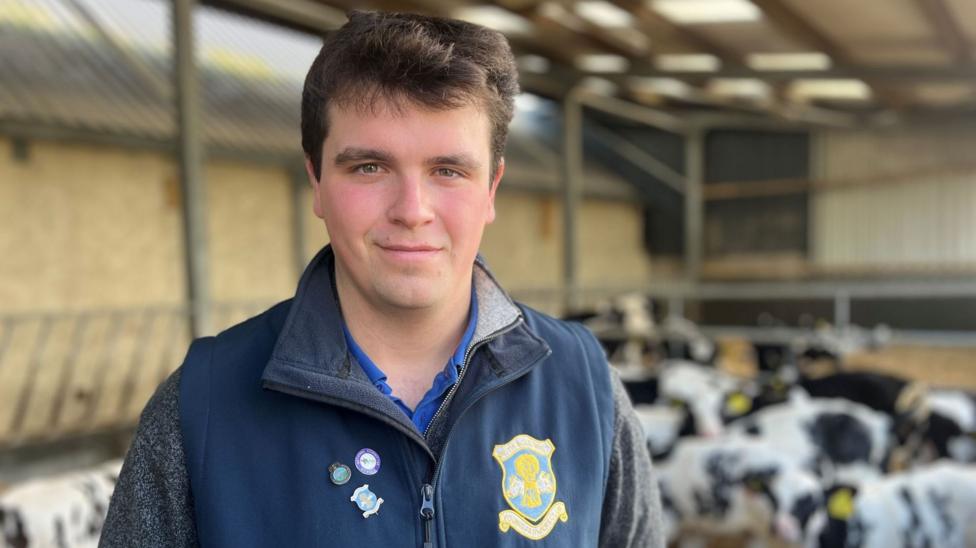
David Murdoch, chair of the Scottish Association of Young Farmers, acknowledges this shift while cautioning against abandoning traditional knowledge.
There's no point in doing it if you don't know your cattle, but embracing the technology is what keeps us competitive. Working with larger herd numbers and larger machinery to keep us producing more with less people - that's the way the world's going.Murdoch operates a dairy farm with his father at Beith in North Ayrshire.
What other factors will reshape Scottish farming?
Food production represents only one dimension of agricultural transformation. Nature conservation, carbon offsetting and renewable energy generation are already influencing farm management decisions and will continue to do so. Health-related innovations may also drive change, as obesity medications create growing demand for protein-rich and nutrient-dense foods.
Crops such as soya, flax and legumes could become increasingly common as growing conditions become more favourable and the economic case for local production strengthens. The Scottish bean—an early-ripening dwarf fava variety developed through James Hutton Institute field trials—features nitrogen-fixing roots that can reduce reliance on synthetic fertiliser.
Prof Wayne Powell, principal of Scotland's Rural College (SRUC), makes a bold prediction about Scotland's agricultural future. He suggests the nation could become
the bread basket of Europe—a title currently applied to Ukraine due to its fertile land and substantial exports of wheat, maize and barley. Powell elaborates:
Climate change is redrawing the farming map of Europe and Scotland could become one of Europe's most important climate resilient food regions. The possibility of access to cheap renewable energy could also transform the economics of Scottish farming from irrigation, refrigeration, food processing, so that we can capture more value from our land and food.
How have Scottish rural communities changed?
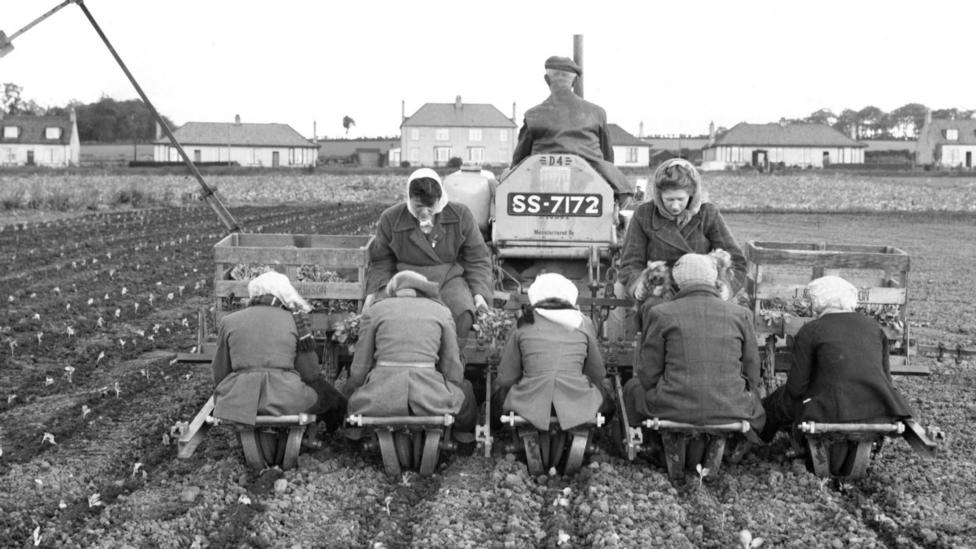
Over the past 75 years, Scotland's rural communities have undergone dramatic transformation, with far fewer people now working the land than in previous generations. The pressure to maintain affordable food for consumers while ensuring farm profitability will remain a central driver of innovation.
The interplay between climate change and environmental degradation complicates this equation considerably. Yet farmers have demonstrated resilience through short-term, medium-term and long-term shifts throughout history. By the end of this century, Scotland's agricultural landscape will likely be as unrecognisable to today's farmers as the farms of a century ago would be to their predecessors.