An island in the Channel Islands is pursuing an ambitious marine conservation plan that would protect approximately 30% of its surrounding waters, safeguarding sensitive habitats and supporting sustainable fishing practices.
The proposal targets roughly 50 square miles (128.8 square kilometres) of sea around Sark and has been developed by the island's Agriculture, Environment and Sea Fisheries Committee in collaboration with the Blue Marine Foundation, local fishermen and marine scientists. According to Chief Pleas records, the committee has already secured approval for a vision document titled "Celebrating Sark's Sea: A proposal to secure our marine life and a unique way of life at sea," with further consultation now underway.
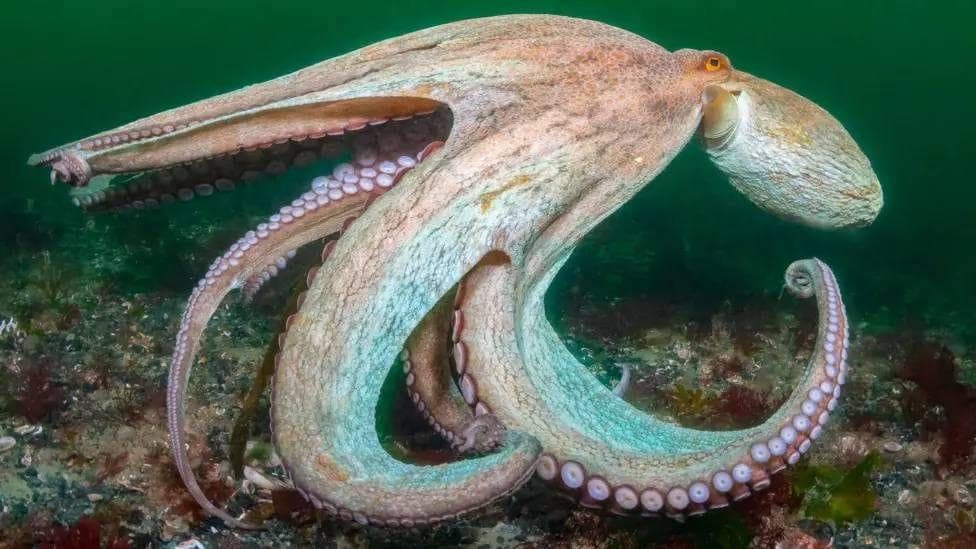
The waters surrounding Sark support a rich diversity of marine life, including European spiny lobster, rays, catsharks, octopus and pink sea fans. The initiative builds on existing protections already in place on the island. Current Sark regulations already prohibit dredging, restrict trawling, and enforce closed seasons for species such as lobsters, crabs and ormers, making the new designation a strengthening of measures already established.
How would the protection work?
The proposed designation would be classified as a "highly protected marine protected area," which would tighten regulation on trawling in nearshore waters while continuing to allow low-impact fishing, recreation and tourism. Sark controls 3 nautical miles of water around it, which provides the legal basis for applying marine protection across the proposed area.

Freddie Watson, Channel Islands project manager at Blue Marine Foundation, explained that the initiative draws on scientific evidence to identify priority habitats requiring protection.
Evidence had been used to identify important habitats, including previously unmapped areas of seagrass, so protection could be focused where it was needed most.The mapping and habitat review process, conducted by Blue Marine and Sark's committee, has documented eelgrass meadows, reefs and areas used by birds and marine mammals.

What benefits could marine protection bring?
Stronger protection could deliver advantages for both wildlife and people by sustaining fish stocks and preserving habitats that support marine biodiversity. Watson highlighted an additional environmental benefit:
Some of those habitats are really important at drawing down and locking away carbon.This carbon sequestration capacity underscores the climate value of marine conservation beyond its immediate ecological benefits.
How does this fit into a wider regional effort?
The Sark proposal forms part of a coordinated approach to marine protection across the Channel Islands. Jersey is pursuing its own marine protection goals, with plans to protect more than 20% of its waters. This regional coordination reflects a shared commitment among Channel Island authorities to safeguard marine environments and demonstrates how smaller jurisdictions can lead on conservation policy.
What happens next?
The proposal requires political approval from Sark's governing body, Chief Pleas. According to the Chief Pleas schedule, the agenda deadline for submissions is 12pm on 1 September 2026, with a full meeting scheduled for 30 September 2026. Members of Chief Pleas are expected to debate the plans at that meeting, where further consultation may be ordered before any final decision is made.
The timing aligns with broader momentum in marine conservation. Earlier efforts in other regions have demonstrated the value of protected seabeds; protected seabed in Scotland's Summer Isles has shown early recovery signs after illegal fishing damage, illustrating how designation can support ecosystem restoration.
Key Facts
- The proposal would protect approximately 50 square miles (128.8 sq km) of sea around Sark, representing 30% of the island's surrounding waters
- The marine protected area would be classified as "highly protected," tightening trawling restrictions while permitting low-impact fishing and tourism
- Sark already maintains existing protections including dredging bans, trawling limits and closed seasons for lobsters, crabs and ormers
- The initiative is part of a coordinated Channel Islands effort, with Jersey pursuing protection of more than 20% of its waters
- Chief Pleas will debate the proposal on 30 September 2026, with an agenda deadline of 1 September 2026