

More than 100 rental properties across the inherited estates of King Charles and Prince William fail to meet the legal minimum energy efficiency threshold required of landlords, according to an investigation covering the duchy of Lancaster, the duchy of Cornwall and the Sandringham estate. A review of a large sample of domestic lets found that roughly one in five carried an Energy Performance Certificate (EPC) rating of F or G, the two lowest bands on the scale.
EPCs assess how efficiently a home uses energy and estimate what that means for running costs and environmental impact, with A representing the most efficient properties and G the least. Since 2020, English and Welsh law has barred landlords from letting homes rated below E unless they can show a valid exemption, but the investigation found that in most of the substandard royal properties, no such exemption had been formally registered.
In some instances, the estates appear to be relying on regulatory gaps rather than exemptions to keep letting out homes that would otherwise fail the standard. Dozens of farmers renting farmhouses from the two duchies live in properties that are cold and poorly insulated, with some tenancy types falling outside the scope of the current rules altogether. Other properties are exempt simply because the tenancy predates October 2008, when the regulations began applying to rented homes — these older tenancies often house elderly or unwell residents, some without central heating, relying instead on coal fires or costly electric heaters.
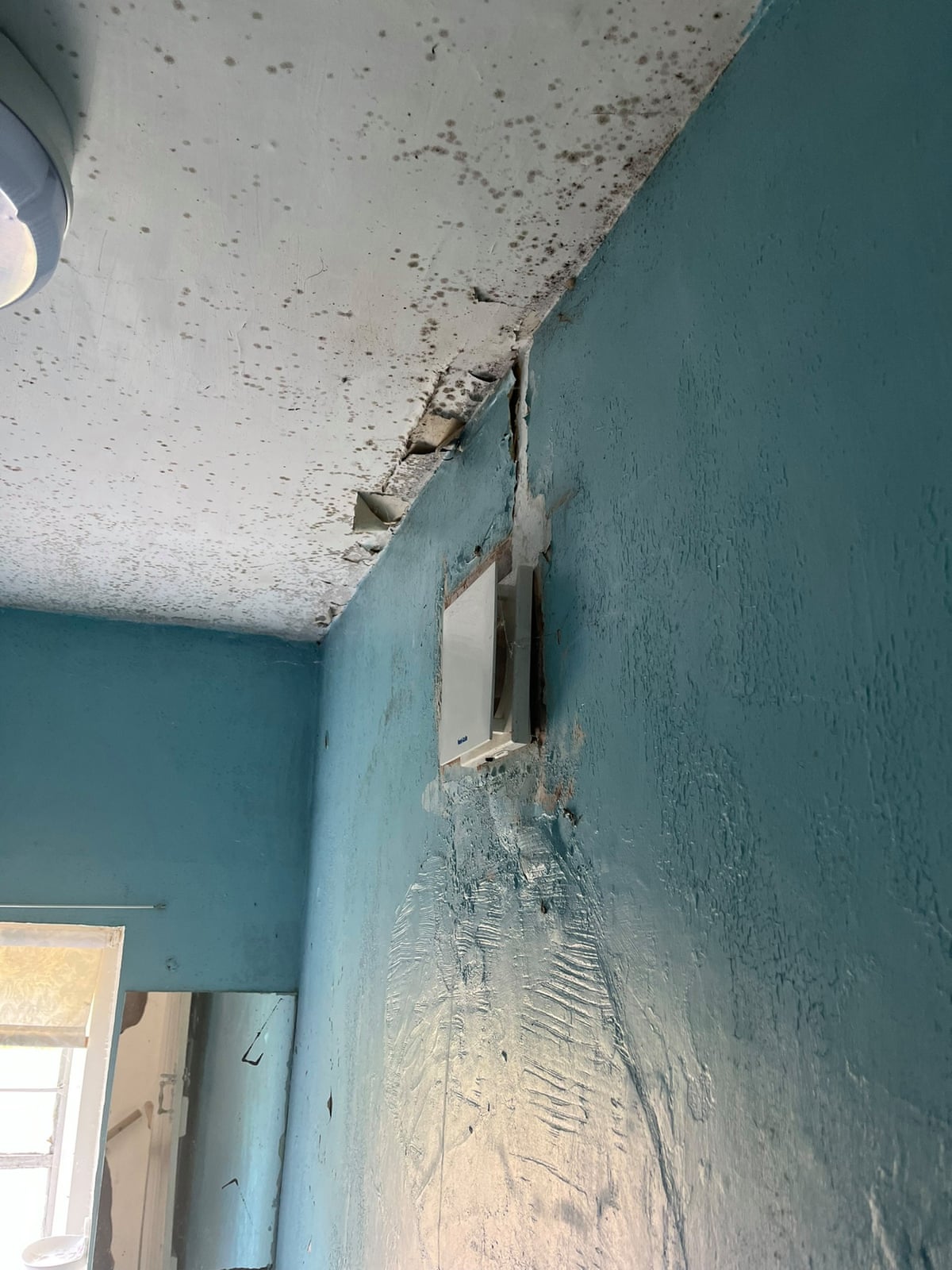
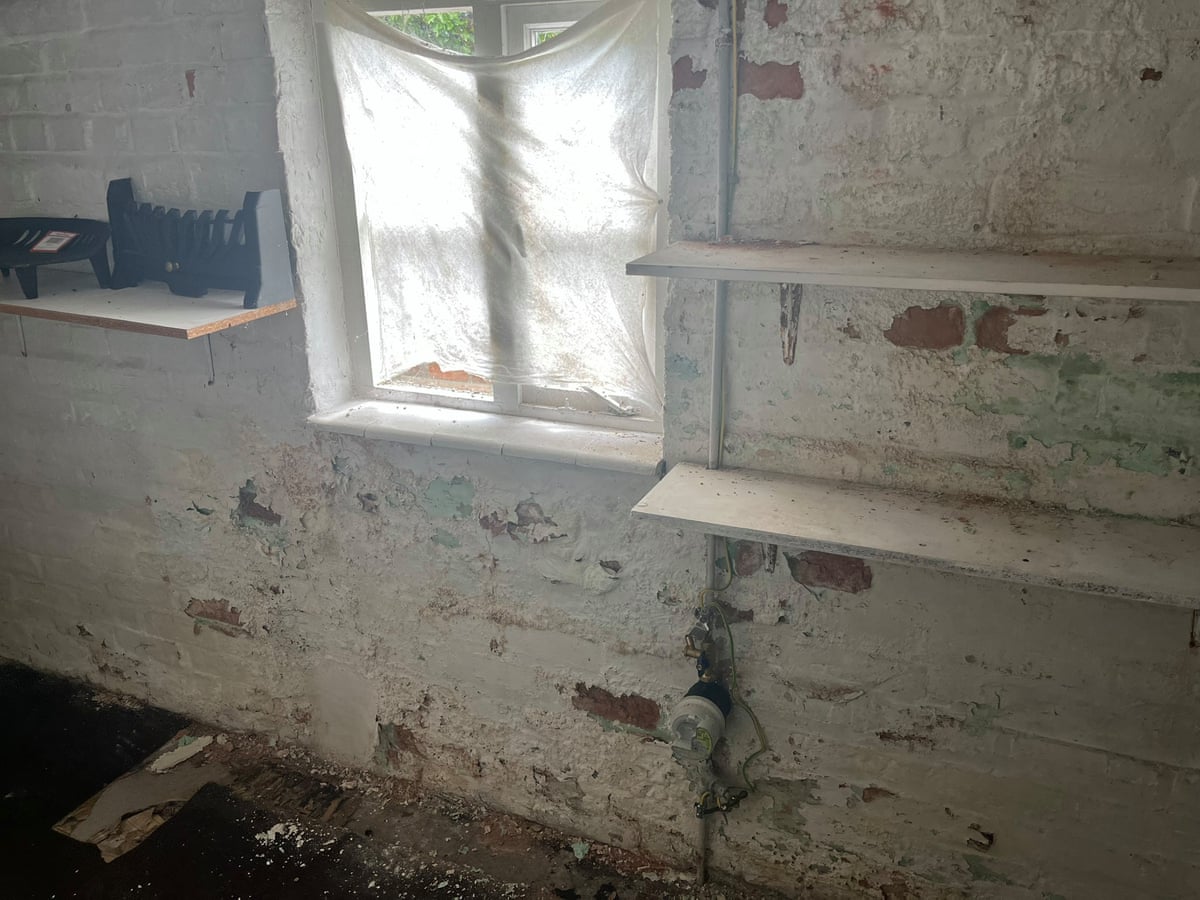
Visits to several of the worst-rated duchy properties found black mould and draughty single-glazed windows throughout. The campaign group Fuel Poverty Action described conditions in some homes as "Dickensian" and accused the estates of prioritising income over tenants' health.
How much money is involved?
It is not publicly known how much income the king draws from the privately held Sandringham estate, an 8,000-hectare (19,000-acre) property in Norfolk acquired by Queen Victoria in 1862. The duchies of Lancaster and Cornwall, however, are exempt from most business taxation, a status dating to their feudal origins that has helped them pay out more than £400m to the king and his family since 2018 — the same year the minimum energy efficiency standards (MEES) regime took effect for new tenancies, before being extended to existing ones in 2020.
Landlords facing a substandard rating must either spend up to £3,500 per property on upgrades, register a recognised exemption, or risk fines of up to £5,000 for continuing to let a non-compliant home. Of the F- and G-rated properties examined across the three estates, fewer than one in 12 had a registered exemption: eight at the duchy of Lancaster, four at the duchy of Cornwall and five at Sandringham.
The exemption cited most often, affecting nine properties, is that permission for improvements "has been refused, or given conditions that cannot reasonably be met". Four more properties are logged as unsuitable for wall insulation. In three cases, landlords say bringing the property up to standard would cost more than the £3,500 cap allows — none of those three has central heating or full double glazing, and all depend on electric heaters rated "very poor" by assessors, alongside solid-fuel stoves.
How widespread is the problem?
Because none of the three estates publishes a full list of its landholdings — and aides to the duchies have previously withheld such details even from parliament — a complete audit is difficult. Even so, cross-referencing more than 700 domestic properties recorded at the Land Registry as owned by one of the three estates found that close to one-fifth carry an F or G rating.
Properties converted into holiday lets, which fall outside MEES rules, were excluded from the analysis, as were leasehold titles where landlord responsibility is less clear-cut. It is not known precisely how many of the 143 identified F- or G-rated homes are currently empty pending renovation or sale, though tenants were traced and interviewed at a substantial number of them.
What is happening on the duchy of Lancaster estate?
Founded in 1265 to fund the monarch privately, the duchy of Lancaster spans roughly 18,000 hectares (44,000 acres) stretching from northern England to London, with the bulk of its more than 300 rental homes concentrated in the north-west and the Midlands. It is the only one of the three estates to publish figures on its MEES compliance, stating in its latest annual report:
The duchy continues to invest in improving energy efficiency across its rental properties, with 97% of the let properties for which minimum energy efficiency standards are applicable being rated A+ to E.
Making improvements can often be challenging due to the listed or historical status of some of our buildings; of the 10 properties that are rated F and G (12 in 2025), seven meet the criteria for registered exemptions and three have ongoing works to improve the EPCs.
Yet a wider count of more than 200 duchy of Lancaster properties found closer to 40 rated F or G. About half of those substandard homes are farmhouses, which may or may not be covered by MEES depending on their tenancy structure; 15 were rated F and six G, including two that scored the lowest possible mark of one point.
Even the duchy's own solicitors have questioned this approach. Elizabeth Earle, a rural property specialist at Farrer & Co, wrote on the firm's website that landowners should not treat the farmhouse exemption as a permanent shield:

Although it might be tempting to try and exploit what may look like a loophole now, the more prudent position is to treat farmhouses as though they must comply with MEES. Doing so will be consistent with the overall intention of public policy and less likely to create a problem for the future.
One duchy of Lancaster tenant farmer, whose home received a very poor score, described the gap between appearances and reality:
When I'm at the post office and they see my council tax, they think: you must live in a nice house. But I wouldn't live here unless I had to.
We have no central heating and almost no double glazing. Our only heating is from coal fires. It's very cold in the winter and very hot in the summer.
When they came to do the EPC, the man said we were one of the worst he had ever done. They would need to spend a lot of money on this place but the duchy told us we are exempt. It doesn't seem fair that we don't get anything.
What happens when tenancies predate the rules?
Because EPC requirements for rental homes only began in 2008, properties let under older tenancies are typically only assessed when a tenant changes or the home is sold — meaning long-standing occupants can go years without any formal check, unless a landlord chooses to carry one out voluntarily. In one Cheshire terrace of duchy of Lancaster cottages, several were found to carry F and G ratings under exactly this arrangement.
A local parish councillor described the pressures facing elderly residents there:
The tenants are all elderly and have been there for many decades. They complain about the duchy. They don't like to spend any money on repairs.
Because they have been there so long they have low rents compared to the market locally. If they complain too much they are reminded that the duchy can put up their rent. They are terrified of that and keep quiet.
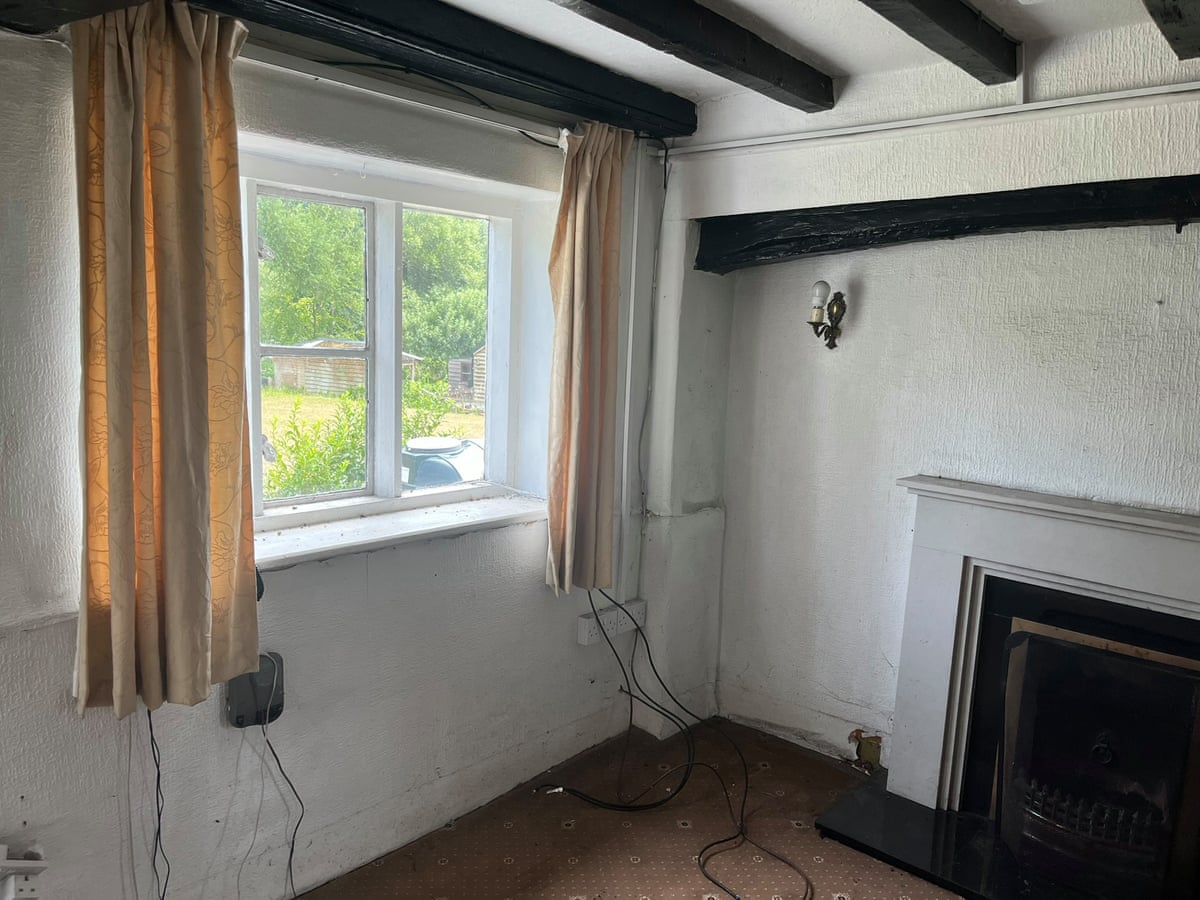
One such cottage, sold by the duchy after being home to a man in his 90s, was rated G and marketed by estate agents as requiring "a full programme of renovation, modernisation and extension". Inspection found single glazing, minimal insulation, an oil-fired boiler, black mould and peeling, damp-stained walls. The buyer who took it on afterwards said:
Poor man, he lived there for more than 60 years and barely moved for the last 20.
The conditions were appalling. I wouldn't let my dog stay in there, let alone a 90-year-old.
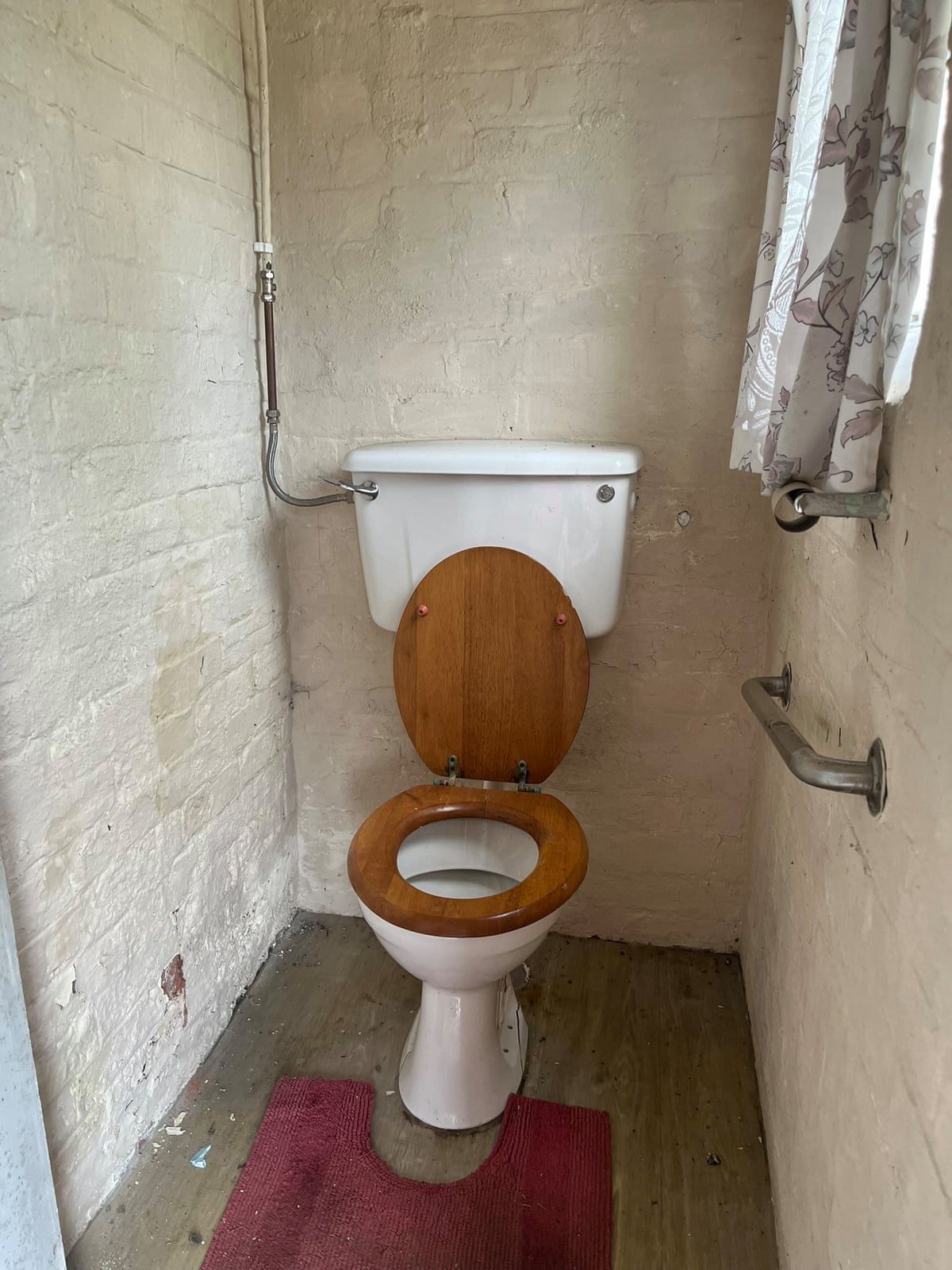
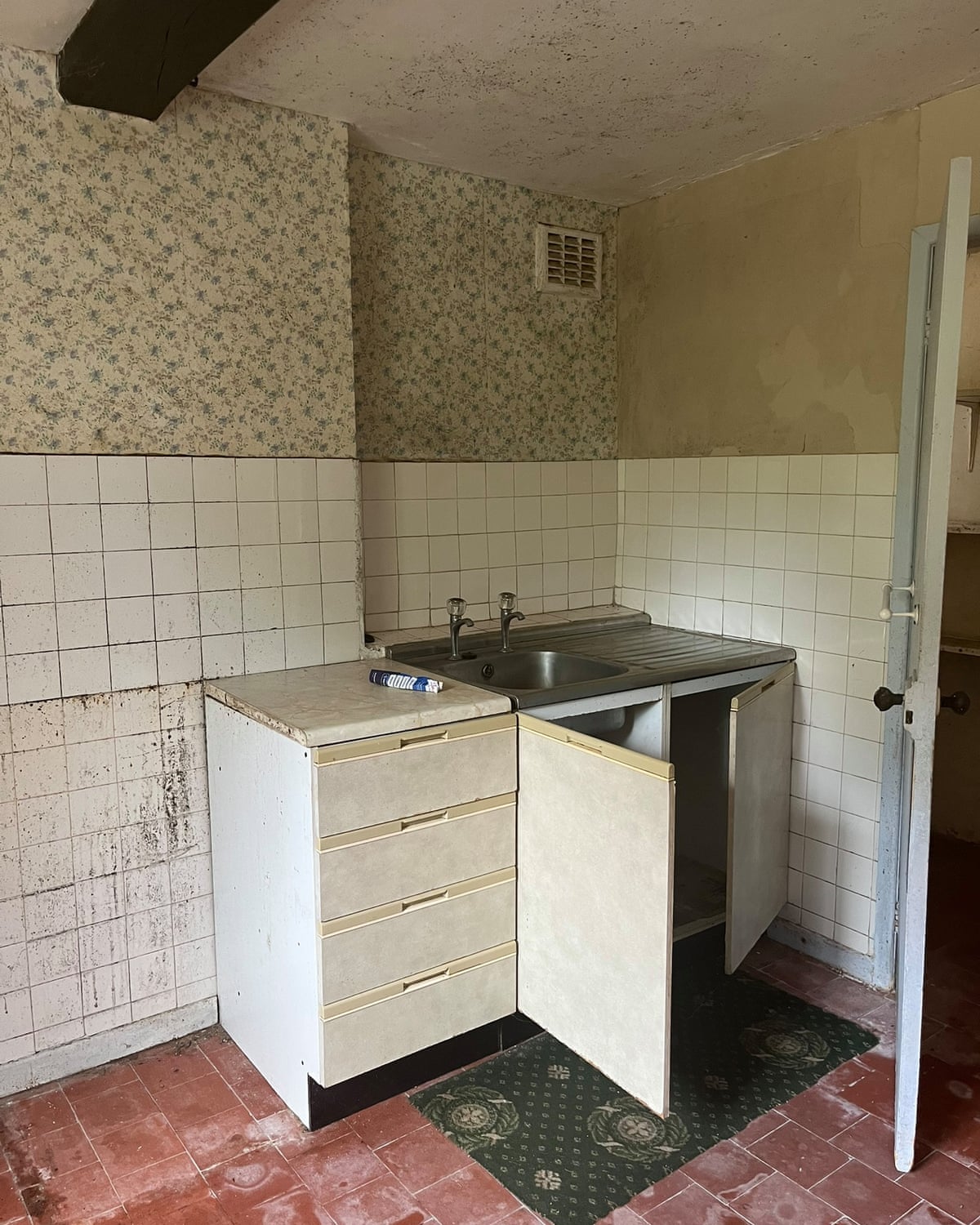
Another long-term duchy of Lancaster tenant, whose home is now rated F, said repairs simply do not happen:
They do no repairs. My windows are so rotten I am scared they will fall out.
I can't believe how bad it is, it really gets me down. I do complain but nothing ever gets done. I need to step away from it. Hearing how much money they have makes me sick. People are scared to take them on.
Responding, a duchy of Lancaster spokesperson said the estate placed "great importance" on "being a responsible landlord" and added:
Any tenant with concerns is encouraged to contact us directly and can be assured we will address these issues promptly and constructively.
Over the last year, the duchy of Lancaster has invested more than £3m in residential property repairs and upgrades as part of our ongoing commitment to provide well-maintained homes compliant with all legislation.
Whilst improving the energy efficiency of some historic buildings is challenging, we continue to work to improve their EPC ratings.
What about Sandringham?
King Charles inherited both the duchy of Lancaster and the Sandringham estate from Queen Elizabeth II following her death in 2022; because assets pass between monarchs free of inheritance tax, no duty was owed on the transfer. Of nearly 170 Sandringham properties with an EPC on record, 18 were rated F or G.
A spokesperson for the estate said Sandringham


