

Highland Council has drawn up draft guidance intended to cut light pollution and preserve clear night skies across the region for stargazers. Officials say cutting unnecessary outdoor lighting would also lower carbon emissions and reduce energy costs. Councillors are due to consider the guidance at a meeting next week before it goes out for public consultation.
The proposals are designed to help communities establish dark sky sites, defined as locations with minimal or no light pollution. Under the draft rules, developers behind major building projects in or near these sites would need to carry out a lighting assessment demonstrating why exterior lighting is required.

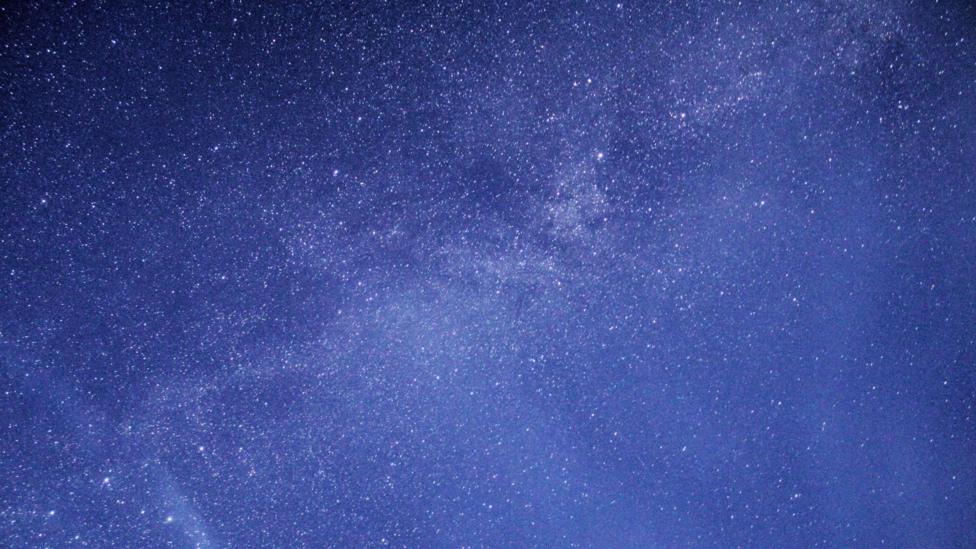
The council notes that its region, with its vast and thinly populated landscape, already offers some of the darkest night skies found anywhere in Europe. In a report prepared for councillors, officials explained that limiting exterior lighting to only what is needed for safety and security would bring wider benefits.
There are environmental benefits in terms of reduced emissions and lower adverse impacts on humans and wildlife, financial benefits in reduced energy usage and bills, and tourism economy benefits in terms of retaining and enhancing visitors' ability to enjoy the night sky.
The report also suggests practical measures such as planting trees and installing fencing to soften the glare from outdoor lighting. Officials acknowledged, however, that some communities are likely to want to retain exterior lighting for safety reasons, meaning the guidance would need to balance those concerns against dark sky ambitions.
How does this fit into wider council policy?
Highland councillors formally backed the new dark skies planning policy on 28 May 2026, instructing officers to refine the approach and take it forward for consultation as part of the forthcoming
This article was sourced from bbc


