Renewable sources generated more than half of Northern Ireland's electricity in the year to June 2026, reaching 53% of total generation and surpassing the previous record of 51% set in 2022. This marks a significant milestone in the region's transition away from fossil fuels, with renewable generation consistently outpacing non-renewable sources since January 2026.
According to the Department for the Economy's latest electricity statistics, total renewable generation reached 4,431 GWh during the period. Even when accounting for imported electricity, renewables matched the previous record of 50% of gross final electricity consumption, which was set in 2022/23.
Economy Minister Caoimhe Archibald highlighted the economic benefits of the shift, stating that increased renewable electricity generation would help Northern Ireland
move away from price volatility and towards more stable and fairer pricesfor consumers. She noted that rising global fossil fuel costs were
impacting negativelyon both businesses and households, particularly those with lower incomes.
What sources are driving renewable generation?
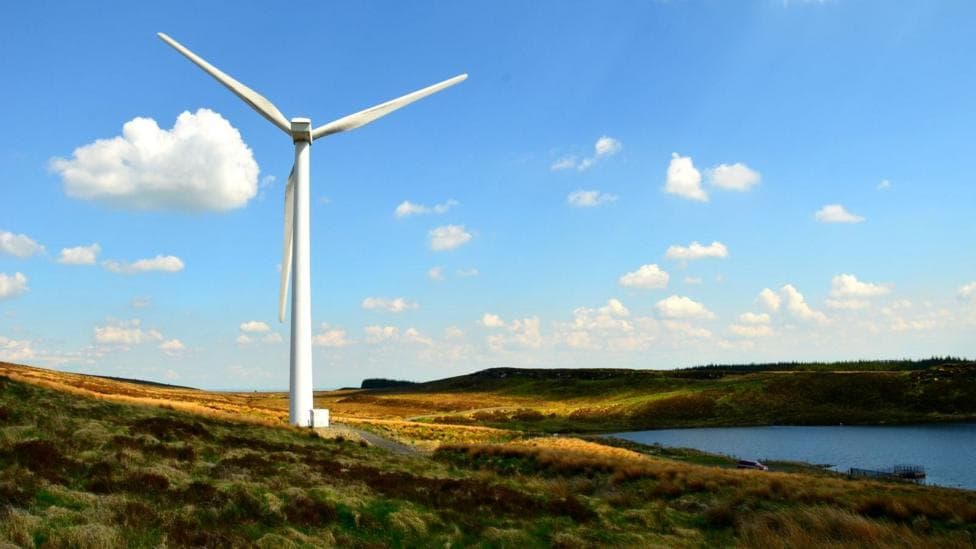
Wind energy dominates Northern Ireland's renewable electricity mix, accounting for nearly three-quarters (74%) of all renewable generation. Bioenergy—derived from anaerobic digestion, incineration and fermentation processes—contributed just under one-fifth (18%). Solar energy provided 6%, while landfill gas and hydro/tidal generation each accounted for 1% of the renewable total.
How does this compare to the 2030 target?
Northern Ireland has established a statutory target to generate at least 80% of electricity from renewable sources by 2030, a requirement created by section 15 of the Climate Change Act (Northern Ireland) 2022. The current 53% generation share demonstrates progress but also reveals the substantial gap remaining. The previous year to March 2026 saw renewable generation reach 48% of gross final electricity consumption, indicating an upward trajectory over recent months.

What challenges affect renewable capacity?
Northern Ireland faces two significant obstacles in expanding renewable generation. Weather conditions directly influence output levels, with lower wind speeds reducing generation capacity. More substantially, the region experiences a high rate of dispatch down—the deliberate switching off of turbines when demand for generated power is insufficient. This constraint exists because the electricity grid has a technical limit on the amount of renewable energy it can accommodate due to fluctuations in supply. According to EirGrid's 2025 annual constraint report, wind dispatch-down in Northern Ireland totalled 663 GWh, representing 22.0% of total available wind energy during the year.
The increase from previous years' reduced renewable generation reflects both improved weather conditions and continued investment in renewable infrastructure. However, the Northern Ireland Audit Office has assessed that the region remains materially short of its 80% renewable electricity target in its latest evaluation.
Why is this transition important?
Moving towards higher renewable energy penetration represents a critical component of Northern Ireland's journey to net zero emissions and the broader transition away from fossil fuels. The shift reduces dependence on volatile international energy markets and creates potential for more predictable electricity pricing over the long term.
What happens next?
The Department for the Economy is expected to release the next official electricity statistics update covering the year ending September 2026, continuing its quarterly reporting schedule. This will provide further insight into whether the upward trend in renewable generation continues and how close the region is moving towards its 2030 target.
Key Facts:
- Renewable electricity generation reached 53% in the year to June 2026, exceeding the previous record of 51% from 2022
- Wind energy accounts for 74% of renewable generation, with bioenergy providing 18%
- Northern Ireland has a statutory target of 80% renewable electricity by 2030 under the Climate Change Act (Northern Ireland) 2022
- Grid constraints result in 22% of available wind energy being dispatched down due to insufficient demand
- Renewable generation has consistently exceeded non-renewable generation since January 2026