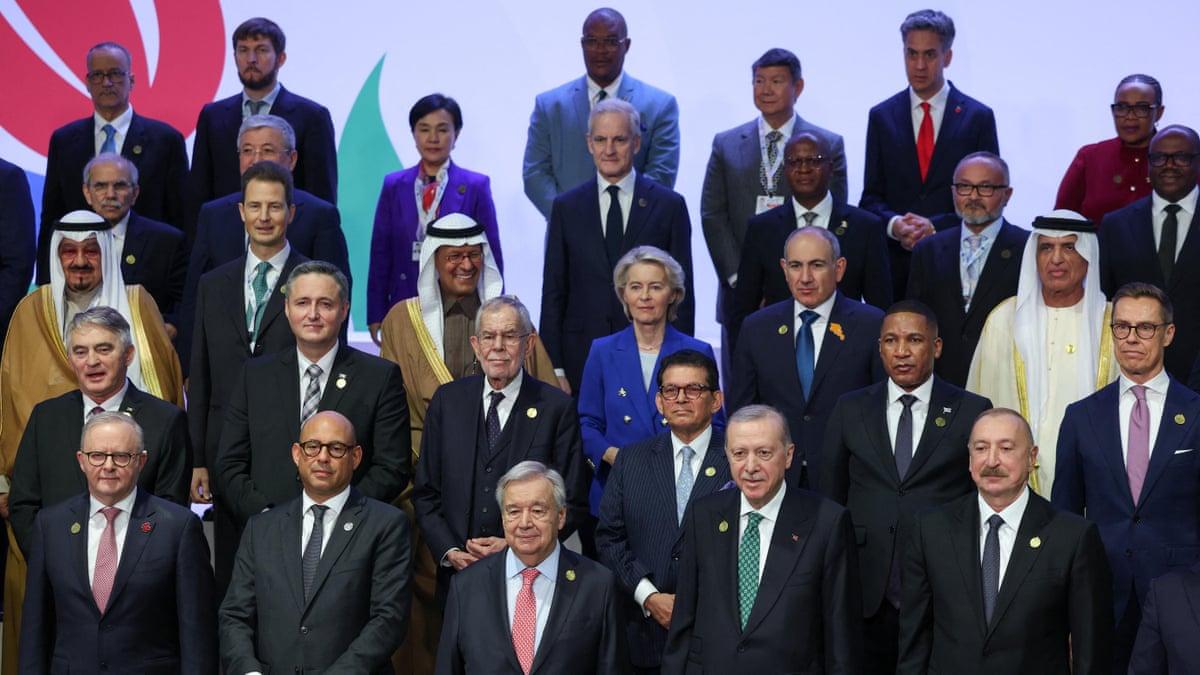
UN Secretary-General António Guterres delivered a forceful call for the rapid elimination of fossil fuels at the opening of Cop31 in Antalya, Turkey, on 11 November 2026, drawing a stark contrast between the industry's political influence and the fate of the dinosaurs. According to The Guardian, Guterres used the two-day leaders' summit to press governments for accelerated action on emissions cuts rather than vague commitments to phase out coal, oil and gas.
"The case for fossil fuels is collapsing," Guterres said. "Fossil fuels must go the way of the dinosaurs. And that won't happen on its own. The dinosaurs did not have a lobby. Fossil fuels do."He urged countries to abandon their dependence on carbon-intensive energy, describing the challenge in direct terms:
"It's time to kick the habit – and end the fossil-fuel addiction."
What are the timescales for phasing out fossil fuels?
Guterres outlined specific targets for the transition away from coal, oil and gas. Coal must be eliminated within approximately 15 years, while oil and gas consumption must be cut by one-third, he stated. The UN chief framed the choice starkly:
"We have a choice: Either plan this just transition – or pay for it in chaos and lost livelihoods."According to Straits Times, Guterres warned that
"the climate crisis is outrunning us"and described the current trajectory as
"the path to mutually assured destruction."
How should fossil fuel profits be redirected?
Guterres highlighted the disparity between the enormous profits accumulated by oil and gas companies and the comparatively modest funding allocated to the loss and damage fund for vulnerable nations. He proposed that governments impose a windfall tax on fossil fuel companies to address this inequity.
"It's time for governments to tax these windfall profits – and use them to help vulnerable countries recover,"he said, adding that
"Polluters must pay."His remarks drew applause from the assembled delegates.
What is the broader context of climate impacts?
The timing of Guterres's intervention comes as new research underscores the accelerating consequences of climate breakdown. The State of Wildfires report, released during the summit, demonstrates that extreme wildfires across Canada, Chile and Mediterranean Europe have been made substantially more likely by human-caused climate change. In 2025, the largest area burned from wildfires on record was recorded across the European Union, with the wildfire season proving particularly severe in Iberia, where more than 40,000 people were evacuated as 14 megafires—defined as burned areas of at least 100 square kilometres—raged across the region.
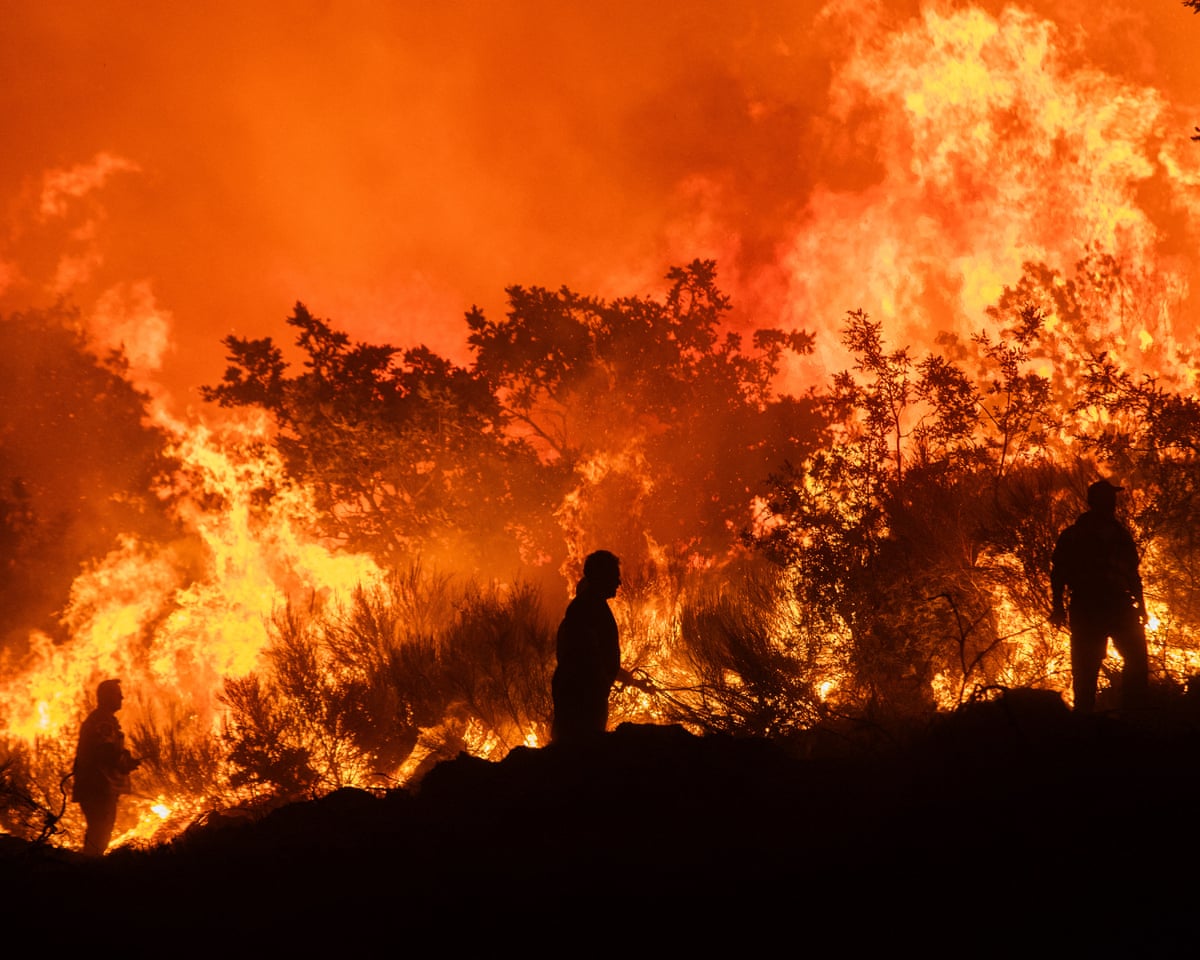
Scientists found that climate breakdown made the fires in Iberia three times more likely and tripled the area burned. In Canada, the 2025 wildfires, which claimed 35 lives, were 85% more likely than they would have been without human-caused climate breakdown, and the area burned was approximately nine times larger. The research indicates that under current warming projections, fires similar to those seen in 2025 could burn around one-third more area within the next 20 years. However, researchers also found that a pathway to reduce global emissions broadly in line with the Paris Agreement could reduce the area burned during extreme events by 5–36% when compared with a plausible high-emissions future.
Chantelle Burton, a wildfire scientist at the Met Office and lead author of the study, stated:
"The findings show a clear message: we are already seeing the visible impacts of climate change on extreme fires around the world. However, with strong action to cut emissions, we can still avoid worse fires happening in the future."
Which world leaders are attending the summit?
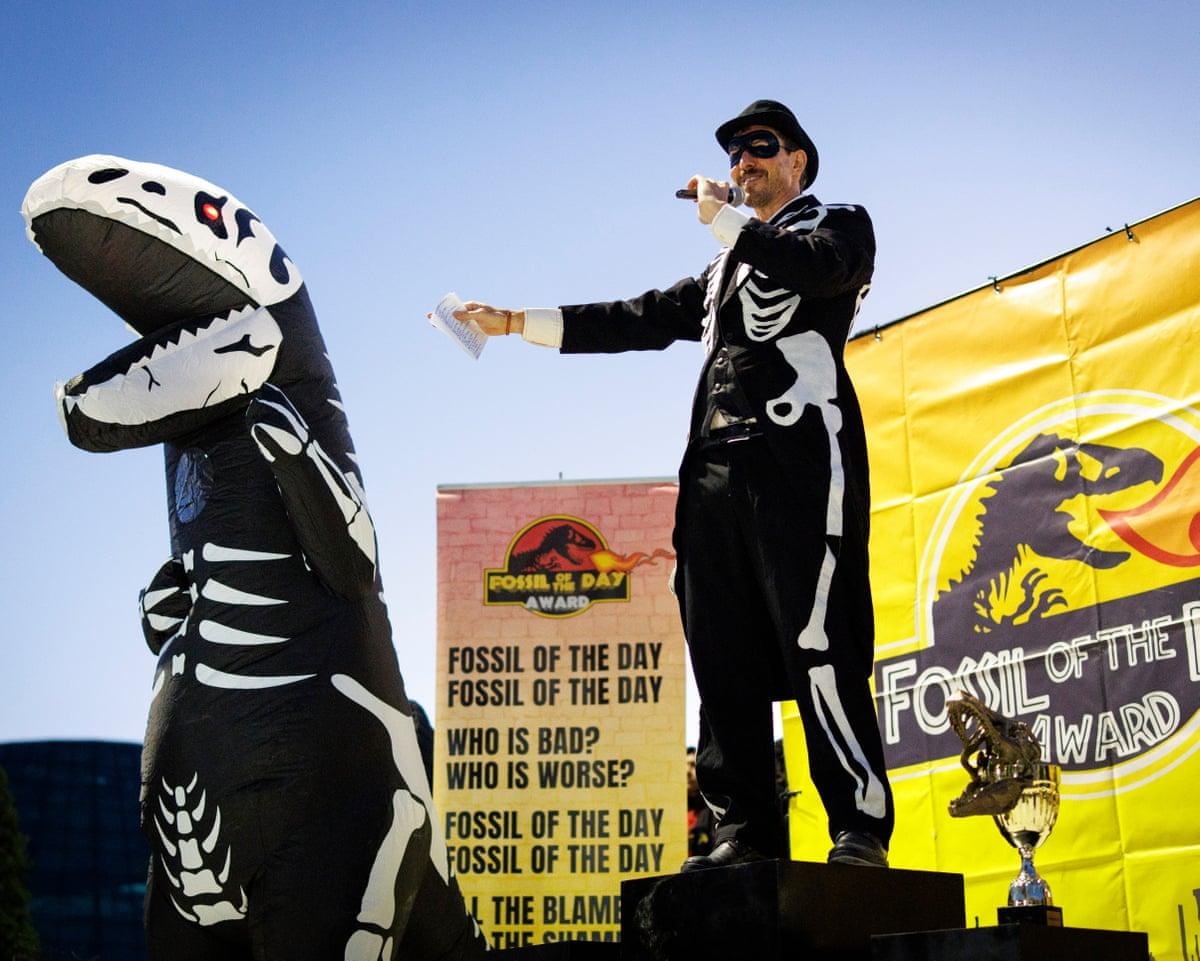
The opening ceremony featured performances by the Legendary Dance Show: Fire of Anatolia before Guterres took the stage. However, attendance at the leaders' summit has proven thinner than expected. Heads of government from Canada, Japan and several European nations, including Germany, France, Italy, Denmark, Ireland and the Netherlands, chose not to attend. This means the United Kingdom will be the only member of the Group of Seven whose leader is present at the summit. The absence of major economies prompted the Climate Action Network to award Tuesday's "fossil of the day" award to "the absent leaders of wealthy countries," noting that several leaders were instead heading to Dublin for the European Union's first dedicated artificial intelligence summit scheduled for 11 November.
Those attending include Brazil's President Luiz Inácio Lula da Silva, who is riding high after securing victory in a presidential election runoff last month. Brazil's leadership on developing roadmaps to end deforestation and transition away from fossil fuels has earned recognition as a climate leader. Ursula von der Leyen, President of the European Commission, is also expected to address the summit, as is Recep Tayyip Erdoğan, Turkey's president.
According to analysis of the UN's list of high-level speakers scheduled for 11 and 12 November, national leaders representing just 14% of planet-heating carbon emissions are attending the summit. The heads of state or government of the five biggest polluters—China, the United States, India, Russia and Japan—are not present. Among the top ten carbon emitters, only Iran and Saudi Arabia are represented by their national leaders. Representation improves slightly among the top twenty polluters, with national leaders attending from Turkey and Australia, which are jointly hosting the conference, as well as Brazil, the UK and Kazakhstan. The European Union, responsible for approximately 6% of carbon emissions, is represented by von der Leyen, which would bring the share of emissions represented by a world leader to roughly 20% if included in the calculation.
What are the key proposals being discussed?
According to Rappler, Turkey is promoting a target to raise electricity's share of global energy consumption to 35% by 2035, from just over one-fifth today. However, the proposal does not require that the additional electricity come from clean sources, raising questions about whether it would genuinely accelerate the transition away from fossil fuels. The Brazilian COP presidency has published a roadmap proposing that countries plan and assess their energy systems by 2028, then cooperate to reduce fossil-fuel supply from 2031 onwards.
Cop31 is expected to launch the Paris Agreement's second global stocktake, a comprehensive assessment of progress toward climate goals. Other key issues on the agenda include adaptation financing, the 2035 climate-finance goal and resources for loss-and-damage and just-transition mechanisms. These negotiations will determine how much financial support wealthy nations commit to helping developing countries cope with climate impacts and transition their economies away from fossil fuels.
What happens next at the summit?
The Antalya Leaders' Summit and the first high-level segment continue on 12 November, with national statements from world leaders and a dedicated leaders' event on forests scheduled for 15:00–17:00. The summit is expected to see speeches from approximately 100 world leaders, including heads of state and government as well as some second-in-command officials, princes and special representatives.
Guterres concluded his opening remarks by thanking young people, activists, scientists and Indigenous people for their advocacy. He announced that he will be stepping down as UN secretary-general at the end of 2026 but pledged to continue his climate work.
"I will not stop telling the truth and I will not stop fighting for it,"he said to applause.
"I will be standing side-by-side with you as an advocate and an ally. Together, let's keep telling the truth about the climate crisis. Let's keep demanding the action that truth requires. And let's keep fighting for the sustainable future we know is in our hands. I will be with you every step of the way."
What logistical challenges have affected the summit?
Delegates arriving for the summit faced significant transport difficulties. Snarled roads and packed trams left many waiting for hours in traffic on 10 November, with widespread concerns about an even worse situation as world leaders arrived on 11 November. The conference venue, located on the outskirts of Antalya, was heavily secured with police and masked soldiers present as leaders arrived, with roads blocked or narrowed to manage the influx of VIPs.
Confusion was stoked by garbled and often contradictory messages from the UN about access procedures and arrival times. Delegates were uncertain whether they needed to arrive between 5:00 and 7:00 in the morning or simply depart by that time, whether taxis would be permitted near the venue, and whether the site would be completely sealed off after 8:30 in the morning. Messages were shared and some retracted, creating widespread uncertainty. Mahir Ilgaz, a campaigner at Oil Change International, complained:
"We would be on the road at 5am if we knew it would get us in, but this level of unpredictability sends civil society one message: stay home."Once delegates arrived, many having departed very early to ensure entry, they were offered the customary free apple and chocolate bar distributed by organisers—a small bright spot in what has been described as a rather muddled Cop.
Key Facts
- UN Secretary-General Guterres called for coal elimination within 15 years and one-third cuts to oil and gas consumption, with a proposed windfall tax on fossil fuel company profits to fund climate adaptation in vulnerable nations.
- Extreme wildfires in 2025 across Iberia, Canada and Mediterranean Europe were made three times more likely by human-caused climate breakdown, with research showing that strong emissions reductions aligned with the Paris Agreement could reduce future wildfire areas by 5–36%.
- National leaders representing only 14% of global carbon emissions are attending the summit, with heads of state from the five largest polluters—China, the US, India, Russia and Japan—absent from the proceedings.
- Turkey is proposing to raise electricity's share of global energy to 35% by 2035, though the target does not mandate that new electricity generation come from renewable sources.
- The summit will continue on 12 November with national statements and a leaders' event on forests, as Cop31 launches the Paris Agreement's second global stocktake and addresses climate finance, adaptation and just-transition mechanisms.