Hélène Duguy spent her formative years surrounded by industrial facilities in what locals call France's "Chemical Valley", a region south of Lyon where chemical manufacturing has shaped the landscape and the lives of residents for decades. Today, at 34, she has become one of Europe's most prominent environmental lawyers—and she is now suing the very companies she once advised.
The factories that dominated her childhood remain visible from her mother's apartment in St-Genis-Laval. For years, her mother accepted their presence without questioning the risks they might pose.
"She just trusted the municipalities to do their job,"Duguy explains.
"I think it remained something quite remote for her – she understood there was a problem, but [it] is invisible, so it's very hard to understand the reality of it and what it could mean for you."
The danger became impossible to ignore when authorities issued warnings about the safety of homegrown food and locally produced eggs in the area. The contamination, previously abstract, suddenly felt immediate and personal.
"She's now even considering selling her flat,"Duguy says.
"I was with her last weekend and I told her that for me, the contamination she is exposed to continuously is extremely worrying […] Here I feel very close to people who I was raised with, so this makes the issue very relatable, very tangible, and also it makes the fight more concrete."
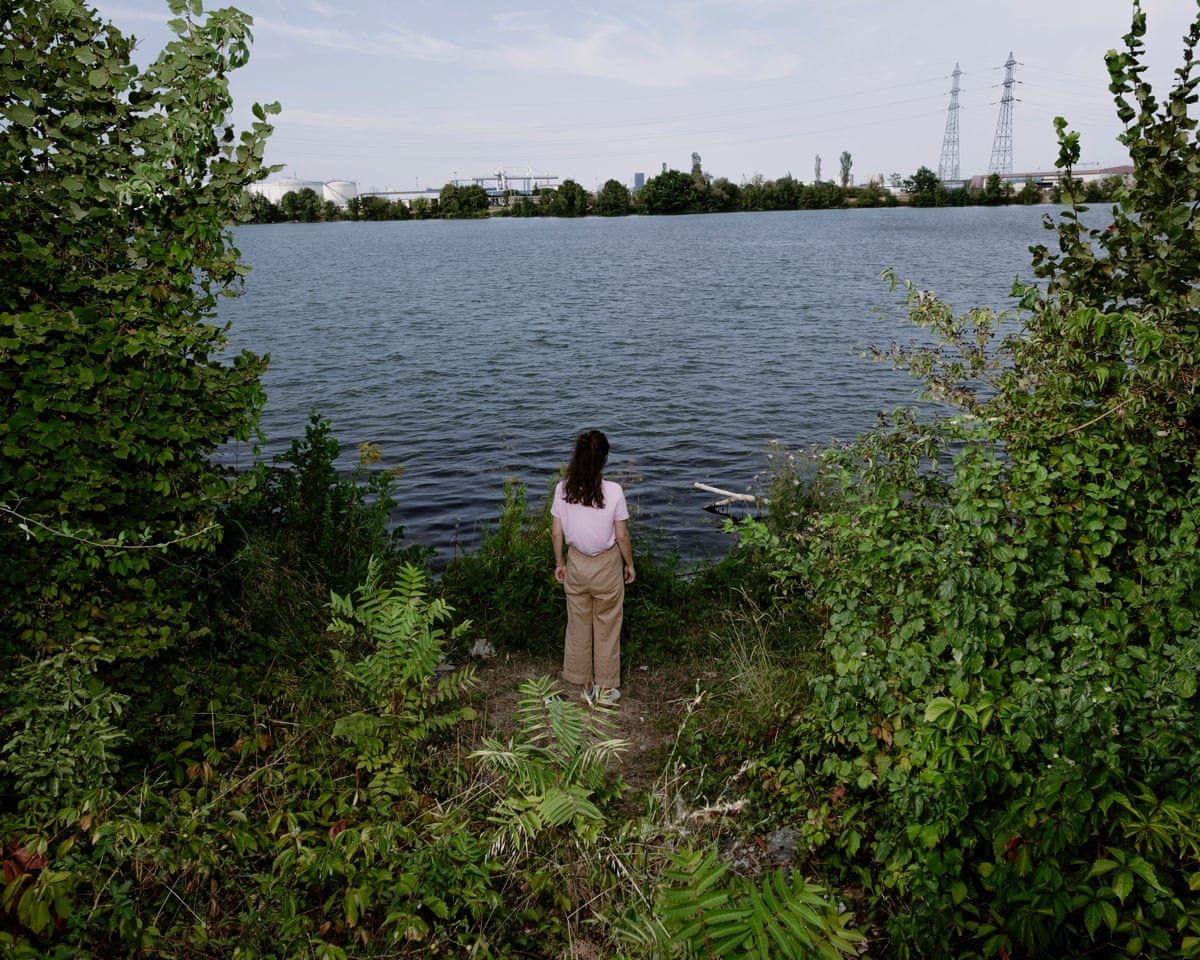
How did a corporate lawyer become an environmental prosecutor?
Before joining the environmental law organisation ClientEarth six years ago, Duguy worked at the international law firm Squire Patton Boggs, where she advised chemical companies on regulatory compliance and environmental law. In that role, she helped corporations develop strategies to
"limit the impact of those requirements on their businesses."The experience was formative, though conflicted.
"I have a very deep sense of justice and law has really become the way for me to express that,"she reflects on her career shift.
Her insider knowledge of how corporate actors think and operate proved invaluable when she transitioned to environmental advocacy. Rather than viewing her previous work as a liability, Duguy has leveraged that understanding to build a network of Europe's leading environmental lawyers.
"We support each other, find synergies and collaborate,"she says of the coalition.
"It's incredibly rich and also shows how much people are looking to access justice and to change things at all levels."
What is PFAS and why is it so dangerous?
PFAS—per- and polyfluoroalkyl substances—comprise a vast class of thousands of synthetic chemicals deployed across household products, industrial processes, and manufacturing. These compounds have been linked to cancer, birth defects, compromised immune function, and numerous other severe health conditions. The chemicals earned the nickname "forever chemicals" because they resist breakdown in the environment and in the human body, accumulating over time.
Contamination from PFAS production and use has become widespread across the United Kingdom and Europe, with pollution documented at an estimated scale that reflects decades of industrial discharge.
"We're creating sacrifice zones for the sake of a toxic industry that has no place in a European society,"Duguy argues.
"Our goal is not just to get compensation, but to force regulators to act, and that's why this litigation path is very strategic."
What legal action is ClientEarth pursuing?
ClientEarth, which describes itself as
"one of the world's most ambitious environmental organisations,"has launched multiple fronts against PFAS pollution. The organisation has challenged the European Union's reapproval of glyphosate, a controversial pesticide, and filed a human rights complaint against the Belgian government before the European Committee of Social Rights.

On 8 July 2026, ClientEarth formally filed its complaint against Belgium, marking the first time the organisation has used this Council of Europe mechanism to address PFAS contamination. The complaint argues that Belgian authorities have violated residents' rights to health and protection by failing to prevent widespread PFAS pollution. According to the filing, the claim is grounded in the right to health under the European Social Charter and alleges authorities failed to prevent and reduce PFAS risks, especially for children and vulnerable groups. The complaint also seeks a ban on all PFAS except "essential" uses where no alternative exists.
What is happening in France's Chemical Valley?
In St-Genis-Laval, at the heart of France's Chemical Valley, Duguy is supporting lawyers who have brought civil litigation against the chemical companies Arkema France and Daikin Chemical France. According to court documents reviewed by Le Monde, 192 plaintiffs—including 25 minors—are seeking approximately €36.5 million in damages, or roughly €190,000 per plaintiff, for alleged PFAS contamination caused by industrial releases. The case has been described as Europe's largest civil lawsuit over PFAS, reflecting the scale of the dispute over industrial pollution and alleged health harm.
The extent of contamination in the valley emerged gradually following investigative reporting that exposed the problem. Testing has detected PFAS in the air, soil, water, and in residents' blood. Authorities have issued warnings prohibiting residents from consuming locally produced eggs or poultry meat. Despite these documented risks, locally led environmental campaigns have encountered resistance rooted in concerns that cleanup costs could threaten employment in the chemical sector.
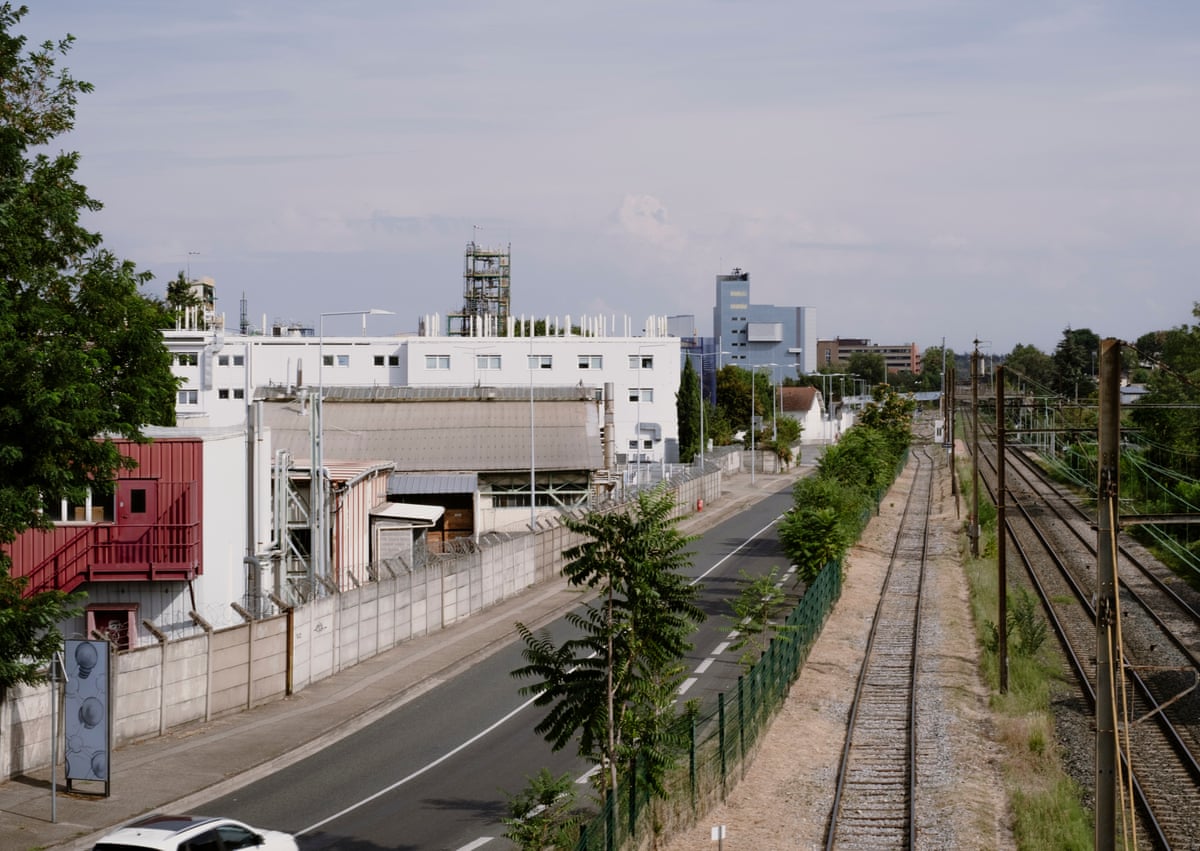
Duguy rejects the narrative that environmental protection and economic stability are incompatible.
"When you think about creating a toxic-free environment or a toxic-free society, you need to look at everything holistically. If you have less jobs in those toxic industries, you could create new jobs in safe industries. While we keep providing opportunities for those toxic industries to thrive, we prevent other safe industries from really becoming important for the economy,"she argues. Yet she acknowledges the difficulty of making this case when employment is at stake.
"I think NGOs often don't really understand what's happening at the local level,"she reflects, recalling her own pride in growing up in what felt like a hub of industrial innovation.
What precedent exists for holding chemical companies accountable?
Duguy has advised lawyers on high-profile cases beyond France and Belgium. She provided counsel on litigation in Italy in which 11 former executives from a chemical company received jail sentences of up to 17 years after conviction for polluting water and soil across a 100-square-kilometre area with PFAS. These cases demonstrate that courts can and do hold corporate leadership responsible for environmental contamination, though such outcomes remain rare.
ClientEarth itself has pursued legal action against some of the world's largest and most polluting corporations, from fossil fuel firms to agricultural companies. The organisation's track record suggests that strategic litigation, combined with regulatory pressure, can force meaningful change.
What happens next?
The European Committee of Social Rights will now consider ClientEarth's complaint under its collective complaints procedure. No public decision date has been announced, but the process represents a novel approach to PFAS accountability—using human rights law rather than environmental regulation as the primary lever for change.
In France, the civil litigation in St-Genis-Laval continues through the courts, with Duguy supporting the legal team. The outcome of these cases will likely influence how other European jurisdictions approach PFAS liability and corporate accountability.
For Duguy, the stakes are personal and universal.
"The problem with PFAS is that it's something that you cannot grasp, but hopefully those actions that we're launching will trigger some kind of emotion that can lead to action,"she says.
"If not, we will just continue to face really awful consequences and then try to think of solutions when it's too late."