Salmon Numbers on River Tweed Defy Global Decline
Authorities managing the River Tweed in the Borders attribute the current stable salmon populations to the efforts of their predecessors, despite a global trend of declining numbers.
Concerns had been raised that last season’s drought conditions, elevated water temperatures, and widespread harmful algae blooms would significantly reduce rod catches along the River Tweed and its tributaries.
Nevertheless, recently published data reveal that 6,957 salmon were caught and released in the past year, slightly exceeding both the five- and ten-year averages.
This positive outcome stands out as nearly every other river reports ongoing declines, much to the satisfaction of Tweed management.
"We need to give great credit to those who came before us for opening up the waterways by removing barriers and taking us from being a Tweed mill industry to a Tweed fishing industry."
Jamie Stewart, clerk to the Tweed Commission, acknowledged the contributions of previous generations who enhanced the river’s accessibility and fishery potential.

Global Decline in Atlantic Salmon Populations
Since the mid-1970s, global Atlantic salmon populations have plummeted from an estimated 10 million to fewer than three million today.
Scientists attribute this decline primarily to altered water conditions, habitat degradation, and reduced food availability.

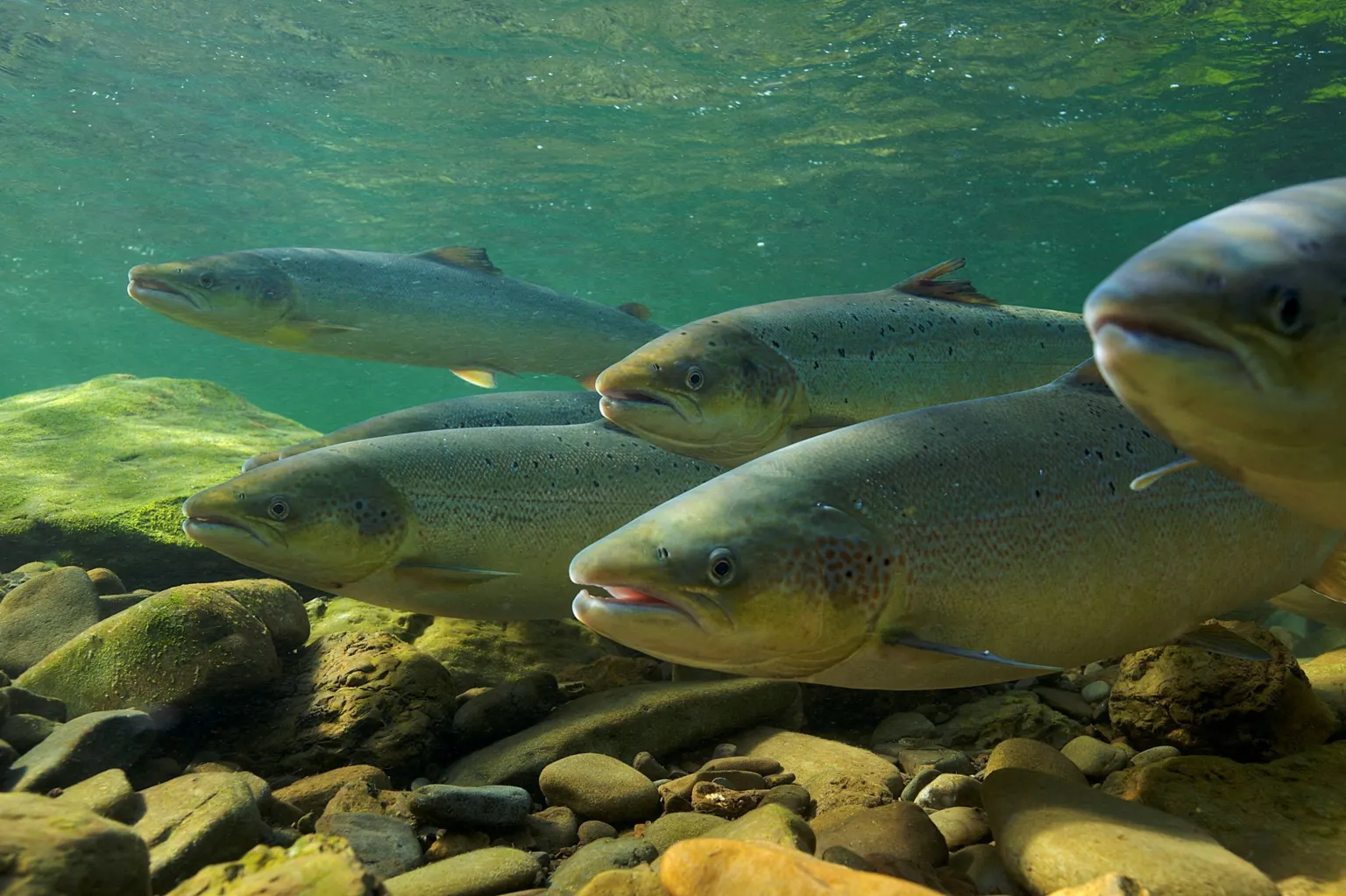
Efforts to Facilitate Salmon Migration and Breeding
With fewer salmon reaching Berwick harbour annually to migrate upstream to their spawning grounds, making this final journey less challenging has become increasingly critical.
Current management credits the removal of numerous weirs from rivers and burns across the Tweed catchment over the past five decades as a key factor supporting salmon breeding.
"Because of the work done to remove the barriers, we now have 13 recognised sub-catchments in the River Tweed.
This gives us genetic diversity and a bit of an assurance that if one under performs others will perform, allowing us to maintain that stability.
Opening up the catchment was the best thing the Tweed Commissioners ever did."
Recent Catch Figures and Conservation Measures
Although the 2025 rod catch of 6,957 salmon is lower than the previous year’s 9,947, it remains the third highest total recorded over the last nine years.
Adoption of a catch-and-release policy, alongside improvements in water quality and habitat restoration, have contributed to stabilising salmon numbers along the 97-mile (160 km) stretch of the Tweed and its tributaries.
Scientific Advisory Panel and Future Outlook
The Tweed Commission has recently formed a scientific advisory panel to provide independent guidance on emerging research, marine survival trends, and conservation priorities.
Jonathan Reddin, chief commissioner of the Tweed Commission, expressed satisfaction with the 2025 catch results and emphasized the importance of science in maintaining the river’s status as a prime habitat for returning salmon.
"To hold our five-year average in a year of exceptional environmental pressure demonstrates the underlying resilience of the Tweed.
However, stability should not be mistaken for long-term security.
Atlantic salmon face significant pressures both in freshwater and at sea, and we must remain vigilant and science-led in our response."