Cornwall Council is promoting the environmental and energy benefits of food waste recycling, hoping to persuade more residents to participate in a scheme that has already diverted 36,000 tonnes of material from landfill and incineration over two years.
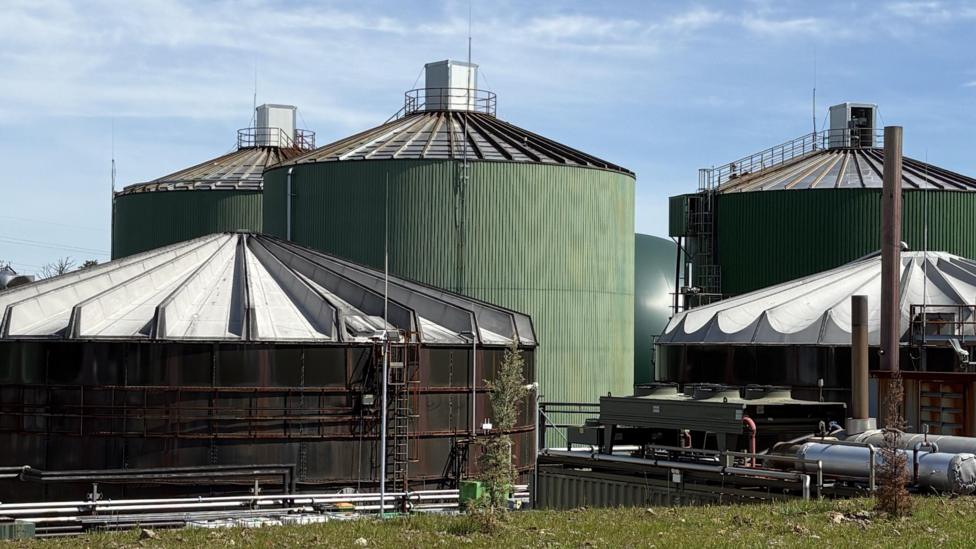
Since the introduction of weekly food-waste collections across the county, leftover food has been processed at an anaerobic digester facility in Holsworthy, Devon, operated by Severn Trent Green Power. The facility converts organic waste into methane gas, which is used to generate electricity and produce fertiliser for agricultural use.
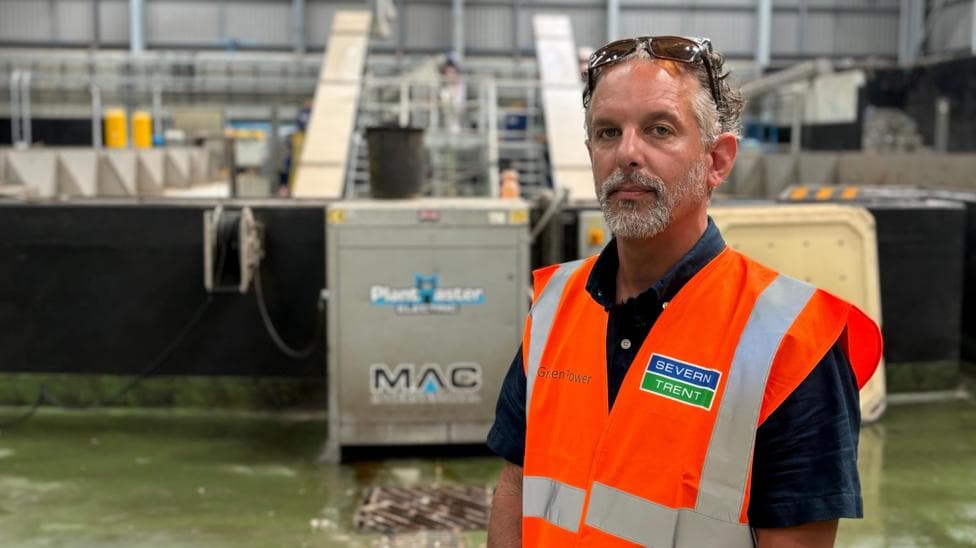
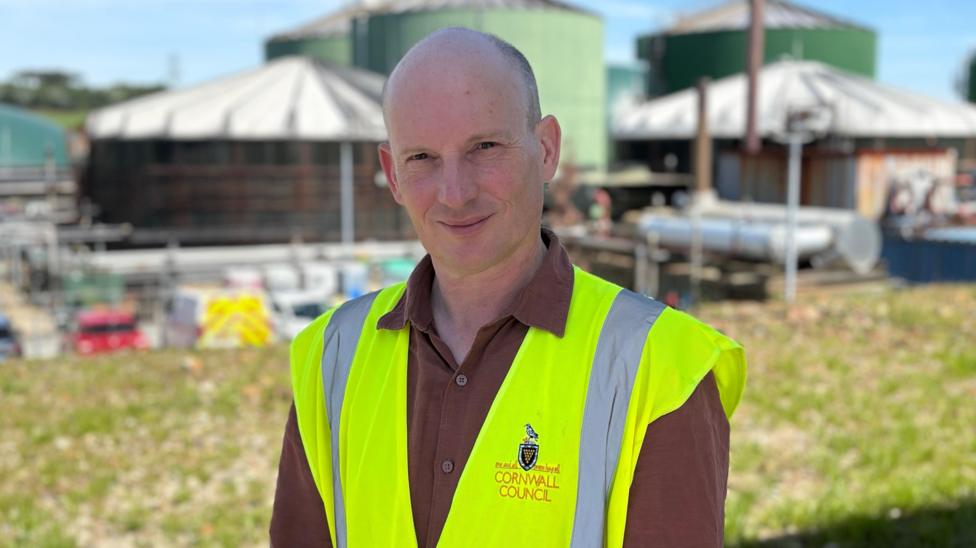
Chris Lofts, site manager at the Holsworthy installation, explained the conversion process:
That methane we use as a fuel for engines that run generators and the generators produce electricity - and we then inject the electricity back into the National Grid.He emphasised the comprehensive approach to resource recovery:
We use the heat as well to pasteurise the material on site for ancillary services that we do here. Even the by-product, the digestate that comes out - that's used as a fertiliser for farmers to fertilise the countryside and make all the flowers and crops grow.
According to Severn Trent Green Power's facility information, the Holsworthy digester accepts food-waste deliveries from 08:00 to 17:00 Monday to Friday. The site processes approximately 1,100 tonnes of food waste each week, generating sufficient electricity to power 8,500 homes annually.
How does this compare to incineration?
Lofts argued that anaerobic digestion produces greater environmental benefits than conventional waste incineration.
The incinerators use the waste as a fuel - they burn it and heat up steam generators from that. But there is a residual, the ash, which needs to go somewhere. It's an imperfect procedure - you're not getting as much electricity out of it as you would do if you're sending it to us here.
The council's own analysis reveals the scale of potential improvement. Food accounts for 22% of the contents of black bags collected from households, and 43% of that food waste remains in its original packaging when discarded. This suggests significant scope for behaviour change if residents understand the recycling process and its benefits.

What is the council's recycling target?
Councillor Loic Rich, portfolio holder for environment and climate change at Cornwall Council, stated that increased public understanding of the digester's benefits could help the authority reach its goal of recycling nearly two-thirds of Cornwall's waste by 2029.
We're living on a planet that we've damaged with pollution and it's time now to take a bit more responsibility. It's just another thing we don't really want to be chucking away to get burnt in the incinerator when it can actually be reused and put to good use.
Currently, the council's recycling rate stands just above 50%. Rich urged residents to reconsider their participation:
I'm just saying to people, if you're not doing your food waste, have a think about all the benefits - it's worth it. At the moment, we're just over 50%. I'd like to get to 65% by 2029 but we can only do that if people in Cornwall help.
What food items can be recycled?
According to Cornwall Council's food-waste guidance, residents can place meat, bones, dairy products, bread, rice, pasta, fish and pet food in their collection caddy. The council explicitly excludes packaging, compostable cups, garden waste and liquids from the scheme. Residents do not need to use a liner in the food caddy and can place food waste directly inside if they prefer.
The council's food-waste guidance page was updated on 23 August 2026 and continues to instruct residents to place their food waste out by 7am using the green outdoor caddy provided. According to the council's waste services pages, weekly food-waste collections remain active across the county, with the service pages last updated in late August 2026.
How did this service begin?
The countywide food-waste recycling scheme was introduced in stages between 2023 and 2025, following the council's decision to move to weekly food-waste collections paired with fortnightly rubbish collections. In February 2026, the council reported that the new bin system had already increased recycling rates, and by March 2026 it launched a "Food for Thought" campaign to encourage further participation in food-waste recycling.
What happens next?
The council continues to direct residents to order or replace food-caddy containers through its waste services pages, indicating the scheme remains active and ongoing. The published target to recycle nearly two-thirds of Cornwall's waste by 2029 remains in place, with the council's success dependent on sustained resident participation and awareness of the environmental and energy-generation benefits of the digester facility.
Key Facts
- The Holsworthy anaerobic digester has processed 36,000 tonnes of food waste over two years, converting it into electricity and fertiliser
- The facility processes approximately 1,100 tonnes of food waste weekly and generates enough electricity to power 8,500 homes
- Food currently represents 22% of household black-bag waste in Cornwall, with 43% still in packaging when discarded
- The council aims to increase its overall recycling rate from just above 50% to 65% by 2029
- Accepted items include meat, bones, dairy, bread, rice, pasta, fish and pet food; packaging, compostable cups, garden waste and liquids are excluded