

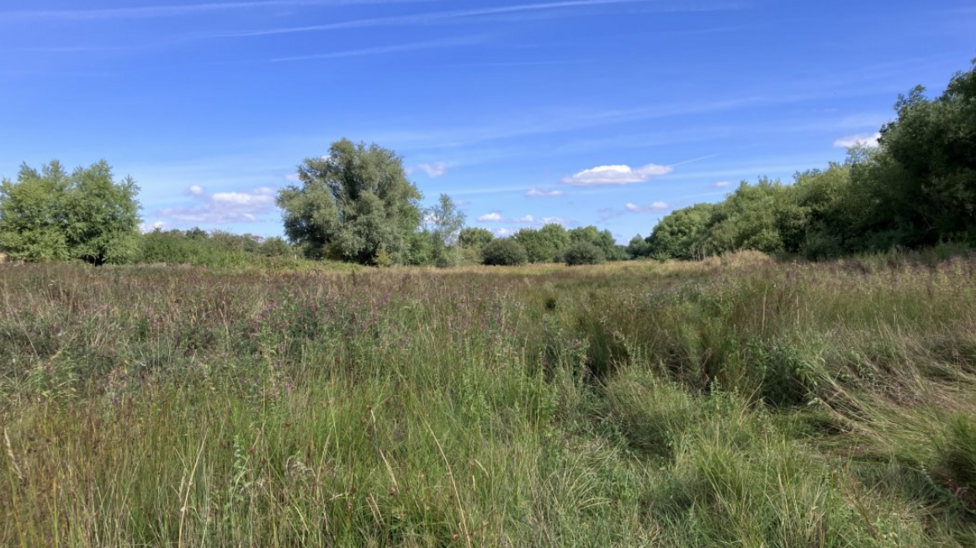
Chester Zoo's chief executive, James Christon, has publicly condemned the proposed route of the Peak Cluster carbon pipeline, warning that it would tear through wildlife habitats on land the zoo uses for conservation work. The zoo controls 470 acres (about 190 hectares) of land beyond its main visitor site, which underpins a regional habitat recovery and conservation programme, and part of that land sits on the pipeline's currently proposed path. Christon says the scheme's developers have gone quiet since a meeting in May 2026, leaving him to conclude the route will not be altered.
The Peak Cluster project aims to lay an underground pipeline across the North West to carry carbon dioxide captured at industrial sites away from source and out to the coast for storage. Peak Cluster's chief executive, David Parkin, insists the company remains willing to keep working with the zoo, and has pointed to what he calls irreplaceable wetland habitats that need protecting as part of that process.
"would rip through our fields and jeopardise environmentally sensitive habitats"
What exactly is the Peak Cluster project?
Peak Cluster is designed to build an underground pipeline network stretching across the North West to capture carbon dioxide produced by cement and lime plants in the Peak District. Once operational, the pipeline would move that carbon dioxide from Derbyshire to the Wirral coastline, where it would be compressed and pumped into a depleted gas reservoir far beneath the Irish Sea, off Morecambe in Lancashire, so the emissions can be permanently sealed away from the atmosphere. According to the local planning authority, the project would also involve installing new carbon capture equipment at four existing cement and lime plants in Derbyshire and Staffordshire, feeding into the buried pipeline network that ultimately connects to the Wirral, as detailed by Cheshire East Council.
Why does Chester Zoo object to the current route?
Christon says the zoo raised its concerns in writing as early as March 2026 and pressed the case further at a meeting with project officials in May, asking them to reconsider the path the pipeline would take through the zoo's land. He argues the land in question is ecologically valuable and cannot simply be recreated once disturbed.
"We recognise development can be necessary and welcome progress on low-carbon infrastructure,"
"However, we're against bad development that would damage the irreplaceable habitats and ecosystems we're all working so hard to protect."
"Once it's gone, it's gone forever."
Christon says he wants an outcome that serves both people and the environment, rather than treating them as opposing priorities.

"The decarbonising industry should not come at the expense of nature,"
"We believe the regional environmental impacts of the Peak Cluster pipeline, as proposed, are unacceptable."
"We're calling on Peak Cluster to come to the table and engage with us, with our neighbours on the Wirral, and with others working to protect wildlife across the region."
"This land is massively rich in biodiversity," "When nature's lost it's lost and you can't just rebuild it again."

How has Peak Cluster responded?
Parkin says the company has already walked Chester Zoo through its design process, discussed possible alternatives, and committed to keeping the zoo updated as work progresses.
"We remain committed to working with Chester Zoo to address their concerns as far as possible,"
"Since May, we have remained in contact so that we can undertake ecology surveys on their land."
"Over recent months, we have reviewed over 5,500 pieces of consultation feedback and undertaken further engineering and environmental assessments."
"This activity, including the study data from Chester Zoo's land, will inform the project's development and evaluation of potential location options for the pipeline."
"When we reach the stage of an update on the project, we will ensure stakeholders and the public who took part in the consultation are informed."
What has the wider consultation process shown so far?
Peak Cluster's first round of public consultation ran from 12 January 2026 to 27 February 2026, with information points set up including Chester Visitor Centre and Hoole Community Centre, according to the official consultation record. Environmental campaigners have already flagged serious concerns about the route's impact: the Cheshire Wildlife Trust has warned the scheme could permanently affect four Sites of Special Scientific Interest in Cheshire, including a Special Protection Area, as set out in its response to the project's environmental impact assessment. Cheshire East Council has confirmed the scheme remains at the pre-application stage and that no final route has yet been settled, per its planning update.
Because Peak Cluster is classified as a Nationally Significant Infrastructure Project, the ultimate decision on whether it proceeds will rest with the Secretary of State for Energy Security and Net Zero rather than local councils, according to reporting from a national broadcaster's coverage. Staffordshire County Council, which is acting only as a statutory consultee, has said that if the scheme is approved, construction would not begin before summer 2029 at the earliest, as reported by the council's own newsroom. A separate regional broadcast report has suggested that, following a Development Consent Order application, a final decision might not come until early 2029, with the pipeline potentially fully operational by 2032 if the project stays on schedule, according to a Granada regional news report.
This dispute echoes other recent tensions between infrastructure development and conservation interests in the region. Peak District officials, for instance, recently defended a controversial commercial rebrand deal with car manufacturer Skoda that brought funding into conservation work despite criticism from campaigners, as covered in our earlier report on the Peak District rebrand deal.
What happens next?
Peak Cluster's consultation hub says its first phase of public consultation closed on 27 February 2026, though materials remain available online for reference, according to the project's own progress updates page. Cheshire East Council expects a further round of public consultation to take place in late autumn or winter of 2026, once the developer has refined its proposals. Separately, the Planning Inspectorate has indicated that the formal application for the scheme is expected to be lodged sometime between July and September 2026, according to its project case page. Peak Cluster has said it intends to use feedback gathered so far, along with further engineering and environmental studies, to refine the proposed pipeline route ahead of that next consultation, according to a report carried in a local parish newsletter, The Wavertonian.
Key Facts
- Chester Zoo holds 470 acres (about 190 hectares) of land outside its main perimeter, part of which lies on the proposed Peak Cluster route.
- The pipeline would carry carbon dioxide from cement and lime plants in Derbyshire and Staffordshire to a storage reservoir under the Irish Sea off Morecambe.
- Cheshire Wildlife Trust has warned the scheme could permanently affect four Sites of Special Scientific Interest, including a Special Protection Area.
- Peak Cluster reviewed more than 5,500 pieces of consultation feedback before further engineering and environmental assessments.
- A further public consultation is expected in late autumn or winter 2026, with a formal application anticipated between July and September 2026.


