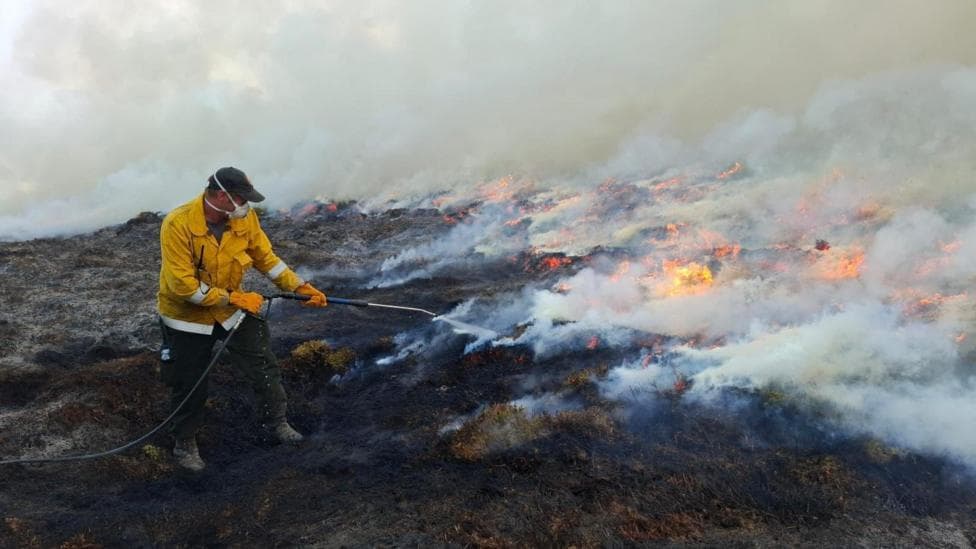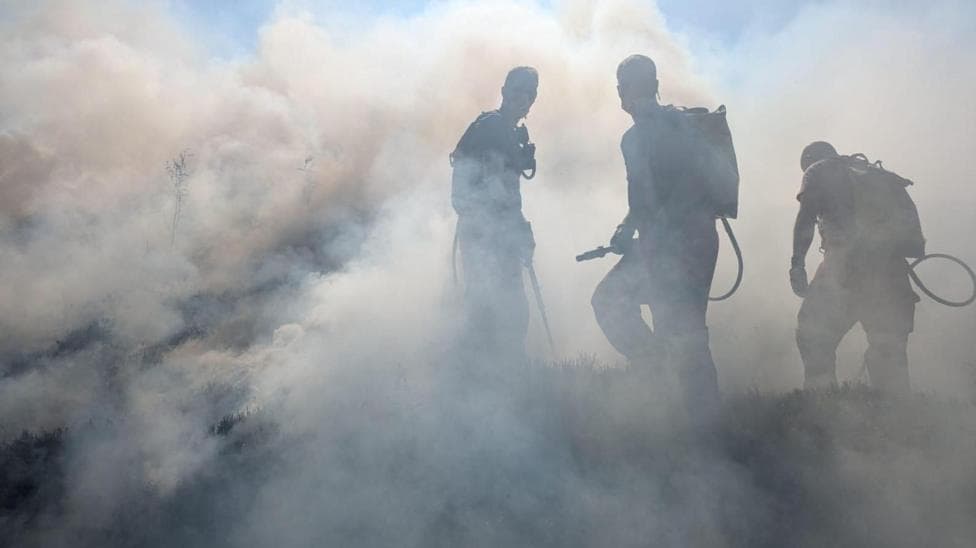
Reserve staff and neighbouring estate workers fought alongside firefighters as a massive blaze swept through the Cairngorms for more than a month, destroying over 2,500 hectares of moorland and forest. The fire, which began on 15 July near Ryvoan Bothy at Nethy Bridge, led to the evacuation of an entire village and smoke that could be detected 60 miles away in Aberdeen. Scottish Fire and Rescue Service withdrew its final crews on 18 August, though hotspots continued to emerge weeks after the main blaze subsided.
As the immediate firefighting effort concluded, attention shifted to preventing similar catastrophes through improved land management practices. The Loch Garten and Abernethy nature reserve, managed by the RSPB for ecological restoration—a process some describe as 'rewilding'—has identified four key areas requiring change: fire breaks, wetlands, heather management and tree planting. These measures reflect a broader recognition that land management decisions fundamentally shape wildfire vulnerability across Scotland's uplands.
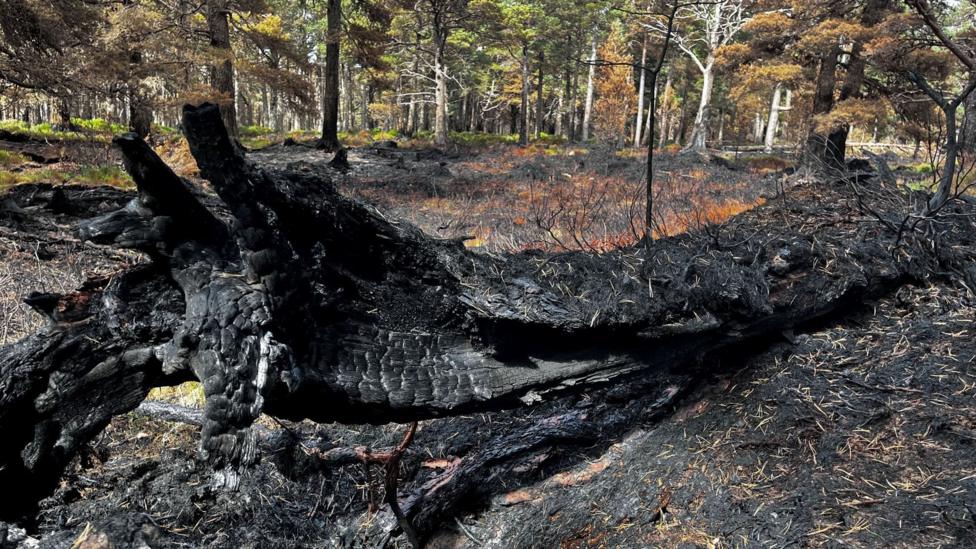
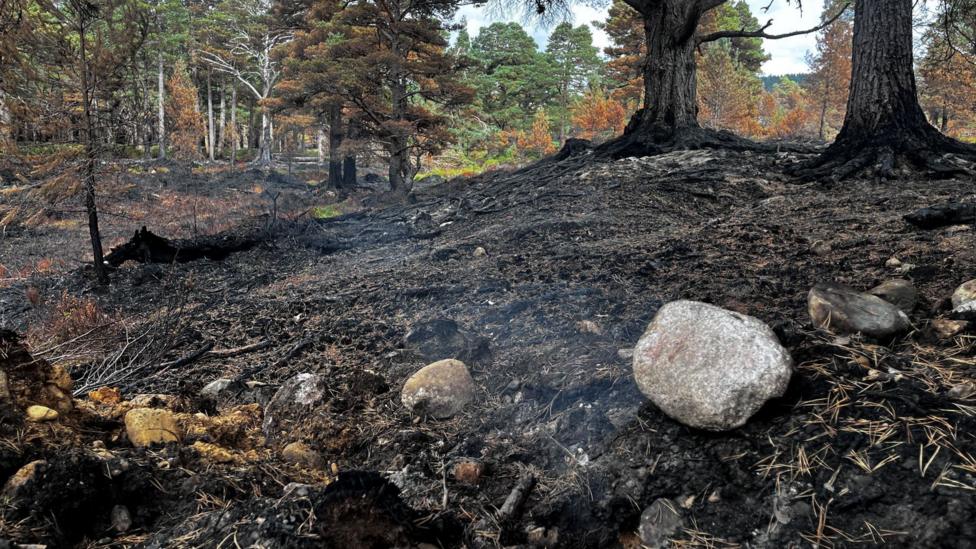
During a visit to the burnt landscape a week after firefighters departed, fresh smoke continued rising from the ground in multiple locations. Ben Oliver-Jones, the RSPB Scotland site manager at Abernethy, described the ongoing effort to locate and extinguish these pockets of smouldering vegetation as resembling a game of whack-a-mole across an already charred terrain where the acrid smell of burning persisted heavily in the air.
Why do fire breaks need to be wider?
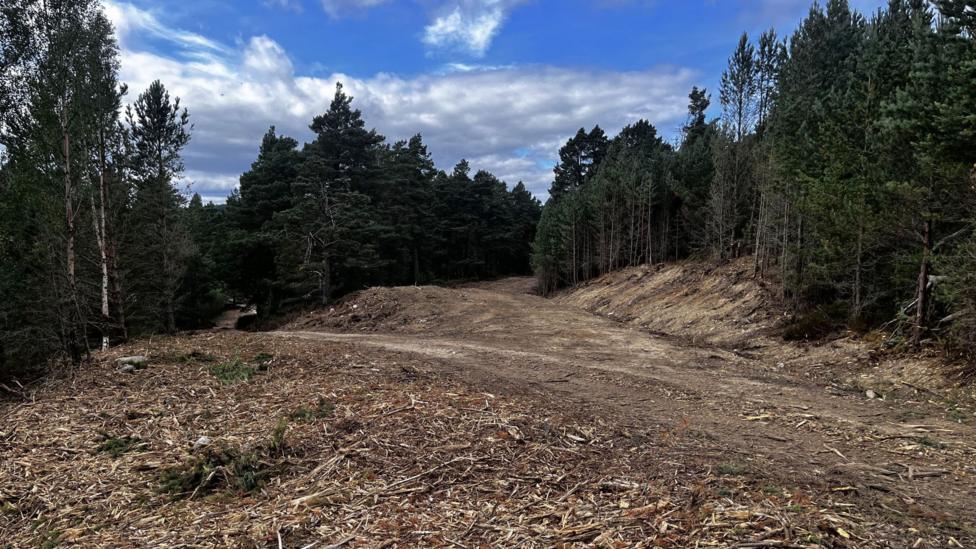
The estate's network of tracks functioned as fire breaks in some locations, but strong winds enabled high flames to jump the gaps in other areas. Experts indicate that fire from burning heather can reach heights of six metres, meaning fire breaks must be three times the flame height to be effective. The RSPB Scotland now acknowledges that its fire breaks require widening and has already commenced this process across its extensive forest trail network.
Machines have been deployed to remove vegetation on either side of the tracks, with the intention that remaining growth would not generate such towering flames if ignition occurred. Although the cleared areas currently appear barren, the expectation is that insects and plant species will eventually colonise the ground bordering the tracks.
How can water sources help prevent wildfire spread?
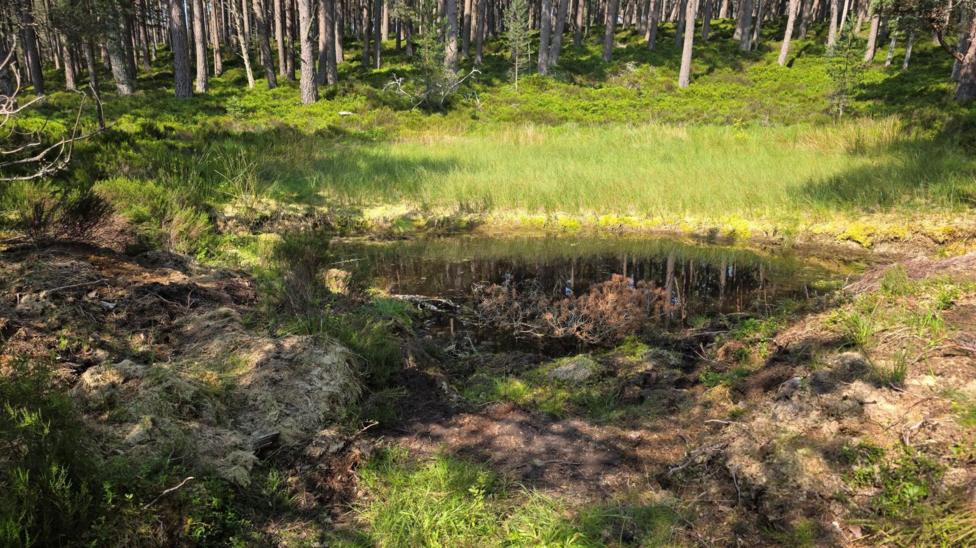
Creating additional ponds and wet areas around the reserve provides accessible water supplies for firefighting operations. A small fire on the reserve in June was successfully extinguished using water from a pond established with funding from the Scottish government's nature restoration fund, originally designed as a habitat for rare dragonflies. The RSPB is working to raise water tables in areas where bogs have been drained and to establish new standing water zones specifically for fire suppression.
Peatlands present particular challenges for wildfires because flames can spread through the peat deep underground as well as across the surface. This poses significant problems for degraded peatland, which comprises approximately 80 per cent of Scotland's total, but peatland in near-natural condition can provide a defensive barrier. When in good condition, peatlands maintain high water levels, bringing moisture to the landscape that resists combustion.
This protective effect was demonstrated during a large fire near Melvich, Sutherland, in 2019 that reached an area re-wetted 20 years earlier. Roxane Anderson from the University of the Highlands and Islands studied the land before and after the fire and found that any damage to wet peatland was superficial and confined to the surface. She contends that accelerating peatland restoration—currently targeting 400,000 hectares by 2040—is essential and describes it as
a complete no brainer. We should do it as much as we can, as quickly as we can and as strategically as we can, especially in the context of this changing climate.
What role does vegetation management play in reducing fire risk?
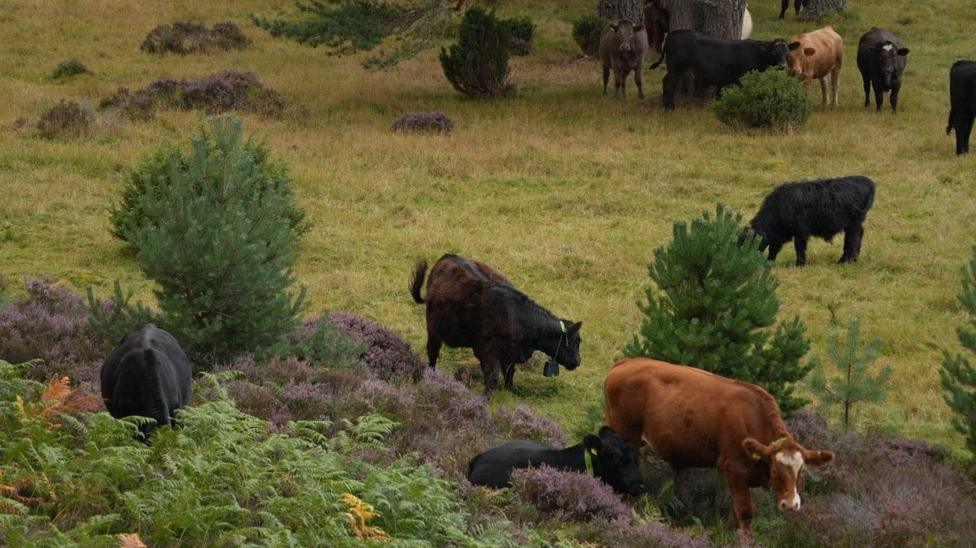
The RSPB does not practise muirburn—the controlled burning of heather on moorland—but acknowledges that 'fuel load' requires active management. The reserve has been addressing this through grazing cattle, which consume vegetation and trample it down to reduce flammable material. In other areas, land managers have employed machines to cut and mulch grass, gorse, bracken and heather.

Scotland's chief fire officer published an open letter calling for better wildfire planning and urging a
more formal and proportionate fire safety regimeto match that applied to businesses in urban settings. This call comes as the Scottish government finalises the introduction of licences for muirburn to make moorland more environmentally sustainable. Scottish Land and Estates maintains that the practice remains a valuable tool for reducing vegetation that can fuel wildfires, though the licensing requirement reflects environmental concerns.
Some sporting estates remain opposed to ecological restoration, while others have embraced elements of it. The Rottal estate in the Angus Glens has collaborated with the RSPB for several years, with owner Dee Ward believing substantial common ground exists. He has re-wetted peatland, planted trees and encouraged wading birds, and argues that
while the ideological extremists have been holding the narrative, a lot more estates are trying to find the middle ground.Ward urges both sides to examine land management practices through the lens of wildfire prevention and consider sharing appropriate methods, noting that
there are people that are very anti-grouse shooting. Fair enough, that's your choice. But that's clouding their view about muirburn because they're saying because grouse shooters do it, it must be bad.
How do tree species affect fire behaviour?
The RSPB's fourth planned intervention involves introducing more broadleaved trees in its woodlands. While pines contain flammable resins, species such as alder, rowan, aspen and birch have higher moisture content, making them more resistant to combustion. Abernethy hosts Scotland's largest and most important remnant of ancient Caledonian pine forest, so Scots pines remain an important component of the ecosystem. However, the RSPB wishes to explore increasing the proportion of other species, which would have occurred naturally in the original forest composition.
What does research suggest about wildfire prevention?
Michael Bruce, owner of the Glen Tannar estate in Aberdeenshire who specialises in controlled burning of moorland and assists the Scottish Fire and Rescue Service with wildfire forecasting, argues that insufficient academic research and modelling exists in the UK regarding wildfire behaviour to make land management changes truly meaningful. Although two significant studies have been conducted in Scotland over the past 25 years, neither has been long-term or consistent. Bruce believes the summer's events demonstrate the urgent need for improved understanding and contends that
there hasn't been enough academic research and modelling in the UK on how wildfires behave to make land management changes meaningful.He maintains there is no single solution to prevent a wildfire starting or spreading but that estates
need to build up layers of defence. Wildfires find the gaps.
In April, the Cairngorms National Park Authority introduced a bylaw making it illegal to start a fire or barbecue during summer months to prevent wildfires. Despite the massive blaze, figures suggest this measure has been effective at reducing potential ignition sources, with campfires or barbecues recorded totalling 36 so far this year compared with 94 in the same period last year. While still significant, the reduction underscores the importance of preventing fire spread once ignition occurs.
Wildfires have been characterised as an
intermittent problembecause they are seasonal and large blazes do not occur annually. If they happened every year, they would become an obvious priority for resource allocation. Preventing and tackling wildfires both require substantial expenditure, raising questions about balancing spending between prevention and response, alongside broader affordability concerns. However, climate change is predicted to bring more prolonged dry spells that create the tinderbox conditions seen in summer 2026, suggesting these investments may prove essential for the future.
How has the fire changed attitudes to land management?
For five weeks, land managers holding opposing views on upland management stood side by side battling the enormous blaze sweeping through the Cairngorms. They discovered a shared purpose in the immediate crisis. There is now hope that viewing the countryside through the lens of wildfire risk may serve as a unifying factor, encouraging the exchange of at least some practices—even if their ultimate goals for the landscape remain substantially different.
According to Scotland's fire chief on 24 August, wildfire prevention must sit at the heart of national planning, encompassing better access, water supplies, early identification, public awareness and land management. A very high wildfire risk warning was issued across Eastern Highlands, Eastern and Southern Scotland on 12 August, with Fire Scotland again highlighting extreme caution over naked flames and rural activity.
What happens next for affected communities and the reserve?
People displaced by the fire seeking to return to the exclusion zone were directed to report to the Macdonald Aviemore Resort for processing and subsequent notification when it became safe to return. Road closures and access updates continue to be posted as the incident develops, with further access decisions remaining forthcoming. The RSPB and partner organisations continue safety work across parts of Glenmore, and the Scottish Fire and Rescue Service warned it could be weeks before hotspots and flare-ups were fully extinguished, indicating the incident remained active long after the main blaze subsided.
Key Facts
- The Cairngorms wildfire destroyed over 2,500 hectares of moorland and forest, with smoke detected 60 miles away in Aberdeen
- The RSPB is implementing four key land management changes: wider fire breaks, wetland creation, heather management through grazing, and increased broadleaved tree planting
- Peatland restoration is being accelerated to target 400,000 hectares by 2040, with evidence showing well-maintained peatland resists wildfire spread
- A bylaw introduced in April making summer barbecues and campfires illegal has reduced recorded ignition sources from 94 to 36 incidents year-on-year
- Land managers with opposing views on upland management collaborated during the firefighting effort, suggesting potential for shared wildfire prevention practices going forward