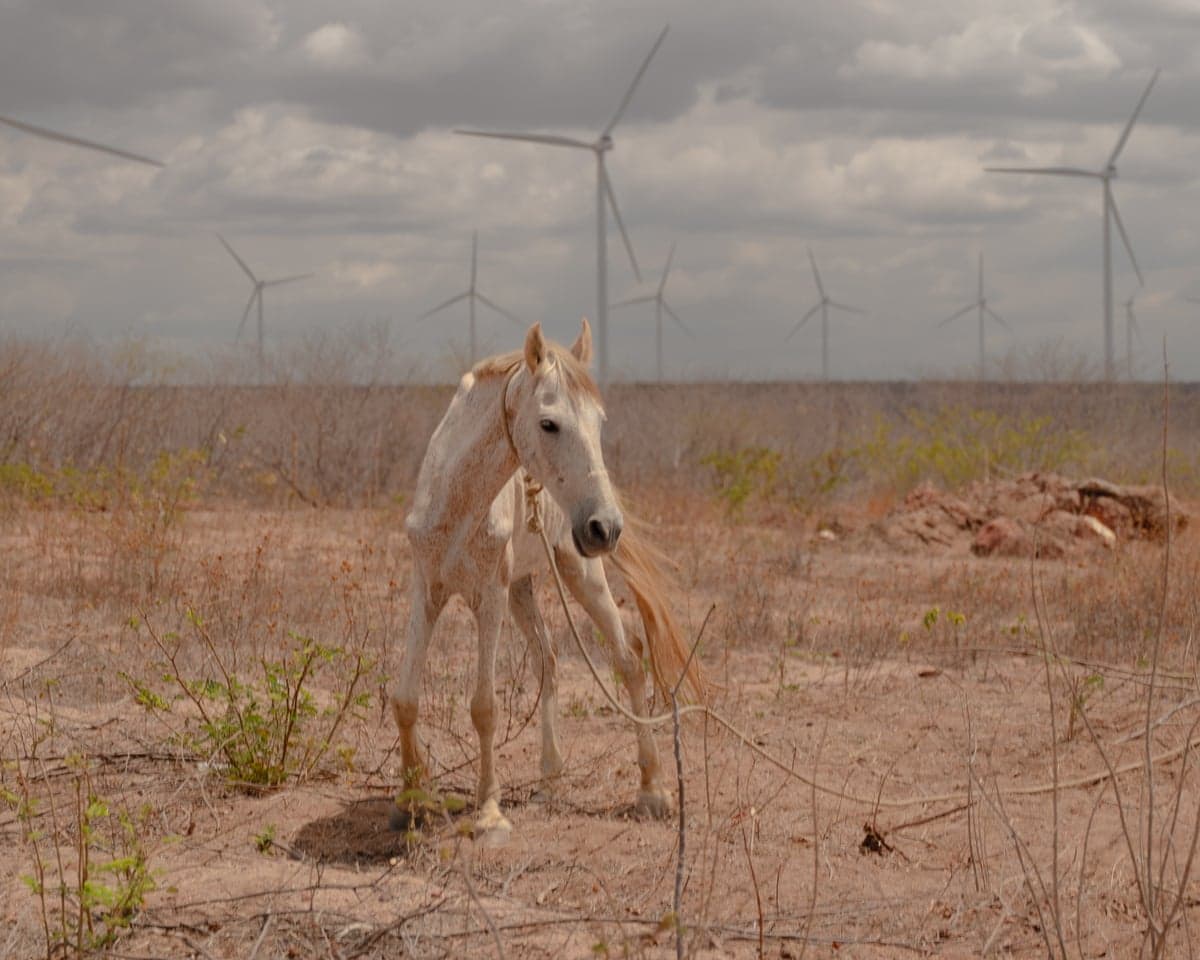
Brazil has positioned itself as a global leader in renewable energy, with President Luiz Inácio Lula da Silva declaring in November 2023 that the nation would become the "Saudi Arabia of green energy" within a decade. Yet behind this ambition lies a widening gap between national prosperity and the hardship facing communities where turbines dominate the landscape.
The country operates approximately 11 GW of wind power in commercial service, according to the Brazilian Association of Wind Energy and New Technologies (ABEEólica) and the Global Wind Energy Council. The north-east region hosts the majority of these installations, drawn by winds engineers frequently describe as among the finest globally. This same region, however, ranks among Brazil's poorest, creating a paradox in which wealth generation and community welfare have diverged sharply.
In Serra do Mel, a municipality in Rio Grande do Norte state, the tension between energy development and local livelihoods has erupted into legal conflict. Farmer Antonio de Souza signed a contract with French renewable energy multinational Voltalia after a year of severe drought, accepting a promised monthly payment of 3,000 to 5,000 reais (£430–£720), indexed annually. The arrangement appeared straightforward: the company would install wind infrastructure, and farming would continue uninterrupted.
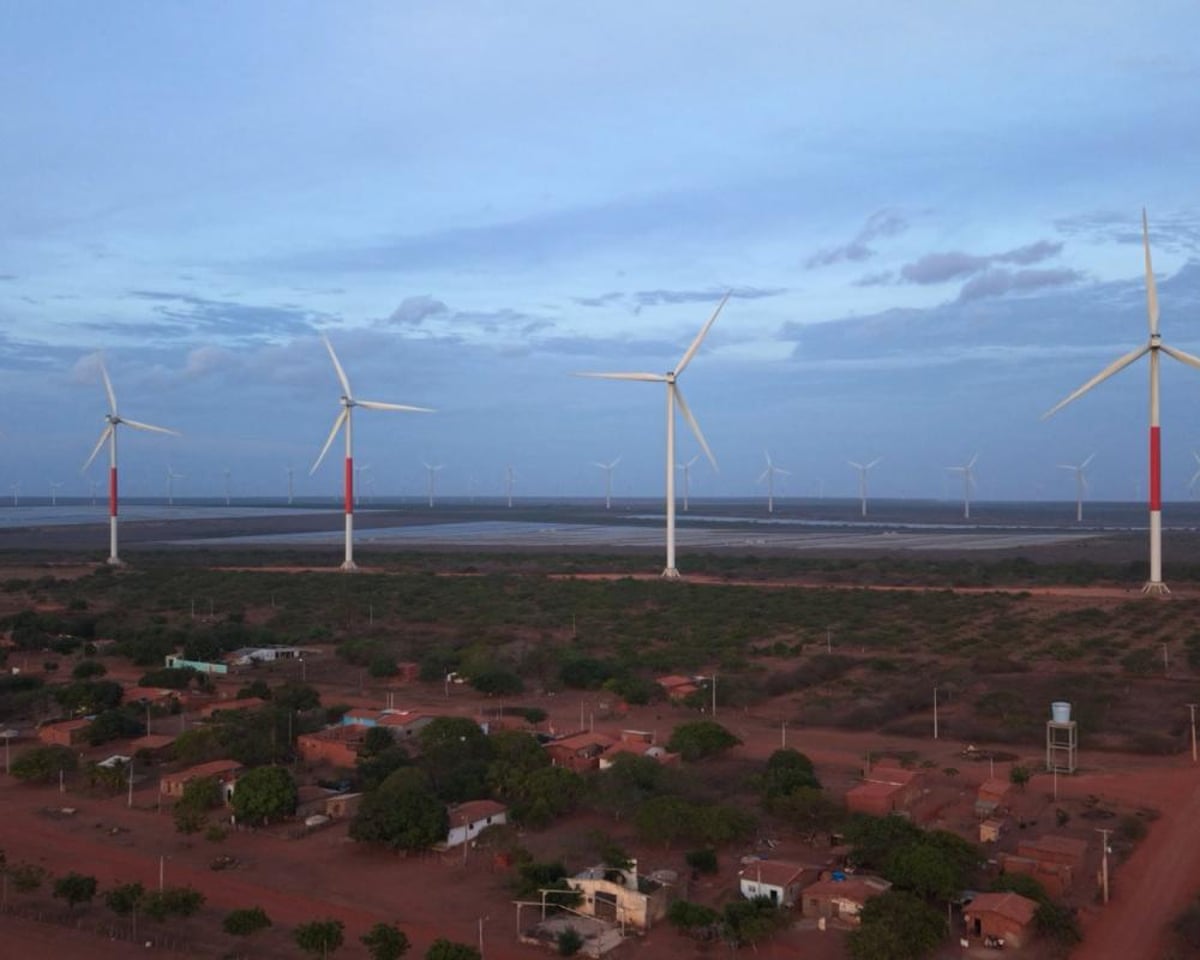
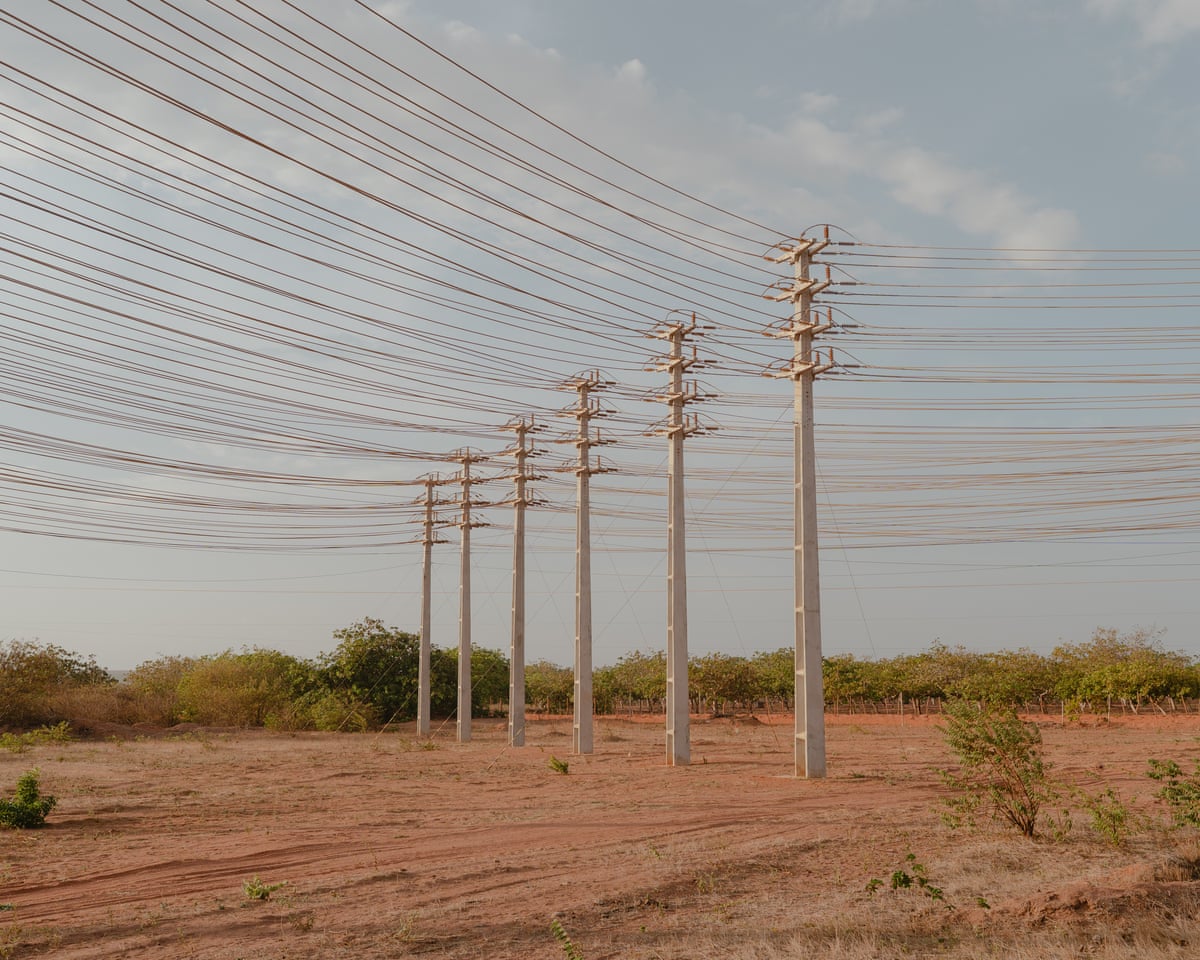
A decade later, the reality has proven starkly different. Power lines crossing Souza's 50-hectare property rendered four hectares unusable wasteland. Cashew trees that once grew beneath the cables were ordered cut down. Tractors cannot traverse the affected area during wet weather without risking electrocution. Cattle grazing near the infrastructure is prohibited. The contract stipulated that installations would occupy one hectare; Souza contends that the actual footprint has rendered the land economically unviable.
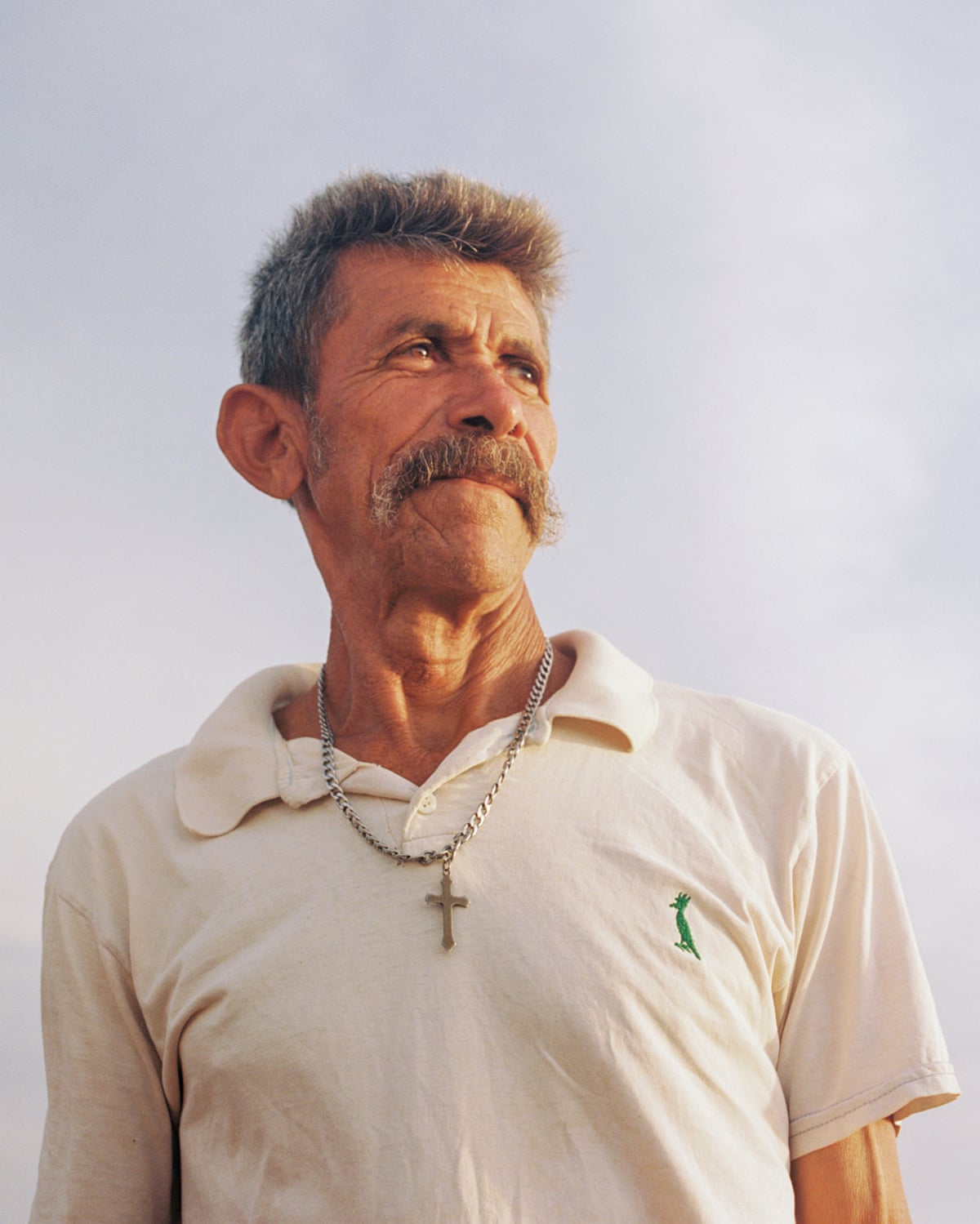
"If I'd known it would be like this – that I'd be prevented from planting and harvesting – I wouldn't have signed that contract with them,"Souza says, emphasizing that his opposition is not to wind power itself but to the terms under which it has been imposed.
What legal action are affected farmers pursuing?
In May 2025, three rural workers' organisations filed a collective lawsuit against Voltalia, supported by Brazil's public prosecutor's office and public defender's office. The case seeks compensation for collective non-pecuniary damage stemming from health problems and unfair contracts; suspension of four windfarms still under construction; relocation of existing turbines; and a corrective environmental impact assessment conducted with community participation. According to reporting from a Brazilian news outlet, the lawsuit requested at least R$106 million in collective moral damages, a 2,000-metre setback from homes, and a halt to the remaining four wind projects in the area.
The farmers are not demanding that Voltalia abandon the region. Instead, they seek transparency regarding energy generation yields and fulfillment of contractual promises. They also want to restore their status as "special insured persons" under Brazil's social security system for rural workers, a designation that protects farmers' insurance rights provided they retain at least 50% of their land and continue working it. By leasing their entire plots for 50 years to the energy company, they risk losing this protection and their ability to retire as farmers—a consequence of land redistribution programmes that granted these holdings to needy families five decades ago.
How are payments calculated, and who benefits from the electricity?
Compensation to landowners is structured as 1.55% of turnover, a figure that depends entirely on where the generated electricity is sold. Data from Brazil's National Electric Energy Agency (Aneel), compiled by the Lavoro Institute, reveals that 17 of Serra do Mel's power stations export their output beyond the municipality. Most electricity travels to Brazil's south-east and central-west regions, sold at prices negotiated directly with large industrial consumers.
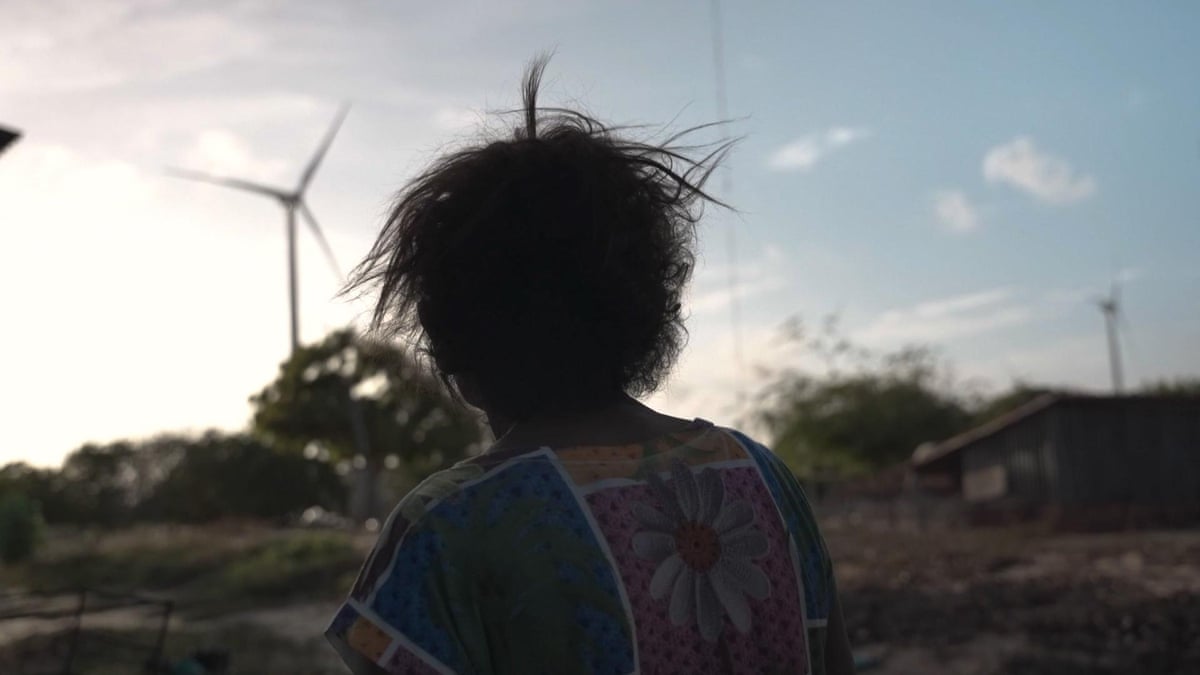
The paradox is stark: electricity generated on Serra do Mel's land is sold cheaply to distant buyers the residents have never encountered, while the power that illuminates their own homes costs approximately twice as much. A Voltalia windfarm in the municipality celebrated Brazil's achievement of 10 GW capacity in 2016, yet a decade later most streets in Serra do Mel remain unpaved and families lack mains water access.
What health impacts have residents reported?
Data from Brazil's Primary Healthcare Information System (SIAB), compiled in research by the Lavoro Institute, documents a significant rise in residents reporting anxiety, panic disorders, sleep disturbances, and hearing problems beginning in 2022—precisely when most of the municipality's 36 operating windfarms commenced operation. The municipality now hosts 360 turbines across these installations. In Poço Branco, a demographically similar municipality without turbines, the trend moves in the opposite direction, suggesting a correlation between proximity to wind infrastructure and health complaints.
Relvani de Brito lives 250 metres from a turbine, a distance that falls far short of protective standards elsewhere. France mandates a minimum 500-metre separation between turbines and residential properties; Brazil has no federal regulation stipulating any minimum distance.

"During the day, you can barely hear it,"de Brito explains.
"At night it's worse because everything is quiet, and that's when the racket starts. I take medication for anxiety. I don't sleep at night; I wake up at one o'clock, right on the dot."
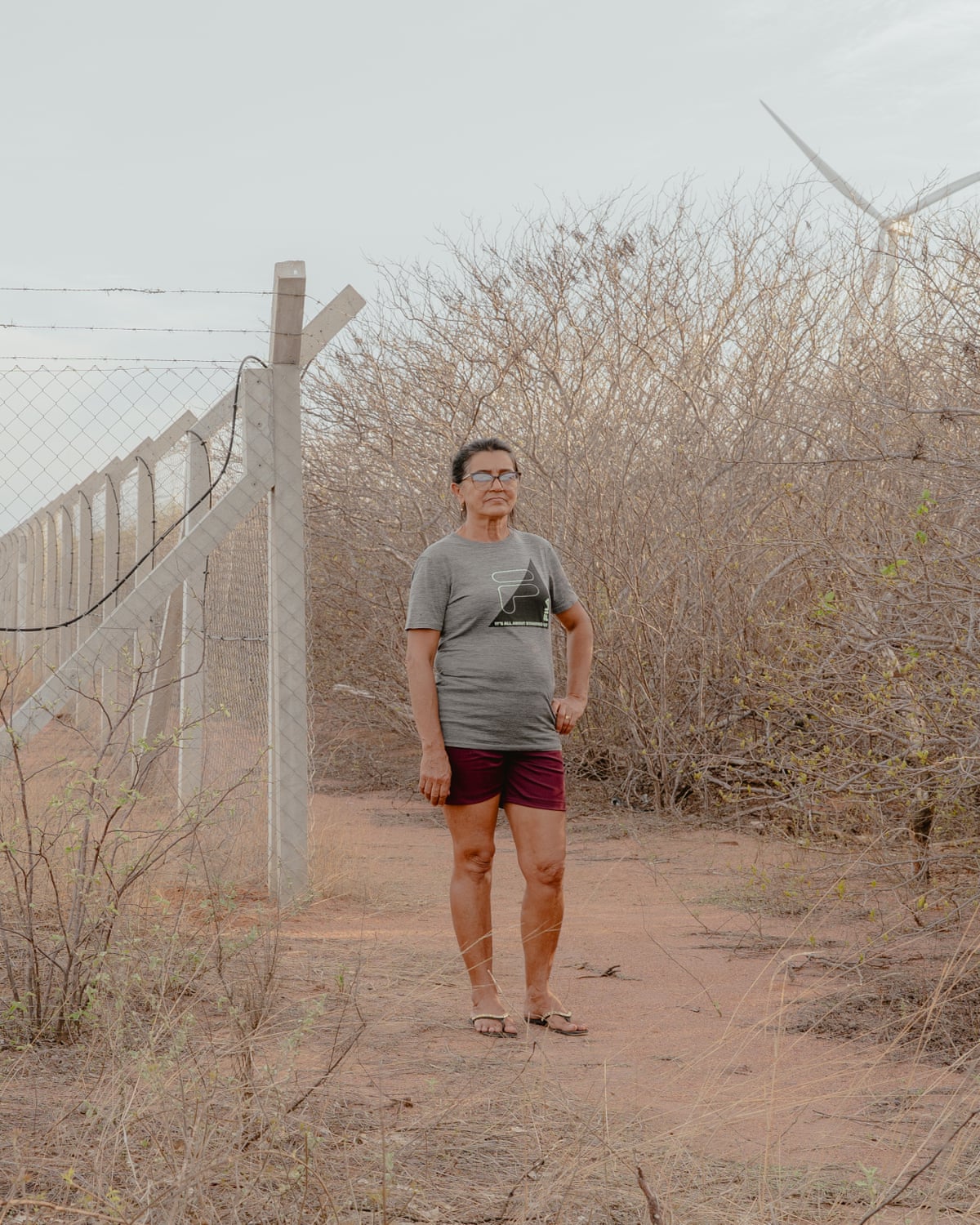
In July 2024, hundreds of farmers gathered at a packed meeting and voted to pursue legal action. One resident, Edvaldo Bessa, then 75 years old, returned to his plot and received an electric shock from uninsulated steel cables on a metering tower—a hazard that underscores the infrastructure risks residents face daily.
What is Voltalia's response?
When approached after the lawsuit was filed, Voltalia stated it had not yet been served with legal papers. The company asserted that it complies "strictly" with Brazilian legislation and has adopted "a collective, participatory and transparent contractual construction process" with commitment to community social development. In a statement, Voltalia said it valued "sustainable development" and "dialogue with local communities … from local in-person assistance to digital channels such as the Ombudsman, as well as regular meetings, and social and environmental initiatives." The company denied that its projects caused damage and stated that its windfarms are "managed in accordance with applicable regulatory, social, environmental, and health and safety requirements."
How does offshore expansion fit into Brazil's energy strategy?
Approximately 18 miles (30 kilometres) from Serra do Mel, at Areia Branca beach, onshore turbines already form a visible barrier behind a football pitch. Now, a development that few anticipated has been licensed: an offshore wind energy project positioned directly in front of the beach.
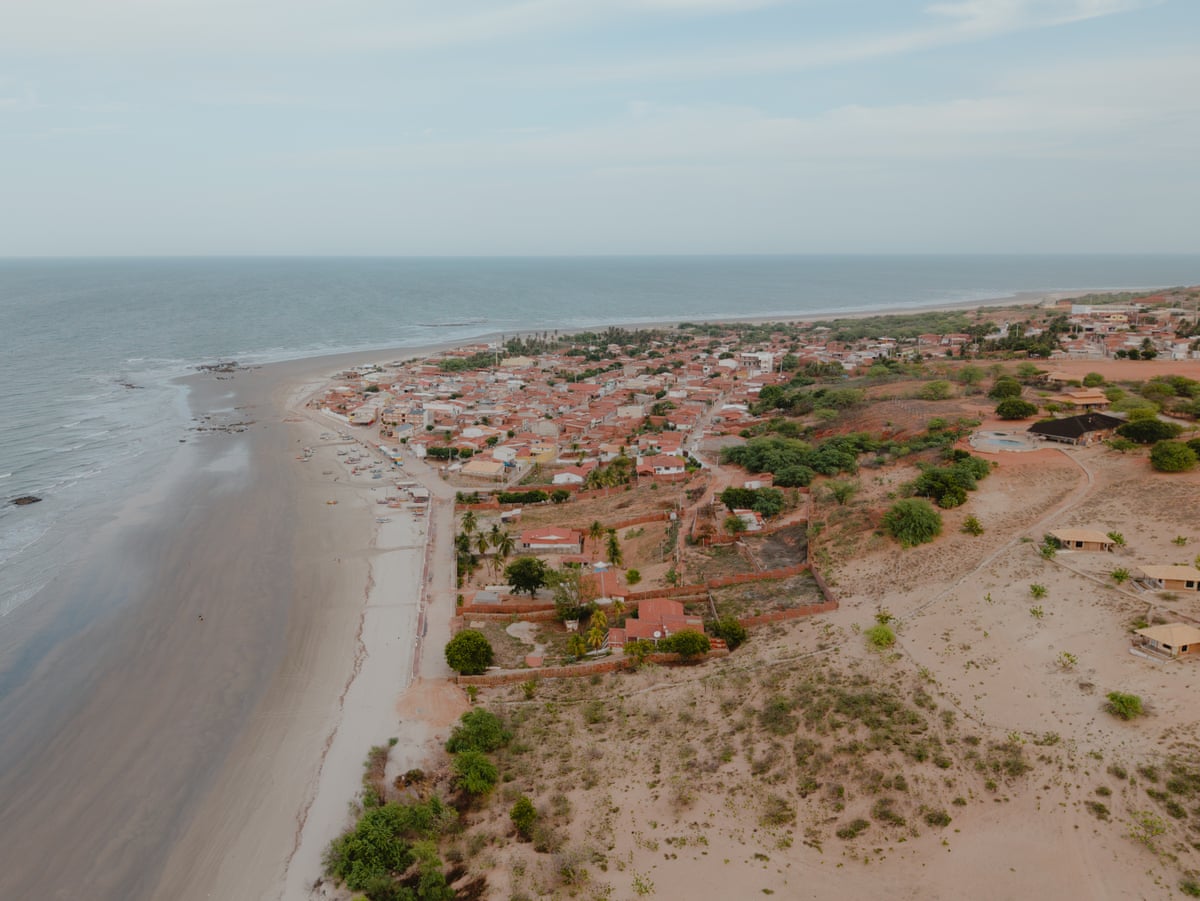
In June 2025, Ibama, Brazil's federal environmental enforcement agency, issued a licence for the offshore project, which will possess substantially greater capacity than onshore installations. The developer is Senai, the National Industrial Training Service, with all generated energy supplying the port itself under a test-site framework established by a law enacted in 2025. According to Brazil's Ministry of Mines and Energy, a legal framework for offshore wind power entered into force on January 10, 2025, providing the sector with its first national legal foundation.
The scale of planned expansion is enormous. Brazil's offshore-wind potential is being assessed through 104 environmental licensing requests for projects totaling more than 247 GW, with analysts estimating the nation's technical offshore potential at approximately 1,200 GW. At Ibama, more than 100 offshore windfarm licence applications await processing.
Brazil's National Energy Policy Council approved offshore-wind regulatory guidelines in April 2026, including a draft decree and a process for Prior Interference Declarations to be prepared by May 2026. These guidelines mandate that offshore-area selection must consider traditional communities, artisanal fishing, and environmental impacts including coral reefs and migratory routes.

Giovanna Ferreira, an activist monitoring the Areia Branca case on behalf of the Centre for Human Rights and Democracy (CRDH), emphasizes the precedent-setting nature of this decision.
"The way this process is conducted sets a precedent for all others to follow,"she states. When the CRDH visited surrounding fishing communities, researchers discovered that those most directly affected were unaware of the impending development. Senai claims the chosen area lies in shallow waters distant from traditional fishing grounds, but fishers insist the towers will be erected where they work.
Is further expansion even necessary?
Questions have emerged about whether continued expansion serves genuine energy needs. In 2025, the north-east of Brazil generated wind and solar energy it could not deliver to the grid, with turbines shut down due to "curtailment"—a process in which grid operators halt generation to prevent output from exceeding demand and triggering blackouts. This lost generation is estimated at more than 6 billion reais, a figure that prompted Elbia Gannoum, president of the sector association, to characterise the situation as "the worst crisis in Brazil's wind energy industry."
What happens next for offshore development?
The regulatory pathway for offshore wind remains in motion. Brazil's Ministry of Mines and Energy was expected to prepare a draft regulatory decree for the offshore-wind law by May 2026, with approval flows for Prior Interference Declarations also scheduled for that month. The first offshore-wind auction remains under discussion for 2026 or early 2027, with potential project operations not anticipated until 2031 or 2032.
On Areia Branca's beach, time moves to a different rhythm. Luis, a fisher from the community, has heard about the turbines planned for the waters where he works. He expresses fear about the future, yet maintains faith.
"God and the ocean will always provide the fish we need,"he says.
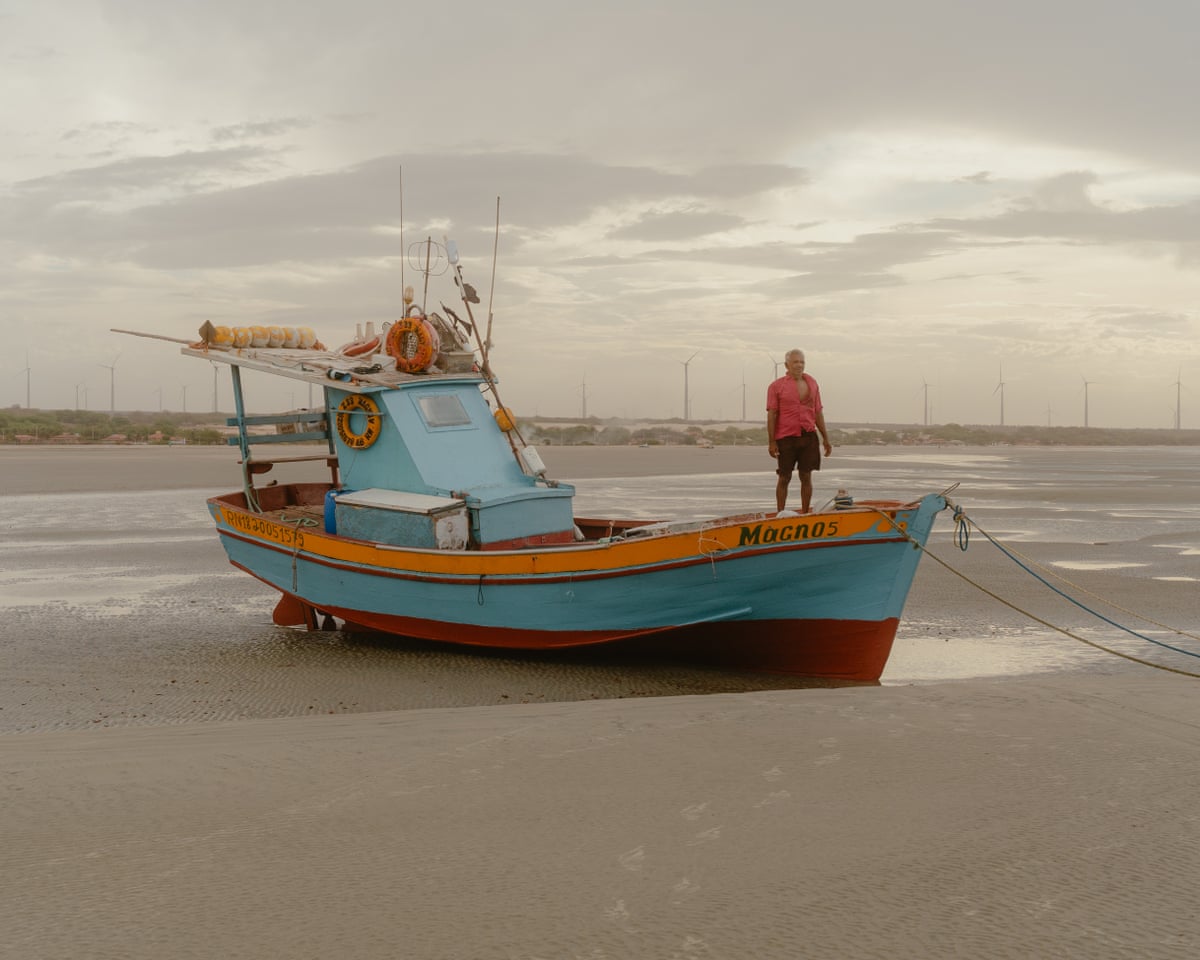
Between Luis's faith and the legal proceedings lies a decision to be made far away—a choice about which force will shape the future of these waters and the communities that depend upon them. Local people wait for the wind to blow in their favour.
Key Facts
- Brazil operates approximately 11 GW of wind power, with the majority concentrated in the impoverished north-east region where winds are among the world's strongest.
- Serra do Mel hosts 36 operating windfarms with 360 turbines; residents report significant increases in anxiety, sleep disorders, and hearing problems since 2022, with no federal minimum distance requirement between turbines and homes.
- A May 2025 lawsuit by three rural workers' organisations seeks R$106 million in collective moral damages, suspension of four windfarms under construction, and restoration of farmers' social security protections.
- In 2025, curtailment of wind and solar generation in the north-east cost more than 6 billion reais due to grid capacity constraints, described as the worst crisis in Brazil's wind energy industry.
- Over 100 offshore windfarm licence applications await processing at Ibama, with potential projects totalling more than 247 GW, though the first auction remains scheduled for 2026 or later.