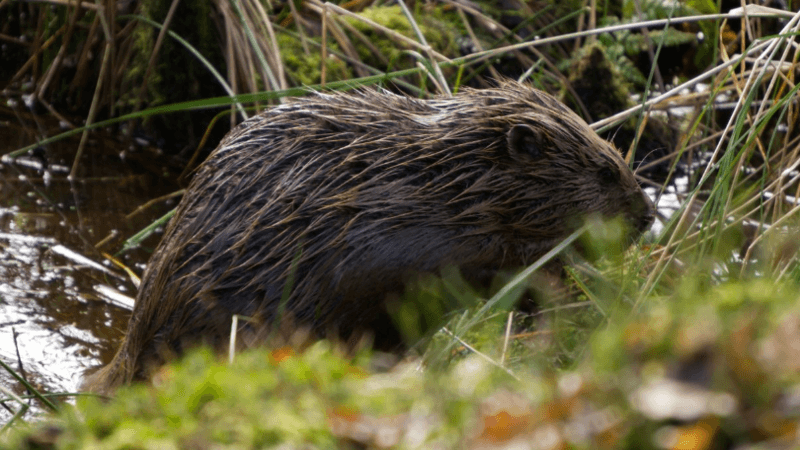
Beavers have been identified as 'ecosystem engineers' capable of substantially enhancing biodiversity and improving landscape resilience to drought and climate change. Gloucestershire Wildlife Trust and Forestry England are currently surveying different areas across the county to determine their suitability for a potential wild reintroduction programme, with the initiative moving into what officials describe as a 'beaver ready' preparation phase.
Supporters of the scheme argue that reintroducing these semi-aquatic mammals could deliver significant environmental benefits. The Department for Environment, Food and Rural Affairs (Defra) has indicated that the measure could make a 'huge difference to nature recovery', though any wild release would still require formal licensing approval from Natural England.
How beavers reshape landscapes
Beavers are keystone species that function as landscape architects, fundamentally altering their surroundings to create conditions favourable to themselves and, in doing so, generating widespread ecological benefits.
By changing the land to suit their needs, they can change it in such a way that boosts biodiversity and increases resilience in terms of climate change, explained Emily Bowen of the Beaver Trust.
They are ecosystem engineers, which means that they can have a massive impact on the landscape around them.
The animals construct dams that form ponds and wetlands, transforming even small watercourses into substantial habitats. According to recent reporting on the Gloucestershire project, these wetland environments support abundant biodiversity and enhance drought resilience in areas where beavers establish themselves.
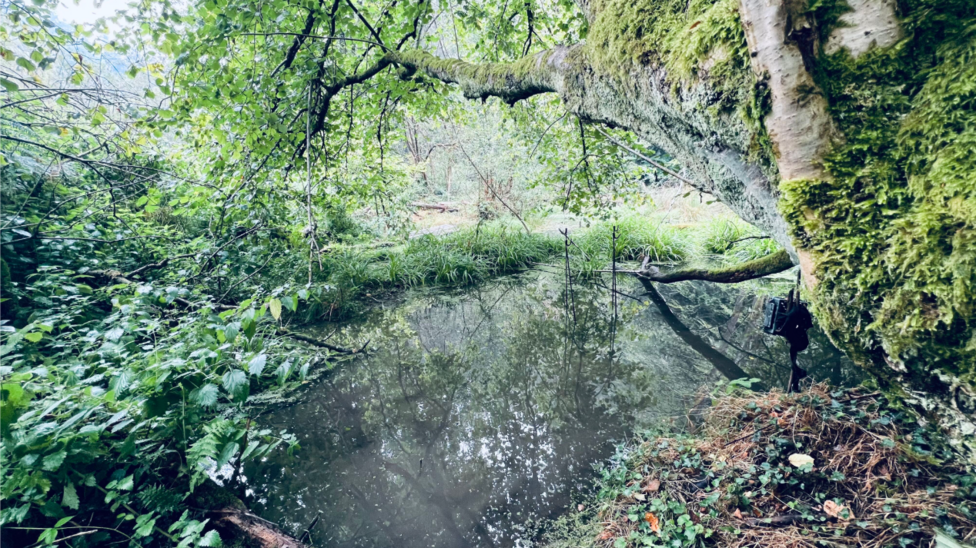
Beavers are native to Britain but disappeared from the western regions approximately 400 years ago following intensive hunting for food and materials used in traditional medicine. Their numbers declined so dramatically that they became functionally extinct across much of England.
What has the Forest of Dean trial revealed?
Evidence from an existing trial demonstrates the transformative potential of beaver reintroduction. Since 2018, beavers have occupied an enclosure at Greathough Brook in the Forest of Dean, and regular monitoring has documented a remarkable surge in biodiversity at the site. A second enclosed colony was established at Perry Hay in 2024, expanding the trial's scope.

Staff from Forestry England have observed dramatic ecological changes resulting from beaver activity.
I've seen stoats, I've seen weasels, I've even seen pine martens, reported Kate Wollen of Forestry England.
The beavers have created this amazing habitat that has brought in all the insects that are at the bottom of the food chain and then it brings in all the other animals that then feed on them, it's just a whole wonderful network of habitats.Wollen characterised the transformation as a 'watery wonderland', reflecting the scale of ecological recovery observed.

The Forest of Dean enclosures represent part of a broader national effort to restore beaver populations. According to Natural England's February 2026 update, two new licensed wild-release projects were expected to begin in the south-west, indicating growing momentum for beaver reintroductions across England. To date, three licensed releases of beavers have occurred in England, with approximately 100 animals expected to be released during 2026.
What is the Severn Vale proposal?
A new reintroduction programme targeting the Severn Vale area would represent a significant expansion beyond the existing enclosed trials. The scheme requires a government licence and is currently in the assessment phase, with Gloucestershire Wildlife Trust and Forestry England conducting feasibility studies to identify suitable release locations.
Consultation is underway with landowners and other stakeholders who could be affected by changes to the landscape.
We have to make sure that we are working really closely with people who live, work and manage the areas that we're thinking about putting beavers, stated Mega Adamou of Gloucestershire Wildlife Trust.
We'll be seeing more complex wetland habitats being created. We'll be seeing a little bit more resilience to drought in those areas where the beavers might end up living.
Gloucestershire currently hosts three enclosed beaver colonies but has no wild beavers living in the county. According to coverage of the county's beaver preparations, a public survey on wild beavers in Gloucestershire ran until 6 January 2025, gathering community views on the proposal. Adamou noted that public response has been encouraging:
It's been really interesting to see how the general public have taken to beavers and getting people thinking about seeing them back in our countryside.
What happens next?
Any wild reintroduction in Gloucestershire remains dependent on formal licensing approval from Natural England, and there is no certainty that such approval will be granted. Gloucestershire Wildlife Trust has indicated that future action would follow the current 'beaver ready' planning phase, with no guarantee that Eurasian beavers will ultimately be released into the wild. The initiative is part of a broader environmental recovery plan that now explicitly supports beavers alongside bats and dormice as part of Gloucestershire County Council's ecological restoration strategy.
Defra has signalled its support for the broader reintroduction effort. A department spokesperson stated:
Reintroducing beavers has the potential to make a huge difference to nature recovery, and we are proud to champion this work. We will continue to support our partners and ensure that the return of beavers benefits both wildlife and communities.