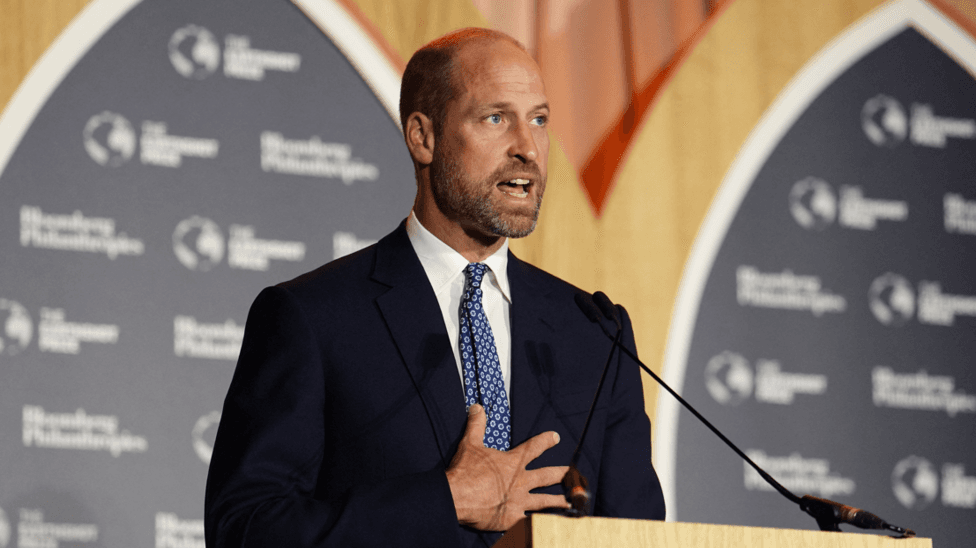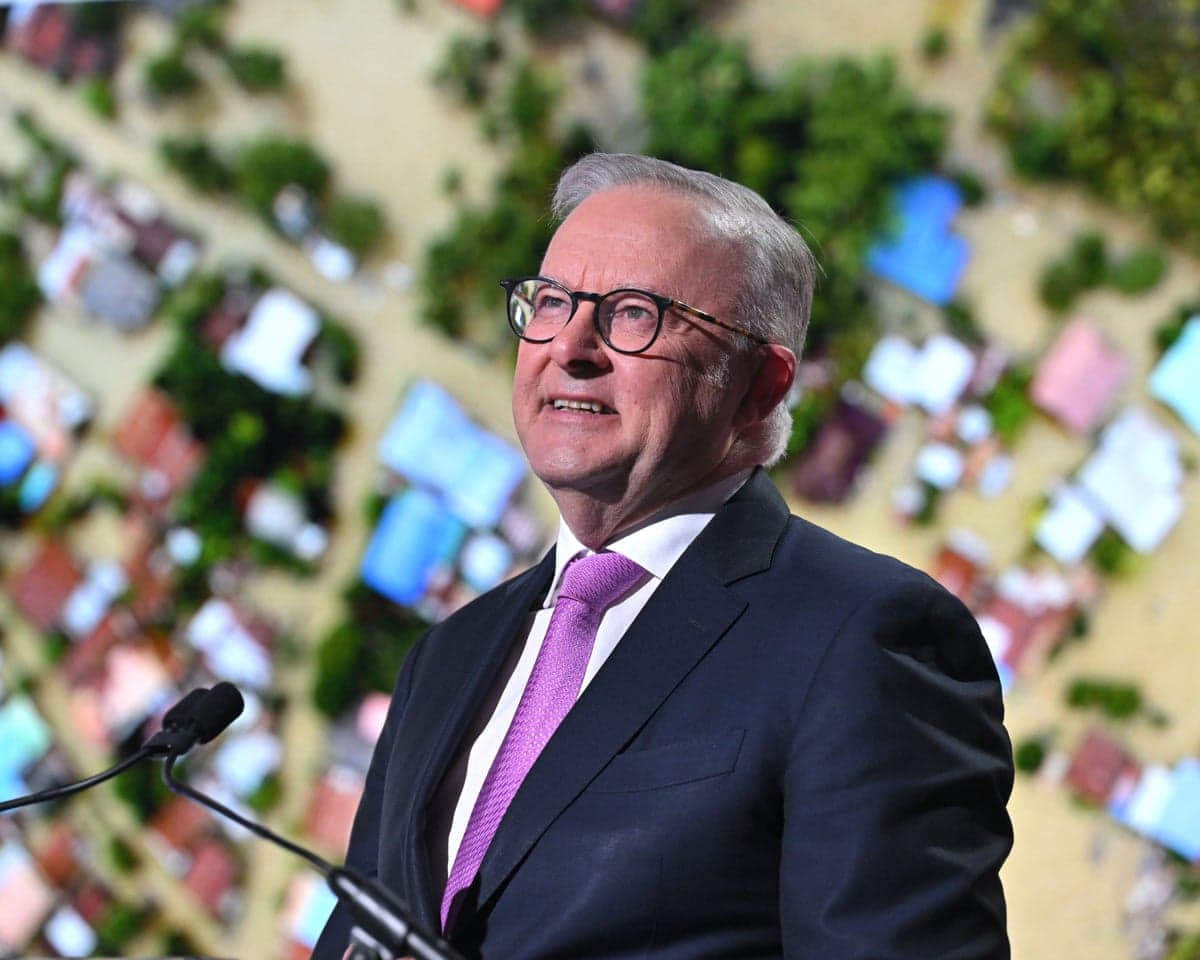
Prime Minister Anthony Albanese has told world leaders at the United Nations that Australia cannot escape the consequences of inaction on climate change, delivering an opening keynote address at Climate Week NYC on 21 September 2026. Speaking at the major annual climate forum held alongside the UN General Assembly, Albanese framed the challenge as both urgent and unavoidable, calling on nations to confront the crisis with the same determination that communities have shown in facing its impacts.
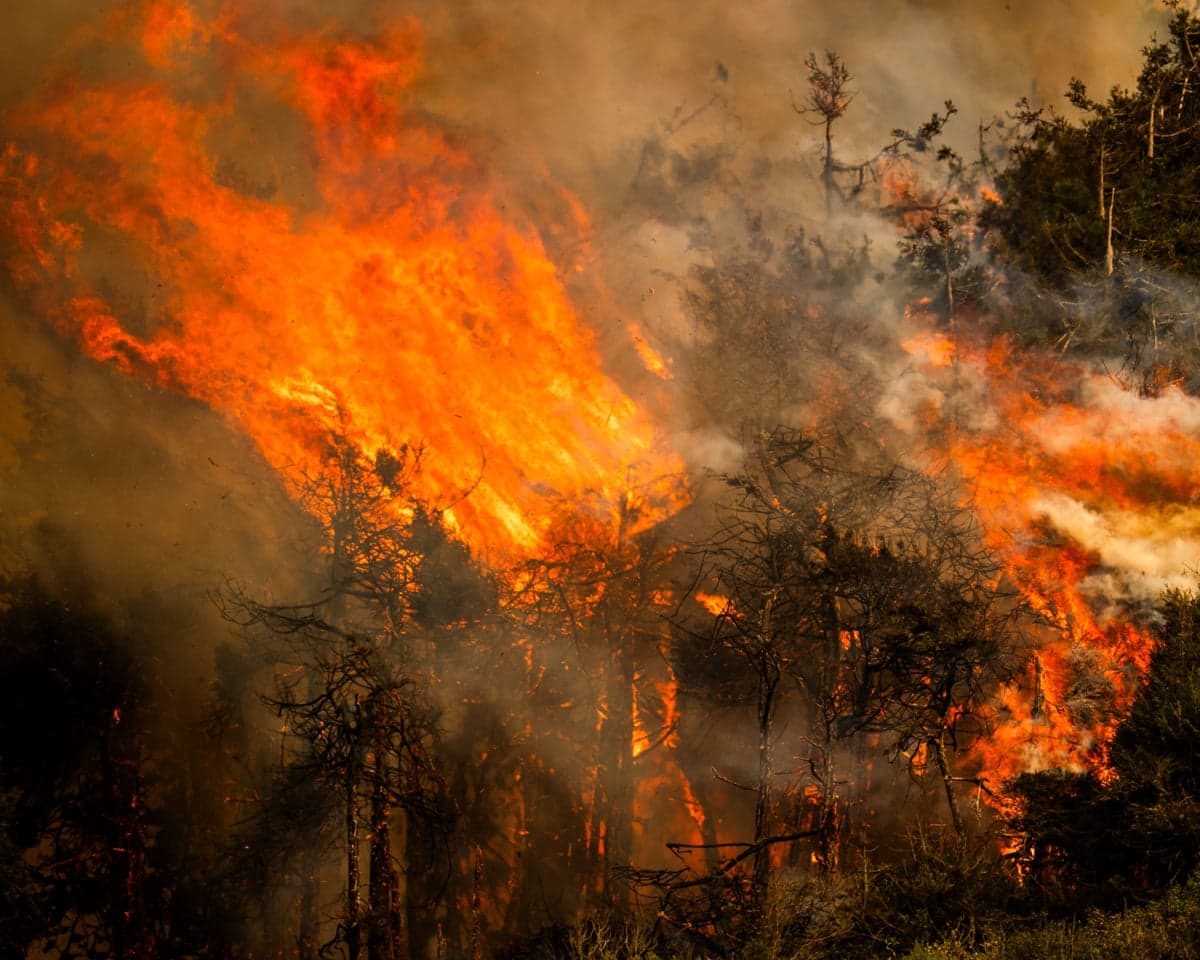
Australians have witnessed climate change firsthand through devastating bushfires and floods over recent decades, Albanese said, and the nation understands the stakes as acutely as any other country. He argued that political leaders must now match the resilience shown by citizens who have endured these disasters, moving beyond adaptation to pursue transformative action.
"We need to come together, to meet the problem head on. There's no avoiding the scale of our responsibility – or the cost of inaction."
Albanese's address emphasised Australia's role in the global climate response and its positioning ahead of COP31 negotiations. According to reporting on the speech, he used the platform to focus on practical climate action and Australia's commitment to supporting Pacific nations most vulnerable to climate impacts.
What are Australia's emissions reduction targets?
Australia has committed to reducing emissions by 62–70 per cent below 2005 levels by 2035, a target Albanese described as ambitious but achievable. The government plans to reach this goal through a combination of renewable energy expansion and gas-backed generation. However, according to Climate Action Tracker analysis, a pathway consistent with limiting warming to 1.5 degrees Celsius would require reductions of at least 76 per cent by 2035, suggesting Australia's current commitment falls short of what climate science indicates is necessary.
The 2035 target covers all sectors and all greenhouse gases and will be implemented as an emissions budget spanning 2031–35, according to Australia's formal submission to the United Nations Framework Convention on Climate Change.

How is Australia advancing renewable energy?
The prime minister highlighted Australia's rapid expansion of household battery storage as evidence of progress on the renewable transition. He noted that Australians are installing ten thousand batteries each week, with more than half a million installed over the past year, positioning the nation as a global leader in home battery adoption.
Albanese's framing of renewable energy as central to meeting the 2035 target reflects broader government strategy, though media reporting noted that the government's continued reliance on gas-powered generation to firm renewable supply has drawn scrutiny from climate advocates.
What support is Australia providing to Pacific nations?
Australia is directing substantial resources toward helping Pacific countries facing acute climate threats. The government has committed A$100 million to the Pacific Resilience Facility, designed to strengthen climate adaptation across the region. Beyond financial support, the REnew Pacific Program is funding climate-resilient infrastructure including classrooms in Vanuatu and Fiji, as well as clean energy and water systems on one of Kiribati's most remote islands. The government claims this program has directly improved the lives of 300,000 people across the Pacific.
This emphasis on Pacific climate action reflects Australia's broader diplomatic positioning as it prepares to play a leading role in international climate negotiations, with the government building its climate agenda ahead of COP31.
What happens next?
Climate Week NYC continued through the week of 21 September 2026 with additional sessions and speakers scheduled after Albanese's opening keynote. Australia's climate diplomacy is expected to intensify as the government advances its international climate agenda and prepares for COP31 negotiations, where it aims to help shape the global response to climate change.
Key Facts
- Australia's 2035 emissions reduction target is 62–70 per cent below 2005 levels, covering all sectors and all greenhouse gases
- More than half a million household batteries have been installed in Australia in the past year, with ten thousand added each week
- Australia is committing A$100 million to the Pacific Resilience Facility and funding climate-resilient infrastructure across the Pacific region
- Albanese delivered the opening keynote at Climate Week NYC on 21 September 2026 as part of Australia's positioning ahead of COP31