A £1 million fund has been established to enable local communities in Gloucestershire to purchase and safeguard threatened woodlands and wildlife sites. The initiative, created by the Summerfield Charitable Trust in partnership with the Gloucestershire Nature and Climate Fund and the Gloucestershire Local Nature Partnership, aims to provide rapid financial support when important natural spaces become available for sale.
The fund addresses a significant challenge facing conservation efforts across the county: communities often lack the resources to compete with private buyers when land they wish to protect enters the market. According to the Summerfield Charitable Trust's announcement on 10 September 2026, the initiative will deploy three types of support: repayable "patient" grants for land acquisition, emergency grants for disadvantaged areas, and capacity grants to help groups cover setup costs and professional expertise.
Diane Hill, chair of the Gloucestershire Nature and Climate Fund, emphasised the urgency of the scheme.
We need an initiative like this now more than ever. Once an important green space is lost, it can be lost for good.She explained that many people across Gloucestershire wish to protect local woodland or wildlife sites but lack the time and resources to act when opportunities arise.
This funding means we can help them when it really matters. We can provide money to act quickly, bring in the legal and ecological expertise they need.
The fund's financial structure ensures long-term sustainability. According to the trust's detailed announcement, money returned through repayable grants and lease payments will be recycled back into the fund, extending its life beyond the initial £1 million investment and allowing it to support multiple projects over time.
What examples exist of communities protecting land locally?
Several Gloucestershire communities have already demonstrated their commitment to preserving natural spaces. Notable successes include Daisybank, Lott Meadow and Southcourt Green in Cheltenham, as well as Juniper Hill Field and Heavens Valley in Stroud. One particularly significant example is Rodborough Fields near Stroud, where a sustained public campaign prevented development and resulted in the woodland being brought into community ownership.
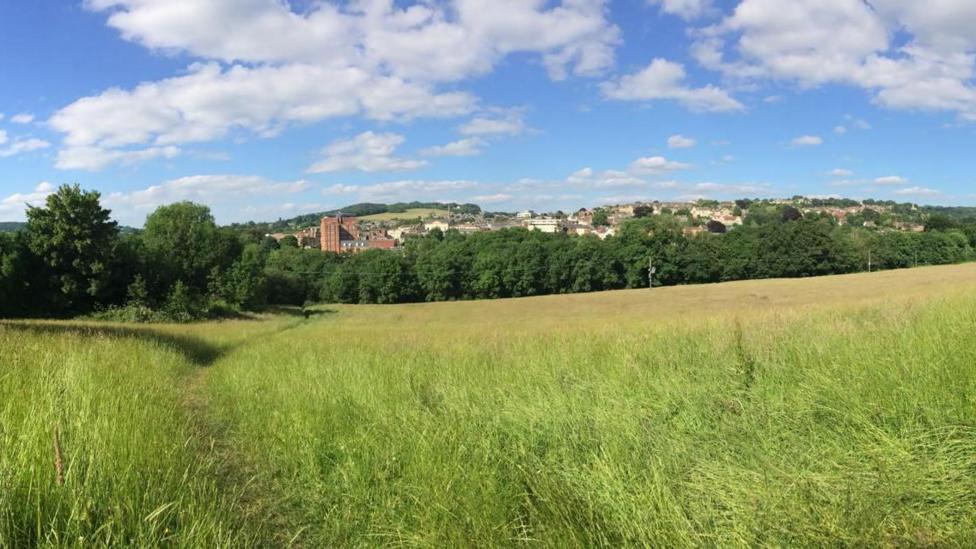
John Bloxsom, chair of the Rodborough Fields and Frome Banks Preservation Group, welcomed the new fund's establishment. The group successfully purchased nine acres of Rodborough Fields through a crowdfunding campaign that raised £200,000. However, the future of a further 30 acres remains uncertain after the land was placed on the market during summer 2026. Bloxsom noted that their recent bid to acquire this additional land had been rejected in favour of an unknown rival bidder,
causing concern in the community.

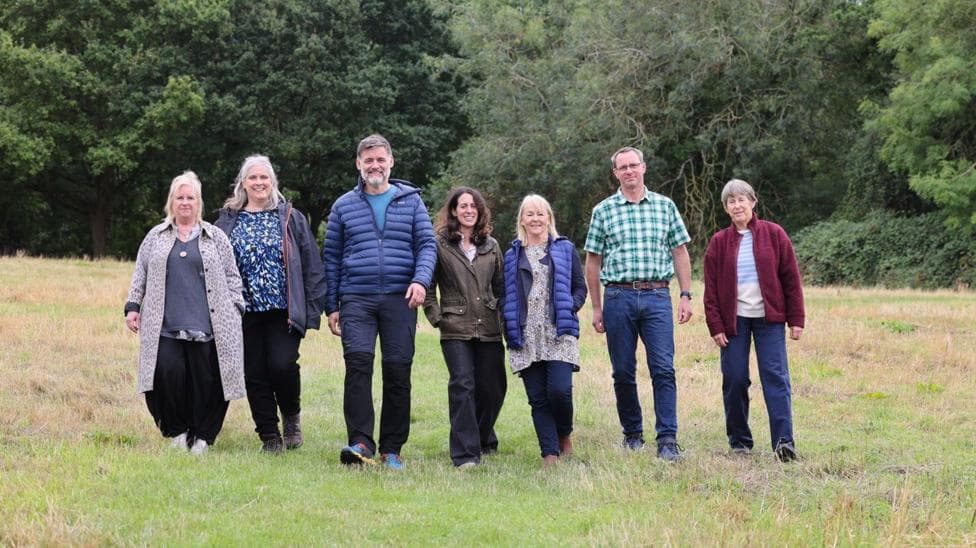
Angela France, one of the directors at Daisybank CIC, which helped save a field in Cheltenham from development in 2025, expressed enthusiasm about the new fund's launch.
Local green spaces are so important to us now. I see more and more local communities getting together to protect them.Since acquiring the land, the group has organised litter picking, butterfly counts and an ecological survey to inform management plans that support local wildlife. A community event scheduled for 24 October will gather views on the field's future direction.
How does this fit into broader regional conservation efforts?
The Gloucestershire initiative reflects a growing national trend of community-led land conservation. Similar funding schemes have recently emerged across other regions. In the West Midlands, community groups and young people can access grants up to £5,000 through the Circular Economy Call to Action Fund, with a separate Youth Climate Action Fund offering up to £2,500 for 15–24-year-olds. Elsewhere, Avon Wildlife Trust has purchased Ebdon Farm near Wick St Lawrence with a £5 million grant to create wetlands and a nature reserve, demonstrating the scale of investment in habitat restoration across the region.
The Gloucestershire Nature and Climate Fund has built this initiative on earlier conservation work, including a new nature recovery site in the north Cotswolds that was described as the first in Gloucestershire funded through biodiversity net gain payments from developers. This approach integrates developer contributions with community action to create a more comprehensive conservation strategy.
What are the fund's broader objectives?
Beyond enabling land purchases, the fund has been designed to contribute to nature recovery across Gloucestershire while addressing unequal access to natural spaces. David Owen, chair of trustees at The Summerfield Charitable Trust, described the initiative's potential impact.
This initiative has the potential to create a lasting legacy for nature, communities and future generations across Gloucestershire. Through this investment, we hope to enable communities to act quickly when opportunities arise, protect important natural assets and create benefits for wildlife, health and wellbeing that will endure for many years to come.
How will communities access the fund?
The fund is now available for use when communities need to act quickly to secure land. Applications are expected to support land purchases and associated legal and ecological costs as opportunities arise. Groups interested in protecting green spaces can contact the Gloucestershire Nature and Climate Fund or the Gloucestershire Local Nature Partnership for further information about eligibility and the application process.
The initiative recognises that protecting natural spaces delivers multiple benefits: it preserves biodiversity, enhances community wellbeing, and creates lasting environmental assets for future generations. As more communities across Gloucestershire face pressure to develop green spaces, this fund provides a practical mechanism to ensure that local voices and conservation priorities can compete effectively in the property market.