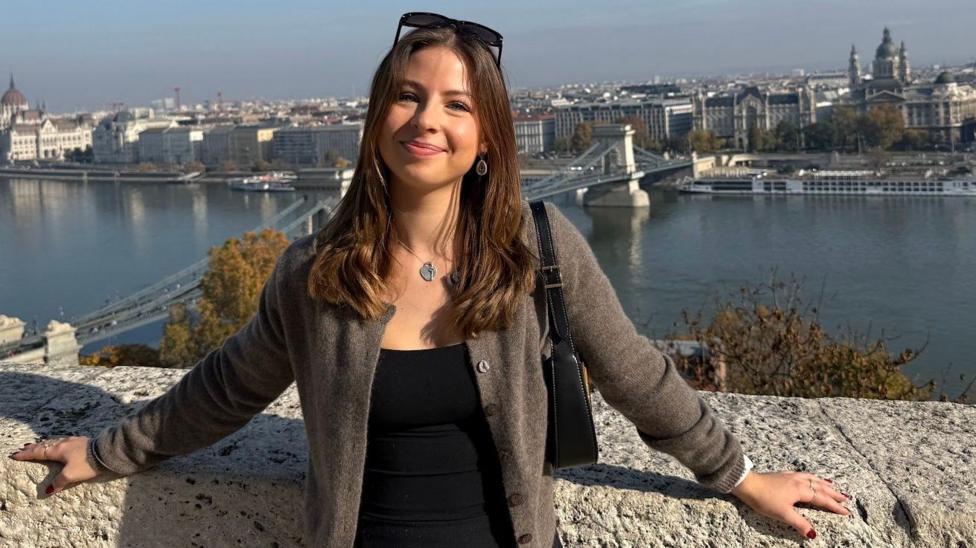
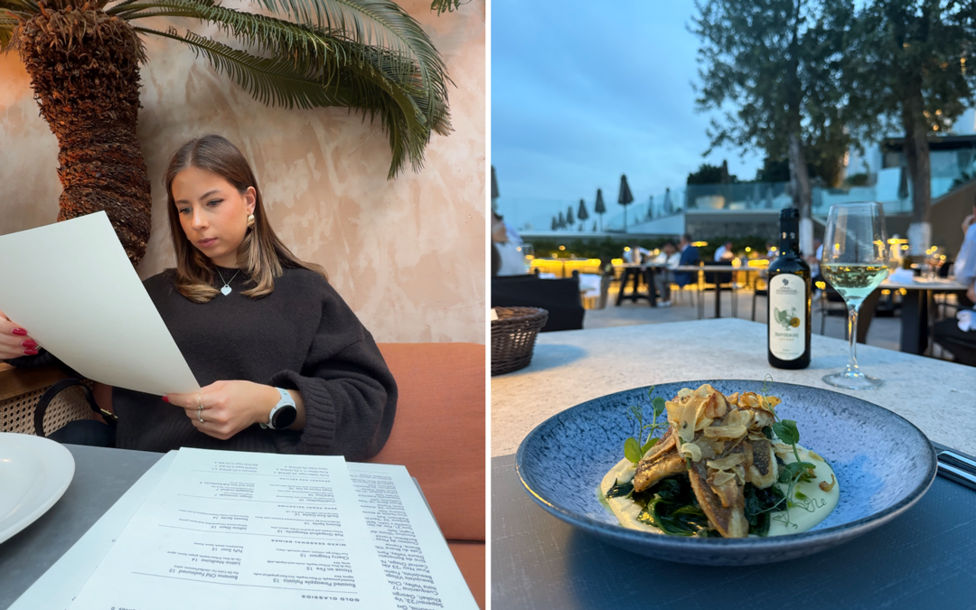
Catherine Smith sits at a table for one in a high-end Mediterranean restaurant, dressed in a new outfit and sipping rosé while surveying the menu she has been eager to explore. The 23-year-old from Yorkshire represents a widening movement of diners who book tables alone not out of necessity but as a deliberate form of self-care and personal indulgence. According to BBC News, this trend reflects shifting attitudes toward solitary dining as an intentional act rather than a social obligation.
"I think what is so special about solo dining is that you don't have to wait for people to make those plans. You can go out and do them yourself,"Catherine explains. She began dining alone during university and now does so at least once a month, deliberately choosing upscale establishments she would not typically visit with friends or family. Her typical expenditure ranges from £100 to £200 per meal, and she conducts extensive research to discover new venues across the UK and internationally.
For Catherine, the appeal extends beyond the food itself.
"I think because a lot of my friends are vegan or vegetarian, I find that difficult sometimes because I'm quite a big meat eater,"she notes, explaining that solo dining allows her to select restaurants based purely on her own preferences without compromise.
"I find it nice to be able to go out and pick a restaurant where I haven't had to scour through the menu to make sure that it's suitable for them."
The autonomy of choosing where and when to dine resonates deeply with Catherine.
"It definitely feels like not only a form of self-care but also a form of female liberation,"she says, describing the experience as empowering. During her meals, she often reads, journals, or simply savours the tranquility of dining without social obligations.
How widespread is the solo dining trend?
Data from online booking platform OpenTable reveals that solo dining, while representing the smallest proportion of its UK reservations, is simultaneously the fastest-growing category. Between 1 January and 31 August this year, solo bookings rose by 23 per cent compared to the same period the previous year, according to OpenTable's figures. The platform covers more than 5,000 restaurants across the UK.
The trend extends beyond the UK. A 2026 U.S. analysis by Axios found that solo reservations in America increased by 23 per cent over the year, with solo diners spending an average of $94 compared with $60 per person across all party sizes. Meanwhile, a Toast survey of 650 U.S. adults found that 56 per cent felt very comfortable dining alone, with 45 per cent citing personal time as their primary motivation and 58 per cent most often choosing lunch for their solo meals. In Australia, Lightspeed's 2026 hospitality report indicates that diners eat alone an average of four times a month across all age groups.
A 2024 Associated Press report documented even broader growth, showing that U.S. solo dining reservations had risen 29 per cent over two years, alongside increases of 18 per cent in Germany and 14 per cent in the UK during that period.
Why is solo dining becoming more acceptable?
Charles Banks, joint managing director of The Food People, a food trends and ideas agency, characterises the shift in cultural attitudes.
"[Eating alone] is becoming an intentional act, a little pocket of independence, indulgence and self-care,"he explains. While solo dining itself is not a new behaviour, Banks notes that contemporary social changes have transformed it into something
"almost aspirational."
This cultural evolution mirrors broader conversations about solitude and independence. Solitude has increasingly become an aspirational lifestyle for creators online, with individuals sharing solo living routines and drawing both support and debate over themes of independence and social connection.
What barriers do solo diners still face?
Despite growing acceptance, significant obstacles remain. SoloTable, a website designed to identify restaurants welcoming to solo diners, surveyed 178 restaurants in London and found that one in eight did not accept online reservations from single diners. Catherine has experienced this rejection firsthand.
"There are a lot of restaurants that I've wanted to go to before where they don't actually allow solo diners. And I've always found that to be really disappointing."
Banks identifies the underlying issue: some establishments view a single diner as an inefficient use of table space rather than a valued customer.
"A single diner could therefore feel like an inefficient use of a table rather than a customer the restaurant actively wanted."This perception persists despite evidence that solo diners often spend more per person than those dining in groups.
The acceptance of solo dining also varies significantly by geography and culture. Nishi Singh, who was an enthusiastic solo diner while living in London, encountered stark cultural differences after relocating to Delhi.
"Someone approached me and said that they assumed I'd been stood up,"she recounts on BBC World Service's The Food Chain podcast.
"It sparked a conversation about the culture around solo dining in Delhi and I was really shocked to hear that it's not really something people do."Motivated by this discovery, Singh began documenting her solo dining experiences on social media, and
"quite a lot of people have reached out and said that this is something they'd like to do and they're too scared to do it themselves."
How are restaurants adapting to solo diners?
Forward-thinking establishments are recognising the commercial potential of this growing market segment. Jungli, an Indian restaurant in Newcastle upon Tyne, has deliberately designed its space to accommodate and welcome solo diners. Co-founder and director Yousaf Khalid incorporated high tables and bar seating into the recently opened venue, alongside charging points for laptops and phones—amenities that cater to the practical needs of diners dining alone.
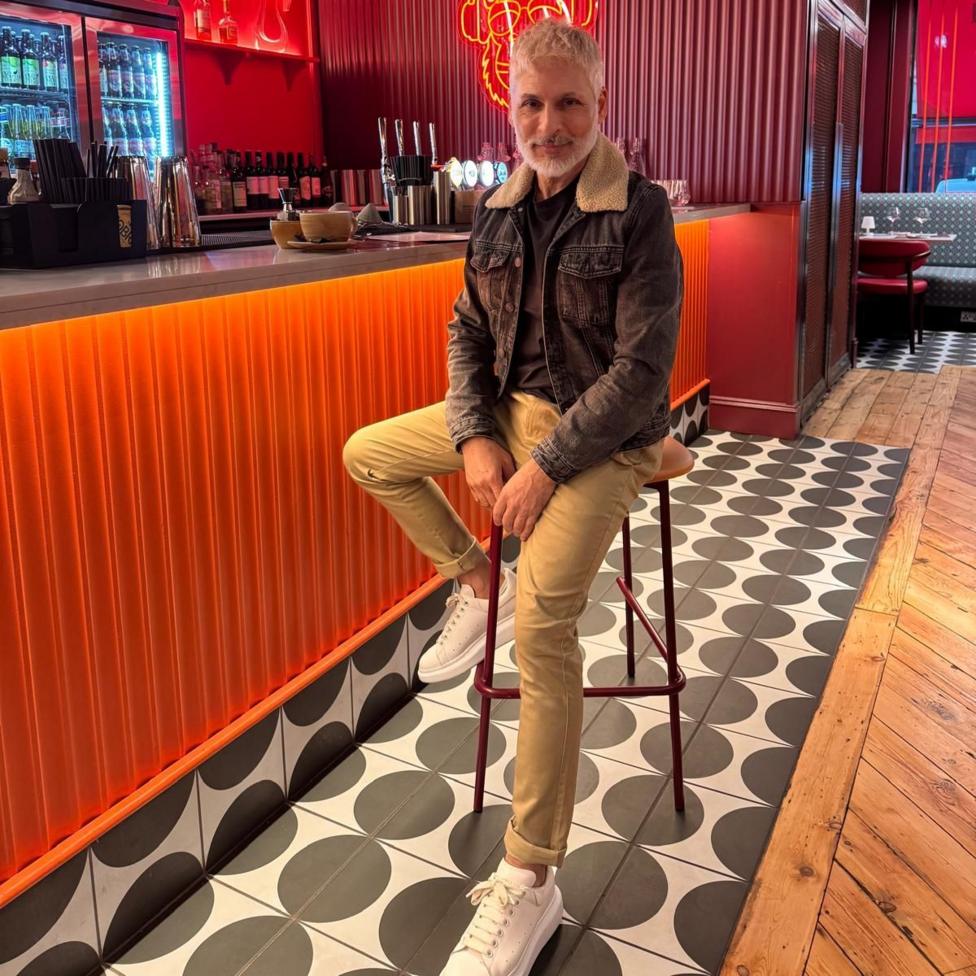
"We want people to feel comfortable in these sorts of environments, being able to walk in on their own,"Khalid states. The restaurant has also invested in staff training, hiring team members with
"bigger personalities"capable of engaging customers in conversation while remaining attuned to those who prefer solitude. This balanced approach acknowledges that solo diners have varying social preferences during their meals.
Such initiatives suggest that restaurants willing to embrace solo dining can develop what Khalid describes as
"another useful business stream."As dining costs continue to challenge consumer habits, restaurants adapting to accommodate solo diners may find a resilient revenue source, particularly given that solo diners demonstrate higher per-person spending than group diners.
What does the future hold for solo dining?
Catherine encourages others to embrace the experience.
"Food is a great way to bring people together, but it's also a great way to have good experiences on your own,"she says.
"I think with time, people will see and will start to accept it as something that's more normal."
The trajectory of solo dining suggests that normalisation is already underway. As younger generations increasingly view dining alone as a form of self-care and independence rather than a social failure, restaurants that adapt their physical spaces, service models, and cultural attitudes will be best positioned to capture this expanding market. The trend reflects broader shifts toward prioritising personal wellbeing, autonomy, and intentional solitude in an increasingly connected world.