

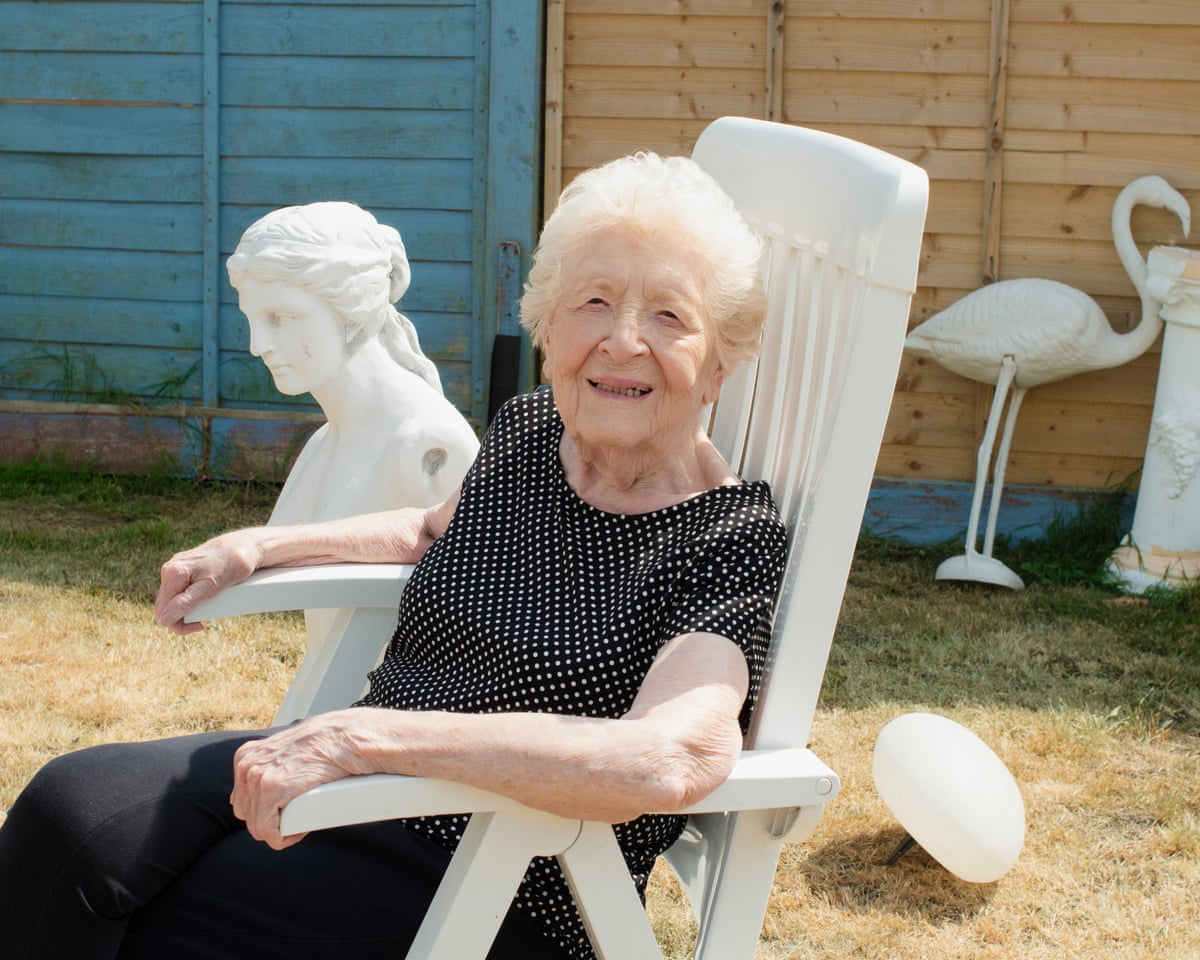
Margaret Heggett, 95, has never known Port Talbot to be quiet. Raised in the shadow of the steelworks, with a father, brother and husband who all worked there, she says the shutdown of the town's blast furnaces has left a profound mark on the community.
I'm not saying it was beautiful, but there were jobs. We did know the closure was coming and we have to move with the times but it's affected the town a lot and it's very sad.
Port Talbot, among the most deprived towns in the UK, is still working through the fallout from the closure of the blast furnaces at its Tata Steel site in 2024, ending more than a century of primary steelmaking and eliminating close to 3,000 jobs. The shutdown also hit supply chain workers and local businesses that depended on the plant.
Two years on, a new exhibition documents that closure and its aftermath. Created by Rhondda-based photographer Jon Pountney, the project pairs photography and portraiture of Port Talbot with interviews from residents, highlighting what organisers describe as their resilience, creativity and determination to shape what comes next while holding onto memories of the past.
What is the exhibition and where can it be seen?
The exhibition is on show at the Plaza, a community venue in the town, and forms part of a wider academic project called After the End. Researchers from Exeter, Oxford and Liverpool John Moores universities are examining how communities experience closures and transitions, with the aim of feeding local perspectives into broader conversations about industrial change and regeneration.
Many of those interviewed described an unsettling quiet once the last furnace stopped running. One contributor recalled the visual spectacle the furnaces once produced:
I used to camp out at night and the light was better than the northern lights. When you're making iron, there's 1,000-degree heat that lights the sky up and the shadow changes and it's like a show, you know, and that's what we were brought up on. I loved that.
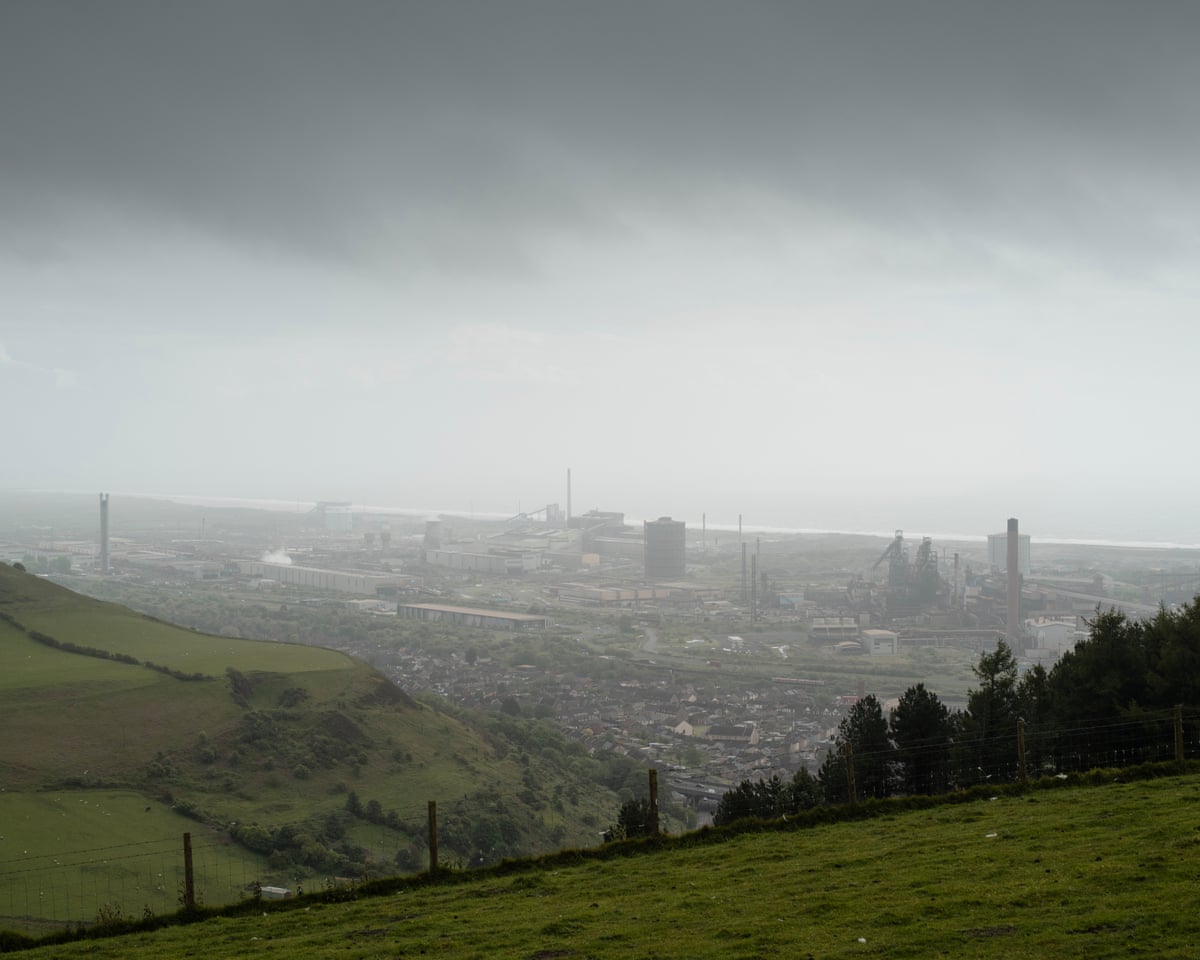
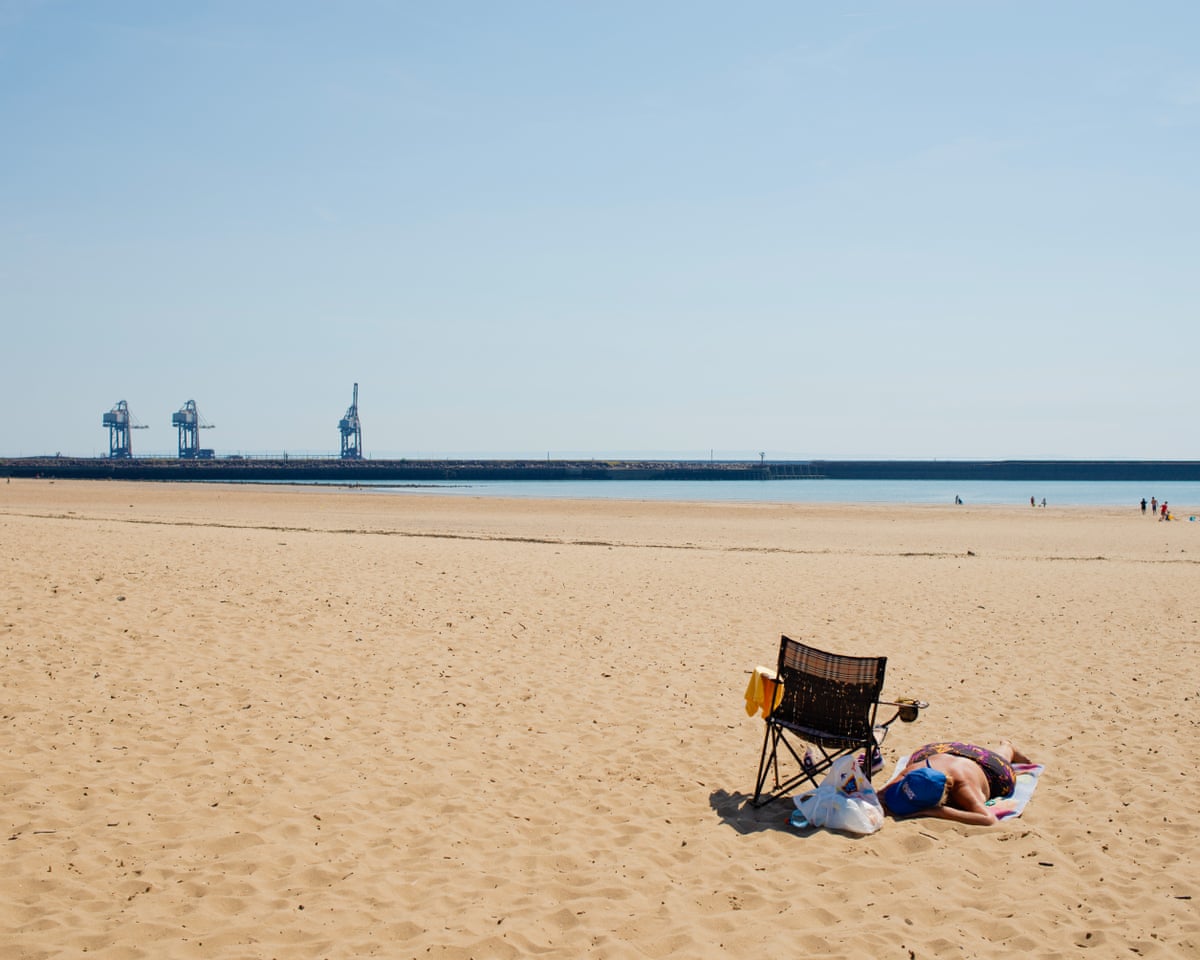
Pountney was among two photographers granted access to document the closure's final days inside Tata's last operating blast furnace. Alongside images of the industrial site, the exhibition shows everyday moments in Port Talbot — friends by the water, camping chairs on Aberavon beach, terraced streets, pushchairs, meadows and wildlife — nearly always framed against the backdrop of the steelworks.
Heggett said taking part in the project came about somewhat unexpectedly:

When I was asked to take part in the project, I'd had a glass of wine, so I thought 'why not?'. It's been lovely to reflect on.
How has the closure reshaped views of the town's future?
According to Patricia Kingori, professor of global health ethics at the University of Oxford and lead researcher on After the End, residents were adamant that the furnace closure should not be seen as an abandonment of their community.
The exhibition is really rooted in hearing the experiences of people who had this 'ending' imposed on them, and what we can learn from them … The pace of change is such that we haven't really reconciled yet what work and labour will look like in the future.
Port Talbot is the canary in the coalmine. The conversations the town is having are going to be repeated in all places and walks of life at some point.
One interviewee framed the town's outlook in more hopeful terms:
You can live the dream from Port Talbot. We've insisted upon that and the fact that we're still surviving … being creative and doing all these positive things, shows that it's actually true.
What support has been put in place since the closure?
Beyond the exhibition, tangible measures have been introduced to help the town recover economically. According to a Senedd research briefing, a UK government Supply Chain Transition Fund and a Welsh Government-funded Community Support Centre have been established to assist workers and businesses affected by the closure. As of 4 September 2025, these initiatives had funded 3,667 training courses and qualifications, provided aid to 37 businesses, and helped 332 people secure new jobs, the same briefing states.
The closure itself followed Tata's original restructuring plan, which set out the 2024 shutdown of the blast furnaces alongside 2,800 job cuts, with unions at the time warning that far more jobs across the local economy were at risk. The end of blast furnace operations also marked the conclusion of primary steelmaking from raw materials in Wales, a process that had continued for more than 100 years.
The transition has not been without incident. Port Talbot's Tata Steel site was also the scene of a serious fire, which prompted a stay-indoors warning for nearby residents due to smoke plumes, and later drew concern from steelworkers over the site's future after the blaze caused extensive damage, though no injuries were reported despite more than 100 firefighters responding.
Separately, the shutdown of the blast furnaces has had a measurable environmental effect: Wales' greenhouse gas emissions fell by 8.6% in 2024, a drop largely attributed to the closure, as the country moves toward less carbon-intensive steelmaking.
What happens next?
Tata Steel's plan is to replace the blast furnaces with an electric arc furnace, a lower-emission method of steel production, though the transition has faced delays and the new plant is expected to employ far fewer workers than the old furnaces did. Per the Senedd briefing, the electric arc furnace is scheduled to become operational by the end of 2027 and is projected to cut the steelworks' carbon emissions by 90%.
Key Facts
- Tata Steel's blast furnaces in Port Talbot closed in 2024 after more than 100 years of operation, cutting nearly 3,000 jobs.
- The exhibition, created by photographer Jon Pountney, is on display at the Plaza community hub as part of the After the End research project.
- Support schemes had funded 3,667 training courses, aided 37 businesses and helped 332 people into jobs as of 4 September 2025, according to Senedd research.
- Tata's replacement electric arc furnace is due to open by the end of 2027 and is expected to cut steelworks emissions by 90%.
- Wales' overall greenhouse gas emissions fell 8.6% in 2024, largely due to the blast furnace closure.


