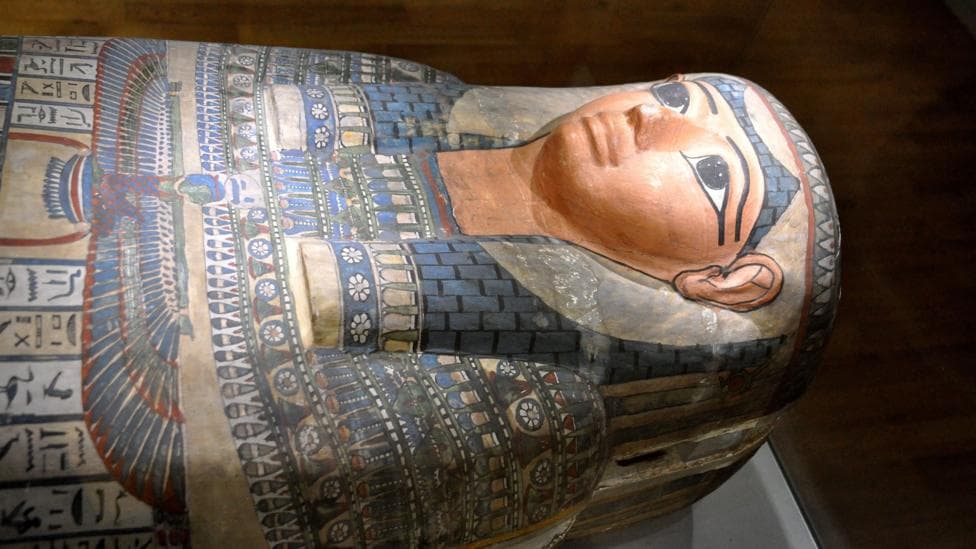
Two major Glasgow museums have withdrawn mummified human remains from public display, citing ethical obligations to the deceased. BBC News reports that Kelvingrove Gallery removed the painted coffin containing the priest Nekht, while The Hunterian Museum covered Lady Shep-En-Hor's body with a specially designed textile to shield it from visitor view. Both institutions justified the decisions as reflecting a reassessment of their duty of care towards ancient human remains.
The moves follow the International Council of Museums (Icom) revising its code of ethics in June 2026 to recommend that the "inherent dignity" of human remains be upheld. According to the revised guidance, museums should "uphold the inherent dignity of human remains and promote respect for their significance" and make decisions "in collaboration with descendants or communities from which they originate, if known." Both Glasgow institutions have indicated they would consider repatriation should they receive approaches from relevant countries or institutions, though no uniform approach has been adopted across Scotland's museum sector.
Kelvingrove's decision to remove Nekht's remains stemmed from what Glasgow Life, the organisation managing the museum, described as "the absence of consent from the deceased individual or their ancestors." Nekht is believed to have lived between 1985 and 1797 BC and was excavated at Beni Hasan in Middle Egypt during early 20th-century digs. The remains were donated to Glasgow in 1923. A mummified male head, right foot and right hand recovered from the Valley of the Kings in Luxor were also withdrawn from display. According to STV News, Glasgow Life is continuing to work towards removing additional archaeological human remains from Kelvingrove's History Discovery Centre and Scotland's Early People gallery, and plans to remove a coffin and mummified remains from the nearby St Mungo Museum.
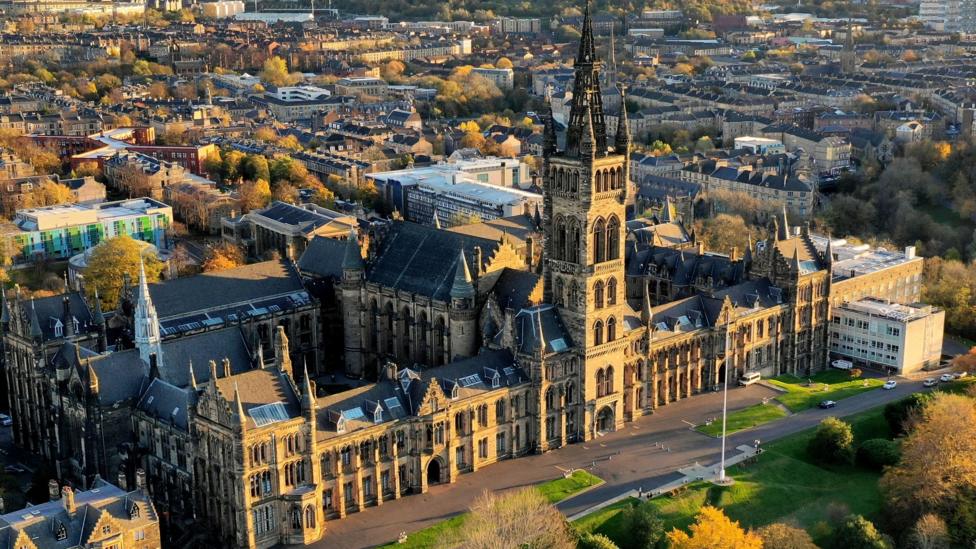
A Glasgow Life spokesperson explained that the withdrawal reflected "contemporary museum practice" and that a new draft human remains policy proposed displaying remains only "where there is documented and informed consent from the deceased individual or, in appropriate circumstances, their descendants." The organisation noted that a parliamentary group on African repatriation had highlighted "ethical concerns" over displaying such remains due to the "constant disregard" of potential wishes and intentions of ancestors who buried them.
"We believe removing ancient Egyptian human remains from display is more respectful to the deceased individuals,"the spokesperson stated.
How did The Hunterian approach the issue differently?
The Hunterian Museum adopted a distinct strategy, seeking advice from Egyptologists before deciding to protect Lady Shep-En-Hor's remains as part of a commitment to becoming a more ethical institution. Rather than removing the remains entirely, the museum concluded that Lady Shep-En-Hor "deserved privacy in death" while preserving public access to her ornate sarcophagus, which has been on display almost continuously since 1820. According to Daily Advent, The Hunterian considered removing Lady Shep-En-Hor's remains entirely by placing them in storage or repatriating them before settling on the textile covering approach. The sarcophagus itself remains visible as a "fine work of late period ancient Egyptian funerary art."
Lady Shep-En-Hor has never been removed from the coffin, though her remains have been X-rayed and CT scanned within the last 50 years. In the 1970s, several theories emerged questioning whether the remains in the coffin were actually those of Lady Shep-En-Hor, as 19th-century excavators occasionally swapped remains from different coffins, placing better preserved specimens in the most intact or ornate sarcophagi.
What is the broader context for these decisions?
The ethical reassessment at both Glasgow institutions reflects wider international debate about the appropriate treatment of human remains in museum collections. The revised Icom code, which came into effect in June 2026, represents a significant shift in museum ethics guidance. However, Prof Steph Scholten, who sits on the Icom ethics committee, emphasised that the code functions as guidance rather than prescription.
"What the code of ethics puts forward is that these topics need careful consideration and decision making, they do not suggest one fixed outcome,"he explained, noting that
"The code of ethics does not prescribe that all human remains should be taken of display."
Despite the new international guidance, there remains no uniform approach across Scotland's museum sector, with different institutions given leeway on implementation. A spokesperson for National Museums Scotland (NMS), which holds a large collection of Scottish archaeological remains as well as mummified people from Egypt and Peru, said the organisation was not considering any changes to the display of human remains in its collection. Museums Galleries Scotland guidance recognises both educational and historical reasons for displaying human remains while advising museums to consider community views, respect the deceased, explain the display's purpose and assess alternatives.
Kelvingrove Museum, which opened in 1901 and attracts more than 1.3 million visitors annually, has positioned its removal of remains as a mark of respect to the deceased. The institution's decision reflects growing recognition that consent and dignity must be central considerations in how museums steward ancient human remains, even when such remains have been in institutional care for over a century.
What happens next?
Glasgow Life has committed to continuing its work to remove additional archaeological human remains from Kelvingrove's galleries and plans to remove a coffin and mummified remains from St Mungo Museum, though no specific timelines have been announced for these further removals. Both Kelvingrove and The Hunterian remain open to repatriation requests should they receive formal approaches from relevant countries or institutions with documented claims to the remains.