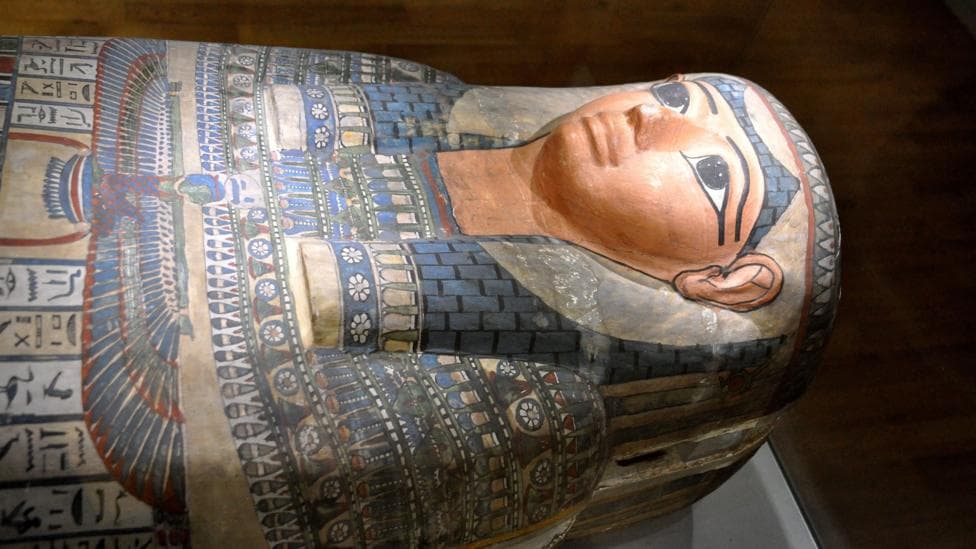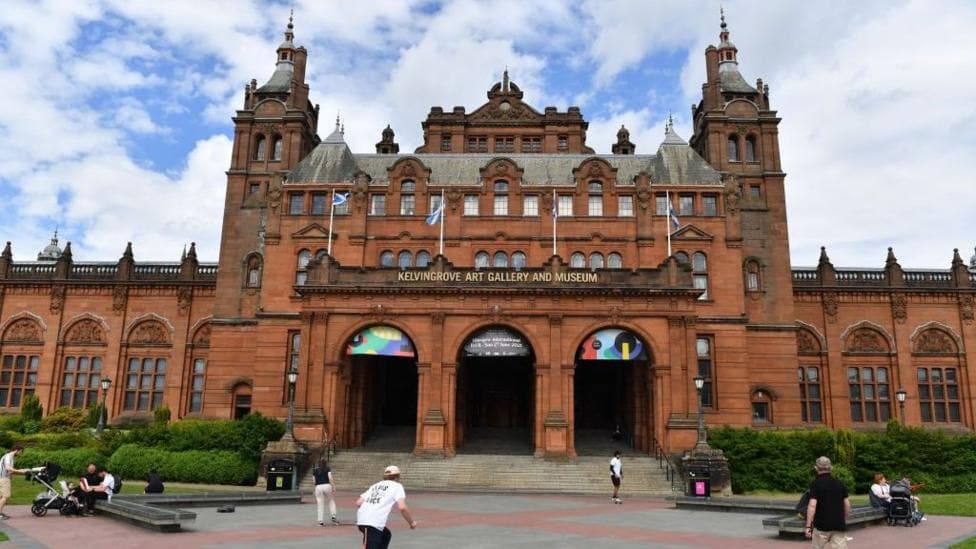
The mummified remains of an ancient Egyptian priest may be returned to Egypt following their removal from public display due to ethical concerns. According to BBC News, Glasgow Life, which operates Kelvingrove Art Gallery and Museum, has confirmed receiving a repatriation request for the remains of the priest Nekht, which were taken out of public view last month.
The decision to remove the painted coffin containing Nekht's remains followed a reassessment of museum practices in light of revised international guidelines on human dignity. The removal came in the "absence of consent from the deceased individual or their descendants", according to Glasgow Life.
Why were the remains removed from display?
The International Council of Museums revised its code of ethics in June 2026, recommending that institutions "uphold the inherent dignity of human remains and promote respect for their significance". The updated guidance states that "decisions about these items and collections should be made in collaboration with descendants or communities from which they originate, if known". While this represents guidance rather than a binding requirement, individual museums have discretion over how to implement these principles.
Kelvingrove and The Hunterian Museum, Glasgow's other major institution holding Egyptian human remains, both conducted reassessments of their duty of care towards the deceased. Glasgow Life is also working to remove other archaeological human remains from two Kelvingrove galleries, with further plans for a coffin and mummified remains at St Mungo Museum.
The Kelvingrove display previously included additional human remains beyond Nekht's coffin. The collection contained a mummified right hand from Luxor's Valley of the Kings, a male head and a right foot, all of which have now been removed from view.
Who was Nekht and how did his remains reach Glasgow?
Nekht is believed to have lived sometime between 1985 and 1797 BC during ancient Egypt's Middle Kingdom period. His mummified remains were excavated at Beni Hasan in Middle Egypt during archaeological digs conducted in the early 20th century. The remains were subsequently donated to the city of Glasgow in 1923, where they remained on continuous public display until their recent removal.
What is the status of the repatriation request?
A spokesperson for Glasgow Life stated: "We have received a request in the last few days to repatriate the Nekht remains to Egypt." The organisation confirmed it has a "well-established" process for handling repatriation requests, though it could not initially confirm the source of the request. The Grand Egyptian Museum has been contacted for comment regarding the potential return of the remains.
Both Kelvingrove and The Hunterian Museum have previously indicated they would consider repatriation of remains should they receive formal approaches from relevant countries or institutions. This commitment reflects a broader shift in museum practice towards acknowledging the rights and dignity of source communities.
What role has the Grand Egyptian Museum played?
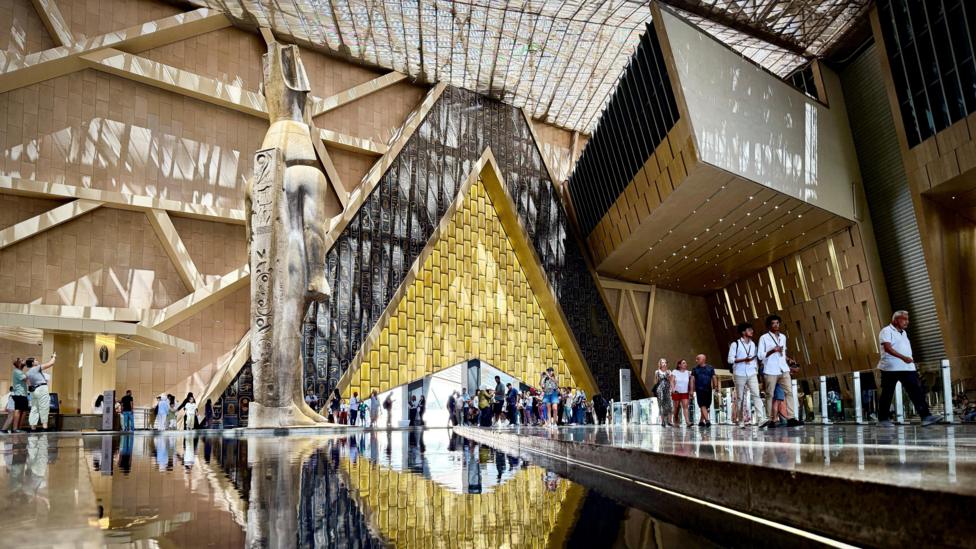
The opening of the Grand Egyptian Museum near the pyramids of Giza last year has intensified calls for the return of Egyptian artefacts held in international collections. The museum is described as the world's largest archaeological museum, housing more than 100,000 artefacts including the complete contents of the intact tomb of the boy king Tutankhamun. The institution's establishment has prompted repeated calls and online petitions for the repatriation of Egyptian cultural and human remains from museums worldwide.
How are other Glasgow museums handling Egyptian remains?
The Hunterian Museum has taken a different approach with the remains of Lady Shep-En-Hor, covering her body with a specifically designed textile to protect it from being viewed by visitors. Her ornate sarcophagus, which has been displayed almost continuously since 1820, will remain on public view as a "fine work of late period ancient Egyptian funerary art". Lady Shep-En-Hor has never been removed from her coffin, though her remains have been X-rayed and CT scanned over the past 50 years.
The contrasting approaches adopted by Glasgow's two major museums reflect the complexity of balancing preservation, research access and respect for the deceased. Both institutions have stated their decisions followed a reassessment of their duty of care towards human remains in their collections, signalling a fundamental shift in how museums are reconsidering their responsibilities to the dead.