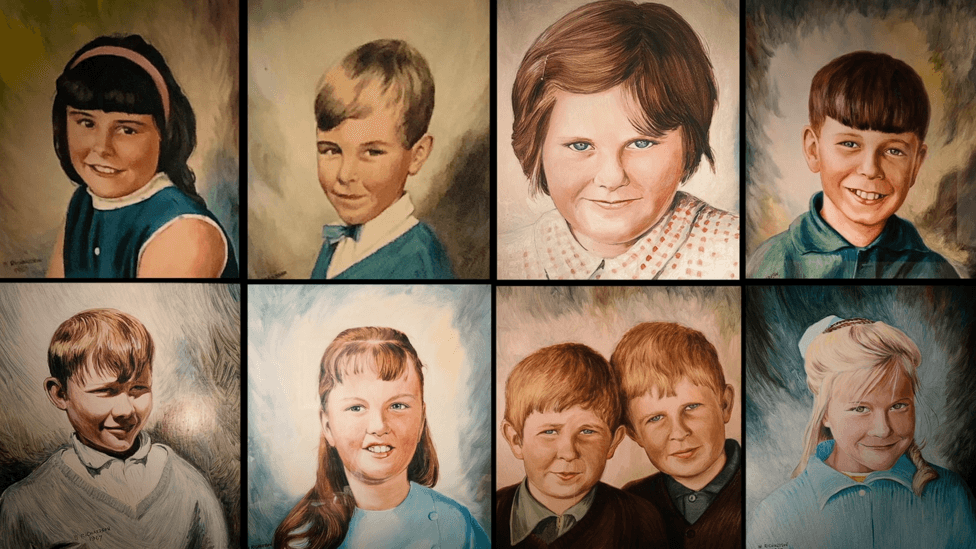
For nearly six decades, paintings of children who perished in the Aberfan disaster have occupied places of honour in family homes across the Welsh village. Created by an artist who never knew the victims, these portraits emerged as profound instruments of remembrance and grief, transforming how bereaved families processed their loss. According to BBC News, a new documentary explores how these artworks helped bring the children home to their families.
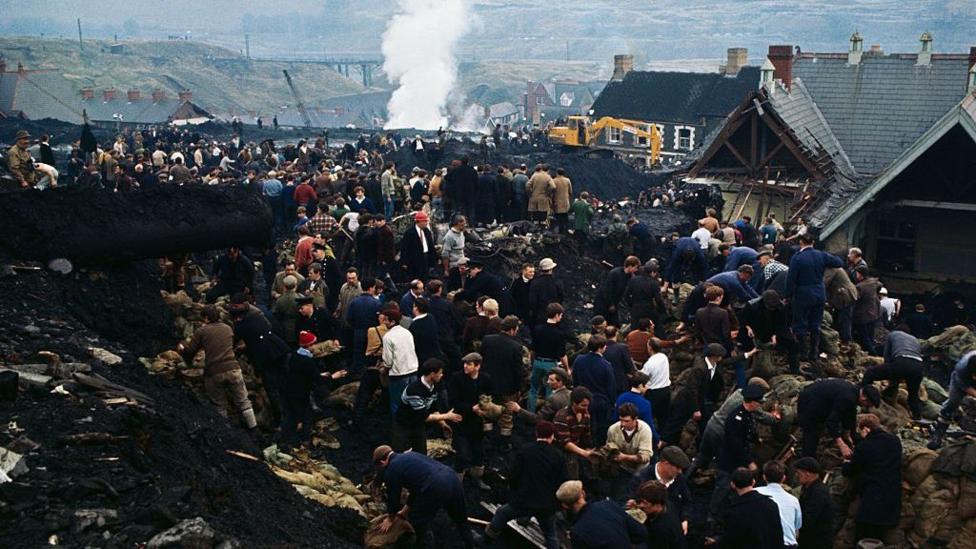
On 21 October 1966, a coal tip collapsed above Aberfan, releasing a torrent of slurry that engulfed Pantglas Junior School and nearby homes. The catastrophe claimed 144 lives—116 children and 28 adults—making it one of Wales' most devastating tragedies. The disaster remains woven into the fabric of daily life in the village, felt most acutely in the memorial garden on the school's former site and among the white arched monuments of the cemetery.
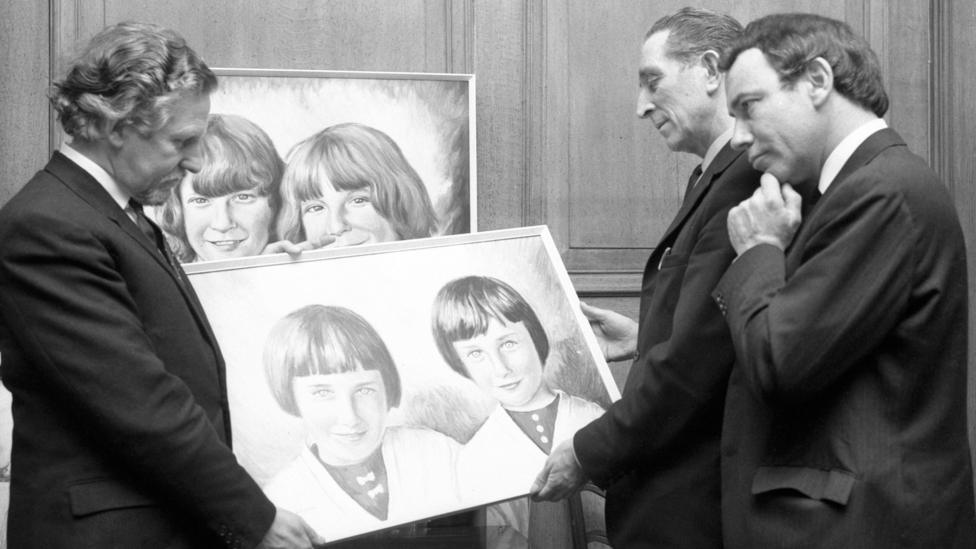
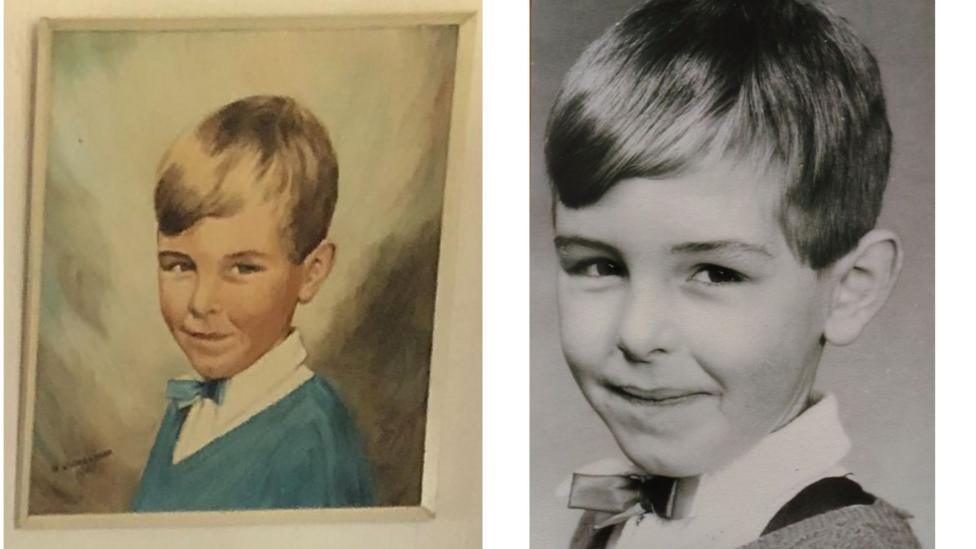
In the years following the tragedy, an artist from Llandudno named William Richardson began creating portraits of the children who had died. Working from school photographs and detailed descriptions supplied by grieving parents, Richardson produced approximately 100 paintings without seeking payment or public recognition. According to BBC's 60th-anniversary media materials, Richardson used photographs and locks of hair supplied by families to paint most of the 116 children who died, ensuring each portrait captured not only physical likeness but also the personality and spirit of the lost child.
How did families contribute to the portraits?
Parents wrote extensively to Richardson, describing intimate details about their children that would never appear in a school photograph. Jean Richardson, the artist's daughter, explained the meticulous process: families communicated the colour of their children's eyes, their hair, the clothes they favoured, and even sent fabric samples to ensure accuracy. Richardson went further, asking about personalities and character traits so he could weave these qualities into each painting, transforming technical portraiture into something far more personal and alive.
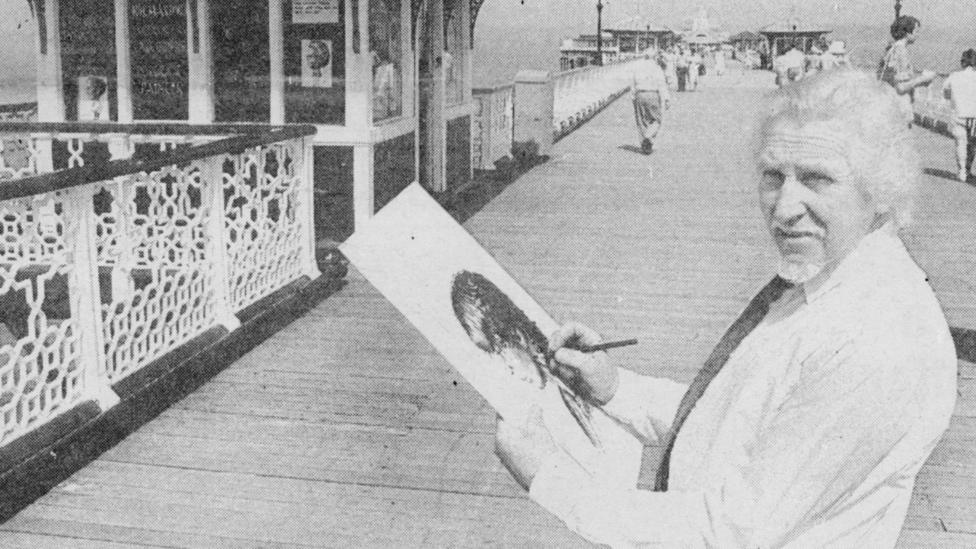
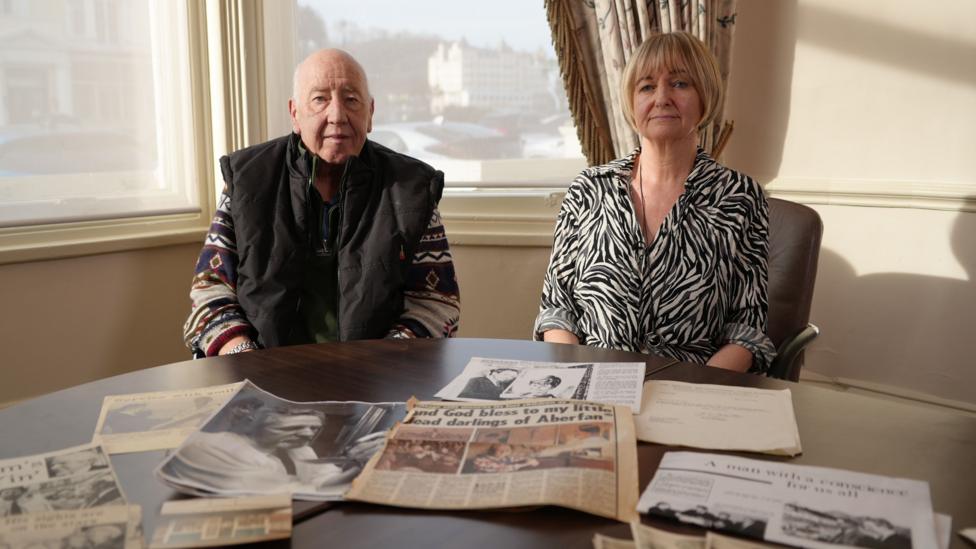
Richardson had made his living sketching caricatures of visitors and celebrities on Llandudno Pier, including Margaret Thatcher and the Bay City Rollers. His children, Jean and Ken, recalled that their father was profoundly moved by news coverage of the disaster and felt compelled to contribute something meaningful to the bereaved families. "He saw it on the news and he was so moved by it, he decided to paint them," Jean said. "He just wanted to give something back, to show he cared," Ken added.
What impact did the portraits have on grieving families?
The paintings became far more than decorative objects in the homes where they hung. For Denise Morgan, whose younger sister Annette died in the disaster, the portrait's arrival marked a turning point in her family's grief.
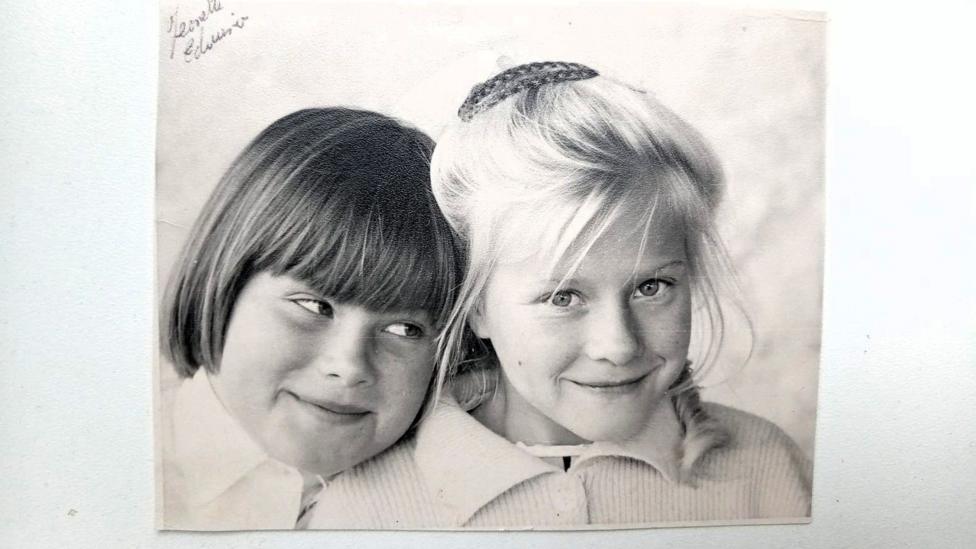
"It brought her back to life," Denise said.When Jeanette Keane's portrait of her sister Edwina arrived, the effect on her parents was immediate and overwhelming.
"I remember my father crying when the painting came," Jeanette recalled. "If they could have hugged it, they would have."
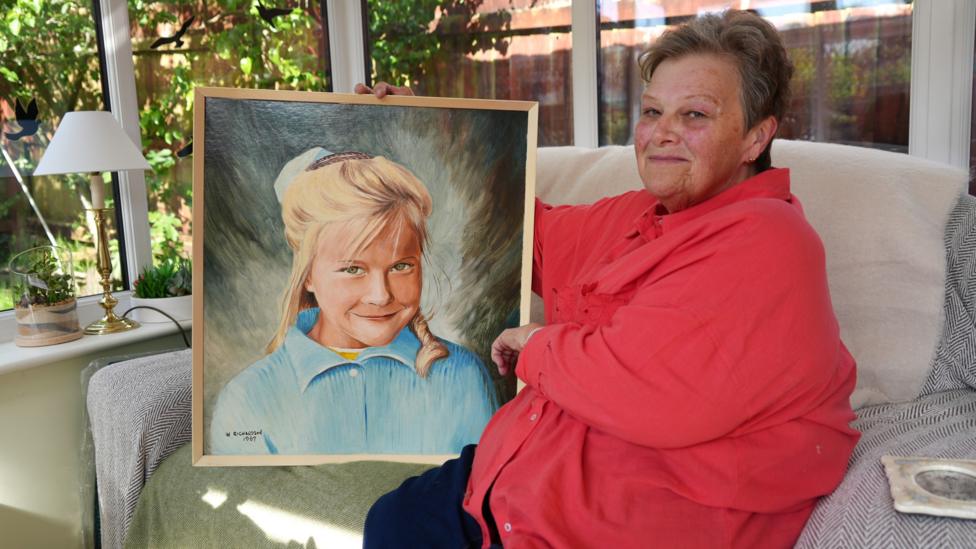
The portraits became permanent fixtures in family life, present at Christmas gatherings, birthday celebrations, and ordinary weekday moments.
"She was there at Christmas, at parties, always in the room," Denise said of Annette's painting. "In our street, every house had one."For Jeanette, the presence of Edwina's portrait provided essential continuity.
"It was very, very important to us. It felt like she was always with us while it was there."
What were the circumstances of the children's deaths?
The scale of loss in Aberfan was staggering and inescapable. Denise noted that in her street alone, five children were lost among just 25 houses. Jeanette recalled that four children died in her street. For surviving siblings, the absence manifested in the most ordinary moments—the empty bed where a brother or sister once slept, the missing voice at the dinner table, the sudden silence in a shared bedroom.
Jeanette's sister Edwina had nearly escaped the disaster. On the morning of 21 October 1966, eight-year-old Edwina returned home briefly before school began.
"She came running back and she said, 'Mammy, I forgot to give you a kiss'," Jeanette said. "And so my mother gave her a kiss."Her mother would later regret not keeping Edwina home that day.
"My mother always said that, at that time, she wanted to keep her home. And my mother rued that day for the rest of her life. She just wished she'd listened to herself."
Jeanette's father found Edwina trapped beneath the wreckage, still alive but in an impossible situation.
"He couldn't get her out because the roof would have fallen in. The men all said, 'Teddy, you can't,' and my father laid by the side of her, held her hand and she suffocated."The trauma of that moment echoed through the years.
"It explains to me why we used to hear him walking back and fore in the corridor at night, banging his head on the wall," Jeanette said. "It wasn't a very happy life afterwards. Everything changed."
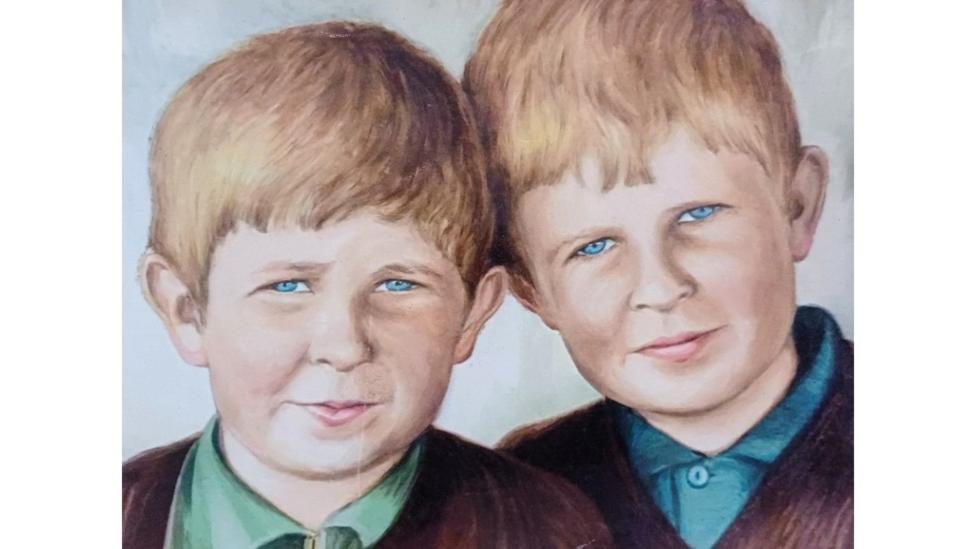
Denise Morgan was attending a different school when word spread that something catastrophic had occurred in Aberfan, where her younger sister Annette was in class.
"They didn't really give us any details," she said.Racing off the train, the devastation became immediately apparent.
"When we looked across to Aberfan, we could just see this black mass."
How did the portraits help survivors process grief?
In an era when grief was rarely discussed openly, many survivors were left to process the tragedy in isolation. The portraits provided a tangible focal point for remembrance and conversation. Gaynor Madgwick, who escaped from Pantglas Junior School when the tip collapsed, described how the paintings served a crucial social function.
"They start conversations," she said. "People begin talking about their children again."For families who had struggled to find words adequate to their loss, the portraits offered a way to keep memories alive and present.
"You walked in and their presence was there," Gaynor said.
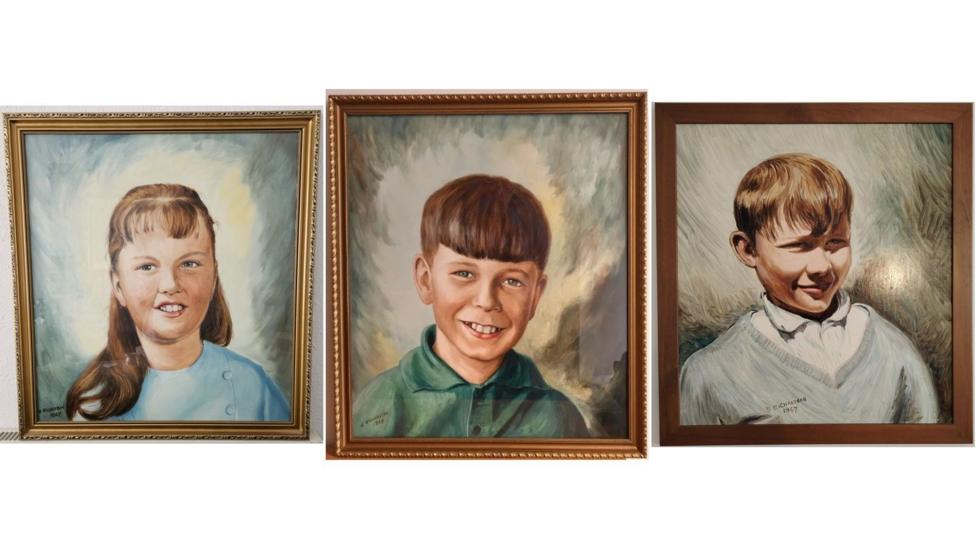
The portraits were displayed in homes across the village, becoming as familiar as family photographs.
"We couldn't believe the likeness," Denise said. "That was her."For Ken and Jean Richardson, growing up surrounded by their father's work meant living among dozens of faces that had become like old friends.
"It's like looking back at old friends now," Ken said.
What is happening to the portraits now?
As the generation directly affected by the disaster grows older, families face difficult decisions about the future of these irreplaceable artworks. Many remain cherished family possessions, while others have passed into the care of younger generations or been entrusted to local museums. Some families have made the heartbreaking choice to part with the portraits permanently.
Gaynor described the agonising decision her family faced after their mother died.
"Taking them down, you're not taking a painting, you're taking them," she said.Her family chose to bury the portraits alongside their mother.
"We buried them with Mam in a white box, like a little coffin. We placed them facing each other. It felt like burying them again."
For Jeanette, the future of Edwina's portrait remains a source of concern.
"I worry about what will happen to the painting," she said. "I want people to see them."Denise feels the same tension between preserving the paintings for posterity and maintaining them as personal, intimate family possessions.
"It's a treasure," she said. "I could never part with it."
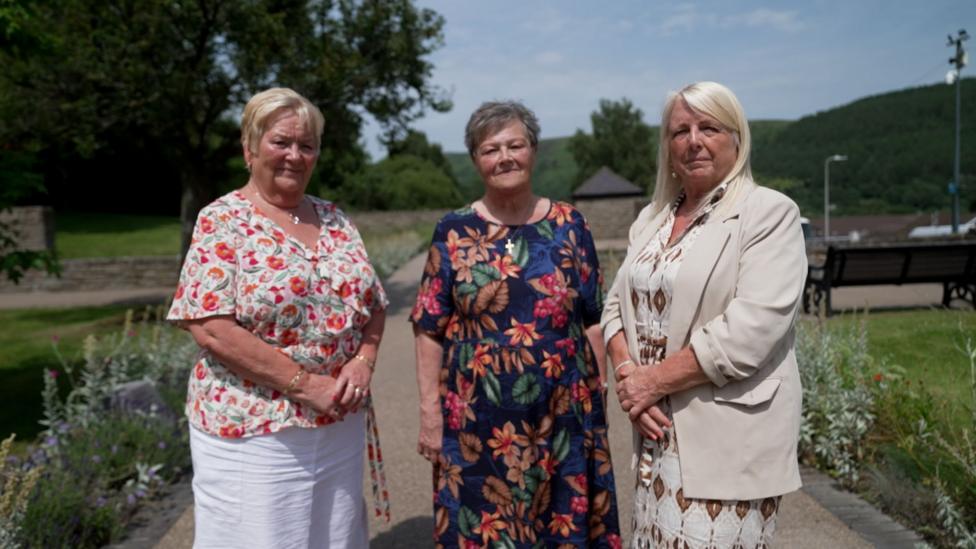
The question of preservation has taken on new urgency as the 60th anniversary of the disaster approaches. The King, Queen and Prince William are due to visit Aberfan on 21 October for the 60th anniversary, including a remembrance at the memorial garden and meetings with survivors and bereaved families. This milestone moment has prompted renewed reflection on how these portraits should be safeguarded for future generations.
What is the broader cultural significance of the portraits?
William Richardson's work represents an extraordinary act of compassion and artistic dedication. By painstakingly recreating the faces of children he had never met, he gave something precious back to a community living with unimaginable grief. The portraits transcended their function as memorial objects; they became vessels for love, memory, and the refusal to let the dead be forgotten.
Nearly six decades after the disaster, the paintings remain extraordinary objects. They were created by a man motivated solely by empathy, yet his kindness ensured they were treasured by the families who received and loved them. For many families, the portraits did more than capture memories or preserve likenesses. They brought the children home—not in body, but in presence, in daily life, in the spaces where grief and love intersect.
What happens next?
The BBC's 60th-anniversary season includes *Unseen: The Aberfan Portraits*, scheduled for BBC One Wales, BBC and YouTube at 10.40pm on 19 October 2026. The documentary gives voice to survivors and bereaved families as they reflect on how these artworks shaped their grief and remembrance. Beyond the broadcast, the BBC National Orchestra of Wales is scheduled to perform *Aberfan 60* at BBC Hoddinott Hall in Cardiff on 25 October 2026; the concert is also due to be broadcast on BBC , BBC Radio 3 and .