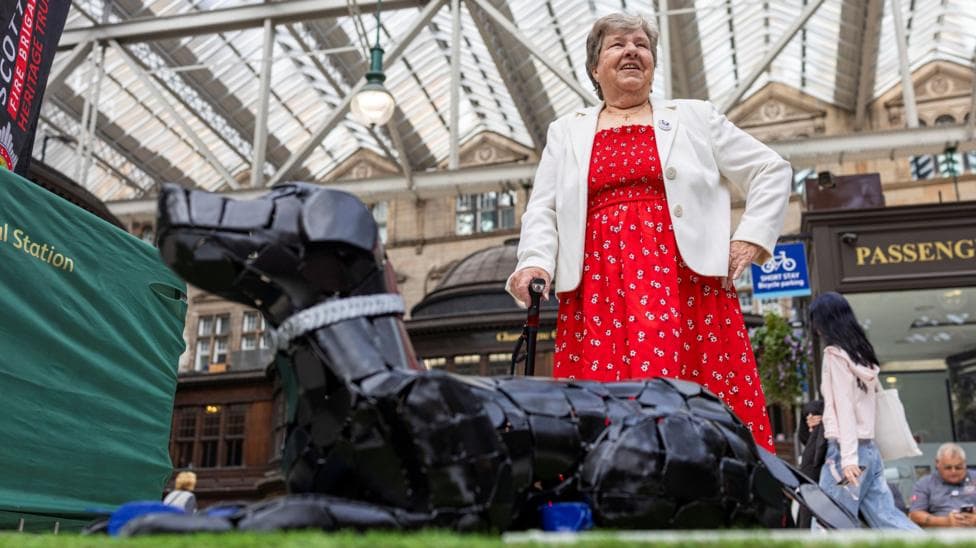
A setter-collie named Wallace, who served alongside Glasgow's firefighters in the 1890s, has been commemorated with a bronze statue at Glasgow Central railway station, more than a century after his death in 1902.
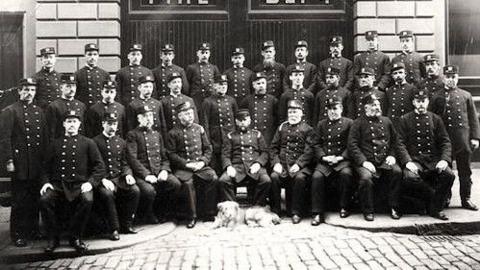
The four-legged firefighter became a familiar figure on Glasgow's streets after joining the Central Fire Station in 1894, when he followed a horse-drawn engine participating in a lifeboat demonstration. Over several years, Wallace earned recognition throughout the city for his distinctive role supporting the fire service during emergency responses.
The statue was unveiled on 15 September 2026 at the railway station, marking the culmination of a multi-year campaign led by Possilpark resident Jean Dallas. The ceremony featured the tune I Belong To Glasgow performed on bagpipes, celebrating the life of Scotland's first documented "fire dog."
How did Wallace assist the fire service?
Wallace's primary duty involved running approximately 20 to 30 yards ahead of horse-drawn fire appliances as they travelled to emergencies, responding to directional signals from the coachman. Upon arrival at each incident, he would position himself beside the tethered horses, remaining on guard until the firefighters returned from their work.
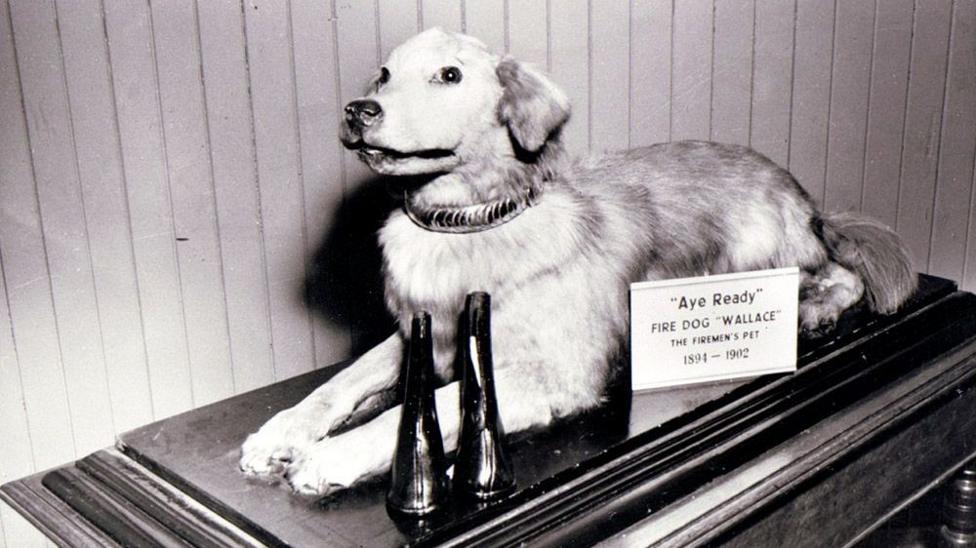
The relationship between Wallace and the fire service personnel proved so strong that when he died in 1902, the firemen paid for his body to be embalmed and preserved. Following his death, his remains were displayed in the foyer of the North Glasgow fire service headquarters at Cowcaddens, then relocated to the Strathclyde Fire Brigade headquarters in Hamilton, and eventually transferred to a fire service museum in Greenock, where he remains on display today.
What is the story behind Wallace's rubber boots?
According to local legend, Wallace's reputation as a heroic fire dog grew so substantially that an elderly woman, observing him limping from the sharp stone sets that paved Glasgow's roads, gifted him a set of rubber boots to protect his paws. However, the tale takes a humorous turn: Wallace wore the boots only once before losing two of the four during his return journey from a fire call-out.
These boots have become an integral part of the new sculpture at Central Station, serving as a tangible link to the folklore surrounding the beloved animal.

Who led the campaign to honour Wallace?
Jean Dallas, an 81-year-old resident of Possilpark, spearheaded the effort to bring Wallace's story back to Glasgow after discovering his history in 2017 during a visit to the Scottish Fire and Rescue Service Heritage Centre and Museum in Greenock. Describing her initial reaction, she explained her determination to restore the fire dog's presence in his home city.
I just fell in love with the story and thought we needed to get him back home to Glasgow. I did a lot of fundraising, everything from making tablet to doing arts and crafts, and the money went towards this (the statue). He had a lot of courage, he helped people and was brave. It's a great story.
Dallas's fundraising efforts extended beyond Glasgow; she raised additional money while travelling abroad by sharing Wallace's story with fellow holidaymakers. According to community reports from 2023, a formal handover event in Possilpark marked a significant milestone, with nearly £1,400 raised to support plans for placing Wallace in a public location within Glasgow.
How was the statue created and installed?
The sculpture was developed through collaboration among multiple organisations and groups. Notably, people in custody at HM Prison Barlinnie took on the responsibility of sculpting the artwork, bringing their skills and dedication to the project. The Scottish Fire and Rescue Service and the Croft project assisted in relocating Wallace back to Glasgow for public display, while Jean Dallas fundraised specifically for the plinth.
Network Rail, the operator of Glasgow Central Station, agreed to provide a home for the statue after learning of Wallace's historical significance. Mick Stoney, governor of HMP Barlinnie, highlighted the prisoners' contribution to the project, noting they had taken considerable pride in bringing an important piece of Glasgow's heritage to life through their sculptural work.
What recognition did the unveiling receive?
The unveiling ceremony on 15 September 2026 was attended by City of Glasgow Group Commander Craig Campbell of the Scottish Fire and Rescue Service, who represented the organisation at the event. Campbell acknowledged Wallace's enduring legacy, describing him as both a local and fire service legend and emphasising the statue as a fitting tribute to his life and the proud historical connection between the fire service and Glasgow.
Support for the statue also came from ng Homes, a social landlord that contributed to the project's realisation. The combination of community fundraising, institutional backing, and creative collaboration resulted in a permanent memorial that brings Wallace's story to contemporary audiences.
Why does Wallace's story matter today?
The statue at Glasgow Central Station serves as an introduction to Wallace's remarkable history for new generations of visitors and residents. His story exemplifies the bond between animals and the people they serve, while also preserving an unusual chapter in Glasgow's fire service heritage. By placing the memorial in a prominent public location, the city ensures that the legacy of Scotland's first documented fire dog remains accessible and celebrated for years to come.
Key Facts
- Wallace, a setter-collie, joined Glasgow's Central Fire Station in 1894 after following a horse-drawn fire engine and remained with the service for eight years until his death in 1902.
- He ran ahead of fire appliances to emergencies and guarded the tethered horses while firefighters worked, earning widespread recognition throughout Glasgow.
- The statue was unveiled on 15 September 2026 at Glasgow Central Station following a multi-year campaign by Jean Dallas, who raised funds through various community activities and personal efforts.
- The sculpture was created by people in custody at HM Prison Barlinnie, with support from the Scottish Fire and Rescue Service, the Croft project, and ng Homes.
- Wallace's embalmed remains are preserved and displayed at the Scottish Fire and Rescue Service Heritage Centre and Museum in Greenock.