Glasgow's industrial reputation rests on shipbuilding and locomotive manufacturing, yet the city's creative legacy runs equally deep. According to BBC News, the Alf Webster Museum of Stained Glass will open in early 2027 at the Lansdowne Church, unveiling works that have remained largely hidden from public view for nearly a century. The museum represents Scotland's first institution dedicated entirely to stained-glass history, bringing together two monumental windows created by a gifted but short-lived artist whose career was cut short by the First World War.
During the 18th and early 19th centuries, Scotland earned international recognition for its decorative arts, with stained-glass production at the forefront of this achievement. Craftspeople from Glasgow shipped their work across the globe—James Guthrie's Thistle window, for instance, remains on display in Budapest's museum of decorative arts. While some pieces survived only in photographs of grand ocean liners, hundreds of examples remained in Scotland, adorning churches, private residences, civic buildings and community spaces. Two particularly significant examples, created by Alf Webster in the early 20th century, spent decades known only to the congregation of a single Glasgow church.
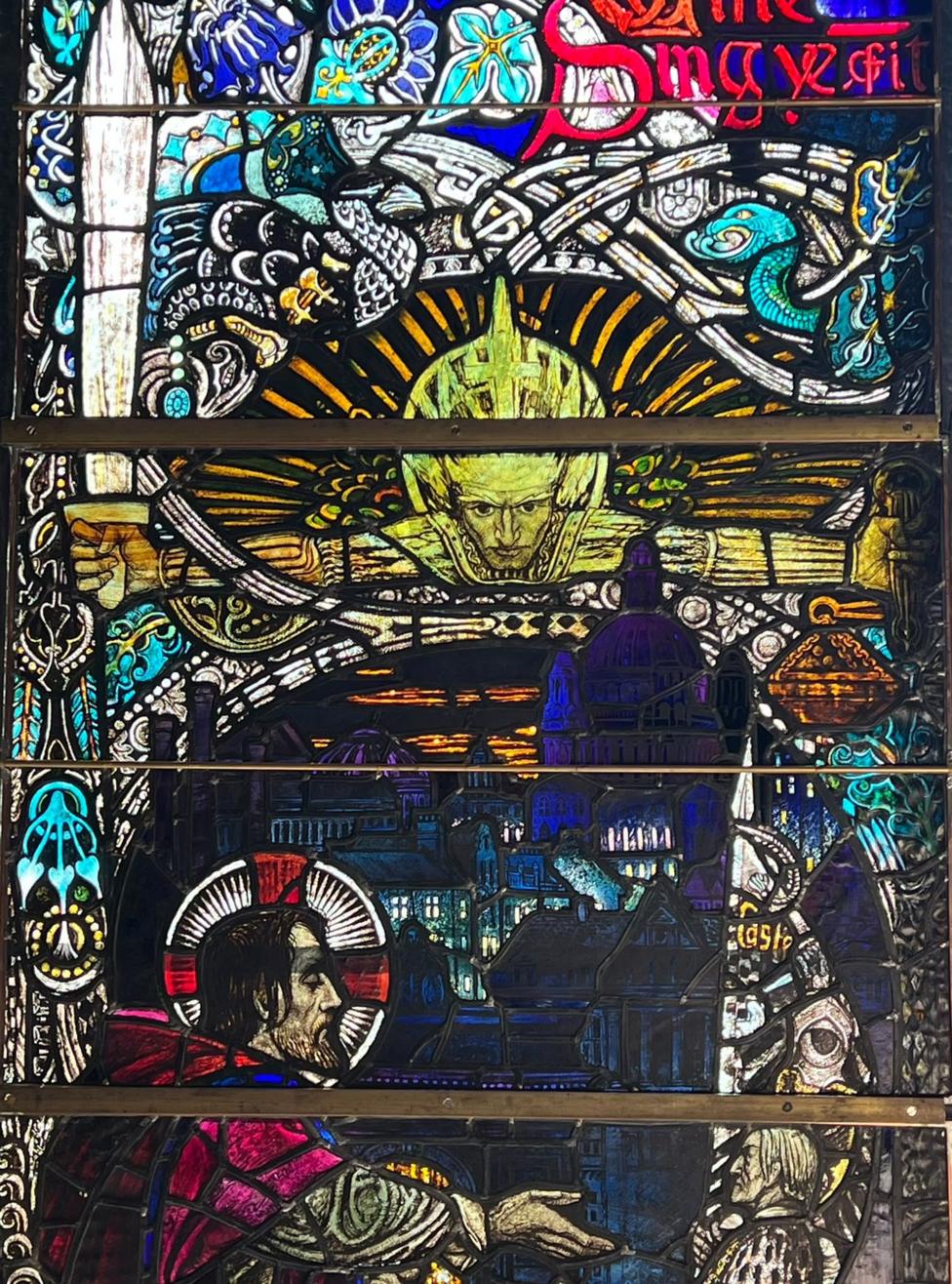
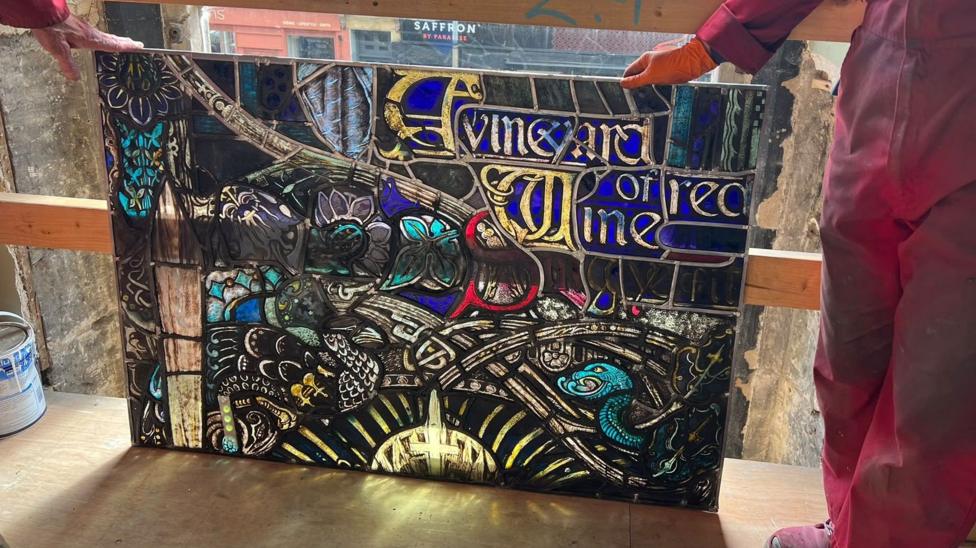
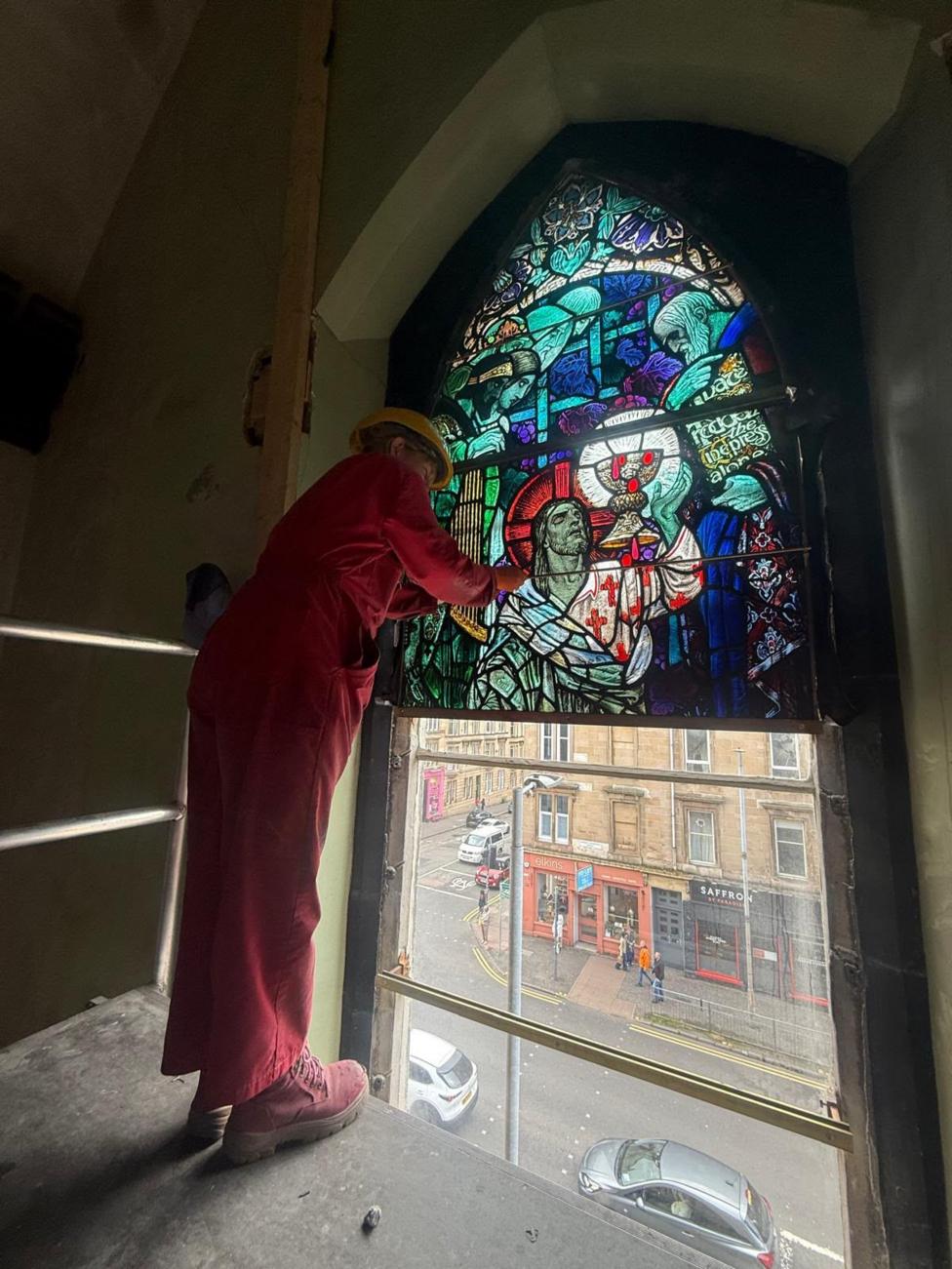
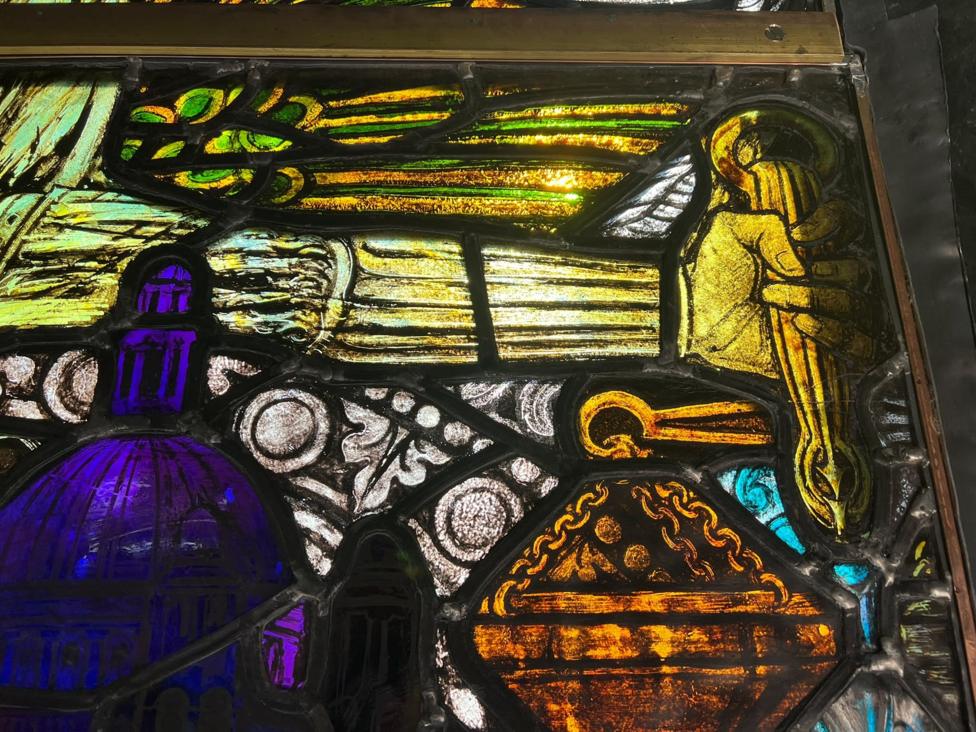
The Templeton Window depicts the life of Christ across eight distinct scenes, while the McCowan window illustrates the events of Holy Week through three large panels. Both works transcend religious decoration, embedding within their glass details about the historical period, the artisans who crafted them and the patrons who commissioned them. Researcher Dr Karen Mailley explained the layered meaning embedded in Webster's approach:
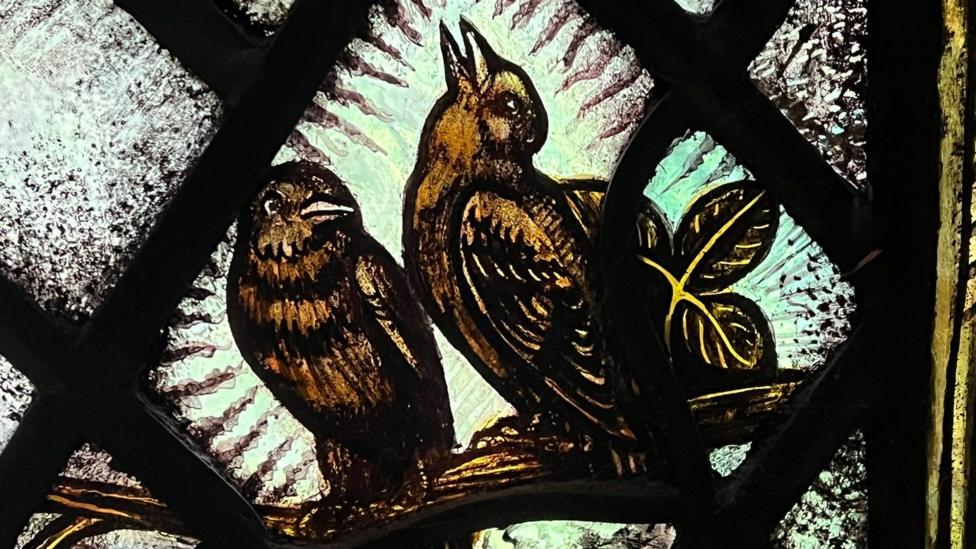
Alf Webster uses a range of religious iconography, but also natural symbols so anybody coming into the church would be able to "read" the window from top to bottom. That's something we've lost nowadays, and we'd love to help people to understand what's actually going on in the windows.
Who was Alf Webster?
Born in Pollokshields on Glasgow's south side in 1883, Webster studied at Glasgow School of Art before securing an apprenticeship at the prestigious Adam Studio in 1904. Following the death of founder Stephen Adam Senior in 1910, Webster assumed control of the studio and rapidly established himself as a prominent designer. Over the following years, he was responsible for approximately 40 windows across Scotland, including the two masterpieces now destined for the museum. The McCowan window was installed in 1914, marking the conclusion of his remarkably productive but tragically brief career.
In February 1915, Webster enlisted with the Gordon Highlanders and served in the First World War. While stationed at Ypres, he sustained severe injuries from which he never recovered, dying at just 31 years old. Trustee David Robertson reflected on this loss:
This incredible talent was snuffed out at the age of 31. And because a church doesn't tend to be open to the public to the same extent, few people have been able to see them, so we're now finally revealing the talent of Alf Webster.
How will the museum preserve and display these works?
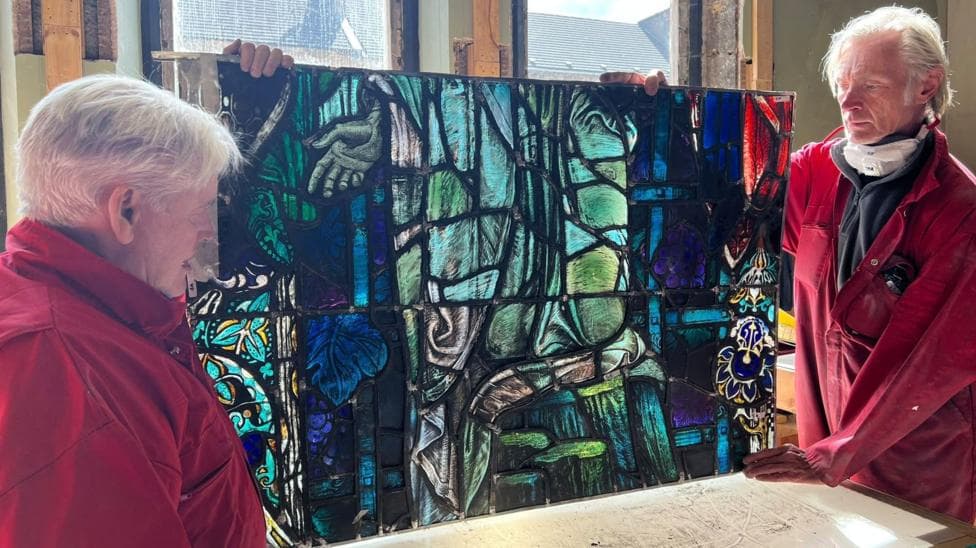
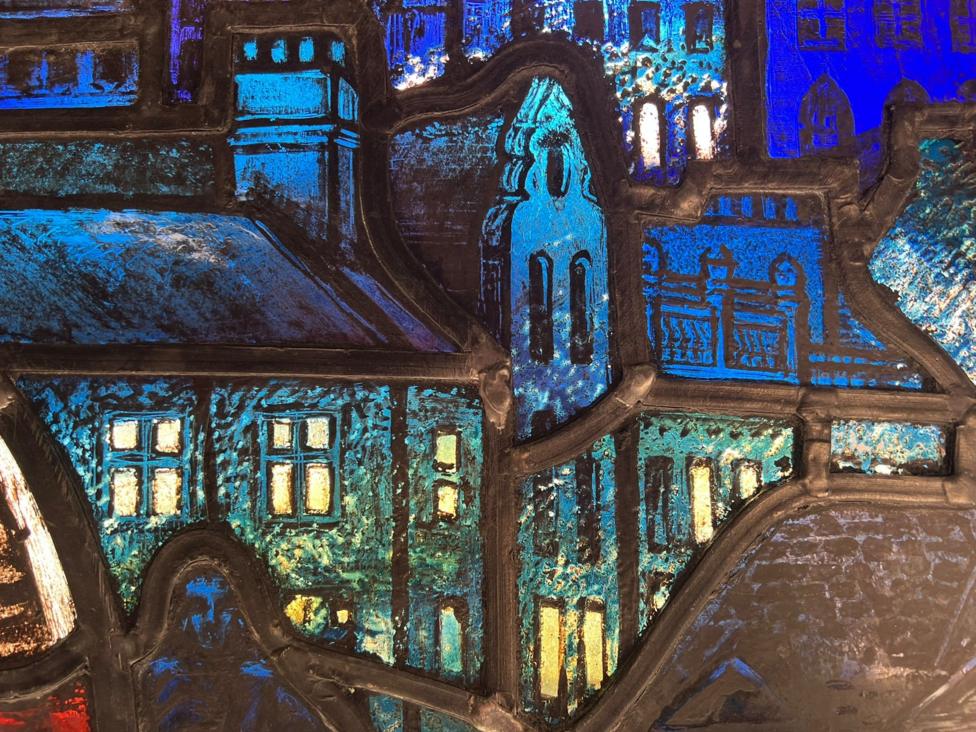
The Templeton Window remains in its original location within the church, while the McCowan window was carefully removed in 2007 and held in storage until museum development began. Advanced conservation techniques now allow individual panels to be extracted, examined, repaired and reinstalled without compromising the integrity of the complete window. Robertson noted:
We can take individual panels out, look at them, repair them and put them back without disrupting the whole window. And we hope we can rotate windows from collections like Glasgow Museums so the public can come and see something different each time they visit.
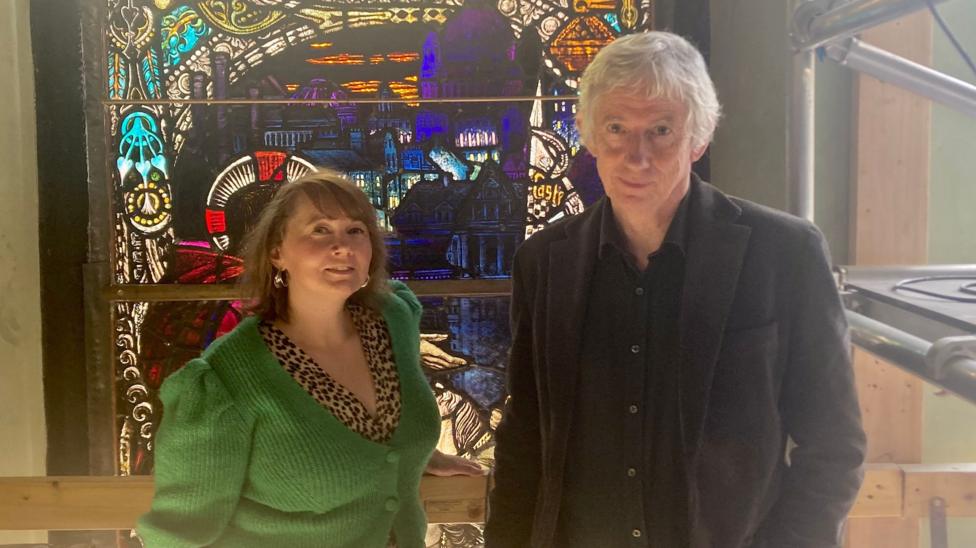
The McCowan window's restoration took a year and was carried out by accredited local stained-glass conservation specialists. Funding for the project has come from multiple sources: The National Lottery Heritage Fund contributed £250,000, Glasgow City Heritage Trust provided £132,000, and the Architectural Heritage Fund granted £15,000, supplemented by a public crowdfunding campaign. The museum plans include a viewing platform positioned beneath the window to offer visitors an unprecedented close-up perspective, a heritage interpretation room, and a newly carved stone doorway at gallery level.
What makes this museum significant for Scotland's artistic heritage?
Scotland possesses an exceptional wealth of stained glass, yet few venues exist to properly display and interpret these works. Dr Mailley underscored the urgency of the museum's mission:
We're at a crucial point in our history. There are 800 churches being sold off. That's a lot of stained glass. So having a centre like the museum to promote techniques but also elevate it as an artwork is incredibly important.The institution will serve not only as a repository for existing masterpieces but also as an active centre for training new apprentices and volunteers in traditional conservation and creation techniques.
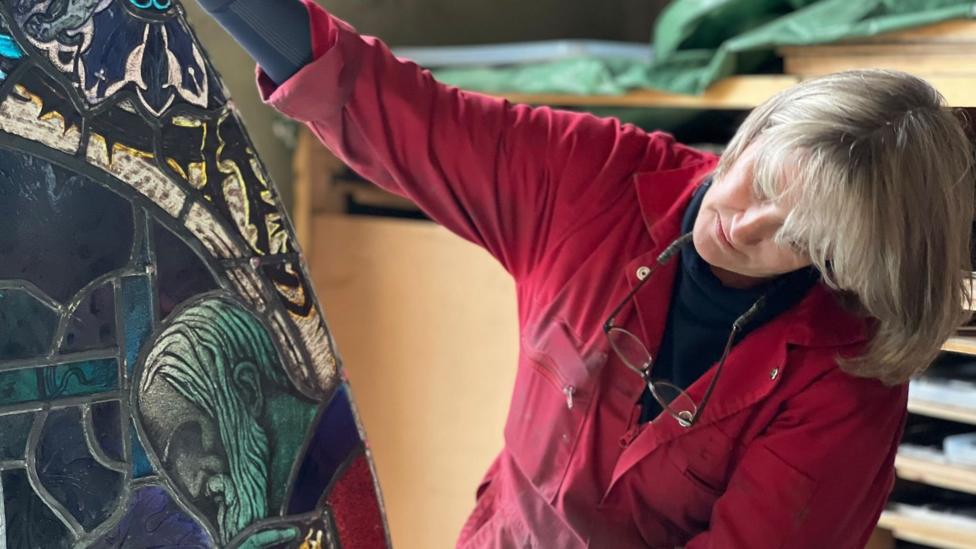
The conservation team—comprising Rab MacInnes, Eilidh MacKenzie and Gordon Muir—represents the continuity of Glasgow's stained-glass tradition. A century ago, the area surrounding Lansdowne Church housed numerous glass studios; today, this small dedicated team carries forward the craft while preparing the next generation. One contemporary work by MacInnes, created for the Kelvin Bar on the ground floor where patrons of the Stand Comedy Club gather before performances, bridges the gap between the building's dual purpose and offers a preview of the artistic calibre visitors will encounter upstairs.
What happens next?
The Alf Webster Museum of Stained Glass is scheduled to open to the public in early 2027. Robertson expressed optimism about the project's trajectory:
We're hoping that this is just phase one. We quite like the contrast of being used for comedy but also this more culturally traditional offering upstairs. I like the fact that the two things are in the one building. I hope the public will feel the same.A second phase, potentially costing a seven-figure sum and expected within five years, could expand the collection with works by other Scottish stained-glass artists, enabling rotating displays that would give visitors reason to return repeatedly and experience different pieces from major collections.